brushing
US /'brʌʃɪŋ/
・UK /'brʌʃɪŋ/
A2
v.t./i.Verb (Transitive/Intransitive)To touch against a thing very lightly when moving
The wind is gently brushing through the forest trees
v.t./i.Verb (Transitive/Intransitive)To clean, paint, or apply something with a brush
Dentists recommend brushing your teeth twice a day
v.t./i.Verb (Transitive/Intransitive)To clean using a long stick with stiff hairs
She is brushing her coat before wearing it
v.t./i.Verb (Transitive/Intransitive)Removing something with a brush.
She is brushing the crumbs off the table.
n. (u.)Uncountable NounThe act of using a brush, especially on hair.
Brushing is important for healthy hair.
Video subtitles
10 cheap purchases that improved my life
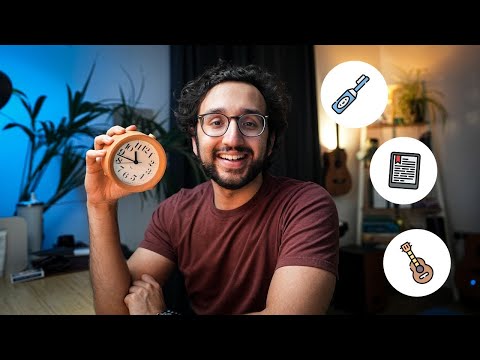
- So you can spend 30 seconds on each quadrant of the mouth and then you know when you've been brushing for two minutes.
So you can spend 30 seconds on each quadrant of the mouth and then you know when you've been brushing for two minutes.
- So you can spend 30 seconds on each quadrant of the mouth, and then you know when you've been brushing for two minutes.
So you can spend 30 seconds on each quadrant of the mouth, and then you know when you've been brushing for two minutes.
What’s going to happen to Big Tech’s laid off workers?

- When the students come through to us, our career coaches work with them from day one, brushing up their LinkedIn profiles, their resumes, interview skills, and so on.
When the students come through to us, our career coaches work with them from day one, brushing up their LinkedIn profiles, their resumes, interview skills, and so on.
- brushing up their LinkedIn profiles, their resumes, interview skills, and so on.
brushing up their LinkedIn profiles, their resumes, interview skills, and so on.
Seven-Year-Old Actress Brooklynn Prince on The Florida Project

- they were on the sink, and in my bathroom and I was brushing my teeth
they were on the sink, and in my bathroom and I was brushing my teeth
- and I was brushing my teeth, and I knocked them over, and they all went into the sink.
and I was brushing my teeth, and I knocked them over, and they all went into the sink.
Sexual Assault, Consent and Sexual Harassment: What's The Difference?

- And brushing up against someone in a purposefully sexual way.
And brushing up against someone in a purposefully sexual way.
- pulling at someone's clothing, and brushing up against someone
pulling at someone's clothing, and brushing up against someone
如何誘導大腦養成新的習慣? ► 刷牙進入狀態! - John Assaraf(中英字幕)

- So that as I'm brushing my teeth, I'm priming my brain to see my goals in front of me every morning and every night.
So that as I'm brushing my teeth, I'm priming my brain to see my goals in front of me every morning and every night.
- So on my bathroom mirror, I have my goals that are on my mirror so that as I'm brushing my teeth, I'm priming my brain to see my goals in front of me every morning and every night.
So on my bathroom mirror, I have my goals that are on my mirror so that as I'm brushing my teeth, I'm priming my brain to see my goals in front of me every morning and every night.
Why is Fluoride in our Water? | May 7, 2025

- We begin today in Utah, which this week became the first U.S. state to ban the use of fluoride in public water. Fluoride is a natural occurring mineral that can be found in soil, plants, and food in tiny amounts. And studies show that at optimal levels, it helps prevent tooth decay, helps prevent cavities. The U.S. has added it to public drinking water systems since the 1940s to improve dental health, and the practice is considered to be one of the greatest public health achievements of the last century. But it's created some contratoms, with debate over adding fluoride to public water ramping up, and some states like Florida are following in Utah's footsteps to pass laws to ban it. Those in favor of banning fluoride in drinking water point to research that shows consumption of high levels of fluoride could cause adverse health effects in children, but exposure to levels that concentrated are rarely seen in the U.S. Proponents of the ban add that when it comes to fluoride improving dental health, evidence is mixed, and some studies find that our modern dental hygiene routines like brushing and flossing regularly have had more of an impact than fluoride in drinking water. Other advocates of the ban acknowledge that fluoride does have benefits, but people should have the individual choice to not have it added to their drinking water.
We begin today in Utah, which this week became the first U.S. state to ban the use of fluoride in public water. Fluoride is a natural occurring mineral that can be found in soil, plants, and food in tiny amounts. And studies show that at optimal levels, it helps prevent tooth decay, helps prevent cavities. The U.S. has added it to public drinking water systems since the 1940s to improve dental health, and the practice is considered to be one of the greatest public health achievements of the last century. But it's created some contratoms, with debate over adding fluoride to public water ramping up, and some states like Florida are following in Utah's footsteps to pass laws to ban it. Those in favor of banning fluoride in drinking water point to research that shows consumption of high levels of fluoride could cause adverse health effects in children, but exposure to levels that concentrated are rarely seen in the U.S. Proponents of the ban add that when it comes to fluoride improving dental health, evidence is mixed, and some studies find that our modern dental hygiene routines like brushing and flossing regularly have had more of an impact than fluoride in drinking water. Other advocates of the ban acknowledge that fluoride does have benefits, but people should have the individual choice to not have it added to their drinking water.
- drinking water systems. And experts point out that we haven't seen these risks at the low levels recommended to be added to U.S. drinking water. So dentists are pretty concerned about the fact that fluoride may be removed from drinking water systems. And they emphasize that it's really important to brush with fluoride toothpaste, see your dentist regularly, and of course, have those good brushing habits to keep your smiles bright.
drinking water systems. And experts point out that we haven't seen these risks at the low levels recommended to be added to U.S. drinking water. So dentists are pretty concerned about the fact that fluoride may be removed from drinking water systems. And they emphasize that it's really important to brush with fluoride toothpaste, see your dentist regularly, and of course, have those good brushing habits to keep your smiles bright.
7 Common PHRASAL VERBS for Business
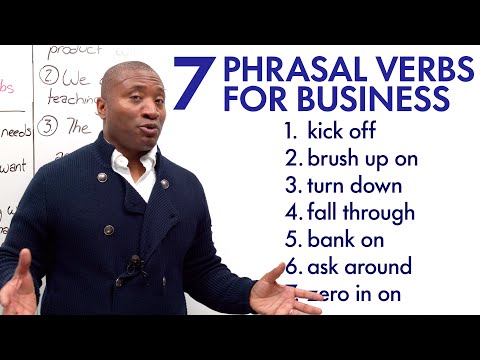
- Brushing, we know it's a brush, like brush your teeth, it's that movement.
Brushing, we know it's a brush, like brush your teeth, it's that movement.
- We're brushing up to brush, improve on that skill.
We're brushing up to brush, improve on that skill.
I used a flip phone for 30 days
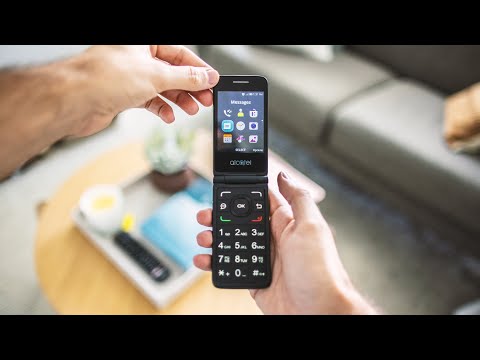
- I can already tell that one of the biggest benefits is that I am spending way less time on screens and really the moments in between, the moments when I'm making a cup of coffee and I'm waiting for the coffee to brew, or when I wake up in the morning and I'm brushing my teeth, going to the bathroom.
I can already tell that one of the biggest benefits is that I am spending way less time on screens and really the moments in between, the moments when I'm making a cup of coffee and I'm waiting for the coffee to brew, or when I wake up in the morning and I'm brushing my teeth, going to the bathroom.
- and I can already tell that one of the biggest benefits is that I am spending way less time on screens and really the moments in between, the moments when I'm making a cup of coffee and I'm waiting for the coffee to brew, or when I wake up in the morning and I'm brushing my teeth, going to the bathroom.
and I can already tell that one of the biggest benefits is that I am spending way less time on screens and really the moments in between, the moments when I'm making a cup of coffee and I'm waiting for the coffee to brew, or when I wake up in the morning and I'm brushing my teeth, going to the bathroom.
Stop being so UNDISCIPLINED! | ?Podcast and Chill | Beginner
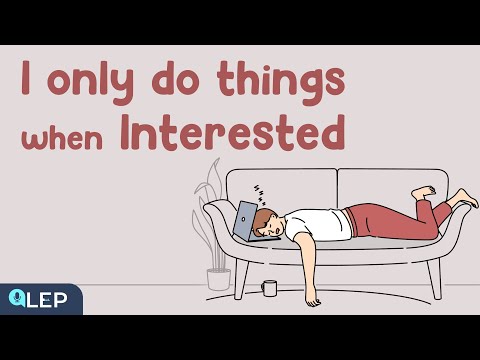
- Well, just think about brushing your teeth.
Well, just think about brushing your teeth.
- Well, I guess I'm one step closer to greatness then if I can keep brushing my teeth and learning Spanish.
Well, I guess I'm one step closer to greatness then if I can keep brushing my teeth and learning Spanish.
Math Antics - Measuring Distance
- That should be plenty accurate for brushing my teeth!
That should be plenty accurate for brushing my teeth!
- That should be plenty accurate for brushing my teeth!
That should be plenty accurate for brushing my teeth!