
adhere
US /ədˈhɪr/
UK /ədˈhɪə(r)/
- Verb (Transitive/Intransitive)
- To support a cause, political party, religion
- To stick to; make something stick to something
B2TOEICMoreadrift
US /əˈdrɪft/
UK /əˈdrɪft/
- Adjective
- Floating without direction; not anchored
C1Morealgae
US /ˈældʒi/
UK /ˈældʒi:/
- Noun (Countable/Uncountable)
- Green organisms that live in still water
B2Moreat least
US /æt list/
UK /æt li:st/
- Adverb
- As a minimum
- Not less than
- Phrase
- No less than; at the minimum
- Used to indicate that something is positive in a bad situation.
C2Moreat night
US /æt naɪt/
UK /æt nait/
- Phrase
- During the night; in the nighttime.
A1Moreatmosphere
US /ˈætməˌsfɪr/
UK /'ætməsfɪə(r)/
- Noun (Countable/Uncountable)
- Air around us
- Feeling or mood of a place
A2Moreback down
US /bæk daʊn/
UK /bæk daun/
- Phrasal Verb
- To admit you were wrong; stop claiming
A1Moreback out
US /bæk aʊt/
UK /bæk aut/
- Phrasal Verb
- To say you will now not do something you promised
A1Moreback up
US /bæk ʌp/
UK /bæk ʌp/
- Phrasal Verb
- To save a copy of your computer data
- To confirm the truth of what someone says
A1Morebasically
US /ˈbesɪkəli,-kli/
UK /ˈbeɪsɪkli/
- Adverb
- Used before you explain something simply, clearly
- In essence; when you consider the most important aspects of something.
A2Morebleach
US /blitʃ/
UK /bli:tʃ/
- Uncountable Noun
- Chemical that disinfects and whitens
- Transitive Verb
- To use a chemical that disinfects and whitens
- To make (e.g. hair) lighter in color; lighten
B2Moreblooded
US /'blʌdɪd/
UK /'blʌdɪd/
- Transitive Verb
- To be initiated into something, e.g. a secret club
A2Morebody
US /ˈbɑdi/
UK /ˈbɒdi/
- Noun
- The physical structure of a person or animal.
- Noun (Countable/Uncountable)
- The main or central part of something.
- The weight and texture of a drink (like wine or coffee) in the mouth.
A2Morecause
US /kɔz/
UK /kɔ:z/
- Noun
- Belief, goal or organization that people support
- Reason for
- Transitive Verb
- To make something happen; create effect or result
A2Morechange over
US
UK
- Phrasal Verb
- To switch from one thing to another.
A2Moreclimate
US /ˈklaɪmɪt/
UK /ˈklaɪmət/
- Noun (Countable/Uncountable)
- Typical weather conditions in a particular place
- The general attitudes, feelings, or opinions that people have at a particular time.
A2Morecome back
US /kʌm bæk/
UK /kʌm bæk/
- Phrasal Verb
- To reply to someone, often forcefully
- To be remembered
A1Morecompile
US /kəmˈpaɪl/
UK /kəm'paɪl/
- Transitive Verb
- To put programming data into a computer
- To gather (articles) for a book
- Intransitive Verb
- To undergo the process of being converted into machine language.
B1Morecontinental
US /ˌkɑ:ntɪˈnentl/
UK /ˌkɒntɪˈnentl/
- Adjective
- Of or typical of the culture of mainland Europe
- Concerning or found on a continent
- Noun (Countable/Uncountable)
- Person living on mainland Europe
- A light breakfast, typically including pastries, cereal, and fruit.
B1Morecontinental drift
US /ˌkɑntəˈnɛntl: drɪft/
UK /ˌkɔntəˈnentl drift/
- Noun
- The gradual movement of the continents across the earth's surface through geological time.
C2Morecoral
US /ˈkɑrəl/
UK /'kɒrəl/
- Adjective
- Color that is a combination of pink and orange
- Noun
- Marine substance made from bones of sea creatures
B2Morecredible
US /ˈkrɛdəbəl/
UK /ˈkredəbl/
- Adjective
- Believable; that can be believed or trusted
B2TOEICMoredegree
US /dɪˈɡri/
UK /dɪˈgri:/
- Noun (Countable/Uncountable)
- Amount or extent of something
- Unit for measuring temperature or angles
A2TOEICMoredigest
US /daɪˈdʒest/
UK /daɪˈdʒest/
- Verb (Transitive/Intransitive)
- To convert food into energy in your stomach
- To think over facts, news etc.; take in information
- Noun
- A summary, as of the news
B2Moredo in
US
UK
- Phrasal Verb
- To make completely tired out and exhausted
- To destroy or cause damage to someone
A1Moredown under
US /daʊn ˈʌndɚ/
UK /daun ˈʌndə/
- Proper Noun
- A colloquial term for Australia and New Zealand.
- Adverb
- Below or underneath something.
A1Moredrift
US /drɪft/
UK /drɪft/
- Intransitive Verb
- (Of sand, etc.) to be blown into heaps by the wind
- (Of boats) to move without purpose on water
B1Moreecosystem
US /ˈɛkoˌsɪstəm, ˈiko-/
UK /ˈi:kəʊsɪstəm/
- Noun (Countable/Uncountable)
- Types of plants and animals in an specific area
- A network of interconnected companies, technologies, and services that interact to create value.
B1Moreequator
US /ɪˈkwetɚ/
UK /ɪ'kweɪtə(r)/
- Noun
- Geographical line at zero degrees latitude
B1Moreevolve
US /ɪˈvɑlv/
UK /ɪ'vɒlv/
- Verb (Transitive/Intransitive)
- To develop certain features
- To develop or change slowly over time
B1Moreextinct
US /ɪkˈstɪŋkt/
UK /ɪkˈstɪŋkt/
- Adjective
- (Of animal, etc.) having died out; with none left
- (E.g. of volcano) not active
B1TOEICMoreextinction
US /ɪkˈstɪŋkʃən/
UK /ɪkˈstɪŋkʃn/
- Noun (Countable/Uncountable)
- When every example of animal, plant is dead
- The process of something ceasing to exist or be active.
B1Morefeed
US /fid/
UK /fi:d/
- Transitive Verb
- To give food, e.g. to animals or a baby
- To push something through an opening
- Uncountable Noun
- Food given to animals
A2TOEICMorefeed on
US /fid ɑn/
UK /fi:d ɔn/
- Phrasal Verb
- To eat a particular food.
- To increase or become stronger because of something.
A1Morefeedback
US /ˈfidˌbæk/
UK /ˈfi:dbæk/
- Noun (Countable/Uncountable)
- A response or opinion, about a service, etc.
- Information about reactions to a product, a person's performance of a task, etc. which is used as a basis for improvement.
- Verb (Transitive/Intransitive)
- To give information or opinions about something to someone, especially in order to improve it.
B1TOEICMorefigure out
US /ˈfɪɡjɚ aʊt/
UK /ˈfiɡə aut/
- Phrasal Verb
- To understand the behavior of someone
- To think through logically to find a solution
- Verb (Transitive/Intransitive)
- To understand or find an answer to something.
- To find a solution to a problem or understand something.
A1Morefit together
US /fɪt təˈɡɛðɚ/
UK /fɪt təˈɡeðə/
- other
- To combine or join parts properly or correctly.
B1Moregas
US /ɡæs/
UK /ɡæs/
- Uncountable Noun
- Elements in our air, like oxygen or nitrogen
- Fuel used for cooking, heating houses etc.
- Transitive Verb
- To kill or disable someone with poisoned air
A2Moreglobal
US /ˈgloʊbl/
UK /ˈgləʊbl/
- Adjective
- Concerning, involving, affecting all of something
- Of, affecting, or involving the entire world
A2TOEICMorego away
US /ɡo əˈwe/
UK /ɡəu əˈwei/
- Phrasal Verb
- To go on vacation
- To leave; depart.
A1Moregoing on
US /ˈɡoɪŋ ɑn/
UK /ˈgəʊɪŋ ɔn/
- Phrasal Verb
- To continue doing something
- To happen (usually negative)
A1Morehave on
US /hæv ɑn/
UK /hæv ɔn/
- Phrasal Verb
- To be wearing something.
- To deceive or trick someone, often in a playful way.
A1Morehave to
US /hæv tu/
UK /ˈhæv tə/
- Auxiliary Verb
- Must do
A1Moreheat
US /hit/
UK /hi:t/
- Uncountable Noun
- State of anger, excitement, or arguing
- Particular temperature at which to cook something
- Transitive Verb
- To make hot or hotter
A2Morehold in
US /hold ɪn/
UK /həuld in/
- Phrasal Verb
- To hide your emotions and not let them show
A1Morehuge
US /hjudʒ/
UK /hju:dʒ/
- Adjective
- Very very large
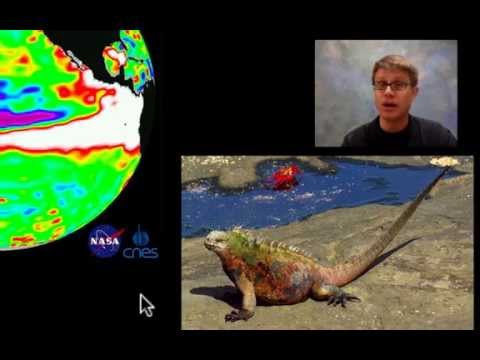
A2Moreiguana
US /ɪˈɡwɑnə/
UK /ɪˈgwɑ:nə/
- Noun
- Large herbivorous lizards with a spiny crest
C2Moreimpact
US /ˈɪmˌpækt/
UK /'ɪmpækt/
- Noun
- A striking effect or result to hit with force
- Act or force of one thing hitting something else
- Verb (Transitive/Intransitive)
- To hit or strike someone or something with force
- To have a strong effect on someone or something.
A2TOEICMorein other words
US
UK
- Phrase
- Stating something in a different way, often to make it clearer or more understandable.
in the middle of
US
UK
- Phrase
- In the central part or point of something.
- Engaged or occupied with something.
A2Morejet
US /dʒɛt/
UK /dʒet/
- Noun (Countable/Uncountable)
- Stream of liquid/gas shooting out of small opening
- A pipe that water or gas goes through
- Verb (Transitive/Intransitive)
- (Of liquid, gas) to shoot out of a small opening
- To travel on a jet plane
B1TOEICMorelook at
US /lʊk æt/
UK /luk æt/
- Phrasal Verb
- To use your eyes to focus on something
- To focus your eyes on something carefully
A1Morelook through
US
UK
- Phrasal Verb
- To examine carefully to see what is there
- To search for something among a collection of things.
A1Moremarine
US /məˈrin/
UK /mə'ri:n/
- Countable Noun
- Soldier trained to serve on land and sea
- Adjective
- Of the ocean or ocean plants and animals
- Concerning sailing or doing business by sea
B1Moremarsupial
US /mɑrˈsupiəl/
UK /mɑ:ˈsu:piəl/
- Noun
- Mammal where females carry their young in a pouch
C2Moremethane
US /ˈmeθeɪn/
UK /ˈmi:θeɪn/
- Uncountable Noun
- Colorless gas without smell often used as fuel
B2Moremovement
US /ˈmuvmənt/
UK /ˈmu:vmənt/
- Noun (Countable/Uncountable)
- Part of a piece of classical music
- Group with a shared interest or goal
A2Morenecessarily
US /ˌnɛsɪˈsɛrəli, -ˈsɛr-/
UK /ˌnesəˈserəli/
- Adverb
- In a way that is needed/required/is unavoidable
A2TOEICMoreof course
US /ʌv kɔː(r)s/
UK /ɔv kɔː(r)s/
- Adverb
- Sure ; Certainly
- Phrase
- For sure; certainly
A2Moreout of control
US /aʊt ʌv kənˈtrol/
UK /aut ɔv kənˈtrəul/
- Adjective
- Impossible to manage or control.
- Not able to be directed or steered.
A1Moreout there
US /aʊt ðɛr/
UK /aut ðɛə/
- Adverb
- In or to a place that is far away
- Existing in the universe
- Adjective
- Unconventional; strange; avant-garde
- Existing or available.
A1Moreover time
US /ˈovɚ taɪm/
UK /ˈəuvə taim/
- Phrase
- Gradually; as time passes.
- During a long period.
- Adverb
- Gradually; as time passes.
B1Morepermafrost
US /ˈpɜ:rməfrɔ:st/
UK /ˈpɜ:məfrɒst/
- Uncountable Noun
- Ground that is permanently frozen
C2Moreplanet
US /ˈplænɪt/
UK /'plænɪt/
- Noun (Countable/Uncountable)
- One of the bodies that orbit the sun
- A different world or sphere of existence.
- Proper Noun
- The earth.
A2Morepossum
US /ˈpɑsəm/
UK /'pɒsəm/
- Countable Noun
- Small furry Australian animal that lives in trees
C1Morepredict
US /prɪˈdɪkt/
UK /prɪ'dɪkt/
- Transitive Verb
- To guess or estimate what will or might happen
A2TOEICMorescientist
US /ˈsaɪəntɪst/
UK /ˈsaɪəntɪst/
- Countable Noun
- Person who is trained in a science
A2Moreshut down
US /ʃʌt daʊn/
UK /ʃʌt daun/
- Phrasal Verb
- To close an operating system, e.g. on a computer
- To stop a factory/machine from operating
- Transitive Verb
- To deactivate a nuclear reactor.
- To turn off a computer or other electronic device.
A2Moretake off
US /tek ɔf/
UK /teik ɔf/
- Phrasal Verb
- To remove, e.g. your clothes
- To make arrangements to be absent from work
- Verb (Transitive/Intransitive)
- To remove (an item of clothing).
- To depart; to leave.
A1Moretemperature
US /ˈtɛmpərəˌtʃʊr,-tʃɚ,ˈtɛmprə-/
UK /ˈtemprətʃə(r)/
- Noun (Countable/Uncountable)
- When you your body heat is above normal
- How hot or cold something is, e.g. the weather
A2Morethink about
US /θɪŋk əˈbaʊt/
UK /θiŋk əˈbaut/
- Phrasal Verb
- To consider something carefully.
- To remember or call to mind.
A1Morethink of
US /θɪŋk ʌv/
UK /θiŋk ɔv/
- Phrasal Verb
- To look on as (being something specific); consider
- To consider or remember something.
- Verb (Transitive/Intransitive)
- To imagine or call something to mind
A1Moretransform
US /trænsˈfɔrm/
UK /træns'fɔ:m/
- Transitive Verb
- To change the shape completely in a good way
- To convert from one form or substance into another.
C2Moreused to
US /juzd tu/
UK /ˈju:st tə/
- Adjective
- Did regularly before, but don't do now
- Auxiliary Verb
- Have done before, but do not do now
A1Morewarm up
US /wɔːrm ʌp/
UK
- Phrasal Verb
- To gently exercise muscles before doing sport
A1More
Vocabulary
- have to: Must do
- warm up: To gently exercise muscles before doing sport
- of course: Sure ; Certainly
- continental drift: The gradual movement of the continents across the earth's surface through geological time.
- out there: In or to a place that is far away
- change over: To switch from one thing to another.
- over time: Gradually; as time passes.
- think of: To look on as (being something specific); consider
- think about: To consider something carefully.
- feed on: To eat a particular food.
- come back: To reply to someone, often forcefully
- at night: During the night; in the nighttime.
- hold in: To hide your emotions and not let them show
- shut down: To close an operating system, e.g. on a computer
- do in: To make completely tired out and exhausted
- take off: To remove, e.g. your clothes
- have on: To be wearing something.
- used to: Did regularly before, but don't do now
- fit together: To combine or join parts properly or correctly.
- look at: To use your eyes to focus on something
- figure out: To understand the behavior of someone
- look through: To examine carefully to see what is there
- at least: As a minimum
- go away: To go on vacation
- in the middle of: In the central part or point of something.
- down under: A colloquial term for Australia and New Zealand.
- back up: To save a copy of your computer data
- going on: To continue doing something
- in other words: Stating something in a different way, often to make it clearer or more understandable.
- back down: To admit you were wrong; stop claiming
- back out: To say you will now not do something you promised
- out of control: Impossible to manage or control.
- warm: To become more friendly or to like something
- change: To exchange one set of clothes for another
- water: Clear liquid that forms the seas, rivers and rain
- weather: Whether it is raining, sunny, cold etc. outside
- cold: Illness of sneezing, coughing, and a sore throat
- kind: In a caring and helpful manner
- short: (Of electric circuit) to spark because faulty
- green: Color of young leaves
- man: Humans in general, including male and female
- house: Place where a specific activity or business occurs
- find: To become aware of something that is happening
- body: The physical structure of a person or animal.
- day: A period of 24 hours beginning at midnight
- animal: A living creature that is not a plant or person
- live: To be alive
- temperature: When you your body heat is above normal
- degree: Amount or extent of something
- gas: Elements in our air, like oxygen or nitrogen
- north: Direction to your left when facing the rising sun
- map: Diagram showing the geography of an area
- area: Amount of measured space
- heat: State of anger, excitement, or arguing
- quickly: Without taking a lot of time; fast
- cool: Steady and calm when facing difficulties
- happen: To take place or occur
- bit: Device put in a horse's mouth to control it
- blooded: To be initiated into something, e.g. a secret club
- climate: Typical weather conditions in a particular place
- increase: To make or become larger in size or amount
- planet: One of the bodies that orbit the sun
- period: Set amount of time during which events take place
- atmosphere: Air around us
- create: To make, cause, or bring into existence
- continental: Of or typical of the culture of mainland Europe
- predict: To guess or estimate what will or might happen
- environment: Natural world in which plants and animals live
- jet: Stream of liquid/gas shooting out of small opening
- land: Region or country
- effect: An advantage, benefit
- huge: Very very large
- feed: To give food, e.g. to animals or a baby
- scientist: Person who is trained in a science
- basically: Used before you explain something simply, clearly
- impact: A striking effect or result to hit with force
- global: Concerning, involving, affecting all of something
- feedback: A response or opinion, about a service, etc.
- movement: Part of a piece of classical music
- data: Facts or information used to calculate or analyze
- transform: To change the shape completely in a good way
- cause: Belief, goal or organization that people support
- necessarily: In a way that is needed/required/is unavoidable
- extinction: When every example of animal, plant is dead
- evolve: To develop certain features
- digest: To convert food into energy in your stomach
- extinct: (Of animal, etc.) having died out; with none left
- compile: To put programming data into a computer
- coral: Color that is a combination of pink and orange
- drift: (Of sand, etc.) to be blown into heaps by the wind
- credible: Believable; that can be believed or trusted
- algae: Green organisms that live in still water
- el: An elevated railway, especially in Chicago.
- vapor: Tiny droplets or pieces of some substance spread thinly throughout the air
- marsupial: Mammal where females carry their young in a pouch
- methane: Colorless gas without smell often used as fuel
- Arctic: The regions to the north of the Arctic Circle centered on the North Pole
- permafrost: Ground that is permanently frozen
- marine: Soldier trained to serve on land and sea
- ecosystem: Types of plants and animals in an specific area
- bleach: Chemical that disinfects and whitens
- iguana: Large herbivorous lizards with a spiny crest
- equator: Geographical line at zero degrees latitude
- possum: Small furry Australian animal that lives in trees
- adrift: Floating without direction; not anchored
- adhere: To support a cause, political party, religion
Get the full experience in the app
Learn anywhere with detailed sentence and usage analysis
01:03
She took a brave step forward, leaving behind her comfort zone to chase her dreams.
Vocabulary
- brave
adj. Having courage
- comfort zone
phr. A familiar situation where one feels safe
Explanation
a brave step is a noun phrase, where brave is an adjective modifying the noun step, meaning "a courageous step".
forward is an adverb modifying step, meaning "ahead".
The whole phrase serves as the object, answering the "what" of took (verb) — she took a brave step forward.
Get the full experience in the app
Look up words anytime with pronunciation, part of speech, and usage
brave
US/brev/
UK/breɪv/
adj.Brave
v.t.To bravely face
A2 Elementary
Get the full experience in the app
Practice speaking anytime and get instant pronunciation feedback
Try this speaking exercise.
Try practicing with this sentence.
80
Ecosystem Change
0
Jan posted on 2014/01/08Ever wondered how human activities impact our planet's delicate ecosystems? This video dives into how changes in climate, from human-caused global warming to natural geological shifts, can dramatically affect environments and species. You'll pick up key terms like 'feedback loops' and 'continental drift' while exploring the science behind these fascinating changes.
Learn this video on the APP!
The VoiceTube App has more in-depth practice for videos!