equator
US /ɪˈkwetɚ/
・UK /ɪ'kweɪtə(r)/
B1
n.NounGeographical line at zero degrees latitude
Places on the equator are usually the hottest because the sun's rays hit the center of the Earth the most frequently
Video subtitles
Reef Life of the Andaman - Part 1 - Introduction & Corals
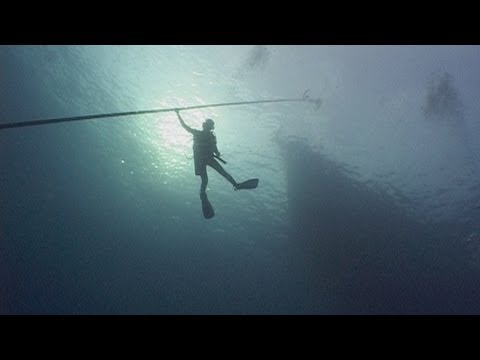
- In the north-east of the Indian Ocean, spanning a latitude of 6 to 16 degrees north of the Equator, lies the Andaman Sea.
In the north-east of the Indian Ocean, spanning a latitude of 6 to 16 degrees north of the Equator, lies the Andaman Sea.
- In the northeast of the Indian Ocean, spanning a latitude of 6 to 16 degrees north of the equator, lies the Andaman Sea.
In the northeast of the Indian Ocean, spanning a latitude of 6 to 16 degrees north of the equator, lies the Andaman Sea.
Reef Life of the Andaman (full marine biology documentary)
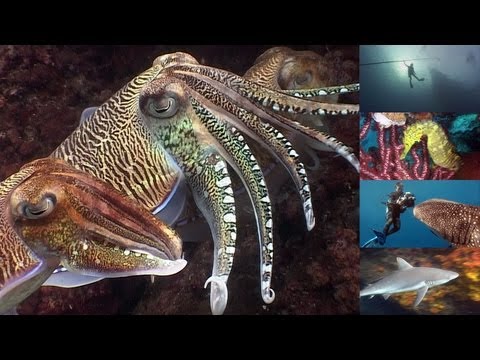
- In the northeast of the Indian Ocean, spanning a latitude of 6 to 16 degrees north of the equator, lies the Andaman Sea.
In the northeast of the Indian Ocean, spanning a latitude of 6 to 16 degrees north of the equator, lies the Andaman Sea.
- spanning a latitude of 6 to 16 degrees north of the Equator,
spanning a latitude of 6 to 16 degrees north of the Equator,
Hurricane Facts for Kids - Fun Facts With Hamlet the Hamster | Educational Videos by Mocomi

- But why don't countries near the equator experience hurricanes?
But why don't countries near the equator experience hurricanes?
- But why don't countries near the equator experience hurricanes?
But why don't countries near the equator experience hurricanes?
Why the East Ends of (Most) Cities are Poorer
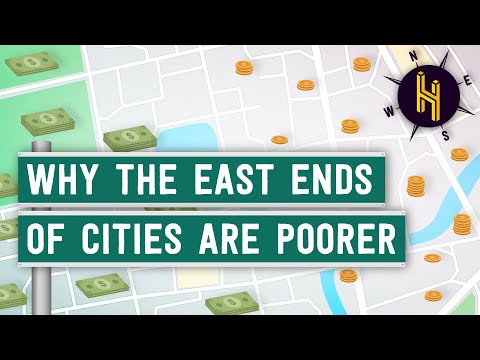
- But because the planet is spinning counter-clockwise, and because the air closer to the equator is spinning faster due to the fact that, much like me, Earth is thicker at its midsection, these winds consistently flow through the middle latitudes in the northern hemisphere on a northeastern trajectory.
But because the planet is spinning counter-clockwise, and because the air closer to the equator is spinning faster due to the fact that, much like me, Earth is thicker at its midsection, these winds consistently flow through the middle latitudes in the northern hemisphere on a northeastern trajectory.
- and because the air closer to the equator is spinning faster due to the fact that, much like me, Earth is thicker at its midsection, these winds consistently flow through the middle latitudes in the northern hemisphere on a northeastern trajectory.
and because the air closer to the equator is spinning faster due to the fact that, much like me, Earth is thicker at its midsection, these winds consistently flow through the middle latitudes in the northern hemisphere on a northeastern trajectory.
What If Earth Started Spinning Twice as Fast Right Now?
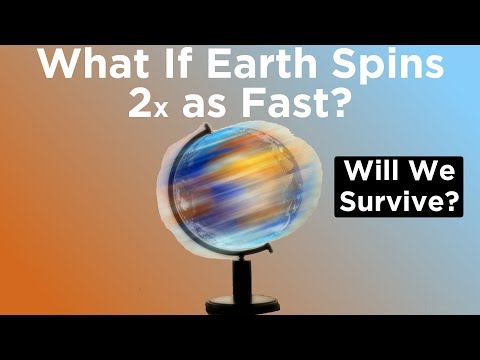
- At the equator, Earth spins at a speed of 1,670 km/h.
At the equator, Earth spins at a speed of 1,670 km/h.
- The farther away you get from the equator, the slower the spin you experience, so the poles are where Earth spins the slowest.
The farther away you get from the equator, the slower the spin you experience, so the poles are where Earth spins the slowest.
The weather loophole keeping this city sunny
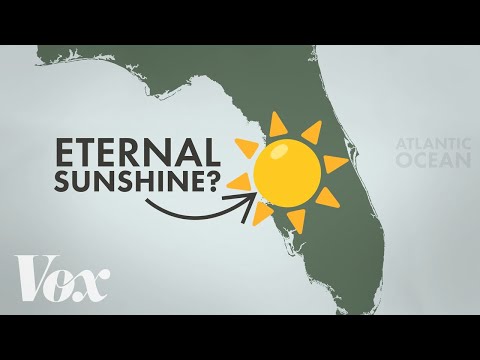
- So if we start from the biggest picture possible, which is the globe, and the sun shines down upon the earth, well, it shines upon the equator more than it does the poles.
So if we start from the biggest picture possible, which is the globe, and the sun shines down upon the earth, well, it shines upon the equator more than it does the poles.
- and the sun shines down upon the Earth, well, it shines upon the equator more than it does the poles.
and the sun shines down upon the Earth, well, it shines upon the equator more than it does the poles.
Geography of Papua New Guinea: The Most Interesting Country in the World?
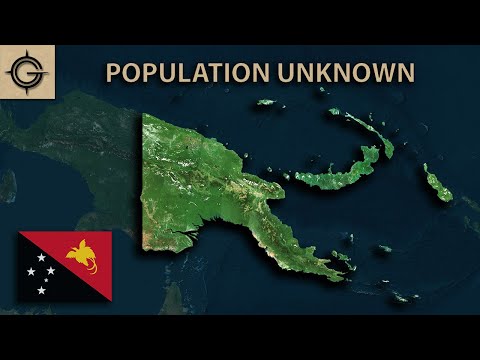
- Papua New Guinea is home to an estimated 13,000 to 14,000 known plant species, with a significant number of them endemic thanks to the country's proximity to the equator, sufficient rainfall, and
Papua New Guinea is home to an estimated 13,000 to 14,000 known plant species, with a significant number of them endemic thanks to the country's proximity to the equator, sufficient rainfall, and
- Papua New Guinea is home to an estimated 13 to 14,000 known plant species, with a significant number of them endemic, thanks to the country's proximity to the equator, sufficient rainfall, and fertile soils derived from volcanic ash.
Papua New Guinea is home to an estimated 13 to 14,000 known plant species, with a significant number of them endemic, thanks to the country's proximity to the equator, sufficient rainfall, and fertile soils derived from volcanic ash.
The Moon's Orbit is WEIRD
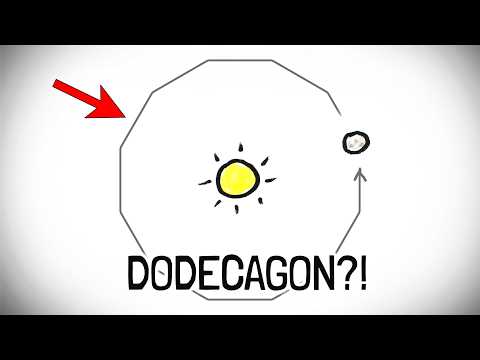
- Like, you might imagine that a point on earth's equator draws out loops as the earth spins along its orbit, but because of how fast the earth is moving around the sun, points on the earth's surface don't trace out loops, but, like the moon, trace out something more like a wobbly circle.
Like, you might imagine that a point on earth's equator draws out loops as the earth spins along its orbit, but because of how fast the earth is moving around the sun, points on the earth's surface don't trace out loops, but, like the moon, trace out something more like a wobbly circle.
- Like, you might imagine that a point on Earth's equator draws out loops as the Earth spins along its orbit,
Like, you might imagine that a point on Earth's equator draws out loops as the Earth spins along its orbit,
14 Best Summer Travel Destinations to Visit in 2018

- No worries, mate. Even though YouTube tells us that most of you are watching from the Northern Hemisphere, we've made sure to include plenty of options south of the Equator, as well.
No worries, mate. Even though YouTube tells us that most of you are watching from the Northern Hemisphere, we've made sure to include plenty of options south of the Equator, as well.
- Even though YouTube tells us that most of you are watching from the Northern Hemisphere, we've made sure to include plenty of options south of the equator as well.
Even though YouTube tells us that most of you are watching from the Northern Hemisphere, we've made sure to include plenty of options south of the equator as well.
Your Time Machine Broke - At The Worst Time In History

- "Something's happening." You're near the equator in the late Carboniferous, 320 million years ago.
"Something's happening." You're near the equator in the late Carboniferous, 320 million years ago.
- You're near the equator in the Lake Carboniferous, 320 million years ago.
You're near the equator in the Lake Carboniferous, 320 million years ago.