
around the world
US /əˈraʊnd ði wɜrld/
UK /əˈraund ðə wɜː(r)ld/
- Phrase
- In or to many countries.
- In various places throughout the world.
A2Moreas well as
US /æz wɛl æz/
UK /æz wel æz/
- Adverb
- Also; in addition to
- Preposition
- In addition to; and also.
A1Moreasteroid
US /ˈæstəˌrɔɪd/
UK /ˈæstərɔɪd/
- Noun
- Very small planets that move around the sun
B2Moreat least
US /æt list/
UK /æt li:st/
- Adverb
- As a minimum
- Not less than
- Phrase
- No less than; at the minimum
- Used to indicate that something is positive in a bad situation.
C2Moreat that time
US /æt ðæt taɪm/
UK /æt ðæt taim/
- Phrase
- During a specific point in the past.
A1Moreattract
US /əˈtrækt/
UK /ə'trækt/
- Transitive Verb
- To make something move closer using magnetic force
- To make someone notice and become interested in
A2TOEICMorebacteria
US /bækˈtɪriə/
UK /bæk'tɪərɪə/
- Noun (plural)
- The very small creatures that can cause disease
B2Morebased on
US
UK
- Phrasal Verb
- To use something as the foundation or starting point for something else.
- Preposition
- Using something as the main idea or foundation.
- Relying on something as evidence or justification.
A1Moreblend
US /blɛnd/
UK /blend/
- Transitive Verb
- To combine different elements or substances
- To mix ingredients when cooking
- Noun
- Product known for mixing ingredients
B1Morecalcium
US /ˈkælsiəm/
UK /'kælsɪəm/
- Uncountable Noun
- A substance important for making bones and teeth
- A substance containing calcium, taken to improve health.
C2Morecarbon
US /ˈkɑrbən/
UK /'kɑ:bən/
- Uncountable Noun
- Chemical element with an atomic number of 6
B1Morecardboard
US /ˈkɑ:rdbɔ:rd/
UK /ˈkɑ:dbɔ:d/
- Uncountable Noun
- Lightweight paper board
B1Morecarpenter
US /'kɑ:rpəntər/
UK /'kɑ:pəntə(r)/
- Countable Noun
- Person that makes, repairs objects made of wood
- Proper Noun
- Person's name
B2Morecell
US /sɛl/
UK /sel/
- Countable Noun
- Smallest unit of living things in biology
- Group of people - often from a secret organization
A2Morecome from
US /kʌm frʌm/
UK /kʌm frɔm/
- Phrasal Verb
- To have as your native country or city
A1Moreconcept
US /ˈkɑnˌsɛpt/
UK /'kɒnsept/
- Noun (Countable/Uncountable)
- Abstract idea of something or how it works
- A plan or intention; a conception.
A2TOEICMorecorn
US /kɔrn/
UK /kɔ:n/
- Noun
- Small, painful hard spot on the foot
- Plant with many yellow seeds used as food
B1Morecorn cobs
US
UK
- Noun (plural)
- The cylindrical core of an ear of corn, to which the kernels are attached.
B1Morecut off
US /kʌt ɔf/
UK /kʌt ɔf/
- Phrasal Verb
- To end a process, e.g. a phone call
- To cut the end of something
- Transitive Verb
- To isolate or prevent access to a place or person.
- To interrupt someone while they are speaking.
A1Moredebris
US /dəˈbri, de-, ˈdeˌbri/
UK /dəˈbri:, deɪ-, ˈdeɪˌbri:/
- Uncountable Noun
- Remains of something broken or destroyed
- Accumulated fragments of rock.
B2TOEICMoredefense
US /dɪˈfɛns/
UK /dɪ'fens/
- Noun (Countable/Uncountable)
- Argument in support of something
- The process of protecting something from attack
B1TOEICMoredelivery
US /dɪˈlɪvəri, -ˈlɪvri/
UK /dɪˈlɪvəri/
- Noun
- Way someone acts when speaking publicly
- Act of taking something to a person or place
A2TOEICMoredioxide
US /daɪˈɑksaɪd/
UK /daɪˈɒksaɪd/
- Noun
- An oxide containing two oxides per molecule
B2Moreextinction
US /ɪkˈstɪŋkʃən/
UK /ɪkˈstɪŋkʃn/
- Noun (Countable/Uncountable)
- When every example of animal, plant is dead
- The process of something ceasing to exist or be active.
B1Moreflu
US /flu/
UK /flu:/
- Noun (Countable/Uncountable)
- Illness causing headache, fever etc.
- A specific instance or bout of influenza.
B2Morefungal
US /ˈfʌŋɡəl/
UK /ˈfʌŋgl/
- Adjective
- Concerning fungi
B2Morefungi
US /ˈfʌndʒaɪ/
UK /ˈfʌŋgi:/
- Noun (plural)
- Taxonomic kingdom including yeast
B2Moregarden
US /ˈgɑ:rdn/
UK /ˈgɑ:dn/
- Noun (Countable/Uncountable)
- Yard; ground outside your house to grow plants
- Public park in which visitors can see flowers
- Intransitive Verb
- To work in a yard to grow plants, vegetables
A2Moregiant
US /ˈdʒaɪənt/
UK /'dʒaɪənt/
- Countable Noun
- Tall, large, and powerful human-like creatures
- Very successful, powerful person or organization
- Adjective
- Very large, or much bigger than other things
A2Morego out
US /ɡo aʊt/
UK /ɡəu aut/
- Phrase
- To leave a building (e.g. a house)
- Phrasal Verb
- (Of a fire) to burn out; be extinguished
- Go out of fashion to stop being fashionable
A1Moregrowth
US /groʊθ/
UK /grəʊθ/
- Uncountable Noun
- Improvement, development in a skill over time
- Act of growing
- Countable Noun
- A mass on the skin or body part related to illness
A2TOEICMoreharvest
US /ˈhɑ:rvɪst/
UK /ˈhɑ:vɪst/
- Noun (Countable/Uncountable)
- Gathering crops from the fields; the crops
- The time of year to bring crops in from the fields
- Transitive Verb
- To gather ripe crops in from the fields
- To obtain or collect something.
B1TOEICMoreharvesting
US /'hɑ:vɪstɪŋ/
UK /'hɑ:vɪstɪŋ/
- Verb (Transitive/Intransitive)
- To gather ripe crops in from the fields
- Noun
- The act of obtaining or collecting something.
B1Morein fact
US /ɪn fækt/
UK /in fækt/
- Adverb
- Used to emphasize the truth of a statement, especially one that contrasts with or contradicts something else.
- Used to introduce a more detailed or surprising piece of information.
- Phrase
- Used to emphasize the truth of a statement, especially one that is surprising or contrary to what might be expected.
C1Morein hot water
US
UK
- Idiom
- In trouble; in a difficult situation.
- Experiencing disapproval or facing punishment for one's actions.
A1Morein love with
US //ɪn lʌv wɪð//
UK
- Adjective
- Feeling romantic love for someone.
- Extremely enthusiastic about or fond of something.
A1Morein order to
US /ɪn ˈɔrdɚ tu/
UK /in ˈɔ:də tu:/
- Preposition
- For the purpose of; with the aim of.
- Phrase
- In a specific sequence or arrangement.
- With the aim of; for the purpose of.
C1Morein particular
US /ɪn pɚˈtɪkjəlɚ/
UK /in pəˈtikjulə/
- Phrase
- Specifically; especially.
- Detailed or precise.
A1Morein the world
US /ɪn ði wɜrld/
UK /in ðə wɜː(r)ld/
- Phrase
- Used to emphasize a question expressing surprise, confusion, or disbelief.
- Used to indicate the extent or degree of something, often in a superlative sense.
A1Morein trouble
US /ɪn ˈtrʌbəl/
UK /in ˈtrʌbl/
- Adjective
- Experiencing difficulties, problems, or legal issues.
- other
- In serious trouble or difficulty.
A1Moreindex
US /ˈɪnˌdɛks/
UK /ˈɪndeks/
- Noun (Countable/Uncountable)
- Number showing how prices, wages changed over time
- Written or printed (usually alphabetical) list
- Transitive Verb
- To adjust a value/wages as other things change
- To make a list of things in alphabetical order
A2TOEICMoreinvasion
US /ɪnˈveʒən/
UK /ɪnˈveɪʒn/
- Uncountable Noun
- Entry into a place to cause harm
- An unwelcome intrusion into another's domain.
B1Morekingdom
US /ˈkɪŋdəm/
UK /'kɪŋdəm/
- Noun
- Category of the natural world
- Country e.g. United Kingdom
A2Moreknow about
US /noʊ əˈbaʊt/
UK /nəʊ əˈbaut/
- Phrasal Verb
- To have information or understanding of a subject or situation.
look at
US /lʊk æt/
UK /luk æt/
- Phrasal Verb
- To use your eyes to focus on something
- To focus your eyes on something carefully
A1Moremushroom
US /ˈmʌʃˌrum, -ˌrʊm/
UK /ˈmʌʃrʊm/
- Noun (Countable/Uncountable)
- Short fungus shaped like an umbrella you can eat
- Intransitive Verb
- To increase in size or degree suddenly and quickly
B1Moreoil
US /ɔɪl/
UK /ɔɪl/
- Uncountable Noun
- A liquid used for frying foods
- Thick, black liquid in the ground used as fuel
- Transitive Verb
- To add a liquid for frying foods
- To put liquid in a machine so it will run smoothly
A2Moreon earth
US /ɑn ɚθ/
UK /ɔn ə:θ/
- Phrase
- Used to emphasize a question expressing surprise or anger.
- Used to emphasize that something is not possible or will not happen.
A1Moreon sunday
US
UK
- Phrase
- Every Sunday; each Sunday.
- Referring to a particular Sunday.
A1Moreorganism
US /ˈɔrɡəˌnɪzəm/
UK /'ɔ:ɡənɪzəm/
- Noun
- Living thing, often one that is small
- System with many parts that function as a whole
B2Moreover time
US /ˈovɚ taɪm/
UK /ˈəuvə taim/
- Phrase
- Gradually; as time passes.
- During a long period.
- Adverb
- Gradually; as time passes.
B1Morepatent
US /ˈpætnt/
UK /ˈpætnt/
- Noun (Countable/Uncountable)
- Legal protection for inventions or ideas
- Transitive Verb
- To obtain legal protection for inventions or ideas
B2Morepesticide
US /ˈpɛstɪˌsaɪd/
UK /ˈpestɪsaɪd/
- Noun (Countable/Uncountable)
- A chemical substance used to kill pests
- The control or management of pesticides.
- Adjective
- Relating to or treated with a pesticide.
- Relating to or having the effect of a pesticide.
B2Morepile
US /paɪl/
UK /paɪl/
- Noun (Countable/Uncountable)
- Large amount of something
- Group of things one on top of another
- Verb (Transitive/Intransitive)
- (E.g. of problems) to increase; get more or worse
- To place things on top of each other; to heap up.
B1TOEICMoreplanet
US /ˈplænɪt/
UK /'plænɪt/
- Noun (Countable/Uncountable)
- One of the bodies that orbit the sun
- A different world or sphere of existence.
- Proper Noun
- The earth.
A2Morepox
US /pɑks/
UK /pɒks/
- Noun
- A disease that leaves marks on the skin
C1Moreprior to
US /ˈpraɪɚ tu/
UK /ˈpraiə tu:/
- Preposition
- Before a particular time or event.
C1Morepublish
US /ˈpʌblɪʃ/
UK /'pʌblɪʃ/
- Transitive Verb
- To prepare and make available a book magazine etc.
- To release information to the general public
A2TOEICMorerot
US /rɑ:t/
UK /rɒt/
- Intransitive Verb
- To break down into pieces through dying; decay
- Uncountable Noun
- The process or state of decaying or rotting.
- Foolish or nonsensical talk or ideas.
B2Moreseed
US /sid/
UK /si:d/
- Noun (Countable/Uncountable)
- A person's children; offspring
- Part of a plant used to grow more on them
- Intransitive Verb
- (Of plants) to produce seeds for the future
B1Moreset up
US /sɛt ʌp/
UK /set ʌp/
- Phrasal Verb
- To make arrangements for something; establish
- Verb (Transitive/Intransitive)
- To arrange or prepare something for use.
- To start a business, organization, etc.
A1Moreshare in
US /ʃɛr ɪn/
UK /ʃɛə in/
- Phrasal Verb
- To participate in something; to have a part or interest in something.
- To receive a portion of something, such as profits or losses.
A1Moreshut down
US /ʃʌt daʊn/
UK /ʃʌt daun/
- Phrasal Verb
- To close an operating system, e.g. on a computer
- To stop a factory/machine from operating
- Transitive Verb
- To deactivate a nuclear reactor.
- To turn off a computer or other electronic device.
A2Moresite
US /saɪt/
UK /saɪt/
- Noun (Countable/Uncountable)
- Place that is reserved for a particular activity
- Location of building work
- Transitive Verb
- To place something in a particular position, area
A2TOEICMoresmallpox
US /ˈsmɔlˌpɑks/
UK /ˈsmɔ:lpɒks/
- Noun
- Contagious disease with pimples that leave scars
C1Moresoil
US /sɔɪl/
UK /sɔɪl/
- Uncountable Noun
- Conditions in which something develops
- Mix of natural material in which plants grow
- Transitive Verb
- To get or become dirty
B1Morethink of
US /θɪŋk ʌv/
UK /θiŋk ɔv/
- Phrasal Verb
- To look on as (being something specific); consider
- To consider or remember something.
- Verb (Transitive/Intransitive)
- To imagine or call something to mind
A1Morethrough with
US
UK
- Phrase
- Having had enough (of trouble); wanting to stop
A1Moreunder the umbrella
US
UK
- Phrase
- In a position covered and sheltered by an umbrella.
- In a position covered and sheltered by an umbrella, typically for protection from the sun.
A1More
Vocabulary
- as well as: Also; in addition to
- corn cobs: The cylindrical core of an ear of corn, to which the kernels are attached.
- in trouble: Experiencing difficulties, problems, or legal issues.
- based on: To use something as the foundation or starting point for something else.
- in love with: Feeling romantic love for someone.
- on sunday: Every Sunday; each Sunday.
- in fact: Used to emphasize the truth of a statement, especially one that contrasts with or contradicts something else.
- share in: To participate in something; to have a part or interest in something.
- come from: To have as your native country or city
- look at: To use your eyes to focus on something
- in order to: For the purpose of; with the aim of.
- at that time: During a specific point in the past.
- on earth: Used to emphasize a question expressing surprise or anger.
- know about: To have information or understanding of a subject or situation.
- cut off: To end a process, e.g. a phone call
- at least: As a minimum
- in the world: Used to emphasize a question expressing surprise, confusion, or disbelief.
- through with: Having had enough (of trouble); wanting to stop
- set up
- think of: To look on as (being something specific); consider
- over time: Gradually; as time passes.
- in particular: Specifically; especially.
- go out: To leave a building (e.g. a house)
- in hot water: In trouble; in a difficult situation.
- prior to: Before a particular time or event.
- under the umbrella: In a position covered and sheltered by an umbrella.
- around the world: In or to many countries.
- shut down: To close an operating system, e.g. on a computer
- life: All the living things e.g. animals, plants, humans
- box: A marked area of a baseball field
- house: Place where a specific activity or business occurs
- photograph: To take a picture with a camera
- water: Clear liquid that forms the seas, rivers and rain
- dark: Of a color that is not light
- world: All the humans, events, activities on the earth
- garden: Yard; ground outside your house to grow plants
- group: Two or more musicians who play music together
- light: To cause something to burn; put a burning match to
- put: To move or place a thing in a particular position
- day: A period of 24 hours beginning at midnight
- show: To be easily seen or displayed
- computer: Machine for storing data, accessing the internet
- great: Very good; better than before
- mushroom: Short fungus shaped like an umbrella you can eat
- forest: Large area with many trees
- form: Sports team or person's current winning record
- add: To include as well
- receive: To get something someone has given or sent to you
- save: To make your computer keep a file
- storm: To act violently or angrily
- grow: To get bigger and more mature; make plants do this
- large: Big; of great size; broad, tall, wide, or fat
- single: One run in cricket or a hit baseball
- matter: To be of great importance; to count
- join: To bring something close to another, to become one
- oil: A liquid used for frying foods
- site: Place that is reserved for a particular activity
- rock: To be greatly upset by something, e.g. a death
- pile: Large amount of something
- earth: Wire connecting an electrical device to the ground
- flu: Illness causing headache, fever etc.
- planet: One of the bodies that orbit the sun
- active: Moving around a lot or doing many things
- produce: Fresh foods such as fruits and vegetables
- land: Region or country
- defense: Argument in support of something
- giant: Tall, large, and powerful human-like creatures
- corn: Small, painful hard spot on the foot
- delivery: Way someone acts when speaking publicly
- amount: Quantity of something
- attract: To make something move closer using magnetic force
- publish: To prepare and make available a book magazine etc.
- exist: To be present, alive or real
- carbon: Chemical element with an atomic number of 6
- growth: Improvement, development in a skill over time
- soil: Conditions in which something develops
- dioxide: An oxide containing two oxides per molecule
- cardboard: Lightweight paper board
- highly: In a manner that shows approval
- harvesting: To gather ripe crops in from the fields
- rot: To break down into pieces through dying; decay
- invasion: Entry into a place to cause harm
- harvest: Gathering crops from the fields; the crops
- seed: A person's children; offspring
- kingdom: Category of the natural world
- treat: To pay for the food or enjoyment of someone else
- cell: Smallest unit of living things in biology
- concept: Abstract idea of something or how it works
- index: Number showing how prices, wages changed over time
- bacteria: The very small creatures that can cause disease
- extinction: When every example of animal, plant is dead
- blend: To combine different elements or substances
- mycelium: Vegetative part of a fungus consisting of a mass of branching thread-like hyphae
- fungi: Taxonomic kingdom including yeast
- debris: Remains of something broken or destroyed
- organism: Living thing, often one that is small
- carpenter: Person that makes, repairs objects made of wood
- cellulose: Polysaccharide that is the chief constituent of all plant tissues and fibers
- patent: Legal protection for inventions or ideas
- calcium: A substance important for making bones and teeth
- ethanol: Alcohol especially when it is used as a fuel
- stinky
- asteroid: Very small planets that move around the sun
- fungal: Concerning fungi
- pesticide: A chemical substance used to kill pests
- pox: A disease that leaves marks on the skin
- smallpox: Contagious disease with pimples that leave scars
Get the full experience in the app
Learn anywhere with detailed sentence and usage analysis
01:03
She took a brave step forward, leaving behind her comfort zone to chase her dreams.
Vocabulary
- brave
adj. Having courage
- comfort zone
phr. A familiar situation where one feels safe
Explanation
a brave step is a noun phrase, where brave is an adjective modifying the noun step, meaning "a courageous step".
forward is an adverb modifying step, meaning "ahead".
The whole phrase serves as the object, answering the "what" of took (verb) — she took a brave step forward.
Get the full experience in the app
Look up words anytime with pronunciation, part of speech, and usage
brave
US/brev/
UK/breɪv/
adj.Brave
v.t.To bravely face
A2 Elementary
Get the full experience in the app
Practice speaking anytime and get instant pronunciation feedback
Try this speaking exercise.
Try practicing with this sentence.
80
0
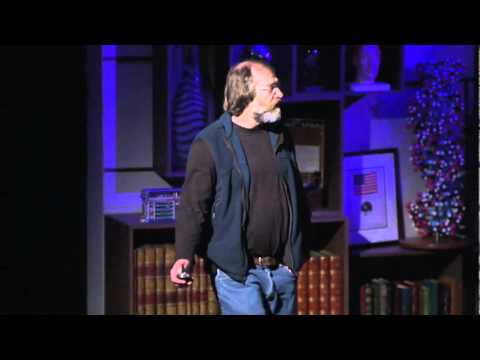
Yuting Kuang posted on 2013/12/26Ever wondered how mushrooms could help save the planet? This fascinating TED Talk dives into amazing fungal solutions for bioremediation and carbon sequestration, packed with advanced vocabulary you'll love to learn! You'll gain incredible knowledge about mycelium and conservation while boosting your English skills.
Learn this video on the APP!
The VoiceTube App has more in-depth practice for videos!