smallpox
US /ˈsmɔlˌpɑks/
・UK /ˈsmɔ:lpɒks/
C1
n.NounContagious disease with pimples that leave scars
Vaccinations have helped to eliminate smallpox worldwide
Video subtitles
How the “lost cities” of the Amazon were finally found

- Fawcett didn't find large populations of indigenous people because an estimated 80 to 95 percent had died from smallpox and measles, spread by the first generation of European colonizers between the 16th and 17th centuries.
Fawcett didn't find large populations of indigenous people because an estimated 80 to 95 percent had died from smallpox and measles, spread by the first generation of European colonizers between the 16th and 17th centuries.
- because an estimated 80-95% had died from smallpox and measles
because an estimated 80-95% had died from smallpox and measles
What's the Truth About the First Thanksgiving?

- But the former inhabitants had perished during three years of plague—probably smallpox—that immediately preceded the Pilgrims' arrival.
But the former inhabitants had perished during three years of plague—probably smallpox—that immediately preceded the Pilgrims' arrival.
How One Of Japan's Oldest Businesses Has Served Roasted Mochi For Over 1,000 Years | Still Standing

- The shop has survived fires, civil and world wars, and even smallpox epidemics.
The shop has survived fires, civil and world wars, and even smallpox epidemics.
- The shop has survived fires, civil and world wars, and even smallpox epidemics.
The shop has survived fires, civil and world wars, and even smallpox epidemics.
Top 10 Weapons So Powerful They're Illegal & Prohibited Worldwide

- This refers to tweaking the genetic structure of viruses such as anthrax and smallpox, making them even more lethal, potentially triggering two diseases at once.
This refers to tweaking the genetic structure of viruses such as anthrax and smallpox, making them even more lethal, potentially triggering two diseases at once.
- For example, the Soviet Union's Chimera Project studied the feasibility of combining smallpox and Ebola into one supervirus back in the late 1980s.
For example, the Soviet Union's Chimera Project studied the feasibility of combining smallpox and Ebola into one supervirus back in the late 1980s.
The Natives and the English - Crash Course US History #3

- I mean, you know, post-smallpox.
I mean, you know, post-smallpox.
- and for a while both the English and the Indians were better off for these interactions—I mean, you know, post-Smallpox.
and for a while both the English and the Indians were better off for these interactions—I mean, you know, post-Smallpox.
3 People Who Probably Saved Your Life
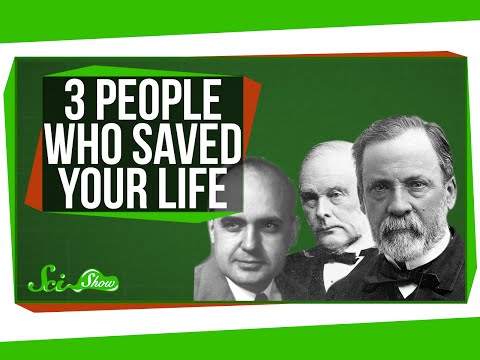
- The doctor Edward Jenner, who died about a month after Pasteur was born, had already discovered the smallpox vaccine in the late 1790s.
The doctor Edward Jenner, who died about a month after Pasteur was born, had already discovered the smallpox vaccine in the late 1790s.
- already discovered the smallpox vaccine in the late 1790s.
already discovered the smallpox vaccine in the late 1790s.
Most Alcohol-Crazy Creatures of Japanese Folklore
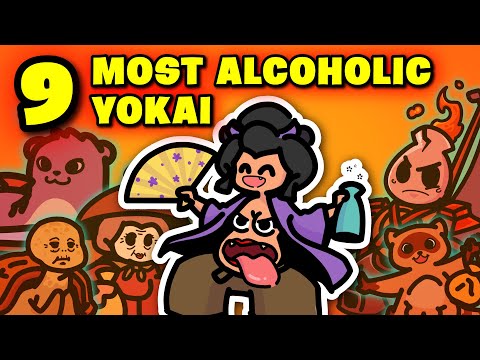
- Back in the day before vaccines, people thought the Amazake Baba infected you with smallpox.
Back in the day before vaccines, people thought the Amazake Baba infected you with smallpox.
- Now, smallpox used to be such a big killer people had to make it less scary by giving it a cute name.
Now, smallpox used to be such a big killer people had to make it less scary by giving it a cute name.
The actual problem with vaccines

- Smallpox, the only human disease to be considered completely eradicated.
Smallpox, the only human disease to be considered completely eradicated.
- That's not an exaggeration. 300 million people died of smallpox in the 20th century alone.
That's not an exaggeration. 300 million people died of smallpox in the 20th century alone.
The Shocking Reason Doctors HATED Washing Their Hands🧼
- some regions in Africa practiced variolation, which involved intentionally exposing healthy individuals to smallpox in the form of pus or dried scabs to induce a milder form of the disease, providing subsequent immunity.
some regions in Africa practiced variolation, which involved intentionally exposing healthy individuals to smallpox in the form of pus or dried scabs to induce a milder form of the disease, providing subsequent immunity.
- While this did offer some protection from severe smallpox, the success of variolation was incredibly varied, pun intended.
While this did offer some protection from severe smallpox, the success of variolation was incredibly varied, pun intended.
The evolutionary logic of survival and death, in 54 minutes | Sean B. Carroll: Full Interview

- One of the most notorious ones in human history is the smallpox virus, which killed hundreds of millions of people in human history and even tens of millions of people in the 20th century until we came up with a vaccine.
One of the most notorious ones in human history is the smallpox virus, which killed hundreds of millions of people in human history and even tens of millions of people in the 20th century until we came up with a vaccine.
- And that eradicated smallpox from the world so that now we don't even vaccinate for smallpox.
And that eradicated smallpox from the world so that now we don't even vaccinate for smallpox.