asteroid
US /ˈæstəˌrɔɪd/
・UK /ˈæstərɔɪd/
B2
n.NounVery small planets that move around the sun
Some scientists are concerned that a large asteroid could strike the Earth someday
Video subtitles
The Moons of Mars Explained -- Phobos & Deimos MM#2
- is that they were once part of the asteroid belt,
is that they were once part of the asteroid belt,
- is that they were once part of the asteroid belt,
is that they were once part of the asteroid belt,
2023, in 7 minutes

- And now NASA's first mission to deliver the largest sample collected from an asteroid to Earth.
And now NASA's first mission to deliver the largest sample collected from an asteroid to Earth.
- And now NASA's first mission to deliver the largest sample collected from an asteroid to Earth.
And now NASA's first mission to deliver the largest sample collected from an asteroid to Earth.
The 11 Greatest Threats To Humanity
- More imminent is an asteroid large enough to create a global catastrophe, which is estimated to occur every 120,000 years.
More imminent is an asteroid large enough to create a global catastrophe, which is estimated to occur every 120,000 years.
- More imminent is an asteroid large enough to
More imminent is an asteroid large enough to
The World in 2021: five stories to watch out for | The Economist

- From the launch of an asteroid-smashing spaceship to the event that could help the world turn a corner on climate change, here are five stories set to shape the post-COVID world.
From the launch of an asteroid-smashing spaceship to the event that could help the world turn a corner on climate change, here are five stories set to shape the post-COVID world.
- From the launch of an asteroid-smashing spaceship…
From the launch of an asteroid-smashing spaceship…
Antimatter in Sci-Fi Rundown
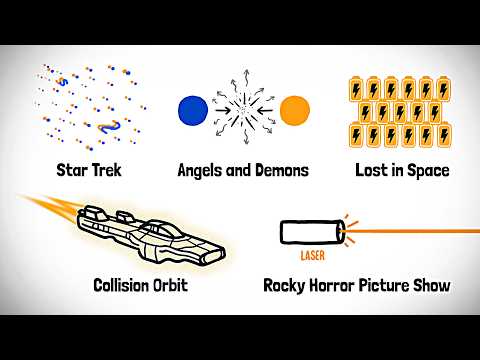
- If I found some antimatter out there, let's say an asteroid comes floating by and happens to be composed of antimatter, how would I know?
If I found some antimatter out there, let's say an asteroid comes floating by and happens to be composed of antimatter, how would I know?
- According to current theory, the atoms and molecules in that anti-asteroid would obey the same laws of physics.
According to current theory, the atoms and molecules in that anti-asteroid would obey the same laws of physics.
Grazed by the Apocalypse
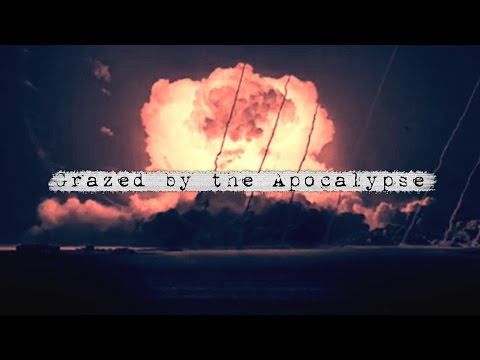
- The broad consensus is that an asteroid or comet less than 200 meters wide exploded a few kilometers above ground and produced a fireball as demonstrated in this simulation.
The broad consensus is that an asteroid or comet less than 200 meters wide exploded a few kilometers above ground and produced a fireball as demonstrated in this simulation.
- fattened by the event. The broad consensus is that
an asteroid or comet, less than 200 meters wide,
fattened by the event. The broad consensus is that an asteroid or comet, less than 200 meters wide,
Damascus, Powell, immigration and a Mars rock

- The three main types of meteorite, which come from Mars, were created when an asteroid or comet slammed into the red planet about 5 million years ago.
The three main types of meteorite, which come from Mars, were created when an asteroid or comet slammed into the red planet about 5 million years ago.
- The three main types of meteorite, which come from Mars, were created when an asteroid or comet slammed into the red planet about five million years ago.
The three main types of meteorite, which come from Mars, were created when an asteroid or comet slammed into the red planet about five million years ago.
ScienceCasts: Bright Explosion on the Moon

- These fireballs were traveling along nearly identical orbits between Earth and the asteroid belt.
These fireballs were traveling along nearly identical orbits between Earth and the asteroid belt.
- The rest are sporadic meteors, random bits of comet and asteroid debris of unknown parentage.
The rest are sporadic meteors, random bits of comet and asteroid debris of unknown parentage.
Crash Course Big History: The Solar System & the Earth
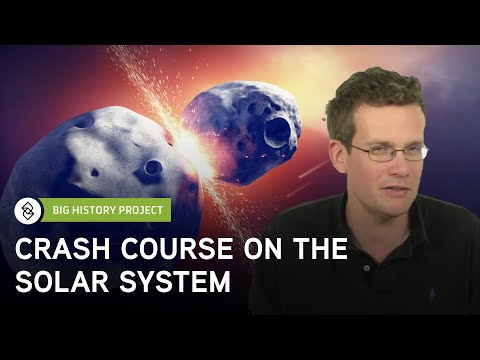
- There's an asteroid belt between Mars and Jupiter, for instance, which may be a failed planet messed up by Jupiter's gigantic gravitational pull.
There's an asteroid belt between Mars and Jupiter, for instance, which may be a failed planet messed up by Jupiter's gigantic gravitational pull.
- And unlike an asteroid, one can't go all Bruce Willis and blow up a supereruption with a nuke.
And unlike an asteroid, one can't go all Bruce Willis and blow up a supereruption with a nuke.
This Is What Will Happen in the Next Billion Years
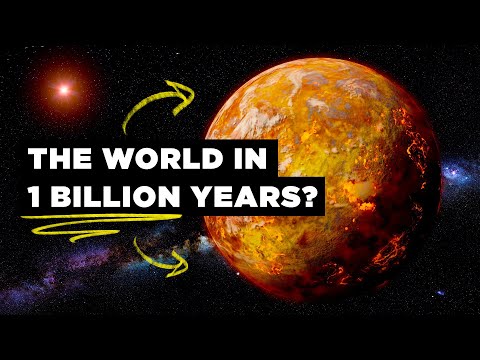
- In 500,000 years from now, Earth will have likely been struck by an asteroid measuring one kilometer in diameter unless humanity artificially prevents it.
In 500,000 years from now, Earth will have likely been struck by an asteroid measuring one kilometer in diameter unless humanity artificially prevents it.
- In 500,000 years from now, Earth will have likely been struck by an asteroid measuring 1 kilometer in diameter, unless humanity artificially prevents it.
In 500,000 years from now, Earth will have likely been struck by an asteroid measuring 1 kilometer in diameter, unless humanity artificially prevents it.