
annual
US /ˈænjuəl/
UK /ˈænjuəl/
- Adjective
- Happening once a year, or every year
- Noun
- Book (in a series) released each year
A2TOEICMorearound the world
US /əˈraʊnd ði wɜrld/
UK /əˈraund ðə wɜː(r)ld/
- Phrase
- In or to many countries.
- In various places throughout the world.
A2Moreattribute
US /əˈtrɪbjut/
UK /əˈtrɪbju:t/
- Transitive Verb
- (Of books, art, music) to say it was composed by
- Noun (Countable/Uncountable)
- Characteristic something has, e.g. size or color
B1TOEICMorebased on
US
UK
- Phrasal Verb
- To use something as the foundation or starting point for something else.
- Preposition
- Using something as the main idea or foundation.
- Relying on something as evidence or justification.
A1Morebill
US /bɪl/
UK /bɪl/
- Noun
- Plan for a new law being discussed by a government
- Sign or poster advertising something
- Transitive Verb
- To request payment by handing over an invoice
A2TOEICMorebracket
US /ˈbrækɪt/
UK /ˈbrækɪt/
- Noun (Countable/Uncountable)
- Placement of a word or words within ( ) [ or ]
- Category including a range of people/things
- Transitive Verb
- To place a word or words within ( ) [ or ]
- To put into the same category or range together
B2Morecheck out
US /tʃɛk aʊt/
UK /tʃek aut/
- Phrase
- Phrasal Verb
- To find out information about something
- To take books out of a library
A1Morecombine
US /kəmˈbaɪn/
UK /kəmˈbaɪn/
- Verb (Transitive/Intransitive)
- To mix several things together to form one thing
- To harvest by means of a combine.
- Noun (Countable/Uncountable)
- A harvesting machine for cutting, threshing, and cleaning grain.
- A mixture of different things.
A2Morecomplexity
US /kəmˈplɛksɪti/
UK /kəm'pleksətɪ/
- Uncountable Noun
- State of having many parts and not being simple
- A factor or element that makes something complicated.
B1Moredepend
US /dɪˈpend/
UK /dɪˈpend/
- Verb (Transitive/Intransitive)
- Be controlled or determined by (someone/something)
- To rely on someone or something for support, help, or existence.
B1TOEICMorediscover
US /dɪˈskʌvɚ/
UK /dɪˈskʌvə(r)/
- Transitive Verb
- To find something new that was not known before
- To learn or find out (something previously unknown or secret).
A2TOEICMoredisease
US /dɪˈziz/
UK /dɪˈzi:z/
- Noun (Countable/Uncountable)
- Illness that affects a person, animal, or plant
- A disorder of structure or function in a plant, especially one caused by a pathogen.
- Transitive Verb
- To affect with disease; to corrupt or sicken.
A2TOEICMoredna
US
UK
- Noun (Countable/Uncountable)
- Chemical in living cells with genetic information
B2Moredramatically
US /drəˈmætɪkl:ɪ/
UK /drə'mætɪklɪ/
- Adverb
- In a sudden or extreme manner
- In a theatrical or exaggerated manner.
B1Moredrug
US /drʌɡ/
UK /drʌɡ/
- Noun (Countable/Uncountable)
- Illegal substance taken for effect on the mind
- Chemical used as a medicine
- Transitive Verb
- To give drugs to someone to make them sleep
A2Moredue to
US /du tu/
UK /dju: tu:/
- Preposition
- Because of; owing to
- Adjective
- Attributable to; caused by.
A1Moreencounter
US /ɛnˈkaʊntɚ/
UK /ɪn'kaʊntə(r)/
- Verb (Transitive/Intransitive)
- To come up against a problem or trouble; meet
- To meet someone or something unexpectedly
- Noun
- A chance meeting; unexpected or unplanned meeting
B1TOEICMorefascinating
US /ˈfæsəˌnetɪŋ/
UK /ˈfæsɪneɪtɪŋ/
- Transitive Verb
- To attract or interest greatly
- To hold someone captive with a gaze or other means.
- Adjective
- Having your attention fixated as though by a spell
B1Moregene
US /dʒin/
UK /dʒi:n/
- Noun
- Part of cell controlling development of a thing
B1Morein fact
US /ɪn fækt/
UK /in fækt/
- Adverb
- Used to emphasize the truth of a statement, especially one that contrasts with or contradicts something else.
- Used to introduce a more detailed or surprising piece of information.
- Phrase
- Used to emphasize the truth of a statement, especially one that is surprising or contrary to what might be expected.
C1Morein reverse
US /ɪn rɪˈvɚs/
UK /in riˈvə:s/
- Adverb
- In the opposite direction.
- In the opposite order.
- Phrase
- Moving or operating backwards.
- With the sequence inverted.
B2Morein the future
US /ɪn ði ˈfjutʃɚ/
UK /in ðə ˈfju:tʃə/
- Phrase
- At a later time; in times to come.
A1Moreinfluenza
US /ˌɪnflʊ'enzə/
UK /ˌɪnfluˈenzə/
- Noun
- Full name for the 'flu'
B2Morelicense
US /ˈlaɪsəns/
UK /ˈlaɪsns/
- Transitive Verb
- To give official permission to do something
- Uncountable Noun
- Freedom to do what you want or act as you want
B1TOEICMoremalaria
US /məˈlɛriə/
UK /məˈleəriə/
- Noun
- Disease caused by being bitten by a mosquito
B2Moremineral
US /ˈmɪnərəl/
UK /'mɪnərəl/
- Noun (Countable/Uncountable)
- Substance naturally formed in the ground
B1Moreobsolete
US /ˌɑ:bsəˈli:t/
UK /ˈɒbsəli:t/
- Adjective
- Not used anymore because something newer exists
- No longer useful because it has been replaced by something newer and better.
B1TOEICMoreobtain
US /əbˈtein/
UK /əbˈteɪn/
- Transitive Verb
- To be given or to earn something through efforts
- To get something through your efforts
A2TOEICMoreoccur
US /əˈkɚ/
UK /əˈkɜ:(r)/
- Intransitive Verb
- To come to pass or to happen
- To be found to exist; to be present.
A2TOEICMoreoverdose
US / ˈovɚˈdos/
UK /'əʊvədəʊs/
- Intransitive Verb
- To take too many drugs, so that you might die
- Noun
- Taking too many drugs, so that you might die
B2Moreoverwhelmingly
US /ˌovɚˈhwɛlmɪŋlɪ/
UK /ˌəʊvə'welmɪŋlɪ/
- Adjective
- So it cannot be resisted
- Adverb
- To a very great degree or extent
- In a way that is very great or very strong
B2Moreparasite
US /ˈpærəˌsaɪt/
UK /'pærəsaɪt/
- Noun (Countable/Uncountable)
- Small animal or plant living off a bigger one
- One who depends on someone else, without working
B2Moreparasitic
US /ˌpærəˈsɪtɪk/
UK /ˌpærəˈsɪtɪk/
- Adjective
- Living on larger plant/animal and dependent on it
- Exploiting or preying on others; living off another's resources.
B2Morepopulation
US /ˌpɑpjəˈleʃən/
UK /ˌpɒpjuˈleɪʃn/
- Noun (Countable/Uncountable)
- Number of people who live in a country, area etc.
- A group of individuals of one species living in a particular area.
A2TOEICMorepremature
US /ˌpri:məˈtʃʊr/
UK /ˈpremətʃə(r)/
- Adjective
- Happening before the natural or desired time
B2TOEICMorerelate
US /rɪˈlet/
UK /rɪ'leɪt/
- Transitive Verb
- To demonstrate a logical relationship between
- To understand or sympathize with, e.g. a problem
A2TOEICMorereverse
US /rɪˈvɚs/
UK /rɪ'vɜ:s/
- Noun
- Setting that makes the vehicle go backward
- Instance of a significant change, for the worse
- Verb (Transitive/Intransitive)
- To drive a vehicle backward
- To change to an opposite state, way or condition
B1TOEICMorescience
US /ˈsaɪəns/
UK /'saɪəns/
- Uncountable Noun
- Study of the physical world, based on facts
A2TOEICMoreseatbelt
US /si:tbelt/
UK /si:tbelt/
- Countable Noun
- Strong belt in a car to hold you in your seat
C2Moresolution
US /səˈluʃən/
UK /səˈlu:ʃn/
- Noun (Countable/Uncountable)
- Mix of a liquid and a solid or a gas
- Way to solve or deal with a problem
A2Moresponsor
US /ˈspɑ:nsə(r)/
UK /ˈspɒnsə(r)/
- Noun
- Person that supports the passage of a new law
- Person giving money for someone's education
- Transitive Verb
- To support the passage of a new law
- To help someone succeed by giving them money
B1TOEICMoresubmit
US /səbˈmɪt/
UK /səbˈmɪt/
- Intransitive Verb
- To accept a superior force has power over you
A2TOEICMorethe leading cause
US
UK
- Phrase
- The most significant or primary reason for something.
A1Moretoll
US /tol/
UK /təʊl/
- Noun (Countable/Uncountable)
- Sound that a big bell makes, when it is rung
- Number of people hurt or killed in a disaster
- Intransitive Verb
- (Bell) to ring in a slow, loud and repeated way
B2TOEICMoretragic
US /ˈtrædʒɪk/
UK /ˈtrædʒɪk/
- Adjective
- (Of a play, movie, or book) with a sad ending
- Causing great sadness, e.g. due to untimely death
B1Moretransmit
US /trænsˈmɪt, trænz-/
UK /trænsˈmɪt/
- Transitive Verb
- To broadcast by using signals to a radio/TV
- To broadcast by using signals to a radio/TV
B1Moretriple
US /ˈtrɪpəl/
UK /ˈtrɪpl/
- Noun
- Group or set of three
- A hit in baseball that enables the batter to reach third base.
- Transitive Verb
- To multiply by three; to increase threefold.
B2Morevaccine
US /vækˈsin,ˈvækˌsin/
UK /'væksi:n/
- Noun (Countable/Uncountable)
- Shot using weak disease cells to stop same disease
- A preparation of weakened or killed microorganisms, or of antigenic proteins derived from them, used to induce protective immunity in animals.
B2Morevariety
US /vəˈraɪɪti/
UK /və'raɪətɪ/
- Noun
- Particular type of thing or person
- The quality or state of being different or diverse; the absence of uniformity, sameness, or monotony.
A2TOEICMorevehicle
US /ˈvi:hɪkl/
UK /ˈvi:əkl/
- Noun (Countable/Uncountable)
- Machine (such as a car) used to carry things
- Means of expressing, showing, or achieving
A2TOEICMorevoluntarily
US /ˌvɑ:lənˈterəli/
UK /ˈvɒləntrəli/
- Adverb
- Of your own free will; not because you were forced
C1Moreworldwide
US /ˈwɚldˈwaɪd/
UK /ˈwɜ:ldwaɪd/
- Adjective
- Spanning or extending throughout the entire world
- Adverb
- Extending or reaching throughout the whole world.
B1More
Vocabulary
- the leading cause: The most significant or primary reason for something.
- in fact: Used to emphasize the truth of a statement, especially one that contrasts with or contradicts something else.
- due to: Because of; owing to
- based on: To use something as the foundation or starting point for something else.
- in reverse: In the opposite direction.
- around the world: In or to many countries.
- in the future: At a later time; in times to come.
- check out
- fascinating: To attract or interest greatly
- encounter: To come up against a problem or trouble; meet
- develop: To explain something in steps and in detail
- variety: Particular type of thing or person
- disease: Illness that affects a person, animal, or plant
- increase: To make or become larger in size or amount
- reverse: Setting that makes the vehicle go backward
- toll: Sound that a big bell makes, when it is rung
- occur: To come to pass or to happen
- premature: Happening before the natural or desired time
- dramatically: In a sudden or extreme manner
- vaccine: Shot using weak disease cells to stop same disease
- population: Number of people who live in a country, area etc.
- obsolete: Not used anymore because something newer exists
- account: An advantage
- risk: To do something potentially dangerous or foolish
- drop: Distance between a higher and a lower level
- due: When something is required or expected
- attribute: (Of books, art, music) to say it was composed by
- tragic: (Of a play, movie, or book) with a sad ending
- lead: Wire for electricity, computer, etc.; cable
- relate: To demonstrate a logical relationship between
- vehicle: Machine (such as a car) used to carry things
- solution: Mix of a liquid and a solid or a gas
- strange: Unusual or odd; surprising because unexpected
- combine: To mix several things together to form one thing
- submit: To accept a superior force has power over you
- annual: Happening once a year, or every year
- depend: Be controlled or determined by (someone/something)
- science: Study of the physical world, based on facts
- obtain: To be given or to earn something through efforts
- mineral: Substance naturally formed in the ground
- bill: Plan for a new law being discussed by a government
- important: Having power or authority
- malaria: Disease caused by being bitten by a mosquito
- fact: Something that is known or proved to be true
- complexity: State of having many parts and not being simple
- crash: To damage an object by causing it to hit something
- promise: To say you will certainly do something
- worldwide: Spanning or extending throughout the entire world
- parasite: Small animal or plant living off a bigger one
- accident: Sudden unplanned event causing damage, injury etc.
- sponsor: Person that supports the passage of a new law
- transmit: To broadcast by using signals to a radio/TV
- overdose: To take too many drugs, so that you might die
- drug: Illegal substance taken for effect on the mind
- discover: To find something new that was not known before
- license: To give official permission to do something
- grow: To get bigger and more mature; make plants do this
- include: To make someone, something part of a group
- voluntarily: Of your own free will; not because you were forced
- overwhelmingly: So it cannot be resisted
- gene: Part of cell controlling development of a thing
- bracket: Placement of a word or words within ( ) [ or ]
- influenza: Full name for the 'flu'
- parasitic: Living on larger plant/animal and dependent on it
- triple: Group or set of three
- seatbelt: Strong belt in a car to hold you in your seat
- dna: Chemical in living cells with genetic information
Get the full experience in the app
Learn anywhere with detailed sentence and usage analysis
01:03
She took a brave step forward, leaving behind her comfort zone to chase her dreams.
Vocabulary
- brave
adj. Having courage
- comfort zone
phr. A familiar situation where one feels safe
Explanation
a brave step is a noun phrase, where brave is an adjective modifying the noun step, meaning "a courageous step".
forward is an adverb modifying step, meaning "ahead".
The whole phrase serves as the object, answering the "what" of took (verb) — she took a brave step forward.
Get the full experience in the app
Look up words anytime with pronunciation, part of speech, and usage
brave
US/brev/
UK/breɪv/
adj.Brave
v.t.To bravely face
A2 Elementary
Get the full experience in the app
Practice speaking anytime and get instant pronunciation feedback
Try this speaking exercise.
Try practicing with this sentence.
80
0
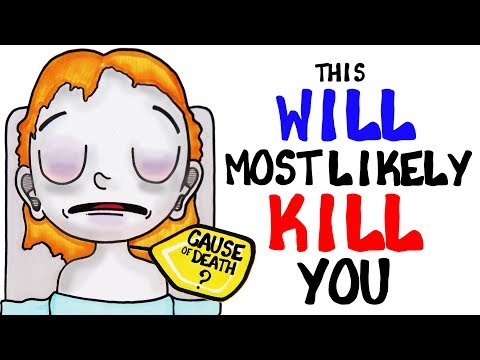
Taka posted on 2020/02/11Ever wondered what's most likely to get you? This fascinating video dives into the surprising causes of death across different age groups, from teen driving to heart disease, using data-driven insights. You'll pick up advanced vocabulary and gain a deeper understanding of global health issues!
Learn this video on the APP!
The VoiceTube App has more in-depth practice for videos!