
abstract
US /ˈæbˌstrækt/
UK /'æbstrækt/
- Noun (Countable/Uncountable)
- Passage of text from an article or book
- Something that doesn't exist physically
- Adjective
- Concerning something that doesn't exist physically
- Relating to abstract art.
B1Moreas such
US /æz sʌtʃ/
UK /æz sʌtʃ/
- Pronoun
- Something previously stated or understood
A1Moreas we know it
US /əz wi no ɪt/
UK /əz wi nəu ɪt/
- other
- In the form or way commonly understood or accepted.
B2Moreaudience
US /ˈɔdiəns/
UK /ˈɔ:diəns/
- Noun (Countable/Uncountable)
- Group of people attending a play, movie etc.
A2TOEICMorebalcony
US /ˈbælkəni/
UK /'bælkənɪ/
- Noun
- Platform with a rail projecting out of a building
B1Morebased on
US
UK
- Phrasal Verb
- To use something as the foundation or starting point for something else.
- Preposition
- Using something as the main idea or foundation.
- Relying on something as evidence or justification.
A1Morecaptain
US /ˈkæptən/
UK /'kæptɪn/
- Noun
- Title of a senior officer in the military
- Person in charge of a team, a ship or an airplane
- Transitive Verb
- To be in charge of a team, ship or airplane
B1Morecharacter
US /ˈkærəktɚ/
UK /'kærəktə(r)/
- Noun
- Person in a story, movie or play
- Writing symbols, e.g. alphabet or Chinese writing
A2Moreclue
US /klu/
UK /klu:/
- Noun
- Information that helps explain something; hint
B1Morecollaboration
US /kəˌlæbəˈreɪʃn/
UK /kəˌlæbəˈreɪʃn/
- Uncountable Noun
- Act of working with someone to complete a task
B1Moreconsequence
US /ˈkɑnsɪˌkwɛns,-kwəns/
UK /ˈkɔnsikwəns/
- Noun (Countable/Uncountable)
- Importance of a person or thing
- Outcome of an event; result
A2Moreconvince
US /kənˈvɪns/
UK /kən'vɪns/
- Transitive Verb
- To persuade someone, or make them feel sure
A2TOEICMoredeal with
US /dil wɪð/
UK /di:l wið/
- Verb (Transitive/Intransitive)
- To buy or sell goods or services.
- Phrasal Verb
- To take action to solve a problem or manage a situation.
- To be about; concern.
A1Moredefine
US /dɪˈfaɪn/
UK /dɪ'faɪn/
- Transitive Verb
- To explain the meaning of words
- To set or mark the limits of something
A2TOEICMoredepending on
US
UK
- Phrasal Verb
- To rely on for support (financial or emotional)
- Influenced or determined by.
- Preposition
- Subject to; contingent on
- Relying on someone or something for support or assistance.
A2Moredetermine
US /dɪˈtɚmɪn/
UK /dɪ'tɜ:mɪn/
- Transitive Verb
- To control exactly how something will be or act
- To establish the facts about; discover
A2TOEICMoredimension
US /dɪˈmɛnʃən, daɪ-/
UK /daɪˈmenʃn/
- Noun (Countable/Uncountable)
- Number of planes (X, Y, Z axes) an object has
- Measurement in space, e.g. length or diameter
B1Moreemerge
US /ɪˈmɚdʒ/
UK /ɪ'mɜ:dʒ/
- Intransitive Verb
- To rise or appear out of some background
- To become known or apparent.
A2TOEICMoreemotional
US /ɪˈmoʃənəl/
UK /ɪˈməʊʃənl/
- Adjective
- Causing, feeling, or appealing to the emotions
- Relating to or characterized by emotion
A2Moreexperiment
US /ɪkˈspɛrəmənt/
UK /ɪk'sperɪmənt/
- Noun (Countable/Uncountable)
- Test performed to assess new ideas or theories
- A course of action tentatively adopted without being sure of the eventual outcome.
- Verb (Transitive/Intransitive)
- To create and perform tests to research something
- To try something new that you haven't tried before
A2TOEICMorefancy
US /ˈfænsi/
UK /'fænsɪ/
- Verb (Transitive/Intransitive)
- To want to have or do something; feel like
- To imagine or suppose that something will happen
- Adjective
- Unusual and attractive in design
A2TOEICMorefiction
US /ˈfɪkʃən/
UK /ˈfɪkʃn/
- Uncountable Noun
- Made-up stories; imagined events
- False statement or account about something
B1Moregot to
US /ɡɑt tu/
UK /gɔt tu:/
- Verb (Transitive/Intransitive)
- To arrive at some place
- To have the opportunity or permission to do something
- Phrasal Verb
- To appeal to the emotions of; move
- To finally begin to start something after a delay
A1Morehave to
US /hæv tu/
UK /ˈhæv tə/
- Auxiliary Verb
- Must do
A1Morehostage
US /ˈhɑstɪdʒ/
UK /'hɒstɪdʒ/
- Countable Noun
- Person held prisoner to get a demand satisfied
B2Morein a state
US
UK
- Phrase
- In a particular condition or situation.
- In an emotional condition, often negative (e.g., panic, distress).
B2Morein advance
US /ɪn ædˈvæns/
UK /in ədˈvɑ:ns/
- Phrase
- Ahead of time; before something happens
- Noun
- A payment made before it is due, especially for work to be done
A2Morein control
US /ɪn kənˈtrol/
UK /in kənˈtrəul/
- Adjective
- Having the power to direct or regulate something; able to manage or direct a situation or person.
- Possessing self-restraint and the ability to manage one's own behavior and emotions.
- Phrase
- Having command or authority; managing effectively.
C1Morein the end
US /ɪn ði ɛnd/
UK /in ðə end/
- Phrase
- Finally; after a period of time or series of events.
- Ultimately; as the final result or consequence.
A1Morein the past
US
UK
- Phrase
- During a former period of time; previously.
A1Morein the shoes of
US /ɪn ðə ˈʃuz ʌv/
UK /in ðə ˈʃu:z ɔv/
- other
- Considering someone else's situation or feelings.
B2Morein the way
US /ɪn ði we/
UK /in ðə wei/
- Phrase
- Obstructing someone or something; hindering progress.
- Stored or placed so as to be available or ready when needed.
A1Morein the world
US /ɪn ði wɜrld/
UK /in ðə wɜː(r)ld/
- Phrase
- Used to emphasize a question expressing surprise, confusion, disbelief
- Used to indicate the extent or degree of something, often in a superlative sense
A1Moreinteract
US /ˌɪntɚˈækt/
UK /ˌɪntər'ækt/
- Intransitive Verb
- To talk or do things with each other
A2Moreinteract with
US /ˌɪntɚˈækt wɪð/
UK /ˌɪntərˈækt wið/
- Phrase
- Verb (Transitive/Intransitive)
- To engage in communication or action involving mutual or reciprocal influence.
- To use a computer interface to achieve a specific goal.
A2Morelandscape
US /ˈlændˌskep/
UK /'lændskeɪp/
- Noun
- Area or scene of activity, especially in politics
- Picture of natural scenery in a place
- Transitive Verb
- To make gardens that improve an area of land
B1TOEICMorelook around
US /lʊk əˈraʊnd/
UK /luk əˈraund/
- Phrasal Verb
- To explore a place; search for something.
A1Moremimic
US /ˈmɪmɪk/
UK /'mɪmɪk/
- Countable Noun
- Someone who tries to act like another person
- Transitive Verb
- To copy a person's words/actions to amuse people
B2Moremove on
US /muv ɑn/
UK /mu:v ɔn/
- Phrasal Verb
- To decide to change or go to a different place
- To start talking about something different.
A1Morenarrative
US /ˈnærətɪv/
UK /ˈnærətɪv/
- Noun (Countable/Uncountable)
- The telling of a story
- A spoken or written account of connected events; a story.
- Adjective
- Presented in the form of a story
B1Morenotion
US /ˈnoʃən/
UK /ˈnəuʃən/
- Noun
- Sudden idea or desire to do something
B1TOEICMoreof course
US /ʌv kɔː(r)s/
UK /ɔv kɔː(r)s/
- Adverb
- Sure ; Certainly
- Phrase
- For sure; certainly
A2Moreon the ground
US
UK
- Phrase
- Located on the surface of the earth.
- Present and available in a particular place, especially to deal with a situation.
on the phone
US
UK
- Phrase
- Talking on the telephone.
- Adjective
- Using a phone, especially a mobile phone.
A1Morepressure
US /ˈprɛʃɚ/
UK /'preʃə(r)/
- Noun (Countable/Uncountable)
- Anxiety caused by difficult problems
- Force, weight when pressing against a thing
- Transitive Verb
- To apply force to something
- To persuade or force someone to do something
A2TOEICMorerather than
US
UK
- Adverb
- More exactly; more correctly
- Preferably; instead
- Preposition
- Instead of
A1Morerecognize
US /ˈrek.əɡ.naɪz/
UK /ˈrek.əɡ.naɪz/
- Transitive Verb
- To accept the truth or reality of something
- To consider something as important or special
A2TOEICMorereproduce
US /ˌriprəˈdus, -ˈdjus/
UK /ˌri:prə'dju:s/
- Verb (Transitive/Intransitive)
- To make a copy of something
- To have children/young; grow roots/new plants
B1Morerevolution
US /ˌrɛvəˈluʃən/
UK /ˌrevə'lu:ʃn/
- Noun
- When a group overthrows an existing government
- Sudden or significant change in something
B1Morescene
US /sin/
UK /si:n/
- Noun
- Incident where someone behaves angrily, badly
- View that looks like a picture
A2TOEICMorescript
US /skrɪpt/
UK /skrɪpt/
- Noun (Countable/Uncountable)
- Written text of a book, play, film, or speech
- Set of letters or characters of a written language
- Transitive Verb
- To write a text for a movie, play or speech
B1Moreswat
US /swɑt/
UK /swɒt/
- Transitive Verb
- To hit, slap, or smack, e.g. so as to kill a fly
C1Moretablet
US /ˈtæblɪt/
UK /'tæblət/
- Noun (Countable/Uncountable)
- Small hand-held computer with a touch screen
- Small round piece of medicine which is swallowed
B2Moretheory
US /ˈθiəri, ˈθɪri/
UK /ˈθiəri/
- Noun (Countable/Uncountable)
- Ideas or principles that explain facts or events
- An idea or belief about something
A2TOEICMorethink about
US /θɪŋk əˈbaʊt/
UK /θiŋk əˈbaut/
- Phrasal Verb
- To consider something carefully.
- To remember or call to mind.
A1Moretragedy
US /ˈtrædʒɪdi/
UK /'trædʒədɪ/
- Noun
- Play that has a sad ending with many deaths
- Very sad event that usually involves death
B1Morevirtual
US /ˈvɚtʃuəl/
UK /ˈvɜ:tʃuəl/
- Adjective
- Existing only on the internet or on a computer
- Existing only in a digital world
B1TOEICMorewalk around
US
UK
- Phrasal Verb
- To stroll or wander in a leisurely way.
- To move about in order to inspect something.
A2Morewith time
US
UK
- Phrase
- As time passes; eventually.
- Given enough time; in the course of time.
A1More
Vocabulary
- deal with
- in the shoes of: Considering someone else's situation or feelings.
- in control: Having the power to direct or regulate something; able to manage or direct a situation or person.
- with time: As time passes; eventually.
- as we know it: In the form or way commonly understood or accepted.
- in advance: Ahead of time; before something happens
- in the past: During a former period of time; previously.
- rather than: More exactly; more correctly
- based on: To use something as the foundation or starting point for something else.
- look around: To explore a place; search for something.
- walk around: To stroll or wander in a leisurely way.
- interact with
- on the ground: Located on the surface of the earth.
- move on: To decide to change or go to a different place
- got to: To arrive at some place
- of course: Sure ; Certainly
- in a state: In a particular condition or situation.
- on the phone: Talking on the telephone.
- in the world: Used to emphasize a question expressing surprise, confusion, disbelief
- depending on: To rely on for support (financial or emotional)
- have to: Must do
- think about: To consider something carefully.
- in the end: Finally; after a period of time or series of events.
- in the way: Obstructing someone or something; hindering progress.
- as such: Something previously stated or understood
- recognize: To accept the truth or reality of something
- determine: To control exactly how something will be or act
- experience: Thing a person has done or that happened to them
- character: Person in a story, movie or play
- consequence: Importance of a person or thing
- convince: To persuade someone, or make them feel sure
- audience: Group of people attending a play, movie etc.
- experiment: Test performed to assess new ideas or theories
- doubt: Not being sure of something; lack of certainty
- scene: Incident where someone behaves angrily, badly
- interact: To talk or do things with each other
- fancy: To want to have or do something; feel like
- script: Written text of a book, play, film, or speech
- emotional: Causing, feeling, or appealing to the emotions
- abstract: Passage of text from an article or book
- pressure: Anxiety caused by difficult problems
- narrative: The telling of a story
- notion: Sudden idea or desire to do something
- mimic: Someone who tries to act like another person
- clue: Information that helps explain something; hint
- theory: Ideas or principles that explain facts or events
- deal: To cope with something - usually troubles
- virtual: Existing only on the internet or on a computer
- emerge: To rise or appear out of some background
- collaboration: Act of working with someone to complete a task
- behavior: The way a person or thing acts; manner
- define: To explain the meaning of words
- form: Sports team or person's current winning record
- fiction: Made-up stories; imagined events
- tragedy: Play that has a sad ending with many deaths
- landscape: Area or scene of activity, especially in politics
- revolution: When a group overthrows an existing government
- hostage: Person held prisoner to get a demand satisfied
- control: A device designed to operate a machine
- learn: To get knowledge or skills by study or experience
- balcony: Platform with a rail projecting out of a building
- dimension: Number of planes (X, Y, Z axes) an object has
- captain: Title of a senior officer in the military
- space: Empty area kept for a specific reason, like a car
- reproduce: To make a copy of something
- make: To arrange or prepare something e.g. dinner
- remember: To give someone a gift, e.g. birthday, wedding
- bore: To accept (responsibilities or duties)
- choice: Decision between two or more possibilities
- tablet: Small hand-held computer with a touch screen
- human: A person; a man, woman or child
- life: All the living things e.g. animals, plants, humans
- happen: To take place or occur
- swat: To hit, slap, or smack, e.g. so as to kill a fly
Get the full experience in the app
Learn anywhere with detailed sentence and usage analysis
01:03
She took a brave step forward, leaving behind her comfort zone to chase her dreams.
Vocabulary
- brave
adj. Having courage
- comfort zone
phr. A familiar situation where one feels safe
Explanation
a brave step is a noun phrase, where brave is an adjective modifying the noun step, meaning "a courageous step".
forward is an adverb modifying step, meaning "ahead".
The whole phrase serves as the object, answering the "what" of took (verb) — she took a brave step forward.
Get the full experience in the app
Look up words anytime with pronunciation, part of speech, and usage
brave
US/brev/
UK/breɪv/
adj.Brave
v.t.To bravely face
A2 Elementary
Get the full experience in the app
Practice speaking anytime and get instant pronunciation feedback
Try this speaking exercise.
Try practicing with this sentence.
80
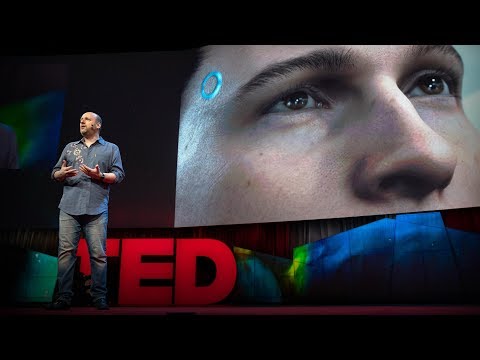
【TED】David Cage: How video games turn players into storytellers (How video games turn players into storytellers | David Cage)
0
林宜悉 posted on 2018/12/12Ever wondered how video games make you feel like you're truly in control of the story? David Cage dives into the fascinating world of interactive storytelling and how games like 'Detroit: Become Human' give players agency. You'll discover how narrative design creates immersive experiences and pick up some great vocabulary along the way!
Learn this video on the APP!
The VoiceTube App has more in-depth practice for videos!