narrative
US /ˈnærətɪv/
・UK /ˈnærətɪv/
B1
n. (c./u.)Noun (Countable/Uncountable)The telling of a story
This narrative of your life is actually quite interesting
adj.AdjectivePresented in the form of a story
His narrative writing style makes the readers feel like they are part of the story
n. (c./u.)Noun (Countable/Uncountable)A spoken or written account of connected events; a story.
The narrative of her life is truly inspiring.
n. (c./u.)Noun (Countable/Uncountable)The way in which a story is told.
The film employs a non-linear narrative.
n. (c./u.)Noun (Countable/Uncountable)A commentary or analysis of events.
The news report included a narrative from an eyewitness.
Video subtitles
How About That...

- Emma Gray Ellis, may I just say that if you're gonna call someone a hero to the Nazis, y-you may wanna double-check if that's true or not, because afterwards you can't go, "Lol, just kidding." The amount of cherry-picking that the media came out with after this whole thing to prove this narrative that I am somehow an anti-Semite was, uh, beautiful.
Emma Gray Ellis, may I just say that if you're gonna call someone a hero to the Nazis, y-you may wanna double-check if that's true or not, because afterwards you can't go, "Lol, just kidding." The amount of cherry-picking that the media came out with after this whole thing to prove this narrative that I am somehow an anti-Semite was, uh, beautiful.
- to prove this narrative that I'm somehow an anti-semite
to prove this narrative that I'm somehow an anti-semite
Woke Jesus

- Get your copy now at lucasmiles.org/bee—that's lucasmiles.org/beee—and discover the truth behind the false narrative shaping our pulpits.
Get your copy now at lucasmiles.org/bee—that's lucasmiles.org/beee—and discover the truth behind the false narrative shaping our pulpits.
- And discover the truth behind the false narrative shaping our pulpits.
And discover the truth behind the false narrative shaping our pulpits.
Is The Golden Age Of Remote Work Over?

- If you're coming with the stack to protect yourself, to put the positive narrative for people to return to work, I'd like to think, what were the productivity like when people were all working from home, when you're not allowed to have any face-to-face worker at all, right?
If you're coming with the stack to protect yourself, to put the positive narrative for people to return to work, I'd like to think, what were the productivity like when people were all working from home, when you're not allowed to have any face-to-face worker at all, right?
- If you're coming with the stack to protect yourself, to put the positive narrative for people to return to work, I'd like to think, what were the productivity like when people were all working from home, when you're not allowed to have any face-to-face worker at all, right?
If you're coming with the stack to protect yourself, to put the positive narrative for people to return to work, I'd like to think, what were the productivity like when people were all working from home, when you're not allowed to have any face-to-face worker at all, right?
What to do if your inner voice is cruel | Ethan Kross

- Many of us turn our attention inward to come up with some narrative that explains our experiences
Many of us turn our attention inward to come up with some narrative that explains our experiences
- with some narrative that explains our experiences
with some narrative that explains our experiences
The Prestige: Hiding In Plain Sight
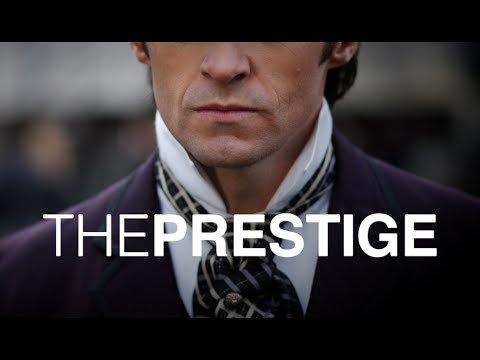
- If there's one fundamental theme that suffuses his entire filmography, it's that cinema, as a shared narrative, can be a hugely powerful cultural force.
If there's one fundamental theme that suffuses his entire filmography, it's that cinema, as a shared narrative, can be a hugely powerful cultural force.
- is that cinema, as a shared narrative,
is that cinema, as a shared narrative,
What's the Truth About the First Thanksgiving?

- This new narrative describes the Pilgrims as arrogant oppressors who fled persecution only to become persecutors themselves, depriving Native Americans of their land and their lives.
This new narrative describes the Pilgrims as arrogant oppressors who fled persecution only to become persecutors themselves, depriving Native Americans of their land and their lives.
Why going to the cinema is good for you | BBC Ideas

- Participants' heartbeats began to synchronise and match the narrative of the film - rising and falling with the exciting and emotional moments in the plot.
Participants' heartbeats began to synchronise and match the narrative of the film - rising and falling with the exciting and emotional moments in the plot.
The Life Changing Effect of Small Talk With Strangers
- comprehensive narrative will miss. There are single sentences that can mark us as much as
comprehensive narrative will miss. There are single sentences that can mark us as much as
The Story of: Gerhard Richter (1932–Today)

- Realism, and with reference to Socialist Realism, but also a label Richter wasn't too satisfied about. Richter was interested in current affairs, consumer society, new media and popular culture. He incorporated these elements into his painterly practice, depicting for instance televisions, design magazines, advertisements or political figures and events. This was the genesis of Richter's professional oeuvre, and photography was the starting point, something which used to be impossible with his academic background. He combined photography with his characteristic blurred effect, and immediately started to examine the relationship between both media, photography and painting, a true pillar within his artistic practice. The German artist was interested and fascinated by the dialectic relation between the objectivity and the subjectivity when painting photographs. For Richter, the photograph was the most perfect picture. He could eliminate conscious thinking, as the picture does not change, it is absolute, autonomous, unconditional and not linked to any style. With his blurred effect, he made everything equal, equally important and simultaneously equally unimportant. He was strongly drawn to depicting certain subjects from found photographic material. Think of military subjects, family portraits, images from newspapers or magazines. These selected images all have their very own narrative and motive to be painted, most often combining death or suffering, and its exploitation of death and suffering in media. From 1963 until 1964, Richter had his first exhibitions and commercial successes, collaborating with several galleries, and also collectors were starting to get really interested in his work and career. A landmark year for Gerhard Richter was 1966, for many reasons. The first, the birth of his daughter, Betty, whom he iconically painted in 1988. He also painted his wife
Realism, and with reference to Socialist Realism, but also a label Richter wasn't too satisfied about. Richter was interested in current affairs, consumer society, new media and popular culture. He incorporated these elements into his painterly practice, depicting for instance televisions, design magazines, advertisements or political figures and events. This was the genesis of Richter's professional oeuvre, and photography was the starting point, something which used to be impossible with his academic background. He combined photography with his characteristic blurred effect, and immediately started to examine the relationship between both media, photography and painting, a true pillar within his artistic practice. The German artist was interested and fascinated by the dialectic relation between the objectivity and the subjectivity when painting photographs. For Richter, the photograph was the most perfect picture. He could eliminate conscious thinking, as the picture does not change, it is absolute, autonomous, unconditional and not linked to any style. With his blurred effect, he made everything equal, equally important and simultaneously equally unimportant. He was strongly drawn to depicting certain subjects from found photographic material. Think of military subjects, family portraits, images from newspapers or magazines. These selected images all have their very own narrative and motive to be painted, most often combining death or suffering, and its exploitation of death and suffering in media. From 1963 until 1964, Richter had his first exhibitions and commercial successes, collaborating with several galleries, and also collectors were starting to get really interested in his work and career. A landmark year for Gerhard Richter was 1966, for many reasons. The first, the birth of his daughter, Betty, whom he iconically painted in 1988. He also painted his wife
- The selected images all have their very own narrative and motive to be painted, most often combining death or suffering and its exploitation of death and suffering in media.
The selected images all have their very own narrative and motive to be painted, most often combining death or suffering and its exploitation of death and suffering in media.
7 ideas that will make you unstoppable

- And when you have that narrative in your subconscious, the way you walk changes, the way you make eye contact with people changes, the way you treat yourself changes.
And when you have that narrative in your subconscious, the way you walk changes, the way you make eye contact with people changes, the way you treat yourself changes.
- I'm shouldering so much suffering so that I can be the best version of myself, so that I can be stronger, so I can treat myself with respect." And that narrative, treating yourself that way, completely transforms your existence.
I'm shouldering so much suffering so that I can be the best version of myself, so that I can be stronger, so I can treat myself with respect." And that narrative, treating yourself that way, completely transforms your existence.