
ability
US /əˈbɪlɪti/
UK /ə'bɪlətɪ/
- Noun (Countable/Uncountable)
- The power, resources or skill to do something
- A particular skill or talent.
A2TOEICMoreaddiction
US /əˈdɪkʃən/
UK /əˈdɪkʃn/
- Noun (Countable/Uncountable)
- Lack of control the overuse of something e.g. drugs
- A compulsive physiological need for a habit-forming substance.
B1TOEICMoreaddictive
US /əˈdɪktɪv/
UK /əˈdɪktɪv/
- Adjective
- Being powerless to stop doing or using something
B1Moreapplause
US /əˈplɔz/
UK /ə'plɔ:z/
- Noun (Countable/Uncountable)
- The sound made by clapping a performance or speech
B1Moreas such
US /æz sʌtʃ/
UK /æz sʌtʃ/
- Pronoun
- Something previously stated or understood
A1Moreat least
US /æt list/
UK /æt li:st/
- Adverb
- As a minimum
- Not less than
- Phrase
- No less than; at the minimum
- Used to indicate that something is positive in a bad situation.
C2Moreauthentically
US /ɔ:'θentɪklɪ/
UK /ɔ:'θentɪklɪ/
- Adverb
- In a manner showing it is real and not a copy
B1Moreautopilot
US /ˈɔ:toʊpaɪlət/
UK /ˈɔ:təʊpaɪlət/
- Noun
- (For ships, planes) automatic navigational device
C2Moreaversion
US /əˈvɜ:rʒn/
UK /əˈvɜ:ʃn/
- Noun (Countable/Uncountable)
- Strong feeling of dislike
B2TOEICMoreblink
US /blɪŋk/
UK /blɪŋk/
- Verb (Transitive/Intransitive)
- To close and open one or both of the eyes rapidly
- To shine with a flickering light.
- Noun
- A quick shutting and opening of the eye.
- A brief flash of light.
B1Moreby now
US /baɪ naʊ/
UK /bai nau/
- Phrase
- At the present time or already; before the present.
A2Morecentered around
US
UK
- Phrasal Verb
- To have (something) as the main subject or focus.
A2Morecompulsive
US /kəmˈpʌlsɪv/
UK /kəm'pʌlsɪv/
- Adjective
- Having difficulty to stop yourself doing something
- Acting as a result of an irresistible urge; addicted.
B2Morecompulsive behavior
US
UK
- Noun (Countable/Uncountable)
- Repetitive behaviors or mental acts that a person feels driven to perform in response to an obsession or according to rules that must be applied rigidly.
C2Moreconnection
US /kəˈnɛkʃən/
UK /kəˈnekʃn/
- Noun (Countable/Uncountable)
- Something that joins things together; being joined
- Person you know who can help you in some way
A2Moreconverge
US /kənˈvɚdʒ/
UK /kən'vɜ:dʒ/
- Intransitive Verb
- (E.g. of two roads) to come together
- If ideas, opinions, etc. converge, they gradually become similar.
B2Moreconvergence
US /kənˈvɚdʒəns/
UK /kən'vɜ:dʒəns/
- Uncountable Noun
- When two or more things come together
- The fact that two or more things gradually become similar.
C1Moreconversation
US /ˌkɑnvɚˈseʃən/
UK /ˌkɒnvəˈseɪʃn/
- Uncountable Noun
- Talking with other people; discussion or chat
- General communication or interaction.
A2Morecrisis
US /ˈkraɪsɪs/
UK /'kraɪsɪs/
- Noun (Countable/Uncountable)
- Unstable situation of extreme danger or difficulty
- A turning point in a disease.
B1Moredesolate
US /ˈdɛsəlɪt/
UK /'desələt/
- Transitive Verb
- To destroy a place
- Adjective
- Empty of life, usually of a place
B2Moredestruction
US /dɪˈstrʌkʃən/
UK /dɪ'strʌkʃn/
- Noun
- Act of destroying; damaging beyond repair
- The state of being destroyed or ruined.
B1TOEICMoredisease
US /dɪˈziz/
UK /dɪˈzi:z/
- Noun (Countable/Uncountable)
- Illness that affects a person, animal, or plant
- A disorder of structure or function in a plant, especially one caused by a pathogen.
- Transitive Verb
- To affect with disease; to corrupt or sicken.
A2TOEICMoreevidence of
US
UK
- Phrase
- Facts, objects, or signs that make you believe that something is true.
- Something that shows that something else exists or is true.
A1Morefeel like
US
UK
- Intransitive Verb
- To have a desire or inclination for something.
- To have a particular quality or sensation; resemble.
A1Morefor sure
US /fɔr ʃʊr/
UK /fɔ: ʃuə/
- Adverb
- Definitely; certainly; without a doubt.
- Used to emphasize a statement.
- Interjection
- An expression of strong agreement or affirmation.
A2Morefor the record
US /fɔr ði rɪˈkɚd/
UK /fɔ: ðə riˈkɔ:d/
- Phrase
- Said to ensure something is officially noted or remembered.
- To state something to ensure the correct information is known.
A1Morego find
US
UK
- Verb (Transitive/Intransitive)
- To search for and locate someone or something.
- An instruction to locate something.
A1Morehave to
US /hæv tu/
UK /ˈhæv tə/
- Auxiliary Verb
- Must do
A1Moreheroin
US /ˈheroʊɪn/
UK /ˈherəʊɪn/
- Uncountable Noun
- A highly addictive drug, a derivative of morphine
B2Moreimpulsive
US /ɪmˈpʌlsɪv/
UK /ɪmˈpʌlsɪv/
- Adjective
- Acting without really thinking about it; rash
- (Psychology) Relating to or characterized by a sudden, involuntary inclination to do something.
B2Morein a state
US
UK
- Phrase
- In a particular condition or situation.
- In an emotional condition, often negative (e.g., panic, distress).
B2Morein the final analysis
US /ɪn ðə ˈfaɪnəl əˈnæləsɪs/
UK /in ðə ˈfaɪnəl əˈnæləsɪs/
- other
- When everything is considered; ultimately.
C1Morein the past
US
UK
- Phrase
- During a former period of time; previously.
A1Moreinstead of
US /ɪnˈstɛd ʌv/
UK /inˈsted ɔv/
- Preposition
- When one thing is replaced by another
- Adverb
- As a substitute or alternative.
A1Moreinteraction
US /ˌɪntɚˈækʃən/
UK /ˌɪntər'ækʃn/
- Noun (Countable/Uncountable)
- Process of people or things affecting each other
- The activity of talking to other people, working together etc
A2Moreinterest of
US
UK
- Phrase
- For the benefit or advantage of someone or something.
- A feeling of wanting to know or learn about something or someone.
- Noun
- A legal share or right in something.
A1Moreinvolve
US /ɪnˈvɑlv/
UK /ɪn'vɒlv/
- Transitive Verb
- To have or be included as a part of something
- To cause (a person or group) to take part in an event or activity.
A2TOEICMoreirritable
US /ˈɪrɪtəbəl/
UK /ˈɪrɪtəbl/
- Adjective
- Annoyed; easily annoyed or angered
- Easily inflamed or sore.
B2Moreisolation
US /ˌaɪsəˈleʃən/
UK /ˌaɪsəˈleɪʃn/
- Uncountable Noun
- Condition of being in a distinct, separate place
- Process of separating things from other things
B1Morelicense
US /ˈlaɪsəns/
UK /ˈlaɪsns/
- Transitive Verb
- To give official permission to do something
- Uncountable Noun
- Freedom to do what you want or act as you want
B1TOEICMoreloneliness
US /ˈlonlɪnɪs/
UK /'ləʊnlɪnəs/
- Uncountable Noun
- State of feeling sad because you are alone
- A feeling of being isolated from others, even when surrounded by people.
B2Moremental
US /ˈmɛntl/
UK /ˈmentl/
- Adjective
- Concerning the mind
A2TOEICMoreno matter
US
UK
- Conjunction
- Regardless of; it does not matter.
- Adverb
- Regardless of; it is not important
A1Moreoccur
US /əˈkɚ/
UK /əˈkɜ:(r)/
- Intransitive Verb
- To come to pass or to happen
- To be found to exist; to be present.
A2TOEICMoreon the spectrum
US
UK
- Phrase
- Having a range of conditions characterized by challenges with social skills, repetitive behaviors, speech, and nonverbal communication.
- Falling within a range or scale of possibilities or characteristics.
C1Moreout of control
US /aʊt ʌv kənˈtrol/
UK /aut ɔv kənˈtrəul/
- Adjective
- Impossible to manage or control.
- Not able to be directed or steered.
A1Moreout there
US /aʊt ðɛr/
UK /aut ðɛə/
- Adverb
- In or to a place that is far away
- Existing in the universe
- Adjective
- Unconventional; strange; avant-garde
- Existing or available.
A1Moreover the top
US /ˈovɚ ði tɑp/
UK /ˈəuvə ðə tɔp/
- Adjective
- More than what is considered normal or suitable; exaggerated.
- So extreme that it is offensive.
- Adverb
- To an excessive degree; excessively.
A1Moreoverdose
US / ˈovɚˈdos/
UK /'əʊvədəʊs/
- Intransitive Verb
- To take too many drugs, so that you might die
- Noun
- Taking too many drugs, so that you might die
B2Moreoxytocin
US /ˌɒksɪ'toʊsɪn/
UK /ˌɒksɪ'təʊsɪn/
- Uncountable Noun
- Hormone secreted by the posterior pituitary gland (trade name Pitocin); stimulates contractions of the uterus and ejection of milk
B2Moreplasticity
US /plæˈstɪsətɪ/
UK /plæˈstɪsəti/
- Uncountable Noun
- Property of being able to physically bend
- Ability of the brain to adapt and change
B1Morepoint out
US /pɔɪnt aʊt/
UK /pɔint aut/
- Phrasal Verb
- To make others aware of an idea
- To draw attention to something or someone
A1Morepractice
US /ˈpræktɪs/
UK /'præktɪs/
- Noun
- The office and place for legal or medical work
- Doing something many times to become better at it
- Verb (Transitive/Intransitive)
- To work as a doctor or lawyer
- To live according to the teachings of a religion
A2TOEICMorereceptor
US /rɪˈseptər /
UK /rɪˈseptə(r)/
- Noun
- A nerve ending that changes stimuli into impulses
B2Morerelapse
US /rɪˈlæps/
UK /rɪ'læps/
- Noun
- Recurrence of bad symptoms after improvement
- Intransitive Verb
- To fall ill again after recovering; get bad again
B2TOEICMorerelate
US /rɪˈlet/
UK /rɪ'leɪt/
- Transitive Verb
- To demonstrate a logical relationship between
- To understand or sympathize with, e.g. a problem
A2TOEICMoreresist
US /rɪˈzɪst/
UK /rɪ'zɪst/
- Verb (Transitive/Intransitive)
- To not be affected by e.g. a force or an effect
- To fight or prevent something from happening
A2TOEICMoreresponse
US /rɪˈspɑns/
UK /riˈspɔns/
- Noun
- Something said/written as an answer to something
- Reaction to something that has occurred
A2TOEICMorerestless
US /ˈrɛstlɪs/
UK /ˈrestləs/
- Adjective
- Worried and uneasy; ceaselessly in motion
B1Morerevive
US /rɪˈvaɪv/
UK /rɪˈvaɪv/
- Intransitive Verb
- To return to life, good health, strength etc.
B2TOEICMorereward
US /rɪˈwɔrd/
UK /rɪ'wɔ:d/
- Transitive Verb
- To give something because of someone's good work
- To give someone money for helping the police
- Noun
- Money given for information about criminals
- Something given in recognition of service, effort, or achievement.
A2TOEICMorescalable
US /'skeɪləbəl/
UK /'skeɪləbl/
- Adjective
- Computers that can be increased or magnified
- Capable of being re-sized
B2Moreseek
US /sik/
UK /si:k/
- Transitive Verb
- To ask someone for help
- To search for; try to find or do; look for
A2TOEICMorespectrum
US /ˈspɛktrəm/
UK /'spektrəm/
- Noun
- The wavelengths of colors from red to violet
- a range of different positions, opinions, etc. between two extreme points
B1Morestigma
US /ˈstɪɡmə/
UK /'stɪɡmə/
- Noun
- Mark of shame or disgrace
B2TOEICMorestimulate
US /ˈstɪmjəˌlet/
UK /'stɪmjʊleɪt/
- Transitive Verb
- To arouse or excite emotionally
B1Moretend
US /tɛnd/
UK /tend/
- Intransitive Verb
- To move or act in a certain manner
- Transitive Verb
- To take care of
A2Morethink of
US /θɪŋk ʌv/
UK /θiŋk ɔv/
- Phrasal Verb
- To look on as (being something specific); consider
- To consider or remember something.
- Verb (Transitive/Intransitive)
- To imagine or call something to mind
A1Moretingle
US /ˈtɪŋɡəl/
UK /'tɪŋɡl/
- Noun (Countable/Uncountable)
- Feeling as if small needles are in your skin
- Intransitive Verb
- To have a feeling like small needles in your skin
C1Moreturned out
US
UK
- Phrasal Verb
- To arrive for a public event or entertainment
- To happen to be in the end
- Transitive Verb
- To extinguish or switch off lights.
A1Moreuncomfortable
US /ʌnˈkʌmfətəbəl, -ˈkʌmftə-/
UK /ʌnˈkʌmftəbl/
- Adjective
- Not being relaxed; worried about something
- Causing or feeling slight pain or physical unease.
B1Moreundergo
US /ˌʌndərˈgoʊ/
UK /ˌʌndəˈgəʊ/
- Verb (Transitive/Intransitive)
- To experience or endure something (bad)
- To experience a change or transformation.
B1Moreused to
US /juzd tu/
UK /ˈju:st tə/
- Adjective
- Did regularly before, but don't do now
- Auxiliary Verb
- Have done before, but do not do now
A1Morewarm and fuzzy
US
UK
- Adjective
- Causing a feeling of happiness, comfort, and affection.
- Associated with pleasant and comforting memories.
A1More
Vocabulary
- think of: To look on as (being something specific); consider
- feel like: To have a desire or inclination for something.
- on the spectrum: Having a range of conditions characterized by challenges with social skills, repetitive behaviors, speech, and nonverbal communication.
- in a state: In a particular condition or situation.
- centered around: To have (something) as the main subject or focus.
- out there: In or to a place that is far away
- have to: Must do
- in the final analysis: When everything is considered; ultimately.
- by now: At the present time or already; before the present.
- out of control: Impossible to manage or control.
- at least: As a minimum
- in the past: During a former period of time; previously.
- for the record: Said to ensure something is officially noted or remembered.
- compulsive behavior: Repetitive behaviors or mental acts that a person feels driven to perform in response to an obsession or according to rules that must be applied rigidly.
- evidence of: Facts, objects, or signs that make you believe that something is true.
- turned out: To arrive for a public event or entertainment
- for sure: Definitely; certainly; without a doubt.
- warm and fuzzy: Causing a feeling of happiness, comfort, and affection.
- interest of: For the benefit or advantage of someone or something.
- over the top: More than what is considered normal or suitable; exaggerated.
- used to: Did regularly before, but don't do now
- point out: To make others aware of an idea
- instead of: When one thing is replaced by another
- go find: To search for and locate someone or something.
- no matter: Regardless of; it does not matter.
- as such: Something previously stated or understood
- mental: Concerning the mind
- evidence: Factual proof that helps to establish the truth
- crisis: Unstable situation of extreme danger or difficulty
- practice: The office and place for legal or medical work
- experience: Thing a person has done or that happened to them
- tend: To move or act in a certain manner
- spectrum: The wavelengths of colors from red to violet
- applause: The sound made by clapping a performance or speech
- treat: To pay for the food or enjoyment of someone else
- stigma: Mark of shame or disgrace
- conversation: Talking with other people; discussion or chat
- disease: Illness that affects a person, animal, or plant
- irritable: Annoyed; easily annoyed or angered
- reward: To give something because of someone's good work
- ability: The power, resources or skill to do something
- field: Area of study, such as physics or biology
- stimulate: To arouse or excite emotionally
- occur: To come to pass or to happen
- interaction: Process of people or things affecting each other
- mean: Average of a set of numbers
- addiction: Lack of control the overuse of something e.g. drugs
- state: Region within a country, with its own government
- resist: To not be affected by e.g. a force or an effect
- brain: To strike someone forcefully on the head
- response: Something said/written as an answer to something
- compulsive: Having difficulty to stop yourself doing something
- behavior: The way a person or thing acts; manner
- impulsive: Acting without really thinking about it; rash
- involve: To have or be included as a part of something
- seek: To ask someone for help
- pretty: Being attractive to the eye in a simple way
- interest: Best or most advantageous thing for someone
- isolation: Condition of being in a distinct, separate place
- connection: Something that joins things together; being joined
- relate: To demonstrate a logical relationship between
- social: Involving activity with people, e.g. in free time
- neurotransmitter: Chemical released by nerves that boost signals within the body
- normal: Standard or regular way of doing something
- oxytocin: Hormone secreted by the posterior pituitary gland (trade name Pitocin); stimulates contractions of the uterus and ejection of milk
- addictive: Being powerless to stop doing or using something
- destruction: Act of destroying; damaging beyond repair
- neuroscientist: Neurobiologist who specializes in the study of the brain
- pain: Strong feeling of hurt or discomfort
- receptor: A nerve ending that changes stimuli into impulses
- blink: To close and open one or both of the eyes rapidly
- aversion: Strong feeling of dislike
- undergo: To experience or endure something (bad)
- restless: Worried and uneasy; ceaselessly in motion
- overdose: To take too many drugs, so that you might die
- loneliness: State of feeling sad because you are alone
- license: To give official permission to do something
- revive: To return to life, good health, strength etc.
- authentically: In a manner showing it is real and not a copy
- desolate: To destroy a place
- uncomfortable: Not being relaxed; worried about something
- converge: (E.g. of two roads) to come together
- autopilot: (For ships, planes) automatic navigational device
- plasticity: Property of being able to physically bend
- tingle: Feeling as if small needles are in your skin
- relapse: Recurrence of bad symptoms after improvement
- scalable: Computers that can be increased or magnified
- convergence: When two or more things come together
- heroin: A highly addictive drug, a derivative of morphine
Get the full experience in the app
Learn anywhere with detailed sentence and usage analysis
01:03
She took a brave step forward, leaving behind her comfort zone to chase her dreams.
Vocabulary
- brave
adj. Having courage
- comfort zone
phr. A familiar situation where one feels safe
Explanation
a brave step is a noun phrase, where brave is an adjective modifying the noun step, meaning "a courageous step".
forward is an adverb modifying step, meaning "ahead".
The whole phrase serves as the object, answering the "what" of took (verb) — she took a brave step forward.
Get the full experience in the app
Look up words anytime with pronunciation, part of speech, and usage
brave
US/brev/
UK/breɪv/
adj.Brave
v.t.To bravely face
A2 Elementary
Get the full experience in the app
Practice speaking anytime and get instant pronunciation feedback
Try this speaking exercise.
Try practicing with this sentence.
80
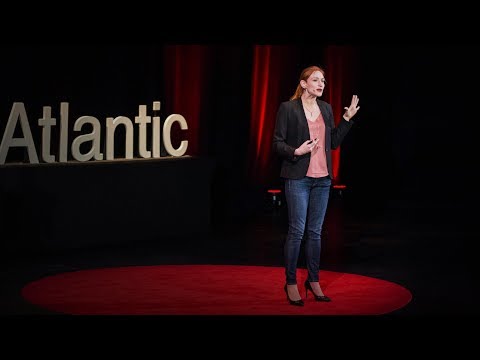
【TED】Rachel Wurzman: How isolation fuels opioid addiction (How isolation fuels opioid addiction | Rachel Wurzman)
0
林宜悉 posted on 2018/11/19Ever wondered how social isolation might be linked to opioid addiction? This fascinating TED talk dives into the neuroscience behind it, exploring the striatum and neuroplasticity. You'll pick up advanced vocabulary related to addiction and mental health, making it a great way to boost your knowledge and language skills!
Learn this video on the APP!
The VoiceTube App has more in-depth practice for videos!