
account for
US /əˈkaʊnt fɔr/
UK /əˈkaunt fɔ:/
- Phrasal Verb
- To explain the cause or reason for something
- To form a particular amount or part of something.
- Verb (Transitive/Intransitive)
- To supply a reason or explanation for something.
- To form a particular amount or proportion of something.
A1Moreactivate
US /ˈæktəˌvet/
UK /ˈæktɪveɪt/
- Transitive Verb
- To cause to happen; cause a chemical reaction
- To make something start working
B1Moreanterior
US /ænˈtɪriɚ/
UK /ænˈtɪəriə(r)/
- Noun
- Front
C1Moreanxiety
US /æŋˈzaɪɪti/
UK /æŋ'zaɪətɪ/
- Uncountable Noun
- A feeling of worry, nervousness, or unease about something that might happen, especially when the outcome is uncertain.
B1Moreaspect
US /ˈæspɛkt/
UK /'æspekt/
- Noun (Countable/Uncountable)
- Way something looks or seems to be
- An element, feature, or quality of something
A2TOEICMoreaverage
US /ˈævərɪdʒ, ˈævrɪdʒ/
UK /'ævərɪdʒ/
- Noun (Countable/Uncountable)
- Total of numbers divided by the number of items
- Transitive Verb
- To add numbers then divide by the number of items
A2TOEICMorebias
US /ˈbaɪəs/
UK /'baɪəs/
- Noun (Countable/Uncountable)
- Preference to believe things even if incorrect
- A systematic error in a statistical result
- Transitive Verb
- To unfairly favor one view over another
- To cause someone to have prejudice
B1TOEICMorebiological
US /ˌbaɪəˈlɑdʒɪkəl/
UK /ˌbaɪəˈlɒdʒɪkl/
- Adjective
- Being related to life and living things
- A substance, such as a detergent, that contains enzymes.
B1Morebleeding heart
US /ˈblidɪŋ hɑrt/
UK /ˈbli:dɪŋ hɑ:t/
- other
- A person who is excessively sympathetic or compassionate.
C1Morecognitive
US /ˈkɑɡnɪtɪv/
UK /ˈkɒgnətɪv/
- Adjective
- The process of knowing and remembering
- Relating to the ability to think and reason.
C1Morecome from
US /kʌm frʌm/
UK /kʌm frɔm/
- Phrasal Verb
- To have as your native country or city
A1Morecome together
US /kʌm təˈɡɛðɚ/
UK /kʌm təˈɡeðə/
- Phrasal Verb
- To assemble or unite; to start working together.
- To form a close relationship or bond.
A1Morecommit
US /kəˈmɪt/
UK /kə'mɪt/
- Transitive Verb
- To do something bad, usually a crime
- To promise your permanent love or loyalty (to)
A2TOEICMoreconflict
US /ˈkɑnˌflɪkt/
UK /'kɒnflɪkt/
- Noun (Countable/Uncountable)
- Argument or struggle between two or more parties
- A serious disagreement or argument.
- Verb (Transitive/Intransitive)
- To have opposite ideas; to disagree; To not match
A2Moreconsensus
US /kənˈsɛnsəs/
UK /kənˈsensəs/
- Noun (Countable/Uncountable)
- A decision that is shared by most of a group
B1Moreconservative
US /kənˈsɚvətɪv/
UK /kənˈsɜ:vətɪv/
- Adjective
- (Of an estimate, price) set fairly low
- Resistant to change
- Noun
- Person with traditional ideas; doesn't like change
B1Morecortex
US /ˈkɔrˌteks/
UK /'kɔ:teks/
- Noun (Countable/Uncountable)
- The outer part of an organ/structure, e.g. brain
- The outer layer of the cerebrum (the cerebral cortex), other organs, or a plant.
C1Moredebate
US / dɪˈbet/
UK /dɪ'beɪt/
- Noun (Countable/Uncountable)
- General public discussion of a topic
- A formal event where two sides discuss a topic
- Verb (Transitive/Intransitive)
- To consider options before making a decision
- To take part in a formal discussion
A2TOEICMoredescription
US /dɪˈskrɪpʃən/
UK /dɪˈskrɪpʃn/
- Noun
- Explanation of what something is like, looks like
- The type or nature of someone or something.
A2TOEICMoredivide
US /dɪˈvaɪd/
UK /dɪ'vaɪd/
- Verb (Transitive/Intransitive)
- To split numbers by another number, e.g. 6 / 2 = 3
- To separate something into equal pieces
- Noun
- A separation or distinction.
A2TOEICMoredorm
US /dɔrm/
UK /dɔ:m/
- Countable Noun
- College building with rooms that students live in
B2Moreessentially
US /ɪˈsenʃəli/
UK /ɪˈsenʃəli/
- Adverb
- Basically; (said when stating the basic facts)
- Used to emphasize the basic truth or fact of a situation.
A2Moreexcel
US /ɪkˈsɛl/
UK /ɪkˈsel/
- Verb (Transitive/Intransitive)
- To perform an activity better than others
- To surpass or be superior to (someone) in a particular activity or field.
- Noun (Countable/Uncountable)
- A spreadsheet software program by Microsoft.
B2TOEICMoreextent
US /ɪkˈstɛnt/
UK /ɪkˈstent/
- Noun (Countable/Uncountable)
- Point, level or limit to which something reaches
- Range or space included in something
A2TOEICMoreextent to which
US
UK
- Phrase
- The degree to which something is true or likely to happen.
- The degree of influence or effect that something has.
A1Morefascinating
US /ˈfæsəˌnetɪŋ/
UK /ˈfæsɪneɪtɪŋ/
- Transitive Verb
- To attract or interest greatly
- To hold someone captive with a gaze or other means.
- Adjective
- Having your attention fixated as though by a spell
B1Moreflexible
US /ˈflɛksəbəl/
UK /ˈfleksəbl/
- Adjective
- Bending easily
- Able to adjust to new events, requirements easily
B1TOEICMorefor example
US
UK
- Phrase
- As an illustration or instance.
fundamental
US /ˌfʌndəˈmɛntl/
UK /ˌfʌndəˈmentl/
- Adjective
- Forming a necessary part, base, or core
- Of central importance.
- Noun (Countable/Uncountable)
- A basic part of something
- (Music) the lowest note in a harmony
A2TOEICMorefundamentally
US /ˌfʌndəˈmɛntl:ɪ/
UK /ˌfʌndəˈmentəli/
- Adverb
- In a basic and important way
- In a complete and thorough way
B1Moregenetic
US /dʒəˈnɛtɪk/
UK /dʒəˈnetɪk/
- Adjective
- Of, relating to, or controlled by genes
- Relating to genes or heredity.
B1Moregrasp
US /ɡræsp/
UK /ɡrɑ:sp/
- Noun
- Person's control over something
- Act of holding something strongly in your hands
- Transitive Verb
- To hold something in your hand very tightly
- To understand or make sense of a complex idea
B1TOEICMorein different ways
US
UK
- Phrase
- Using various methods or approaches; with variety.
- In varying manners or styles; not uniformly.
A1Morein general
US /ɪn ˈdʒɛnərəl/
UK /in ˈdʒenərəl/
- Phrase
- Typically; usually; on the whole.
- Not specific or detailed; broadly.
- Adjective
- Not detailed or specific; overall.
C2Moreinsane
US /ɪnˈsen/
UK /ɪnˈseɪn/
- Adjective
- Mentally ill; crazy
- Being crazy or stupid
B2Moreinstance
US /ˈɪnstəns/
UK /'ɪnstəns/
- Noun (Countable/Uncountable)
- An example of something; case
- An occurrence of something.
- Transitive Verb
- To give as an example of something else
A2TOEICMorelaurel
US /ˈlɔrəl, ˈlɑr-/
UK /'lɒrəl/
- Noun
- Common garden evergreen shrub
- Proper Noun
- Person's name
B2Moreliberal
US /ˈlɪbərəl, ˈlɪbrəl/
UK /'lɪbərəl/
- Noun
- Someone who is open-minded and favors progress
- Adjective
- Open-minded; willing to hear others' opinions
- Political party for freedom and social change
B1TOEICMoremassive
US /ˈmæsɪv/
UK /ˈmæsɪv/
- Adjective
- Very big; large; too big
- Large or imposing in scale or scope.
B1Moremilitary
US /ˈmɪlɪˌtɛri/
UK /'mɪlətrɪ/
- Noun
- Army or armed forces
- Adjective
- Concerning the army or navy
B1Moreon average
US /ɑn ˈævərɪdʒ/
UK /ɔn ˈævəridʒ/
- Phrase
- Typically; usually; based on an average calculation.
B1Moreon the other side of
US /ɑn ði ˈʌðɚ ˈsaɪd ʌv/
UK /ɒn ði ˈʌðə ˈsaɪd ɒv/
- Preposition
- Located across something from a given point.
A2Moreon the surface
US /ɑn ði ˈsɚfəs/
UK /ɔn ðə ˈsə:fis/
- Phrase
- Appearing to be true or real until examined more closely.
- Located on the outer part or uppermost layer of something.
B2Moreperceive
US /pɚˈsiv/
UK /pə'si:v/
- Transitive Verb
- To notice or become aware of something
- To think of someone or something in a certain way
B1TOEICMorepolitic
US /ˈpɑlɪtɪk/
UK /ˈpɒlətɪk/
- Adjective
- Careful what you say; diplomatic
B2Moreput through
US /pʊt θru/
UK /put θru:/
- Phrasal Verb
- To connect someone to the number he or she wants
A1Moreresearch
US /rɪˈsɚtʃ, ˈriˌsɚtʃ/
UK /rɪ'sɜ:tʃ/
- Verb (Transitive/Intransitive)
- To study in order to discover new ideas and facts
- To study the market relating to marketing products and services.
- Noun (Countable/Uncountable)
- Study done to discover new ideas and facts
- A particular area or topic of study.
A2TOEICMorereveal
US /rɪˈvil/
UK /rɪ'vi:l/
- Transitive Verb
- To show something that was hidden before
A2TOEICMorerhyme
US /raɪm/
UK /raɪm/
- Noun (Countable/Uncountable)
- One of a group of words ending in similar sounds
- Poem or song using similar-sounding words
B2Morestereotype
US /ˈstɛriəˌtaɪp, ˈstɪr-/
UK /'sterɪətaɪp/
- Noun
- False categorization of people as all the same
- Transitive Verb
- To wrongly categorize people as all the same
B2Morestructure
US /ˈstrʌk.tʃɚ/
UK /ˈstrʌk.tʃə/
- Noun (Countable/Uncountable)
- The way in which the parts of a system or object are arranged or organized, or a system arranged in this way
- A building or other man-made object.
- Transitive Verb
- To plan, organize, or arrange the parts of something
A2TOEICMoretend
US /tɛnd/
UK /tend/
- Intransitive Verb
- To move or act in a certain manner
- Transitive Verb
- To take care of
A2Moreunity
US /ˈjunɪti/
UK /'ju:nətɪ/
- Uncountable Noun
- Being in full agreement; being joined together
- Quality of having parts that fit or work together
B2More
Vocabulary
- for example: As an illustration or instance.
- on the surface: Appearing to be true or real until examined more closely.
- in general: Typically; usually; on the whole.
- put through: To connect someone to the number he or she wants
- on average: Typically; usually; based on an average calculation.
- in different ways: Using various methods or approaches; with variety.
- bleeding heart: A person who is excessively sympathetic or compassionate.
- extent to which: The degree to which something is true or likely to happen.
- on the other side of: Located across something from a given point.
- come from: To have as your native country or city
- account for: To explain the cause or reason for something
- come together: To assemble or unite; to start working together.
- anxiety: A feeling of worry, nervousness, or unease about something that might happen, especially when the outcome is uncertain.
- cognitive: The process of knowing and remembering
- perceive: To notice or become aware of something
- essentially: Basically; (said when stating the basic facts)
- massive: Very big; large; too big
- insane: Mentally ill; crazy
- aspect: Way something looks or seems to be
- reveal: To show something that was hidden before
- debate: General public discussion of a topic
- evidence: Factual proof that helps to establish the truth
- description: Explanation of what something is like, looks like
- experience: Thing a person has done or that happened to them
- average: Total of numbers divided by the number of items
- fascinating: To attract or interest greatly
- structure: The way in which the parts of a system or object are arranged or organized, or a system arranged in this way
- instance: An example of something; case
- tend: To move or act in a certain manner
- conflict: Argument or struggle between two or more parties
- bias: Preference to believe things even if incorrect
- cortex: The outer part of an organ/structure, e.g. brain
- fear: Unpleasant feeling caused by being aware of danger
- stereotype: False categorization of people as all the same
- extent: Point, level or limit to which something reaches
- commit: To do something bad, usually a crime
- fundamental: Forming a necessary part, base, or core
- research: To study in order to discover new ideas and facts
- increase: To make or become larger in size or amount
- divide: To split numbers by another number, e.g. 6 / 2 = 3
- field: Area of study, such as physics or biology
- military: Army or armed forces
- conservative: (Of an estimate, price) set fairly low
- consensus: A decision that is shared by most of a group
- genetic: Of, relating to, or controlled by genes
- brain: To strike someone forcefully on the head
- grasp: Person's control over something
- account: An advantage
- apply: To spread a substance or liquid over a surface
- flexible: Bending easily
- amygdala: Almond-shaped structure in the brain's anterior
- fundamentally: In a basic and important way
- organize: To arrange and plan things, e.g. a party
- normal: Standard or regular way of doing something
- activate: To cause to happen; cause a chemical reaction
- biological: Being related to life and living things
- excel: To perform an activity better than others
- anterior: Front
- pain: Strong feeling of hurt or discomfort
- important: Having power or authority
- liberal: Someone who is open-minded and favors progress
- prefer: To like something better than something else
- rhyme: One of a group of words ending in similar sounds
- active: Moving around a lot or doing many things
- dorm: College building with rooms that students live in
- unity: Being in full agreement; being joined together
- politic: Careful what you say; diplomatic
- laurel: Common garden evergreen shrub
Get the full experience in the app
Learn anywhere with detailed sentence and usage analysis
01:03
She took a brave step forward, leaving behind her comfort zone to chase her dreams.
Vocabulary
- brave
adj. Having courage
- comfort zone
phr. A familiar situation where one feels safe
Explanation
a brave step is a noun phrase, where brave is an adjective modifying the noun step, meaning "a courageous step".
forward is an adverb modifying step, meaning "ahead".
The whole phrase serves as the object, answering the "what" of took (verb) — she took a brave step forward.
Get the full experience in the app
Look up words anytime with pronunciation, part of speech, and usage
brave
US/brev/
UK/breɪv/
adj.Brave
v.t.To bravely face
A2 Elementary
Get the full experience in the app
Practice speaking anytime and get instant pronunciation feedback
Try this speaking exercise.
Try practicing with this sentence.
80
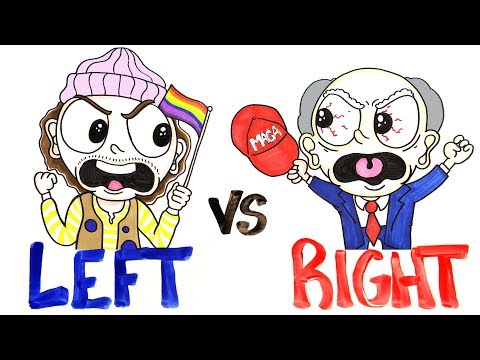
Liberals vs Conservatives - Which Brain is Better?
0
Samuel posted on 2018/10/28Ever wondered if liberals and conservatives have different brains? This fascinating video dives into political neuroscience, exploring how brain scans and genetics might explain our differing views, and you'll pick up some advanced vocabulary along the way! It's a fantastic chance to learn about cognitive styles and the science behind political polarization.
Learn this video on the APP!
The VoiceTube App has more in-depth practice for videos!