
acknowledge
US /ækˈnɑlɪdʒ/
UK /ək'nɒlɪdʒ/
- Transitive Verb
- To say you have received a letter, gift, etc.
- To say you accept the truth or value of something
A2Moreadvent
US /ˈædˌvɛnt/
UK /'ædvent/
- Noun
- First appearance of something important
B2Morealong with
US /əˈlɔŋ wɪð/
UK /əˈlɔŋ wið/
- Preposition
- In addition to; together with.
- Adverb
- In company or together with someone or something.
- Including; in addition to.
A2Moreas opposed to
US
UK
- Preposition
- In contrast to; rather than.
- Instead of; in place of.
A1Moreat a time
US /æt e taɪm/
UK /æt ə taim/
- Phrase
- Separately; one by one
- Simultaneously; together
A1Moreat large
US /æt lɑrdʒ/
UK /æt lɑ:dʒ/
- Adjective
- (of a person or animal, especially one that is dangerous) not captured; free.
A2Moreat the feet of
US /æt ðə fit ʌv/
UK /æt ðə fi:t əv/
- other
- Being in a position of submission or deep respect near someone.
B2Moreaudience
US /ˈɔdiəns/
UK /ˈɔ:diəns/
- Noun (Countable/Uncountable)
- Group of people attending a play, movie etc.
A2TOEICMorebar up
US /bɑr ʌp/
UK /bɑ: ʌp/
- other
- To fasten bars or similar to secure something closed.
B2Morebias
US /ˈbaɪəs/
UK /'baɪəs/
- Noun (Countable/Uncountable)
- Preference to believe things even if incorrect
- A systematic error in a statistical result
- Transitive Verb
- To unfairly favor one view over another
- To cause someone to have prejudice
B1TOEICMoreblock
US /blɑk/
UK /blɒk/
- Noun (Countable/Uncountable)
- Solid piece of material used for building
- A piece of wood, chocolate etc.
- Transitive Verb
- To stop from going forward or making progress
- To obstruct or prevent the movement or passage of.
A2Morecare for
US /kɛr fɔr/
UK /kɛə fɔ:/
- Phrasal Verb
- To want or desire a thing
- To look after someone who is ill, old, or very young.
A1Morecollaborate
US /kəˈlæbəˌret/
UK /kəˈlæbəreɪt/
- Verb (Transitive/Intransitive)
- To cooperate with or help an enemy
- To work together to complete a task
B1Morecome together
US /kʌm təˈɡɛðɚ/
UK /kʌm təˈɡeðə/
- Phrasal Verb
- To assemble or unite; to start working together.
- To form a close relationship or bond.
A1Morecommunity
US /kəˈmjunɪti/
UK /kə'mju:nətɪ/
- Noun (Countable/Uncountable)
- Group of people who share a common idea or area
- A feeling of fellowship with others, as a result of sharing common attitudes, interests, and goals.
- Adjective
- Relating to or shared by the people in a particular area.
- Shared or participated in by all members of a group
A2Morecomplain
US /kəmˈplen/
UK /kəmˈpleɪn/
- Verb (Transitive/Intransitive)
- To say something is wrong and should be changed
- To make a formal accusation or charge.
B1Morecomponent
US /kəmˈponənt/
UK /kəmˈpəʊnənt/
- Noun (Countable/Uncountable)
- One of the parts that something is made up of
- A constituent part; ingredient.
- Adjective
- Being a part of something
A2Morecoordinate
US /ko'ɔrdəˈnet/
UK /kəʊ'ɔ:dɪneɪt/
- Transitive Verb
- To match styles or colors that go well together
- To cause body parts to move smoothly together
- Noun
- Point on a map defining a location e.g. 135N, 34W
- A matching set of clothes.
B1Morecritical
US /ˈkrɪtɪkəl/
UK /ˈkrɪtɪkl/
- Adjective
- Making a negative judgment of something
- Being important or serious; vital; dangerous
A2Moredeliver
US /dɪˈlɪvɚ/
UK /dɪ'lɪvə(r)/
- Transitive Verb
- To give birth to a child; help a woman give birth
- To save someone from a problem or crisis
A2TOEICMoredetrimental
US /ˌdɛtrəˈmɛntl/
UK /ˌdetrɪˈmentl/
- Adjective
- Harmful
B2Moredignity
US /ˈdɪgnəti/
UK /ˈdɪgnəti/
- Noun
- Person of high rank deserving respect
- Quality or state of deserving respect
B1TOEICMoreembrace
US /ɛmˈbres/
UK /ɪm'breɪs/
- Noun (Countable/Uncountable)
- Act of holding someone closely
- An act of accepting or supporting something willingly and enthusiastically.
- Transitive Verb
- To hold closely; cuddle, kiss or hug
- To accept something enthusiastically.
B1TOEICMoreenforcement
US /ɪn'fɔ:smənt/
UK /ɪn'fɔ:smənt/
- Uncountable Noun
- Process of making sure that rules are followed
- The act of compelling observance of or compliance with a law, rule, or obligation.
B1Moreexamine
US /ɪɡˈzæmɪn/
UK /ɪgˈzæmɪn/
- Transitive Verb
- (Medical) to test to find out what is wrong
- To test your knowledge or ability
A2Moreexpertise
US /ˌekspɜːrˈtiːz/
UK /ˌekspɜ:ˈti:z/
- Uncountable Noun
- The special knowledge that an expert has
- Expert skill or knowledge in a particular field.
B1TOEICMorefor example
US
UK
- Phrase
- As an illustration or instance.
frisk
US /frɪsk/
UK /frɪsk/
- Transitive Verb
- To search someone's body for concealed gun, drug
C2Morefrontline
US /'frʌntlɑɪn/
UK /'frʌntlɑɪn/
- Noun
- Front, especially one between military positions
C2Morego back to
US /ɡo bæk tu/
UK /ɡəu bæk tu:/
- Phrasal Verb
- To return to a starting point
A1Moregoing on
US /ˈɡoɪŋ ɑn/
UK /ˈgəʊɪŋ ɔn/
- Phrasal Verb
- To continue doing something
- To happen (usually negative)
A1Moregot to
US /ɡɑt tu/
UK /gɔt tu:/
- Verb (Transitive/Intransitive)
- To arrive at some place
- To have the opportunity or permission to do something
- Phrasal Verb
- To appeal to the emotions of; move
- To finally begin to start something after a delay
A1Moreguarantee
US /ˌɡærənˈti/
UK /ˌɡærən'ti:/
- Transitive Verb
- To promise to repair a broken product
- To promise that something will happen or be done
- Countable Noun
- A promise to repair a broken product
- Promise that something will be done as expected
A2TOEICMorehave to
US /hæv tu/
UK /ˈhæv tə/
- Auxiliary Verb
- Must do
A1Morehistorical
US /hɪˈstɔrɪkəl,-ˈstɑr-/
UK /hɪˈstɒrɪkl/
- Adjective
- Connected with the past
B1Moreidentify
US /aɪˈdɛntəˌfaɪ/
UK /aɪ'dentɪfaɪ/
- Transitive Verb
- To indicate who or what someone or something is
- To say exactly what something is
B1TOEICMoreimplicit
US /ɪmˈplɪsɪt/
UK /ɪm'plɪsɪt/
- Adjective
- Unquestioning and without doubt
- Suggested though not directly expressed.
B1TOEICMorein order to
US /ɪn ˈɔrdɚ tu/
UK /in ˈɔ:də tu:/
- Preposition
- For the purpose of; with the aim of.
- Phrase
- In a specific sequence or arrangement.
- With the aim of; for the purpose of.
C1Morelift
US /lɪft/
UK /lɪft/
- Noun
- Picking someone up in a car and taking to a place
- Machine carrying people up or down to other floors
- Transitive Verb
- To stop or cancel something, such as a rule
- To move something to higher position
A2Morelook at
US /lʊk æt/
UK /luk æt/
- Phrasal Verb
- To use your eyes to focus on something
- To focus your eyes on something carefully
A1Moremental
US /ˈmɛntl/
UK /ˈmentl/
- Adjective
- Concerning the mind
A2TOEICMoreneighborhood
US /ˈnebɚˌhʊd/
UK /'neɪbəhʊd/
- Noun (Countable/Uncountable)
- Area of a town or city that people live in
- People who live in a particular area
- Adjective
- Relating to a neighborhood.
B1Moreoath
US /oθ/
UK /əʊθ/
- Noun
- Promise to do something
B2Moreof course
US /ʌv kɔː(r)s/
UK /ɔv kɔː(r)s/
- Adverb
- Sure ; Certainly
- Phrase
- For sure; certainly
A2Moreon the street
US /ɑn ði strit/
UK /ɔn ðə stri:t/
- Phrase
- Located on or along a public road in a town or city.
- Available or circulating, especially illegally or unofficially.
A1Moreoutcry
US /ˈaʊtˌkraɪ/
UK /'aʊtkraɪ/
- Noun
- Show of anger or unhappiness by many people
C1Morepeer
US /pɪr/
UK /pɪə(r)/
- Noun (Countable/Uncountable)
- A noble, but not royal, person, e.g. lord or duke
- Person of the same age, class or situation
- Intransitive Verb
- To look closely and carefully, as if hard to see
B2Moreperceive
US /pɚˈsiv/
UK /pə'si:v/
- Transitive Verb
- To notice or become aware of something
- To think of someone or something in a certain way
B1TOEICMorepreserve
US /prɪˈzɜ:rv/
UK /prɪˈzɜ:v/
- Transitive Verb
- To cook food so it can be kept for long periods
- To protect something from harm, loss or damage
- Noun (Countable/Uncountable)
- Sweet fruit spread; jam
- Protected area of land with plants and animals
B1TOEICMoreracial
US /ˈreʃəl/
UK /ˈreɪʃl/
- Adjective
- Of or relating to race
B2Morerecognize
US /ˈrek.əɡ.naɪz/
UK /ˈrek.əɡ.naɪz/
- Transitive Verb
- To accept the truth or reality of something
- To consider something as important or special
A2TOEICMoresector
US /ˈsɛktɚ, -ˌtɔr/
UK /ˈsektə(r)/
- Noun (Countable/Uncountable)
- Part that a place is divided into
- Area; type of industry or business
A2Moreserve
US /sɚv/
UK /sɜ:v/
- Verb (Transitive/Intransitive)
- To act in a particular position or office
- To hit the first ball to an opponent in tennis etc.
A2TOEICMoreset aside
US
UK
- Phrasal Verb
- To reject or throw away, e.g. an idea
- To separate and save for another use or time
- Transitive Verb
- To keep or save something for use at a later time.
- To designate or allocate something for a specific purpose or group.
A1Moresuch as
US /sʌtʃ æz/
UK /sʌtʃ æz/
- Preposition
- For example; like
A1Moretalking about
US
UK
- Phrasal Verb
- To discuss a particular topic.
- To be constantly mentioning or bringing up a subject.
A1Moretheory
US /ˈθiəri, ˈθɪri/
UK /ˈθiəri/
- Noun (Countable/Uncountable)
- Ideas or principles that explain facts or events
- An idea or belief about something
A2TOEICMoretogether with
US /təˈɡɛðɚ wɪð/
UK /təˈɡeðə wið/
- Preposition
- In addition to; along with.
- Including; as well as.
A1Moretransportation
US /ˌtrænspɔ:rˈteɪʃn/
UK /ˌtrænspɔ:ˈteɪʃn/
- Noun (Countable/Uncountable)
- Act of moving people or goods between places
- A system or means of transport, especially public transport.
B1Moretrauma
US /ˈtraʊmə/
UK /'trɔ:mə/
- Noun (Countable/Uncountable)
- A very severe or upsetting experience
- Serious injury to part of the body
B2Morewalk away
US /wɔk əˈwe/
UK /wɔ:k əˈwei/
- Phrasal Verb
- To leave a situation, especially a difficult or unpleasant one.
- To choose not to be involved in something.
A1More
Vocabulary
- have to: Must do
- in order to: For the purpose of; with the aim of.
- look at: To use your eyes to focus on something
- of course: Sure ; Certainly
- along with: In addition to; together with.
- for example: As an illustration or instance.
- care for: To want or desire a thing
- on the street: Located on or along a public road in a town or city.
- going on: To continue doing something
- as opposed to: In contrast to; rather than.
- at a time: Separately; one by one
- got to: To arrive at some place
- bar up: To fasten bars or similar to secure something closed.
- such as: For example; like
- come together: To assemble or unite; to start working together.
- set aside: To reject or throw away, e.g. an idea
- at large: (of a person or animal, especially one that is dangerous) not captured; free.
- at the feet of: Being in a position of submission or deep respect near someone.
- talking about: To discuss a particular topic.
- walk away: To leave a situation, especially a difficult or unpleasant one.
- together with: In addition to; along with.
- go back to: To return to a starting point
- perceive: To notice or become aware of something
- recognize: To accept the truth or reality of something
- mental: Concerning the mind
- critical: Making a negative judgment of something
- guarantee: To promise to repair a broken product
- trauma: A very severe or upsetting experience
- embrace: Act of holding someone closely
- experience: Thing a person has done or that happened to them
- audience: Group of people attending a play, movie etc.
- bias: Preference to believe things even if incorrect
- community: Group of people who share a common idea or area
- identify: To indicate who or what someone or something is
- dignity: Person of high rank deserving respect
- detrimental: Harmful
- component: One of the parts that something is made up of
- theory: Ideas or principles that explain facts or events
- acknowledge: To say you have received a letter, gift, etc.
- wonder: Surprise caused by experiencing something amazing
- mean: Average of a set of numbers
- implicit: Unquestioning and without doubt
- preserve: To cook food so it can be kept for long periods
- expertise: The special knowledge that an expert has
- decision: Choice made after thinking; final judgment
- coordinate: To match styles or colors that go well together
- deliver: To give birth to a child; help a woman give birth
- lift: Picking someone up in a car and taking to a place
- examine: (Medical) to test to find out what is wrong
- ground: To break (coffee, etc.) into tiny bits with machine
- serve: To act in a particular position or office
- peer: A noble, but not royal, person, e.g. lord or duke
- advent: First appearance of something important
- produce: Fresh foods such as fruits and vegetables
- social: Involving activity with people, e.g. in free time
- equally: In an equal, even, or identical manner
- collaborate: To cooperate with or help an enemy
- important: Having power or authority
- block: Solid piece of material used for building
- sector: Part that a place is divided into
- order: Religious or social group, as of nuns
- public: Owned by the government
- promise: To say you will certainly do something
- enforcement: Process of making sure that rules are followed
- transportation: Act of moving people or goods between places
- neighborhood: Area of a town or city that people live in
- space: Empty area kept for a specific reason, like a car
- set: Prepared for something; ready
- make: To arrange or prepare something e.g. dinner
- racial: Of or relating to race
- complain: To say something is wrong and should be changed
- historical: Connected with the past
- outcry: Show of anger or unhappiness by many people
- oath: Promise to do something
- frontline: Front, especially one between military positions
- frisk: To search someone's body for concealed gun, drug
Get the full experience in the app
Learn anywhere with detailed sentence and usage analysis
01:03
She took a brave step forward, leaving behind her comfort zone to chase her dreams.
Vocabulary
- brave
adj. Having courage
- comfort zone
phr. A familiar situation where one feels safe
Explanation
a brave step is a noun phrase, where brave is an adjective modifying the noun step, meaning "a courageous step".
forward is an adverb modifying step, meaning "ahead".
The whole phrase serves as the object, answering the "what" of took (verb) — she took a brave step forward.
Get the full experience in the app
Look up words anytime with pronunciation, part of speech, and usage
brave
US/brev/
UK/breɪv/
adj.Brave
v.t.To bravely face
A2 Elementary
Get the full experience in the app
Practice speaking anytime and get instant pronunciation feedback
Try this speaking exercise.
Try practicing with this sentence.
80
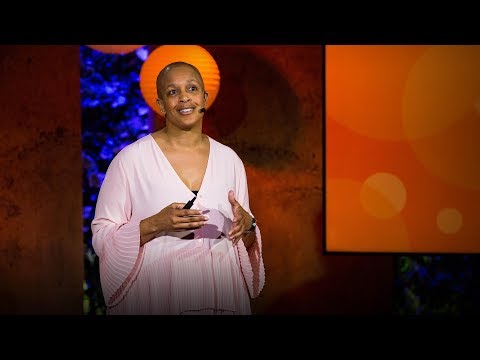
【TED】Tracie Keesee: How police and the public can create safer neighborhoods together (How police and the public can create safer neighborhoods together | Tracie Keesee)
0
林宜悉 posted on 2018/10/16Ever wondered how to build safer neighborhoods? This TED talk dives into the powerful idea of "co-production" between police and the community, offering practical insights and advanced vocabulary you can use right away. You'll learn about building trust and understanding through real-life examples of community engagement!
Learn this video on the APP!
The VoiceTube App has more in-depth practice for videos!