
ability
US /əˈbɪlɪti/
UK /ə'bɪlətɪ/
- Noun (Countable/Uncountable)
- The power, resources or skill to do something
- A particular skill or talent.
A2TOEICMoreacademic
US /ˌækəˈdɛmɪk/
UK /ˌækə'demɪk/
- Adjective
- Concerning education, schools, universities, etc.
- Concerning education, schools, universities, etc.
- Noun (Countable/Uncountable)
- Educator teaching at a college or university
- A subject taught at schools and universities.
B1Moreappetite
US /ˈæpɪˌtaɪt/
UK /'æpɪtaɪt/
- Noun
- Feeling of hunger or desire for something
B1Moreattend
US /əˈtɛnd/
UK /əˈtend/
- Transitive Verb
- To take care of someone in need
- Verb (Transitive/Intransitive)
- To listen or watch carefully; to concentrate
- To be present at an event
B1TOEICMoreboost
US /bust/
UK /bu:st/
- Transitive Verb
- To increase something; to make something better
- To push someone or something up from beneath them
- Noun (Countable/Uncountable)
- An increase in something
B1TOEICMorecall it a day
US /kɔl ɪt ə ˈdeɪ/
UK /kɔ:l ɪt ə ˈdeɪ/
- other
- To stop working on something for the rest of the day.
B1Moreclock out
US /klɑk aʊt/
UK /klɔk aut/
- Phrasal Verb
- To record the time of one's departure from work, typically using a time clock.
A1Moreclutter
US /ˈklʌtɚ/
UK /ˈklʌtə(r)/
- Transitive Verb
- To fill with disorderly mess of things
- Uncountable Noun
- A disorderly mess of things
B2Morecome up with
US /kʌm ʌp wɪð/
UK /kʌm ʌp wið/
- Phrasal Verb
- To think of an idea or solution; produce
A1Morecompetence
US /ˈkɑmpɪtəns/
UK /ˈkɒmpɪtəns/
- Noun (Countable/Uncountable)
- Ability to do in a fully satisfactory way
- The quality of being adequately or well qualified; the state of being competent.
B2Morecompetent
US /ˈkɑmpɪtənt/
UK /ˈkɒmpɪtənt/
- Adjective
- Fully qualified or capable of doing
- Of an acceptable quality, though not outstanding.
B2Morecritical
US /ˈkrɪtɪkəl/
UK /ˈkrɪtɪkl/
- Adjective
- Making a negative judgment of something
- Being important or serious; vital; dangerous
A2Morecritique
US /krɪˈtik/
UK /krɪˈti:k/
- Noun
- A review of the quality of a work
- Transitive Verb
- To review the quality of a work
B2Morecurious
US /ˈkjʊriəs/
UK /ˈkjʊəriəs/
- Adjective
- Wanting to know more about something
- Attracting interest by being strange or unusual
A2Morecurrent
US /ˈkɚrənt, ˈkʌr-/
UK /'kʌrənt/
- Uncountable Noun
- Electricity flowing through wires
- Movement of water in a river, or air in the sky
- Adjective
- Happening or being in the present time
- In general use or accepted by most people.
A2Morediploma
US /dɪˈplomə/
UK /dɪˈpləʊmə/
- Noun
- Document certifying graduation
B2Moreembrace
US /ɛmˈbres/
UK /ɪm'breɪs/
- Noun (Countable/Uncountable)
- Act of holding someone closely
- An act of accepting or supporting something willingly and enthusiastically.
- Transitive Verb
- To hold closely; cuddle, kiss or hug
- To accept something enthusiastically.
B1TOEICMoreexercise
US /ˈɛksɚˌsaɪz/
UK /'eksəsaɪz/
- Verb (Transitive/Intransitive)
- To work out to become stronger and healthier
- To retain your ability or practice your skills
- Noun (Countable/Uncountable)
- Physical activity to increase health and strength
- Set of questions in a text book
A2Morefill up
US /fɪl ʌp/
UK /fil ʌp/
- Phrase
- Verb (Transitive/Intransitive)
- To make something full.
- To become full.
A1Moregoing on
US /ˈɡoɪŋ ɑn/
UK /ˈgəʊɪŋ ɔn/
- Phrasal Verb
- To continue doing something
- To happen (usually negative)
A1Moregym
US /dʒɪm/
UK /dʒɪm/
- Noun (Countable/Uncountable)
- Physical education taught as a class in school
- Building used for physical activities or sports
C2Morehave to
US /hæv tu/
UK /ˈhæv tə/
- Auxiliary Verb
- Must do
A1Morehumble
US /ˈhʌmbəl/
UK /'hʌmbl/
- Adjective
- Being lower in quality or status
- Not proud/arrogant; of low status
- Transitive Verb
- To make someone feel less proud or confident
B2TOEICMorehungry
US /ˈhʌŋɡri/
UK /ˈhʌŋgri/
- Adjective
- Feeling a need or want to eat food
- Feeling a need or want to eat food
B2Morein control
US /ɪn kənˈtrol/
UK /in kənˈtrəul/
- Adjective
- Having the power to direct or regulate something; able to manage or direct a situation or person.
- Possessing self-restraint and the ability to manage one's own behavior and emotions.
- Phrase
- Having command or authority; managing effectively.
C1Morein fact
US /ɪn fækt/
UK /in fækt/
- Adverb
- Used to emphasize the truth of a statement, especially one that contrasts with or contradicts something else.
- Used to introduce a more detailed or surprising piece of information.
- Phrase
- Used to emphasize the truth of a statement, especially one that is surprising or contrary to what might be expected.
C1Moreinquisitive
US /ɪnˈkwɪzɪtɪv/
UK /ɪnˈkwɪzətɪv/
- Adjective
- Asking lots of questions; curious
- Unduly curious about the affairs of others; nosy.
C1Moreinstead of
US /ɪnˈstɛd ʌv/
UK /inˈsted ɔv/
- Preposition
- When one thing is replaced by another
- Adverb
- As a substitute or alternative.
A1Moreintelligence
US /ɪnˈtɛlədʒəns/
UK /ɪn'telɪdʒəns/
- Uncountable Noun
- Collection of secret information about something
- Ability to learn things or to consider situations
- Adjective
- Of the spying services; acting in secrecy
A2TOEICMoremake it big
US
UK
- Intransitive Verb
- To become very successful or famous.
messy
US /ˈmɛsi/
UK /'mesɪ/
- Adjective
- Being complex or difficult to fix
- Being untidy or dirty
A2Moreneat
US /nit/
UK /ni:t/
- Adjective
- That you approve of; cool
- (Of alcohol) not weakened with water or a mixer
A2Moreout there
US /aʊt ðɛr/
UK /aut ðɛə/
- Adverb
- In or to a place that is far away
- Existing in the universe
- Adjective
- Unconventional; strange; avant-garde
- Existing or available.
A1Morephysical
US /ˈfɪzɪkəl/
UK /ˈfɪzɪkl/
- Countable Noun
- Health check at the doctors' or hospital
- Adjective
- Concerning the body of a person
- Concerning things that can be seen or touched
A2Moreping
US /pɪŋ/
UK /pɪŋ/
- Intransitive Verb
- To make a high sharp sound, as bullet hitting rock
C1Morepong
US /pɔ:ŋ/
UK /pɒŋ/
- Intransitive Verb
- To smell badly
- Noun
- A very bad smell
C2Morepsychological
US /ˌsaɪkəˈlɑdʒɪkəl/
UK /ˌsaɪkəˈlɒdʒɪkl/
- Adjective
- Concerning the study of the mind
- Relating to or involving the use of propaganda, threats, or other psychological techniques to subdue an opponent.
A2Morereality
US /riˈælɪti/
UK /rɪ'ælətɪ/
- Noun (Countable/Uncountable)
- What is true, as opposed to what is imagined
- The state of things as they actually exist, rather than as they may appear or might be imagined.
A2Morerebellious
US /rɪˈbɛljəs/
UK /rɪˈbeljəs/
- Adjective
- Wanting to do things your way; resisting authority
- Engaged in or relating to rebellion.
B1Moreremorse
US /rɪˈmɔrs/
UK /riˈmɔ:s/
- Uncountable Noun
- Sense of guilt for something bad you did
B2Morerequire
US /rɪˈkwaɪr/
UK /rɪ'kwaɪə(r)/
- Transitive Verb
- To demand that someone does something
- To need to do something, to make it necessary
A2TOEICMoreresonate
US /ˈrɛzəˌnet/
UK /'rezəneɪt/
- Intransitive Verb
- (Of ideas) to have a big impact for a long time
- (E.g. of a bell) to sound clearly for a long time
C2TOEICMorespot
US /spɑt/
UK /spɒt/
- Noun
- A certain place or area
- A difficult time; awkward situation
- Transitive Verb
- To see someone or something by chance
A2TOEICMorestatus
US /ˈstetəs, ˈstætəs/
UK /'steɪtəs/
- Uncountable Noun
- Position or rank relative to others in a society
- Legal position of a person or thing
A2TOEICMorestreak
US /strik/
UK /stri:k/
- Noun (Countable/Uncountable)
- An continuous amount of something, e.g. luck
- Act of running naked in public as an act of daring
- Intransitive Verb
- To run naked in public as an act of daring
B2TOEICMoretend
US /tɛnd/
UK /tend/
- Intransitive Verb
- To move or act in a certain manner
- Transitive Verb
- To take care of
A2Moreunusual
US /ʌnˈjuʒuəl/
UK /ʌnˈju:ʒuəl/
- Adjective
- Being rare or uncommon; not ordinary; strange
- Remarkable or interesting because different from or better than others.
B1Moreworkout
US /ˈwə:kˌaʊt/
UK /ˈwɜ:kaʊt/
- Noun
- Energetic exercise
B2Moreworkplace
US /ˈwɚkˌples/
UK /ˈwɜ:kpleɪs/
- Noun (Countable/Uncountable)
- Place where work is done
B2More
Vocabulary
- out there: In or to a place that is far away
- in fact: Used to emphasize the truth of a statement, especially one that contrasts with or contradicts something else.
- make it big: To become very successful or famous.
- in control: Having the power to direct or regulate something; able to manage or direct a situation or person.
- instead of: When one thing is replaced by another
- clock out: To record the time of one's departure from work, typically using a time clock.
- call it a day: To stop working on something for the rest of the day.
- fill up
- going on: To continue doing something
- come up with: To think of an idea or solution; produce
- have to: Must do
- critical: Making a negative judgment of something
- physical: Health check at the doctors' or hospital
- embrace: Act of holding someone closely
- boost: To increase something; to make something better
- improve: To make, or become, something better
- realize: To become aware of or understand mentally
- tend: To move or act in a certain manner
- psychological: Concerning the study of the mind
- intelligence: Collection of secret information about something
- spot: A certain place or area
- appetite: Feeling of hunger or desire for something
- curious: Wanting to know more about something
- current: Electricity flowing through wires
- academic: Concerning education, schools, universities, etc.
- neat: That you approve of; cool
- reality: What is true, as opposed to what is imagined
- ability: The power, resources or skill to do something
- status: Position or rank relative to others in a society
- humble: Being lower in quality or status
- exercise: To work out to become stronger and healthier
- wonder: Surprise caused by experiencing something amazing
- brain: To strike someone forcefully on the head
- require: To demand that someone does something
- simply: In an easy or clear manner
- messy: Being complex or difficult to fix
- effect: An advantage, benefit
- resonate: (Of ideas) to have a big impact for a long time
- clutter: To fill with disorderly mess of things
- lead: Wire for electricity, computer, etc.; cable
- competent: Fully qualified or capable of doing
- project: To predict what will happen in the future
- rebellious: Wanting to do things your way; resisting authority
- fall: Season after summer and before winter; Autumn
- receive: To get something someone has given or sent to you
- remorse: Sense of guilt for something bad you did
- workout: Energetic exercise
- streak: An continuous amount of something, e.g. luck
- control: A device designed to operate a machine
- fact: Something that is known or proved to be true
- information: Collection of facts and details about something
- language: Words or signs used to communicate messages
- fill: To make something full
- competence: Ability to do in a fully satisfactory way
- attend: To take care of someone in need
- diploma: Document certifying graduation
- unusual: Being rare or uncommon; not ordinary; strange
- inquisitive: Asking lots of questions; curious
- critique: A review of the quality of a work
- gym: Physical education taught as a class in school
- workplace: Place where work is done
- hungry: Feeling a need or want to eat food
- ping: To make a high sharp sound, as bullet hitting rock
- pong: To smell badly
Get the full experience in the app
Learn anywhere with detailed sentence and usage analysis
01:03
She took a brave step forward, leaving behind her comfort zone to chase her dreams.
Vocabulary
- brave
adj. Having courage
- comfort zone
phr. A familiar situation where one feels safe
Explanation
a brave step is a noun phrase, where brave is an adjective modifying the noun step, meaning "a courageous step".
forward is an adverb modifying step, meaning "ahead".
The whole phrase serves as the object, answering the "what" of took (verb) — she took a brave step forward.
Get the full experience in the app
Look up words anytime with pronunciation, part of speech, and usage
brave
US/brev/
UK/breɪv/
adj.Brave
v.t.To bravely face
A2 Elementary
Get the full experience in the app
Practice speaking anytime and get instant pronunciation feedback
Try this speaking exercise.
Try practicing with this sentence.
80
5 Signs You Are HIGHLY Intelligent!
0
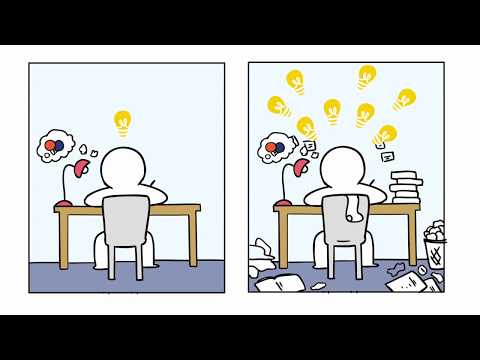
Samuel posted on 2018/10/11Ever wondered if you're smarter than you think? This video dives into 5 fascinating signs of high intelligence, touching on psychology and the Dunning-Kruger effect. You'll pick up some advanced vocabulary and learn about creative thinking and humility along the way!
Learn this video on the APP!
The VoiceTube App has more in-depth practice for videos!