
afford
US /əˈfɔrd, əˈford/
UK /ə'fɔ:d/
- Transitive Verb
- To make available, to provide
- To have enough money to pay for something
A2TOEICMoreall along
US /ɔl əˈlɔŋ/
UK /ɔ:l əˈlɔŋ/
- Adverb
- From the beginning; all the time.
- Phrase
- In a line parallel to something long.
A2Moreautobiography
US /ˌɔ:təbaɪˈɑ:grəfi/
UK /ˌɔ:təbaɪˈɒgrəfi/
- Noun
- Book written by a person about his or her own life
B2Morebankruptcy
US /ˈbæŋkrʌptsi/
UK /ˈbæŋkrʌptsi/
- Uncountable Noun
- State of having no money and unable to pay debts
- The legal process by which a person or organization is declared unable to pay their debts.
B2TOEICMorebased on
US
UK
- Phrasal Verb
- To use something as the foundation or starting point for something else.
- Preposition
- Using something as the main idea or foundation.
- Relying on something as evidence or justification.
A1Morebeat
US /bit/
UK /bi:t/
- Intransitive Verb
- To move in regular motions in order to push blood
- Transitive Verb
- To strike or hit repeatedly and with great force
- To mix ingredients together with a fork or machine
A2Morebreak through
US /brek θru/
UK /breik θru:/
- Phrasal Verb
- To move quickly through (wall, etc.) using force
A1Morebreakthrough
US /ˈbrekˌθru/
UK /'breɪkθru:/
- Countable Noun
- Important discovery in doing something difficult
B2TOEICMorebuck
US /bʌk/
UK /bʌk/
- Verb (Transitive/Intransitive)
- To resist or go against the trend
- Countable Noun
- A male deer, especially a male of the fallow deer or roe deer.
- A dashing young man.
B1Morebuck up
US /bʌk ʌp/
UK /bʌk ʌp/
- Phrasal Verb
- To (cause to) feel stronger or more confident
B1Morebudget
US /ˈbʌdʒɪt/
UK /'bʌdʒɪt/
- Noun (Countable/Uncountable)
- Amount of money planned to be spent
- Verb (Transitive/Intransitive)
- To make a plan for how to spend your money
A2TOEICMorechronic
US /ˈkrɑnɪk/
UK /'krɒnɪk/
- Adjective
- Always or often doing something, e.g. lying
- (Of disease) over a long time; serious
B1Morecompassion
US /kəmˈpæʃən/
UK /kəmˈpæʃn/
- Uncountable Noun
- Feeling of wanting to help suffering people
- Actions that demonstrate care and concern for others.
B2Moreconversation
US /ˌkɑnvɚˈseʃən/
UK /ˌkɒnvəˈseɪʃn/
- Uncountable Noun
- Talking with other people; discussion or chat
- General communication or interaction.
A2Moredeal with
US /dil wɪð/
UK /di:l wið/
- Verb (Transitive/Intransitive)
- To buy or sell goods or services.
- Phrasal Verb
- To take action to solve a problem or manage a situation.
- To be about; concern.
A1Moredebt
US /dɛt/
UK /det/
- Noun (Countable/Uncountable)
- Sum of money owed to someone that is not yet paid
- A moral or social obligation.
A2TOEICMoredefeat
US /dɪˈfit/
UK /dɪ'fi:t/
- Transitive Verb
- To beat an enemy, team, disease
- To prevent something from succeeding.
- Noun
- When you lose a fight, game or competition
- The feeling of having been beaten.
B1Moredefine
US /dɪˈfaɪn/
UK /dɪ'faɪn/
- Transitive Verb
- To explain the meaning of words
- To set or mark the limits of something
A2TOEICMoredestructive
US /dɪˈstrʌktɪv/
UK /dɪ'strʌktɪv/
- Adjective
- Causing a very large amount of damage
- Tending to demolish or tear down; negative; unhelpful.
B2Moredire
US /daɪr/
UK /ˈdaɪə(r)/
- Adjective
- (E.g. of consequences) very serious
B2Morefatal
US /ˈfetl/
UK /ˈfeɪtl/
- Adjective
- Causing death; having very bad consequences
- Causing negative results
B1Morefeel like
US
UK
- Intransitive Verb
- To have a desire or inclination for something.
- To have a particular quality or sensation; resemble.
A1Morefinancial
US /faɪˈnænʃ(ə)l/
UK /faɪˈnænʃl/
- Adjective
- Involving money
- Relating to investments.
- Countable Noun
- A person who provides advice on financial matters.
A2TOEICMoreflaw
US /flɔ/
UK /flɔ:/
- Noun (Countable/Uncountable)
- Quality that makes something imperfect
- A weakness or undesirable quality.
- Transitive Verb
- To impair, damage, or spoil.
B1TOEICMoreforeclosure
US /fɔ:rˈkloʊʒə(r)/
UK /fɔ:ˈkləʊʒə(r)/
- Uncountable Noun
- Proceedings to gain assets when debt is not paid
C1Moreget at
US /ɡɛt æt/
UK /ɡet æt/
- Phrasal Verb
- To criticize someone, often personally
- To imply something; hint at
A1Moregive up
US /ɡɪv ʌp/
UK /ɡiv ʌp/
- Phrasal Verb
- To lose hope or admit defeat
- To decide to not start to try solving a problem
A1Morego higher
US
UK
- Intransitive Verb
- To increase or rise to a greater level.
- To move to a higher physical position.
A2Moregrow up
US /ɡro ʌp/
UK /ɡrəu ʌp/
- Phrasal Verb
- To develop from a child into an adult
A1Morehave to
US /hæv tu/
UK /ˈhæv tə/
- Auxiliary Verb
- Must do
A1Morein a state
US
UK
- Phrase
- In a particular condition or situation.
- In an emotional condition, often negative (e.g., panic, distress).
B2Morein dire straits
US /ɪn ˈdaɪɚ streɪts/
UK /in ˈdaiə streits/
- other
- Experiencing serious financial or other troubles.
C1Morein fact
US /ɪn fækt/
UK /in fækt/
- Adverb
- Used to emphasize the truth of a statement, especially one that contrasts with or contradicts something else.
- Used to introduce a more detailed or surprising piece of information.
- Phrase
- Used to emphasize the truth of a statement, especially one that is surprising or contrary to what might be expected.
C1Morein order to
US /ɪn ˈɔrdɚ tu/
UK /in ˈɔ:də tu:/
- Preposition
- For the purpose of; with the aim of.
- Phrase
- In a specific sequence or arrangement.
- With the aim of; for the purpose of.
C1Morein with
US /ɪn wɪð/
UK /in wið/
- Phrase
- Fashionable or popular at the moment.
- Having influence or favor with someone.
- Phrasal Verb
- To introduce or bring something new into a system or organization.
A1Moreingrain
US /ɪn'greɪn/
UK /'ɪn'greɪn/
- Transitive Verb
- To be deeply attached or fixed in
C2Moreinquiry
US /ɪnˈkwaɪri, ˈɪnˌkwaɪri, ˈɪnkwəri, ˈɪŋ-/
UK /ɪn'kwaɪərɪ/
- Uncountable Noun
- Process of seeking information
- Official examination to get information
B1TOEICMoreintensely
US /ɪnˈtɛnslɪ/
UK /ɪn'tenslɪ/
- Adverb
- In a manner that is very strong or extreme
A2Moreinternalize
US /ɪnˈtɜ:rnəlaɪz/
UK /ɪnˈtɜ:nəlaɪz/
- Transitive Verb
- To accept attitudes, behavior as part of yourself
B1Morekeep up with the Joneses
US
UK
- Idiom
- To try to own all the same expensive objects and do all the same things as your friends or neighbours, in order to seem as successful as them
A2Moremanifestation
US /ˌmænəfɛˈsteʃən/
UK /ˌmænɪfeˈsteɪʃn/
- Noun
- Clear sign or evidence something exists
B1TOEICMoremeet with
US /mit wɪð/
UK /mi:t wið/
- Phrasal Verb
- To have a meeting with someone in order to discuss something.
- To encounter or experience something, often something negative.
numb
US /nʌm/
UK /nʌm/
- Adjective
- Unable to feel a body part due to cold or illness
- Transitive Verb
- To make a part of body unable to feel (pain, etc.)
B2Moreof course
US /ʌv kɔː(r)s/
UK /ɔv kɔː(r)s/
- Adverb
- Sure ; Certainly
- Phrase
- For sure; certainly
A2Moreon purpose
US /ɑn ˈpɚpəs/
UK /ɔn ˈpə:pəs/
- Idiom
- Intentionally; deliberately.
- Phrase
- Intentionally; deliberately.
A1Moreoverdue
US /ˌoʊvərˈdu:/
UK /ˌəʊvəˈdju:/
- Adjective
- Past the date you should do something
B2Morepissed off
US
UK
- Adjective
- Angry or annoyed.
- Disgusted or bored
- Phrasal Verb
- To go away; leave
- To annoy someone
rational
US /ˈræʃənəl/
UK /'ræʃnəl/
- Adjective
- Able to think clearly
- A real number that can be written as a ratio of two integers.
- Noun
- A rational person.
A2TOEICMorerecession
US /rɪˈsɛʃən/
UK /rɪˈseʃn/
- Uncountable Noun
- Act of moving backward gradually
- Decreased business activity, when work is scarce
B2TOEICMorerescue
US /ˈrɛskju/
UK /'reskju:/
- Transitive Verb
- To save someone who is in danger or in trouble
- To provide financial assistance to save a company or economy from collapse.
- Noun (Countable/Uncountable)
- Act of saving someone in danger or in trouble
- An act of saving someone or something from a dangerous or difficult situation.
A2TOEICMoreroot
US /rut, rʊt/
UK /ru:t/
- Noun (Countable/Uncountable)
- Emotional connection with a place, history etc.
- The origin or starting place of something
- Transitive Verb
- To cause a plant to develop or grow roots
- (Animals) to search for e.g. food in earth
A2Morerun to
US /rʌn tu/
UK /rʌn tu:/
- Phrasal Verb
- To have enough money; be able to pay; afford
- To go to some place
A1Moreshame
US /ʃem/
UK /ʃeɪm/
- Uncountable Noun
- Feeling of guilt because you did something wrong
- Transitive Verb
- To make someone feel ashamed
A2Morestand here
US
UK
- Intransitive Verb
- To remain in or move to this specific location.
subconscious
US /sʌbˈkɑnʃəs/
UK /ˌsʌbˈkɒnʃəs/
- Adjective
- Occurring in the mind without direct thinking
B1Moresuffer
US / ˈsʌfɚ/
UK /'sʌfə(r)/
- Verb (Transitive/Intransitive)
- To experience pain, illness, or injury
- To allow or permit something, especially something unpleasant.
A2Moresuicide
US /ˈsuɪˌsaɪd/
UK /'su:ɪsaɪd/
- Noun
- Act of purposely killing yourself
- Act that ruins a person's career, status etc.
B2Moresurrender
US /səˈrɛndɚ/
UK /sə'rendə(r)/
- Uncountable Noun
- Ending a fight you cannot win; formally giving up
- Verb (Transitive/Intransitive)
- To give up in a fight that you cannot win
- To give in, e.g. to person's demands or temptation
B1Moretaboo
US /təˈbu, tæ-/
UK /təˈbu:/
- Adjective
- Not being accepted by customs or society
- Transitive Verb
- To not allow something
B2Moretake with
US
UK
- Phrasal Verb
- To bring something or someone along when you go somewhere.
- Verb (Transitive/Intransitive)
- To accept or endure something, especially something unpleasant, as a necessary part of an experience.
A1Moretangible
US /ˈtændʒəbəl/
UK /ˈtændʒəbl/
- Adjective
- Able to be touched or felt; real
- Able to be seen or noticed; obvious; apparent
- Noun (Countable/Uncountable)
- Item which can be seen and touched
- A thing that is perceptible by touch.
B2Moreterrify
US /ˈtɛrəˌfaɪ/
UK /ˈterɪfaɪ/
- Transitive Verb
- To scare or greatly frighten
B1Moretherapist
US /ˈθɛrəpɪst/
UK /ˈθerəpɪst/
- Noun (Countable/Uncountable)
- Person skilled in a particular type of therapy
B2Morethink back
US /θɪŋk bæk/
UK /θiŋk bæk/
- Phrasal Verb
- To recapture the past
A1Moreto let
US /tu lɛt/
UK /tu let/
- Preposition
- Indicates that a property is available for rent.
A2Moretough
US /tʌf/
UK /tʌf/
- Adjective
- (Of food) difficult to chew or bite through
- Very difficult to do or deal with
- Noun
- A rough and aggressive person.
A2Moreuncover
US /ʌnˈkʌvɚ/
UK /ʌn'kʌvə(r)/
- Transitive Verb
- To remove what is on top to show something
- (Journalist) to discover some news to be reported
B1Moreunworthy
US /ʌnˈwɜ:rði/
UK /ʌnˈwɜ:ði/
- Adjective
- Lacking in value or merit; not deserving help
B2Morewake up
US /wek ʌp/
UK /weik ʌp/
- Phrasal Verb
- To stop sleeping
- To become fully aware and alert to a situation.
A1Moreworth
US /wɚθ/
UK /wɜ:θ/
- Noun (Countable/Uncountable)
- the financial, practical or moral value of somebody/something
- having a particular value, especially in money
- Adjective
- Having a specified value.
A2More
Vocabulary
- have to: Must do
- give up: To lose hope or admit defeat
- in a state: In a particular condition or situation.
- in order to: For the purpose of; with the aim of.
- in dire straits: Experiencing serious financial or other troubles.
- meet with: To have a meeting with someone in order to discuss something.
- in with: Fashionable or popular at the moment.
- keep up with the Joneses : To try to own all the same expensive objects and do all the same things as your friends or neighbours, in order to seem as successful as them
- pissed off: Angry or annoyed.
- buck up: To (cause to) feel stronger or more confident
- grow up: To develop from a child into an adult
- in fact: Used to emphasize the truth of a statement, especially one that contrasts with or contradicts something else.
- of course: Sure ; Certainly
- deal with
- based on: To use something as the foundation or starting point for something else.
- all along: From the beginning; all the time.
- to let: Indicates that a property is available for rent.
- wake up: To stop sleeping
- go higher: To increase or rise to a greater level.
- get at: To criticize someone, often personally
- take with: To bring something or someone along when you go somewhere.
- think back: To recapture the past
- feel like: To have a desire or inclination for something.
- run to: To have enough money; be able to pay; afford
- on purpose: Intentionally; deliberately.
- stand here: To remain in or move to this specific location.
- break through: To move quickly through (wall, etc.) using force
- chronic: Always or often doing something, e.g. lying
- tough: (Of food) difficult to chew or bite through
- experience: Thing a person has done or that happened to them
- compassion: Feeling of wanting to help suffering people
- conversation: Talking with other people; discussion or chat
- rational: Able to think clearly
- flaw: Quality that makes something imperfect
- financial: Involving money
- debt: Sum of money owed to someone that is not yet paid
- recession: Act of moving backward gradually
- numb: Unable to feel a body part due to cold or illness
- worth: the financial, practical or moral value of somebody/something
- suffer: To experience pain, illness, or injury
- afford: To make available, to provide
- state: Region within a country, with its own government
- tangible: Able to be touched or felt; real
- therapist: Person skilled in a particular type of therapy
- define: To explain the meaning of words
- fatal: Causing death; having very bad consequences
- account: An advantage
- subconscious: Occurring in the mind without direct thinking
- budget: Amount of money planned to be spent
- equal: Same in shape, size, or number
- taboo: Not being accepted by customs or society
- beat: To move in regular motions in order to push blood
- destructive: Causing a very large amount of damage
- defeat: To beat an enemy, team, disease
- shame: Feeling of guilt because you did something wrong
- dire: (E.g. of consequences) very serious
- break: To create a new record e.g. running the 100m dash
- belief: Being sure that something exists or is true
- rescue: To save someone who is in danger or in trouble
- root: Emotional connection with a place, history etc.
- intensely: In a manner that is very strong or extreme
- buck: To resist or go against the trend
- suicide: Act of purposely killing yourself
- leave: To go away from; depart
- breakthrough: Important discovery in doing something difficult
- pain: Strong feeling of hurt or discomfort
- autobiography: Book written by a person about his or her own life
- order: Religious or social group, as of nuns
- internalize: To accept attitudes, behavior as part of yourself
- rise: To wake up and get out of bed after sleeping
- surrender: Ending a fight you cannot win; formally giving up
- manifestation: Clear sign or evidence something exists
- quick: Using very little time; moving far in little time
- inquiry: Process of seeking information
- overdue: Past the date you should do something
- believe: To think or accept that something is true
- feel: To be aware of or experience an emotion, sensation
- work: The product of some artistic or literary endeavor
- bankruptcy: State of having no money and unable to pay debts
- piss: To be angry
- terrify: To scare or greatly frighten
- ingrain: To be deeply attached or fixed in
- uncover: To remove what is on top to show something
- unworthy: Lacking in value or merit; not deserving help
- foreclosure: Proceedings to gain assets when debt is not paid
Get the full experience in the app
Learn anywhere with detailed sentence and usage analysis
01:03
She took a brave step forward, leaving behind her comfort zone to chase her dreams.
Vocabulary
- brave
adj. Having courage
- comfort zone
phr. A familiar situation where one feels safe
Explanation
a brave step is a noun phrase, where brave is an adjective modifying the noun step, meaning "a courageous step".
forward is an adverb modifying step, meaning "ahead".
The whole phrase serves as the object, answering the "what" of took (verb) — she took a brave step forward.
Get the full experience in the app
Look up words anytime with pronunciation, part of speech, and usage
brave
US/brev/
UK/breɪv/
adj.Brave
v.t.To bravely face
A2 Elementary
Get the full experience in the app
Practice speaking anytime and get instant pronunciation feedback
Try this speaking exercise.
Try practicing with this sentence.
80
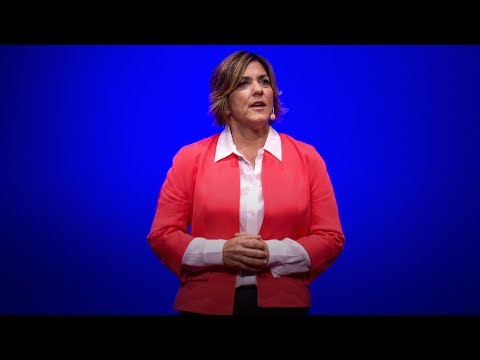
【TED】Tammy Lally: Let's get honest about our money problems (Let's get honest about our money problems | Tammy Lally)
0
林宜悉 posted on 2018/09/21Ever felt awkward talking about money? Tammy Lally shares her personal journey with financial shame and offers a tough-love approach to understanding our money beliefs. You'll pick up advanced vocabulary and gain cultural insights into how family history impacts our finances, making this a practical watch for everyone!
Learn this video on the APP!
The VoiceTube App has more in-depth practice for videos!