
antidote
US /ˈæntidoʊt/
UK /ˈæntidəʊt/
- Noun
- A drug, which limits the effects of a poison
C1TOEICMoreas well as
US /æz wɛl æz/
UK /æz wel æz/
- Adverb
- Also; in addition to
- Preposition
- In addition to; and also.
A1Morebeneficial
US /ˌbɛnəˈfɪʃəl/
UK /ˌbenɪˈfɪʃl/
- Adjective
- Giving an advantage, having a helpful effect
- Promoting or contributing to physical or mental well-being.
B1TOEICMorecause
US /kɔz/
UK /kɔ:z/
- Noun
- Belief, goal or organization that people support
- Reason for
- Transitive Verb
- To make something happen; create effect or result
A2Morecautious
US /ˈkɔʃəs/
UK /ˈkɔ:ʃəs/
- Adjective
- Careful about avoiding danger, problems
B2Morecheck out
US /tʃɛk aʊt/
UK /tʃek aut/
- Phrase
- Phrasal Verb
- To find out information about something
- To take books out of a library
A1Morecholesterol
US /kəˈlestərɔ:l/
UK /kəˈlestərɒl/
- Uncountable Noun
- Substance in the body that may cause heart disease
- Noun
- A test to measure the amount of cholesterol in your blood.
B2Morecognitive
US /ˈkɑɡnɪtɪv/
UK /ˈkɒgnətɪv/
- Adjective
- The process of knowing and remembering
- Relating to the ability to think and reason.
C1Morecomplain
US /kəmˈplen/
UK /kəmˈpleɪn/
- Verb (Transitive/Intransitive)
- To say something is wrong and should be changed
- To make a formal accusation or charge.
B1Moreconstant
US /ˈkɑnstənt/
UK /'kɒnstənt/
- Adjective
- Happening frequently or without pause
- Remaining the same over time or not changing.
- Noun
- Thing that happens always or at a regular rate
- A physical quantity that is believed to have a fixed value and is used in calculations.
A2TOEICMoreconstantly
US /ˈkɑnstəntlɪ/
UK /ˈkɒnstəntli/
- Adverb
- Frequently, or without pause
- In a way that is unchanging or faithful
B1Moredeal with
US /dil wɪð/
UK /di:l wið/
- Verb (Transitive/Intransitive)
- To buy or sell goods or services.
- Phrasal Verb
- To take action to solve a problem or manage a situation.
- To be about; concern.
A1Moredepression
US /dɪˈprɛʃən/
UK /dɪ'preʃn/
- Noun (Countable/Uncountable)
- Medical condition of a lack of vitality
- Period of unemployment and low economic activity
B2Moredetrimental
US /ˌdɛtrəˈmɛntl/
UK /ˌdetrɪˈmentl/
- Adjective
- Harmful
B2Morediabetes
US /ˌdaɪəˈbitɪs, -tiz/
UK /ˌdaɪəˈbi:ti:z/
- Noun (Countable/Uncountable)
- Illness where there is too much sugar in the blood
- A form of diabetes, usually diagnosed in children and young adults, in which the body does not produce insulin.
B2Moredisease
US /dɪˈziz/
UK /dɪˈzi:z/
- Noun (Countable/Uncountable)
- Illness that affects a person, animal, or plant
- A disorder of structure or function in a plant, especially one caused by a pathogen.
- Transitive Verb
- To affect with disease; to corrupt or sicken.
A2TOEICMoredue to
US /du tu/
UK /dju: tu:/
- Preposition
- Because of; owing to
- Adjective
- Attributable to; caused by.
A1Moreelection
US /ɪˈlɛkʃən/
UK /ɪ'lekʃn/
- Noun
- Process of choosing someone by voting
B1TOEICMoreencounter
US /ɛnˈkaʊntɚ/
UK /ɪn'kaʊntə(r)/
- Verb (Transitive/Intransitive)
- To come up against a problem or trouble; meet
- To meet someone or something unexpectedly
- Noun
- A chance meeting; unexpected or unplanned meeting
B1TOEICMoreessential
US /ɪˈsɛnʃəl/
UK /ɪ'senʃl/
- Adjective
- Extremely or most important and necessary
- Fundamental; basic.
- Noun
- A concentrated hydrophobic liquid containing volatile aroma compounds from plants.
B1TOEICMoreeventually
US /ɪˈvɛntʃuəli/
UK /ɪˈventʃuəli/
- Adverb
- After a long time; after many attempts; in the end
- At some later time; in the future
A2Morefatigue
US /fəˈtiɡ/
UK /fəˈti:g/
- Uncountable Noun
- Breaking due to being moved or bent many times
- Being very tired
- Transitive Verb
- To cause someone or something to become very tired
B2Morefuss
US /fʌs/
UK /fʌs/
- Uncountable Noun
- Act of being excited in a complaining manner
- Intransitive Verb
- To be very over-worried or excited
B1Moregrateful
US /ˈɡretfəl/
UK /ˈgreɪtfl/
- Adjective
- Feeling or showing thanks; thankful
B1TOEICMoregratitude
US /ˈɡrætɪˌtud, -ˌtjud/
UK /ˈgrætɪtju:d/
- Uncountable Noun
- Warm friendly feelings of thanks
B2TOEICMorehormone
US /ˈhɔrˌmon/
UK /'hɔ:məʊn/
- Noun
- Chemical produced by the body to control functions
B2Moreimmunity
US /ɪˈmjunɪti/
UK /ɪˈmju:nəti/
- Uncountable Noun
- State of not being able to catch a disease
B1Moreimpair
US /ɪmˈpɛr/
UK /ɪm'peə(r)/
- Transitive Verb
- To damage or weaken something
B2TOEICMorein addition to
US /ɪn əˈdɪʃən tu/
UK /in əˈdiʃən tu:/
- Preposition
- Besides; as well as
- Phrase
- Besides; as well as.
- Furthermore; moreover.
B1Moreingrain
US /ɪn'greɪn/
UK /'ɪn'greɪn/
- Transitive Verb
- To be deeply attached or fixed in
C2Moreinvolve
US /ɪnˈvɑlv/
UK /ɪn'vɒlv/
- Transitive Verb
- To have or be included as a part of something
- To cause (a person or group) to take part in an event or activity.
A2TOEICMoremechanism
US /ˈmɛkəˌnɪzəm/
UK /'mekənɪzəm/
- Noun (Countable/Uncountable)
- Part of a machine that performs a certain function
- System or process for achieving a certain result
B1Morenegative
US /ˈnɛɡətɪv/
UK /'neɡətɪv/
- Noun
- The opposite to a positive electrical charge
- In grammar, containing words such as 'no' or 'not'
- Adjective
- Being harmful, unwanted or unhelpful
- In mathematics, being less than zero
A2Morenegativity
US /ˌneɡəˈtɪvəti/
UK /ˌnegəˈtɪvəti/
- Uncountable Noun
- Tendency to deny or resist suggestions or commands
B1Moreobesity
US /oˈbisɪti/
UK /əʊ'bi:sətɪ/
- Uncountable Noun
- State of being so fat it can harm your health
- The state of being far too heavy; corpulence.
B2Moreoverlook
US /ˌoʊvərˈlʊk/
UK /ˌəʊvəˈlʊk/
- Transitive Verb
- To look down on; be able to see from
- To miss noticing a mistake or problem
B1TOEICMorepersuasion
US /pərˈsweɪʒn/
UK /pəˈsweɪʒn/
- Uncountable Noun
- Using reasons to make people believe something
B2TOEICMorephysical
US /ˈfɪzɪkəl/
UK /ˈfɪzɪkl/
- Countable Noun
- Health check at the doctors' or hospital
- Adjective
- Concerning the body of a person
- Concerning things that can be seen or touched
A2Morepolitical
US /pəˈlɪtɪkəl/
UK /pəˈlɪtɪkl/
- Adjective
- Being active or interested in government matters
- Diplomatic
A2Morepositive
US /ˈpɑzɪtɪv/
UK /ˈpɒzətɪv/
- Adjective
- Showing agreement or support for something
- Being sure about something; knowing the truth
- Noun
- A photograph in which light areas are light and dark areas are dark
A2Morepressure
US /ˈprɛʃɚ/
UK /'preʃə(r)/
- Noun (Countable/Uncountable)
- Anxiety caused by difficult problems
- Force, weight when pressing against a thing
- Transitive Verb
- To apply force to something
- To persuade or force someone to do something
A2TOEICMorerank
US /ræŋk/
UK /ræŋk/
- Transitive Verb
- To rate or class things
- To assign a level or status, as of importance, to
- Noun
- Group of people with a certain level of status
- Level or position, as in society/sport competition
B1TOEICMoreregardless of
US /rɪˈɡɑrdlɪs ʌv/
UK /riˈɡɑ:dlis ɔv/
- Phrase
- Preposition
- Without being affected or influenced by something; despite.
A2Moreresearch
US /rɪˈsɚtʃ, ˈriˌsɚtʃ/
UK /rɪ'sɜ:tʃ/
- Verb (Transitive/Intransitive)
- To study in order to discover new ideas and facts
- To study the market relating to marketing products and services.
- Noun (Countable/Uncountable)
- Study done to discover new ideas and facts
- A particular area or topic of study.
A2TOEICMoreresponse
US /rɪˈspɑns/
UK /riˈspɔns/
- Noun
- Something said/written as an answer to something
- Reaction to something that has occurred
A2TOEICMoreshrink
US /ʃrɪŋk/
UK /ʃrɪŋk/
- Intransitive Verb
- To become smaller
- Noun
- A rude name for a psychiatrist
B1Morestress
US / strɛs/
UK /stres/
- Transitive Verb
- To emphasize one or more parts of a word, sentence
- To put pressure on something or someone
- Noun (Countable/Uncountable)
- Emphasis on part of a word or sentence
- Pressure on something or someone
A2TOEICMoretend
US /tɛnd/
UK /tend/
- Intransitive Verb
- To move or act in a certain manner
- Transitive Verb
- To take care of
A2Morethorn
US /θɔ:rn/
UK /θɔ:n/
- Countable Noun
- Sharp point on the stem/branches of some plants
B2Moretransmit
US /trænsˈmɪt, trænz-/
UK /trænsˈmɪt/
- Transitive Verb
- To broadcast by using signals to a radio/TV
- To broadcast by using signals to a radio/TV
B1Morevent
US /vɛnt/
UK /vent/
- Verb (Transitive/Intransitive)
- To express anger or grievance loudly/with feeling
- Noun (Countable/Uncountable)
- Opening allowing exit/entry of gas, steam etc.
- Expression of feelings often of anger
B2Morevital
US /'vaɪtl/
UK /'vaɪtl/
- Adjective
- Needed to support life; essential
- Full of life; energetic
B1TOEICMorewith it
US /wɪð ɪt/
UK /wið it/
- Adjective
- Intelligent, alert, and up-to-date.
- Understanding and knowledgeable about current trends or information.
A1More
Vocabulary
- with it: Intelligent, alert, and up-to-date.
- regardless of
- due to: Because of; owing to
- in addition to: Besides; as well as
- deal with
- as well as: Also; in addition to
- check out
- constantly: Frequently, or without pause
- cognitive: The process of knowing and remembering
- fatigue: Breaking due to being moved or bent many times
- eventually: After a long time; after many attempts; in the end
- essential: Extremely or most important and necessary
- depression: Medical condition of a lack of vitality
- vital: Needed to support life; essential
- constant: Happening frequently or without pause
- physical: Health check at the doctors' or hospital
- diabetes: Illness where there is too much sugar in the blood
- obesity: State of being so fat it can harm your health
- positive: Showing agreement or support for something
- negative: The opposite to a positive electrical charge
- tend: To move or act in a certain manner
- encounter: To come up against a problem or trouble; meet
- general: Widespread, normal or usual
- develop: To explain something in steps and in detail
- cholesterol: Substance in the body that may cause heart disease
- disease: Illness that affects a person, animal, or plant
- stress: To emphasize one or more parts of a word, sentence
- hormone: Chemical produced by the body to control functions
- gratitude: Warm friendly feelings of thanks
- pressure: Anxiety caused by difficult problems
- research: To study in order to discover new ideas and facts
- cardiovascular: Concerning the heart and vessels of the body
- detrimental: Harmful
- political: Being active or interested in government matters
- mechanism: Part of a machine that performs a certain function
- shrink: To become smaller
- mean: Average of a set of numbers
- deal: To cope with something - usually troubles
- brain: To strike someone forcefully on the head
- response: Something said/written as an answer to something
- cause: Belief, goal or organization that people support
- behavior: The way a person or thing acts; manner
- hippocampus: A part of the brain that is part of the limbic system and is important for memory
- explain: To make clear or easy to understand by describing
- involve: To have or be included as a part of something
- impair: To damage or weaken something
- cortisol: Adrenal-cortex hormone (trade names Hydrocortone or Cortef) that is active in carbohydrate and protein metabolism
- due: When something is required or expected
- social: Involving activity with people, e.g. in free time
- grateful: Feeling or showing thanks; thankful
- aftermath: The bad result/situation after an event
- cautious: Careful about avoiding danger, problems
- fuss: Act of being excited in a complaining manner
- notice: To become aware by sight, touch, or hearing
- antidote: A drug, which limits the effects of a poison
- beneficial: Giving an advantage, having a helpful effect
- election: Process of choosing someone by voting
- transmit: To broadcast by using signals to a radio/TV
- vent: To express anger or grievance loudly/with feeling
- immunity: State of not being able to catch a disease
- rank: To rate or class things
- university: High-level educational institution; college
- complain: To say something is wrong and should be changed
- overlook: To look down on; be able to see from
- negativity: Tendency to deny or resist suggestions or commands
- thorn: Sharp point on the stem/branches of some plants
- persuasion: Using reasons to make people believe something
- ingrain: To be deeply attached or fixed in
Get the full experience in the app
Learn anywhere with detailed sentence and usage analysis
01:03
She took a brave step forward, leaving behind her comfort zone to chase her dreams.
Vocabulary
- brave
adj. Having courage
- comfort zone
phr. A familiar situation where one feels safe
Explanation
a brave step is a noun phrase, where brave is an adjective modifying the noun step, meaning "a courageous step".
forward is an adverb modifying step, meaning "ahead".
The whole phrase serves as the object, answering the "what" of took (verb) — she took a brave step forward.
Get the full experience in the app
Look up words anytime with pronunciation, part of speech, and usage
brave
US/brev/
UK/breɪv/
adj.Brave
v.t.To bravely face
A2 Elementary
Get the full experience in the app
Practice speaking anytime and get instant pronunciation feedback
Try this speaking exercise.
Try practicing with this sentence.
80
How Complaining Affects the Brain and General Health
0
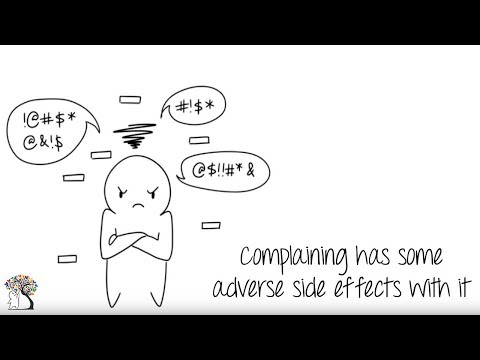
歐小拉 posted on 2018/08/04Ever wondered how complaining actually changes your brain? This video dives into the science behind chronic complaining, explaining its impact on your hippocampus and cortisol levels, and even how it spreads socially! You'll pick up some fascinating vocabulary while learning practical tips to boost your mental health through gratitude.
Learn this video on the APP!
The VoiceTube App has more in-depth practice for videos!