
accent
US /ˈækˌsɛnt/
UK /'æksent/
- Transitive Verb
- To give emphasis to (a point you are making)
- Noun
- Feature of a design, e.g. a stripe on a shirt
- Correct spoken emphasis on a part of a word
A2Moreapprove
US /əˈpruv/
UK /əˈpru:v/
- Transitive Verb
- To formally accept something or grant permission
- To have a positive opinion of someone or something
A2TOEICMoreas soon as
US /æz sun æz/
UK /æz su:n æz/
- Phrase
- In a short time after (something happens)
- Without any delay; immediately
- Conjunction
- At the moment that, or immediately after.
A1Morebutton
US /ˈbʌtn/
UK /'bʌtn/
- Noun (Countable/Uncountable)
- Small round piece material used to fasten clothing
- Switch activated by pressing
- Transitive Verb
- To fasten e.g. a shirt, coat
- To suppress or restrain (feelings, etc.).
A2TOEICMorecontraction
US /kənˈtrækʃən/
UK /kənˈtrækʃn/
- Uncountable Noun
- Process of becoming smaller in length/size
- Involuntary, often painful tightening of a muscle
B2Moredepend
US /dɪˈpend/
UK /dɪˈpend/
- Verb (Transitive/Intransitive)
- Be controlled or determined by (someone/something)
- To rely on someone or something for support, help, or existence.
B1TOEICMoredepending on
US
UK
- Phrasal Verb
- To rely on for support (financial or emotional)
- Influenced or determined by.
- Preposition
- Subject to; contingent on
- Relying on someone or something for support or assistance.
A2Moredisclaimer
US /dɪsˈklemɚ/
UK /dɪsˈkleɪmə(r)/
- Noun
- Written denial of any legal responsibility
C1TOEICMoreenglish speaker
US
UK
- Noun
- A person who speaks English.
- A person with fluency in English.
A2Morefor now
US /fɔr naʊ/
UK /fɔ: nau/
- Phrase
- Temporarily; for the present time.
- In the short term; for the immediate future.
A1Morefor the record
US /fɔr ði rɪˈkɚd/
UK /fɔ: ðə riˈkɔ:d/
- Phrase
- Said to ensure something is officially noted or remembered.
- To state something to ensure the correct information is known.
A1Moreformal
US / ˈfɔrməl/
UK /'fɔ:ml/
- Adjective
- Observing rules and procedures strictly
- Behaving well, politely; wearing your best clothes
A2TOEICMoregrandma
US /ˈɡrændˌmɑ,/
UK /ˈgrænmɑ:/
- Noun
- Mother of your father or mother
B2Morehave to
US /hæv tu/
UK /ˈhæv tə/
- Auxiliary Verb
- Must do
A1Moreimitate
US /ˈɪmɪˌtet/
UK /ˈɪmɪteɪt/
- Transitive Verb
- To act, speak like someone or something else
B2Moreimitation
US /ˌɪmɪˈteʃən/
UK /ˌɪmɪˈteɪʃn/
- Noun (Countable/Uncountable)
- Act of copying or imitating something
- Something made to look like something else, often of lesser quality.
- Adjective
- Made to resemble something else, typically of higher value or quality.
B2Morein fact
US /ɪn fækt/
UK /in fækt/
- Adverb
- Used to emphasize the truth of a statement, especially one that contrasts with or contradicts something else.
- Used to introduce a more detailed or surprising piece of information.
- Phrase
- Used to emphasize the truth of a statement, especially one that is surprising or contrary to what might be expected.
C1Morein the house
US
UK
- Phrase
- Located inside a building used as a dwelling.
- Within a legislative body, such as a parliament or congress.
A1Morein trouble
US /ɪn ˈtrʌbəl/
UK /in ˈtrʌbl/
- Adjective
- Experiencing difficulties, problems, or legal issues.
- other
- In serious trouble or difficulty.
A1Moreinformal
US /ɪnˈfɔrməl/
UK /inˈfɔ:məl/
- Adjective
- Casual; relaxed
- Not official; not done by the rules
B1TOEICMorejoin in
US /dʒɔɪn ɪn/
UK /dʒɔin in/
- Phrasal Verb
A1Morelook at
US /lʊk æt/
UK /luk æt/
- Phrasal Verb
- To use your eyes to focus on something
- To focus your eyes on something carefully
A1Moremiss out
US /mɪs aʊt/
UK /mis aut/
- Phrasal Verb
- To exclude; not include in something
- To fail to take advantage of something; to lose an opportunity.
A1Moremodal
US /ˈmodl:/
UK /'məʊdl/
- Adjective
- Verb like 'may' or 'can', showing a verb's mood
B2Morenative
US /ˈnetɪv/
UK /ˈneɪtɪv/
- Noun (Countable/Uncountable)
- Someone from or born in a specific country
- Original inhabitant, e.g. before others
- Adjective
- Caused by natural ability; innate
A2Morenegative
US /ˈnɛɡətɪv/
UK /'neɡətɪv/
- Noun
- The opposite to a positive electrical charge
- In grammar, containing words such as 'no' or 'not'
- Adjective
- Being harmful, unwanted or unhelpful
- In mathematics, being less than zero
A2Moreof course
US /ʌv kɔː(r)s/
UK /ɔv kɔː(r)s/
- Adverb
- Sure ; Certainly
- Phrase
- For sure; certainly
A2Moreon the way
US /ɑn ði we/
UK /ɔn ðə wei/
- Phrase
- During the journey to a particular place.
A1Moreparticiple
US /pɑ:rˈtɪsɪpl/
UK /pɑ:ˈtɪsɪpl/
- Participle
- Nonfinite form of the verb, e.g. -ing or -ed forms
C2Morepronounce
US /prəˈnaʊns/
UK /prə'naʊns/
- Transitive Verb
- To state something in a legal or official way
- To give your opinion or decision about something
B1Morepronunciation
US /prəˌnʌnsiˈeʃən/
UK /prəˌnʌnsiˈeɪʃn/
- Noun (Countable/Uncountable)
- How a word is said; how a word sounds
- The manner in which someone utters a word.
B1Morerarely
US /ˈrɛrli/
UK /ˈrɛəli/
- Adverb
- Not often (seen, done, etc.); infrequently
A2TOEICMorerefer
US /rɪˈfɚ/
UK /rɪ'fɜ:(r)/
- Verb (Transitive/Intransitive)
- To talk about or write about something
- To give information about something
A2TOEICMorescreen
US /skrin/
UK /skri:n/
- Transitive Verb
- To hide or block something from being seen
- To examine to find something, e.g. best candidate
- Noun
- Wire net in a door or window to keep insects out
- Displays in a theater on which movies are shown
A2TOEICMoresilent
US /ˈsaɪlənt/
UK /'saɪlənt/
- Adjective
- Without making any noise; soundless
- Usually speaking very little
B1Morestandard
US /ˈstændəd/
UK /'stændəd/
- Noun
- Official unit of measuring something
- Principle of behaving in a moral way
- Adjective
- Being the accepted normal level of quality
- (Of a language) being the most accepted in a place
A2TOEICMorestraight
US /stret/
UK /streɪt/
- Adjective
- Not having curves, bends, or angles
- Not gay; heterosexual
- Adverb
- in a line; immediately; honestly and directly
- In a straight line; directly.
A2TOEICMorestructure
US /ˈstrʌk.tʃɚ/
UK /ˈstrʌk.tʃə/
- Noun (Countable/Uncountable)
- The way in which the parts of a system or object are arranged or organized, or a system arranged in this way
- A building or other man-made object.
- Transitive Verb
- To plan, organize, or arrange the parts of something
A2TOEICMoresubscribe
US /səbˈskraɪb/
UK /səb'skraɪb/
- Verb (Transitive/Intransitive)
- To regularly pay to receive a service
B1TOEICMoretake in
US
UK
- Phrasal Verb
- To allow to enter; receive as a guest
- To include or add
- Transitive Verb
- To absorb (liquid).
- To understand or comprehend something.
A1Moretalking about
US
UK
- Phrasal Verb
- To discuss a particular topic.
- To be constantly mentioning or bringing up a subject.
A1Moreto date
US /tu det/
UK /tu: deit/
- Phrase
- Up to the present time; until now.
- Verb (Transitive/Intransitive)
- To go out on romantic dates with someone.
C2Moretongue
US /tʌŋ/
UK /tʌŋ/
- Noun
- Long, thin part of (e.g. shoe under the laces)
- Meat from the mouth of an animal, cooked as food
- Transitive Verb
- To using your mouth to produce musical notes
- To use your mouth to touch something
A2Moretricky
US /ˈtrɪki/
UK /'trɪkɪ/
- Adjective
- Difficult, so needing skill to do or deal with
- Likely to use tricks; dishonest or deceptive
A2Moretwist
US /twɪst/
UK /twɪst/
- Verb (Transitive/Intransitive)
- To turn something in a circular direction
- To turn in a curving direction e.g. road or path
- Noun (Countable/Uncountable)
- Turn or spiral curve in a path or road
- Bend or sudden change of direction
A2Moreunsure
US /ʌnˈʃʊr, -ˈʃə:r/
UK /ˌʌnˈʃʊə(r)/
- Adjective
- Lacking confidence or certainty
- Lacking confidence in your own words or actions
B1Moreused to
US /juzd tu/
UK /ˈju:st tə/
- Adjective
- Did regularly before, but don't do now
- Auxiliary Verb
- Have done before, but do not do now
A1Morewait for
US /wet fɔr/
UK /weit fɔ:/
- Phrasal Verb
- To wait until someone comes, or something happens
A1More
Vocabulary
- talking about: To discuss a particular topic.
- miss out: To exclude; not include in something
- as soon as: In a short time after (something happens)
- to date: Up to the present time; until now.
- on the way: During the journey to a particular place.
- join in
- have to: Must do
- for the record: Said to ensure something is officially noted or remembered.
- in trouble: Experiencing difficulties, problems, or legal issues.
- look at: To use your eyes to focus on something
- used to: Did regularly before, but don't do now
- wait for: To wait until someone comes, or something happens
- depending on: To rely on for support (financial or emotional)
- in the house: Located inside a building used as a dwelling.
- of course: Sure ; Certainly
- take in: To allow to enter; receive as a guest
- in fact: Used to emphasize the truth of a statement, especially one that contrasts with or contradicts something else.
- english speaker: A person who speaks English.
- for now: Temporarily; for the present time.
- subscribe: To regularly pay to receive a service
- pronunciation: How a word is said; how a word sounds
- accent: To give emphasis to (a point you are making)
- imitate: To act, speak like someone or something else
- straight: Not having curves, bends, or angles
- improve: To make, or become, something better
- native: Someone from or born in a specific country
- negative: The opposite to a positive electrical charge
- structure: The way in which the parts of a system or object are arranged or organized, or a system arranged in this way
- tricky: Difficult, so needing skill to do or deal with
- sentence: (Of a judge) to decide the punishment of
- pronounce: To state something in a legal or official way
- contract: To become ill as a result of getting a disease
- bit: Device put in a horse's mouth to control it
- tongue: Long, thin part of (e.g. shoe under the laces)
- address: Exact street location of a place
- refer: To talk about or write about something
- imitation: Act of copying or imitating something
- subject: The person, thing, or idea that is being discussed, described, or studied.
- standard: Official unit of measuring something
- contraction: Process of becoming smaller in length/size
- record: Highest or most extreme level achieved
- click: To work well with someone or something
- formal: Observing rules and procedures strictly
- leave: To go away from; depart
- silent: Without making any noise; soundless
- twist: To turn something in a circular direction
- informal: Casual; relaxed
- depend: Be controlled or determined by (someone/something)
- notice: To become aware by sight, touch, or hearing
- rarely: Not often (seen, done, etc.); infrequently
- button: Small round piece material used to fasten clothing
- sound: Sensible, dependable and reliable
- detail: Small part of something; tiny fact
- lot: What happens to a person in life from chance; fate
- bring: To take or go with someone to a place
- screen: To hide or block something from being seen
- verb: Word that expresses an action or state
- approve: To formally accept something or grant permission
- disclaimer: Written denial of any legal responsibility
- modal: Verb like 'may' or 'can', showing a verb's mood
- participle: Nonfinite form of the verb, e.g. -ing or -ed forms
- unsure: Lacking confidence or certainty
- grandma: Mother of your father or mother
Get the full experience in the app
Learn anywhere with detailed sentence and usage analysis
01:03
She took a brave step forward, leaving behind her comfort zone to chase her dreams.
Vocabulary
- brave
adj. Having courage
- comfort zone
phr. A familiar situation where one feels safe
Explanation
a brave step is a noun phrase, where brave is an adjective modifying the noun step, meaning "a courageous step".
forward is an adverb modifying step, meaning "ahead".
The whole phrase serves as the object, answering the "what" of took (verb) — she took a brave step forward.
Get the full experience in the app
Look up words anytime with pronunciation, part of speech, and usage
brave
US/brev/
UK/breɪv/
adj.Brave
v.t.To bravely face
A2 Elementary
Get the full experience in the app
Practice speaking anytime and get instant pronunciation feedback
Try this speaking exercise.
Try practicing with this sentence.
80
Natural English Pronunciation | Contractions
0
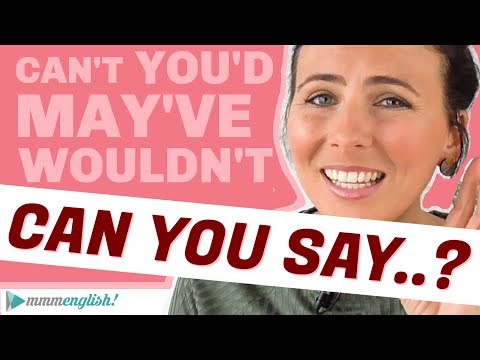
Samuel posted on 2018/08/07Want to sound more natural when you speak English? This video from MmmEnglish breaks down common contractions with modal verbs, like 'could've' and 'shouldn't've', perfect for practicing your pronunciation and sounding like a native speaker! You'll get tons of imitation practice with Emma, making everyday conversations a breeze.
Learn this video on the APP!
The VoiceTube App has more in-depth practice for videos!