
agricultural
US /ˌæɡrɪ'kʌltʃərəl/
UK /ˌæɡrɪ'kʌltʃərəl/
- Adjective
- Concerning farming, or the land
B1Moreagriculture
US /ˈæɡrɪˌkʌltʃɚ/
UK /ˈægrɪkʌltʃə(r)/
- Uncountable Noun
- The science of farming
- The study of farming and related sciences.
A2Morebee
US /bi/
UK /bi:/
- Noun
- Gathering to perform activities and tasks together
- Black and yellow insect that makes honey
B1Morebob
US /bɑ:b/
UK /bɒb/
- Intransitive Verb
- To move up and down repeatedly
- Proper Noun
- Person's name
B2Morecause
US /kɔz/
UK /kɔ:z/
- Noun
- Belief, goal or organization that people support
- Reason for
- Transitive Verb
- To make something happen; create effect or result
A2Morecollapse
US /kəˈlæps/
UK /kə'læps/
- Verb (Transitive/Intransitive)
- To fold (e.g. a stroller) down to make it smaller
- To suddenly fall down or break apart into pieces
- Noun
- The sudden failure of a structure or system.
- The sudden failure of a bodily organ or function.
B1Morecolony
US /ˈkɑləni/
UK /'kɒlənɪ/
- Noun (Countable/Uncountable)
- Group (bees, etc.) that live in the same place
- Country/settlement controlled by another country
B2Morecommercial
US /kəˈmɚʃəl/
UK /kəˈmə:ʃəl/
- Noun
- Radio or television advertisement
- Adjective
- A notice, picture, or film telling people about a product, job, or service.
- Designed for or primarily concerned with financial success.
B1Morecritical
US /ˈkrɪtɪkəl/
UK /ˈkrɪtɪkl/
- Adjective
- Making a negative judgment of something
- Being important or serious; vital; dangerous
A2Moredecrease
US /dɪˈkris/
UK /dɪˈkri:s/
- Verb (Transitive/Intransitive)
- To reduce the size, amount or number of something
- Uncountable Noun
- Amount by which something has been reduced
B1TOEICMoredepartment
US /dɪˈpɑ:rtmənt/
UK /dɪˈpɑ:tmənt/
- Noun
- Division of a larger part or organization
A2TOEICMoredisorder
US /dɪsˈɔrdɚ/
UK /dɪs'ɔ:də(r)/
- Uncountable Noun
- State of confusion or a lack of organization
- Illness when the body is not functioning well
- Transitive Verb
- To disrupt the order or arrangement of something.
B2Morediversity
US /dɪˈvə:sɪti, daɪ-/
UK /daɪ'vɜ:sətɪ/
- Noun (Countable/Uncountable)
- Having a range of different races, ideas etc.
- A range of different things.
B1TOEICMoreentire
US /ɛnˈtaɪr/
UK /ɪn'taɪə(r)/
- Adjective
- Complete or full; with no part left out; whole
- Undivided; not shared or distributed.
A2TOEICMoreextinct
US /ɪkˈstɪŋkt/
UK /ɪkˈstɪŋkt/
- Adjective
- (Of animal, etc.) having died out; with none left
- (E.g. of volcano) not active
B1TOEICMorefestival
US / ˈfɛstəvəl/
UK /ˈfestɪvl/
- Noun
- Cultural event with a program of events
A2Moreforage
US /ˈfɔ:rɪdʒ/
UK /ˈfɒrɪdʒ/
- Uncountable Noun
- Plants that animals eat
- Intransitive Verb
- To wander looking for food as animals do naturally
B2TOEICMorehabitat
US /ˈhæbɪˌtæt/
UK /'hæbɪtæt/
- Noun (Countable/Uncountable)
- Natural place where a plant or animal lives
B1Morehoneybee
US /ˈhʌniˌbi/
UK /ˈhʌnibi:/
- Countable Noun
- Bee often domesticated for the honey it produces
C2Morehost
US /host/
UK /həʊst/
- Noun (Countable/Uncountable)
- Mass; a great number
- Person who entertains guests
- Transitive Verb
- To be the sponsor of an event, e.g. the Olympics
- To lead or start a party, program, or other event
A2TOEICMorein order to
US /ɪn ˈɔrdɚ tu/
UK /in ˈɔ:də tu:/
- Preposition
- For the purpose of; with the aim of.
- Phrase
- In a specific sequence or arrangement.
- With the aim of; for the purpose of.
C1Moreinvolve
US /ɪnˈvɑlv/
UK /ɪn'vɒlv/
- Transitive Verb
- To have or be included as a part of something
- To cause (a person or group) to take part in an event or activity.
A2TOEICMorelocal
US /ˈloʊkl/
UK /ˈləʊkl/
- Noun
- Bus or train, that stops at most stations
- People who live in the area being discussed
- Adjective
- Relating to a particular area, city, or town
A2TOEICMoremall
US /mɔl, mæl/
UK /mɔ:l/
- Noun (Countable/Uncountable)
- Large public area often covered with grass
- Large shopping center with many individual stores
B2TOEICMoremysterious
US /mɪˈstɪriəs/
UK /mɪˈstɪəriəs/
- Adjective
- Unusual; hard to understand or work out
A2Morepercent
US /pɚˈsɛnt/
UK /pə'sent/
- Adverb
- One one-hundredth of a whole; the symbol %
- Noun (Countable/Uncountable)
- A proportion multiplied by 100
- A specified amount in every hundred
A2TOEICMorepesticide
US /ˈpɛstɪˌsaɪd/
UK /ˈpestɪsaɪd/
- Noun (Countable/Uncountable)
- A chemical substance used to kill pests
- The control or management of pesticides.
- Adjective
- Relating to or treated with a pesticide.
- Relating to or having the effect of a pesticide.
B2Morephenomenon
US /fɪˈnɑməˌnɑn, -nən/
UK /fə'nɒmɪnən/
- Noun (Countable/Uncountable)
- Unusual event, fact that can be studied
- Interesting or unusual person, group
B1Morepollinate
US /ˈpɑ:ləneɪt/
UK /ˈpɒləneɪt/
- Transitive Verb
- (Of bees) to put pollen on plant so it makes seed
B2Morepollination
US /ˈpɑləneʃən/
UK /ˌpɒlə'neɪʃn/
- Noun (Countable/Uncountable)
- Putting pollen on a plant so it makes seeds
- The process of pollination carried out by insects.
B2Morepopulation
US /ˌpɑpjəˈleʃən/
UK /ˌpɒpjuˈleɪʃn/
- Noun (Countable/Uncountable)
- Number of people who live in a country, area etc.
- A group of individuals of one species living in a particular area.
A2TOEICMorerent
US /rɛnt/
UK /rent/
- Transitive Verb
- To give the use of something in return for payment
- To cut a piece of cloth by tearing it
A2TOEICMoreresearch
US /rɪˈsɚtʃ, ˈriˌsɚtʃ/
UK /rɪ'sɜ:tʃ/
- Verb (Transitive/Intransitive)
- To study in order to discover new ideas and facts
- To study the market relating to marketing products and services.
- Noun (Countable/Uncountable)
- Study done to discover new ideas and facts
- A particular area or topic of study.
A2TOEICMoretrouble
US /ˈtrʌbəl/
UK /ˈtrʌbl/
- Transitive Verb
- To worry, bother or disturb someone
- To make an effort to do something; bother
- Uncountable Noun
- Lack of public order; disturbance
- State of difficulty or stress
A2TOEICMoreunsustainable
US
UK
- Adjective
- That cannot be kept up or continued
B2More
Vocabulary
- in order to: For the purpose of; with the aim of.
- entire: Complete or full; with no part left out; whole
- phenomenon: Unusual event, fact that can be studied
- critical: Making a negative judgment of something
- disorder: State of confusion or a lack of organization
- commercial: Radio or television advertisement
- mysterious: Unusual; hard to understand or work out
- diversity: Having a range of different races, ideas etc.
- collapse: To fold (e.g. a stroller) down to make it smaller
- cause: Belief, goal or organization that people support
- research: To study in order to discover new ideas and facts
- involve: To have or be included as a part of something
- population: Number of people who live in a country, area etc.
- agriculture: The science of farming
- extinct: (Of animal, etc.) having died out; with none left
- habitat: Natural place where a plant or animal lives
- decrease: To reduce the size, amount or number of something
- colony: Group (bees, etc.) that live in the same place
- system: Set of organized, planned ideas that work together
- order: Religious or social group, as of nuns
- public: Owned by the government
- support: To give assistance or advice to someone
- own: To have something as your property
- host: Mass; a great number
- agricultural: Concerning farming, or the land
- set: Prepared for something; ready
- include: To make someone, something part of a group
- pesticide: A chemical substance used to kill pests
- part: Division of a book
- service: Work that a person does to assist others
- rent: To give the use of something in return for payment
- festival: Cultural event with a program of events
- lose: To be unable to keep in check or control something
- forage: Plants that animals eat
- trouble: To worry, bother or disturb someone
- percent: One one-hundredth of a whole; the symbol %
- department: Division of a larger part or organization
- health: (Person, company) being in a good condition; well
- people: Persons sharing culture, country, background, etc.
- local: Bus or train, that stops at most stations
- need: To be unable to manage without something; require
- pollinate: (Of bees) to put pollen on plant so it makes seed
- close: Almost; near
- call: A order or request for action
- bob: To move up and down repeatedly
- pollination: Putting pollen on a plant so it makes seeds
- unsustainable: That cannot be kept up or continued
- mall: Large public area often covered with grass
- bee: Gathering to perform activities and tasks together
- honeybee: Bee often domesticated for the honey it produces
Get the full experience in the app
Learn anywhere with detailed sentence and usage analysis
01:03
She took a brave step forward, leaving behind her comfort zone to chase her dreams.
Vocabulary
- brave
adj. Having courage
- comfort zone
phr. A familiar situation where one feels safe
Explanation
a brave step is a noun phrase, where brave is an adjective modifying the noun step, meaning "a courageous step".
forward is an adverb modifying step, meaning "ahead".
The whole phrase serves as the object, answering the "what" of took (verb) — she took a brave step forward.
Get the full experience in the app
Look up words anytime with pronunciation, part of speech, and usage
brave
US/brev/
UK/breɪv/
adj.Brave
v.t.To bravely face
A2 Elementary
Get the full experience in the app
Practice speaking anytime and get instant pronunciation feedback
Try this speaking exercise.
Try practicing with this sentence.
80
Keeping Bees Buzzing And Busy
0
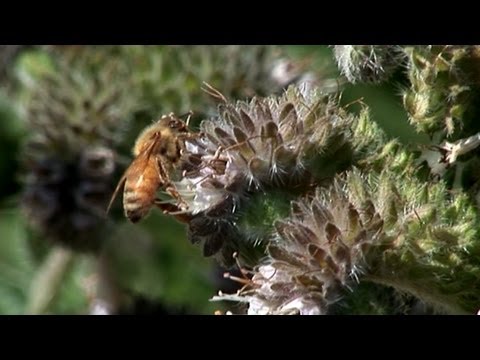
QAM Chen posted on 2013/09/25Did you know bees are crucial for our food? This video dives into the fascinating world of beekeeping, exploring everything from crop pollination and the mysterious Colony Collapse Disorder to the vital work of the USDA and Smithsonian Folklife Festival. You'll pick up advanced vocabulary related to agriculture and conservation, making it a practical and eye-opening watch!
Learn this video on the APP!
The VoiceTube App has more in-depth practice for videos!