habitat
US /ˈhæbɪˌtæt/
・UK /'hæbɪtæt/
B1
n. (c./u.)Noun (Countable/Uncountable)Natural place where a plant or animal lives
A tiger's habitat is the jungle
Video subtitles
30 Things to do in Montreal | Top Attractions Travel Guide

- Habitat 67 is a unique housing complex and
one of the most interesting architectural
Habitat 67 is a unique housing complex and one of the most interesting architectural
- Habitat 67 is a unique housing complex and one of the most interesting architectural landmarks in the city.
Habitat 67 is a unique housing complex and one of the most interesting architectural landmarks in the city.
Animal Adaptations
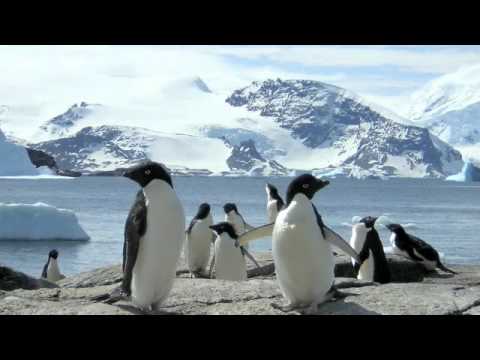
- to see the features of their bodies that help them live in their specific habitat. First,
to see the features of their bodies that help them live in their specific habitat. First,
- the penguin to see the features of their bodies that help them live in their specific habitat.
the penguin to see the features of their bodies that help them live in their specific habitat.
Reef Life of the Andaman (full marine biology documentary)
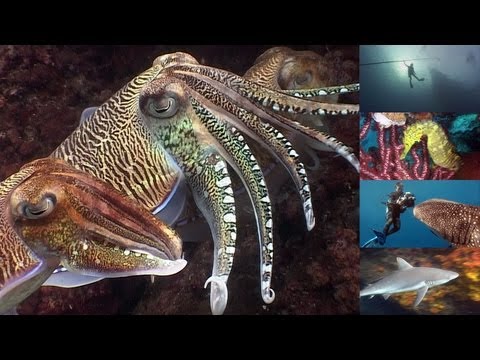
- and this fimbriated moray finds itself sharing its habitat with a variable coral crab.
and this fimbriated moray finds itself sharing its habitat with a variable coral crab.
- and this fimbriated moray finds itself sharing its habitat with a variable coral crab.
and this fimbriated moray finds itself sharing its habitat with a variable coral crab.
Is Poland's tap water really protected by clams?

- Three months later, the clams are returned to their natural habitat.
Three months later, the clams are returned to their natural habitat.
Just How Good is Eagle Vision? | Natural World: Super Powered Eagles | BBC Earth
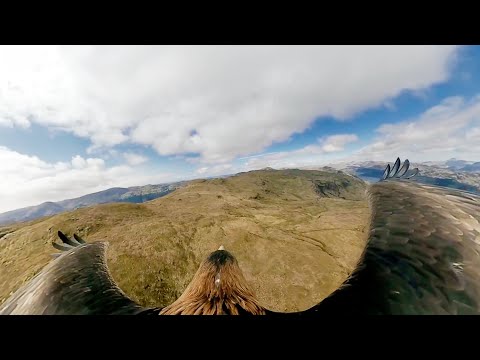
- In their natural habitat, they soar high above the trees.
In their natural habitat, they soar high above the trees.
Training Self-Driving Cars | March 26, 2025

- Mountain gorillas have been classified as endangered, meaning they face a very high risk of extinction in the wild because of factors like poaching, habitat loss, and disease.
Mountain gorillas have been classified as endangered, meaning they face a very high risk of extinction in the wild because of factors like poaching, habitat loss, and disease.
- Mountain gorillas have been classified as endangered, meaning they face a very high risk of extinction in the wild because of factors like poaching, habitat loss, and
Mountain gorillas have been classified as endangered, meaning they face a very high risk of extinction in the wild because of factors like poaching, habitat loss, and
Darwin's Roots | Gumball | Cartoon Network UK

- We have to release him back into his natural habitat.
We have to release him back into his natural habitat.
- We have to release him back into his natural habitat.
We have to release him back into his natural habitat.
Could earthworms help transform the future of organic farming? - BBC World Service, CrowdScience

- For thousands of years, those leaf layers have been largely undisturbed, storing carbon, allowing new seeds to germinate, and providing a habitat for a whole range of wild animals, but not for earthworms.
For thousands of years, those leaf layers have been largely undisturbed, storing carbon, allowing new seeds to germinate, and providing a habitat for a whole range of wild animals, but not for earthworms.
- What they do when they arrive in these forests is eat the leaf litter layer, and that has effects on the organisms that rely on that layer for habitat.
What they do when they arrive in these forests is eat the leaf litter layer, and that has effects on the organisms that rely on that layer for habitat.
Why NASA Is Racing Back To The Moon
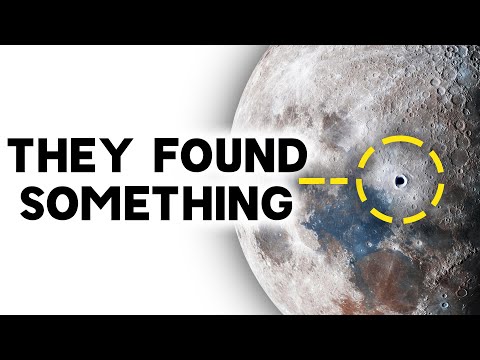
- So starting in the early 2030s, NASA will first bring a habitable mobility platform or lunar cruiser to the South Pole, which scientists can both explore and live in for up to 45 days, shortly followed by their foundational surface habitat, a larger and more permanent lunar outpost that astronauts will inhabit for months at a time.
So starting in the early 2030s, NASA will first bring a habitable mobility platform or lunar cruiser to the South Pole, which scientists can both explore and live in for up to 45 days, shortly followed by their foundational surface habitat, a larger and more permanent lunar outpost that astronauts will inhabit for months at a time.
- It'll be a three story structure with an airlock system, geology lab, and other workspaces on the first floor, while the upper floors will be made of an inflatable habitat and dedicated to crew health and hygiene.
It'll be a three story structure with an airlock system, geology lab, and other workspaces on the first floor, while the upper floors will be made of an inflatable habitat and dedicated to crew health and hygiene.
Tragedy of the Commons
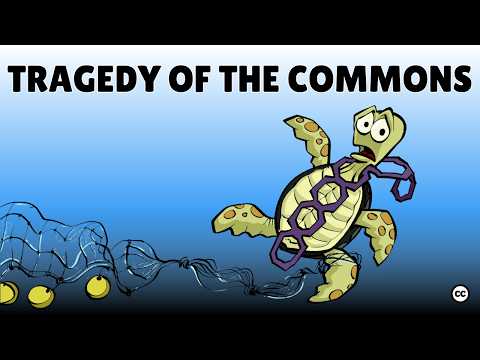
- Just within the last 15 seconds before midnight on December 31st, we would've managed to pollute their natural habitat.
Just within the last 15 seconds before midnight on December 31st, we would've managed to pollute their natural habitat.
- Just within the last 15 seconds before midnight, on December 31, we would have already managed to pollute their entire natural habitat.
Just within the last 15 seconds before midnight, on December 31, we would have already managed to pollute their entire natural habitat.