
along with
US /əˈlɔŋ wɪð/
UK /əˈlɔŋ wið/
- Preposition
- In addition to; together with.
- Adverb
- In company or together with someone or something.
- Including; in addition to.
A2Moreas well as
US /æz wɛl æz/
UK /æz wel æz/
- Adverb
- Also; in addition to
- Preposition
- In addition to; and also.
A1Morebeneficial
US /ˌbɛnəˈfɪʃəl/
UK /ˌbenɪˈfɪʃl/
- Adjective
- Giving an advantage, having a helpful effect
- Promoting or contributing to physical or mental well-being.
B1TOEICMorebenefit
US /ˈbɛnəfɪt/
UK /'benɪfɪt/
- Noun (Countable/Uncountable)
- Good result or effect, something advantageous
- A payment made by the state or an insurance policy to someone
- Verb (Transitive/Intransitive)
- To have a good effect or be helpful
- To receive an advantage; to be helped
A2TOEICMorebloom
US /blum/
UK /blu:m/
- Intransitive Verb
- To flower; to produce flowers
- To achieve an ideal state of beauty and strength
- Noun
- Period of beauty, strength or freshness
B2Morecollapse
US /kəˈlæps/
UK /kə'læps/
- Verb (Transitive/Intransitive)
- To fold (e.g. a stroller) down to make it smaller
- To suddenly fall down or break apart into pieces
- Noun
- The sudden failure of a structure or system.
- The sudden failure of a bodily organ or function.
B1Morecolony
US /ˈkɑləni/
UK /'kɒlənɪ/
- Noun (Countable/Uncountable)
- Group (bees, etc.) that live in the same place
- Country/settlement controlled by another country
B2Morecommercial
US /kəˈmɚʃəl/
UK /kəˈmə:ʃəl/
- Noun
- Radio or television advertisement
- Adjective
- A notice, picture, or film telling people about a product, job, or service.
- Designed for or primarily concerned with financial success.
B1Morecontribute
US /kənˈtrɪbjut/
UK /kən'trɪbju:t/
- Verb (Transitive/Intransitive)
- To be a factor in causing something to happen
- To donate, give (money) or help to something
A2Morecorrelation
US /ˌkɔrəˈleʃən, ˌkɑr-/
UK /ˌkɒrəˈleɪʃn/
- Noun (Countable/Uncountable)
- The relationship between two variables
- A statistical measure that expresses the extent to which two variables are linearly related (meaning they change together at a constant rate).
B1Moredecline
US /dɪˈklaɪn/
UK /dɪ'klaɪn/
- Intransitive Verb
- To bend towards the ground
- To slope downward.
- Verb (Transitive/Intransitive)
- To lessen in quality or value
A2TOEICMoredestructive
US /dɪˈstrʌktɪv/
UK /dɪ'strʌktɪv/
- Adjective
- Causing a very large amount of damage
- Tending to demolish or tear down; negative; unhelpful.
B2Moredetrimental
US /ˌdɛtrəˈmɛntl/
UK /ˌdetrɪˈmentl/
- Adjective
- Harmful
B2Moredisorder
US /dɪsˈɔrdɚ/
UK /dɪs'ɔ:də(r)/
- Uncountable Noun
- State of confusion or a lack of organization
- Illness when the body is not functioning well
- Transitive Verb
- To disrupt the order or arrangement of something.
B2Moreevolve
US /ɪˈvɑlv/
UK /ɪ'vɒlv/
- Verb (Transitive/Intransitive)
- To develop certain features
- To develop or change slowly over time
B1Moreexpand
US /ɪkˈspænd/
UK /ɪk'spænd/
- Verb (Transitive/Intransitive)
- To make something larger in size, number, amount
A2TOEICMoreexpose
US /ɪkˈspoʊz/
UK /ɪk'spəʊz/
- Transitive Verb
- To make visible, without covering or protection
- To allow light through a cameras lens onto film
A2TOEICMorefabulous
US /ˈfæbjələs/
UK /ˈfæbjələs/
- Adjective
- Almost impossible to believe, incredible
- Almost impossible to believe; mythical.
B2Morefactor
US /ˈfæktɚ/
UK /'fæktə(r)/
- Noun
- Something that influences a result
- Transitive Verb
- To consider or include in an estimate or judgment
- To find the two numbers a number can be divided by
A2TOEICMorefeed on
US /fid ɑn/
UK /fi:d ɔn/
- Phrasal Verb
- To eat a particular food.
- To increase or become stronger because of something.
A1Moreferal
US /ˈfɪrəl, ˈfɛr-/
UK /ˈferəl/
- Adjective
- Wild; behaving like a wild animal
C1TOEICMoregoing on
US /ˈɡoɪŋ ɑn/
UK /ˈgəʊɪŋ ɔn/
- Phrasal Verb
- To continue doing something
- To happen (usually negative)
A1Morehabitat
US /ˈhæbɪˌtæt/
UK /'hæbɪtæt/
- Noun (Countable/Uncountable)
- Natural place where a plant or animal lives
B1Moreheal
US /hi:l/
UK /hi:l/
- Verb (Transitive/Intransitive)
- To recover from or forget a bad experience
- To make or become healthy or well again
B1Morehive
US /haɪv/
UK /haɪv/
- Noun (Countable/Uncountable)
- Place that has a lot of activity in it
- Box used for housing bees
B2Moreimmature
US /ˌɪməˈtʃʊr/
UK /ˌɪməˈtjʊə(r)/
- Adjective
- Behaving like a child, especially emotionally
- Not fully grown or developed
B1Morein general
US /ɪn ˈdʒɛnərəl/
UK /in ˈdʒenərəl/
- Phrase
- Typically; usually; on the whole.
- Not specific or detailed; broadly.
- Adjective
- Not detailed or specific; overall.
C2Morein particular
US /ɪn pɚˈtɪkjəlɚ/
UK /in pəˈtikjulə/
- Phrase
- Specifically; especially.
- Detailed or precise.
A1Morein the middle of
US
UK
- Phrase
- In the central part or point of something.
- Engaged or occupied with something.
A2Morein the news
US
UK
- Phrase
- Being widely reported in the media.
A1Morein trouble
US /ɪn ˈtrʌbəl/
UK /in ˈtrʌbl/
- Adjective
- Experiencing difficulties, problems, or legal issues.
- other
- In serious trouble or difficulty.
A1Moreincident
US / ˈɪnsɪdənt/
UK /ˈɪnsɪdənt/
- Noun (Countable/Uncountable)
- Event, usually unusual or important; accident
- A political event that causes difficulties.
A2Moreindependent
US /ˌɪndɪˈpɛndənt/
UK /ˌɪndɪˈpendənt/
- Adjective
- Making your own decisions; acting by yourself
- Not connected with or influenced by something else.
- Noun
- A person not connected to a political party
- Someone who is independent, especially in politics or business.
A2TOEICMoreinspection
US /ɪnˈspɛkʃən/
UK /ɪnˈspekʃn/
- Noun
- Official examination to make sure everything is ok
B1TOEICMoreinvasive
US /ɪnˈvesɪv/
UK /ɪnˈveɪsɪv/
- Adjective
- Entering the body, etc. in a destructive way
- Tending to spread aggressively; intrusive.
C1Moreknow about
US /noʊ əˈbaʊt/
UK /nəʊ əˈbaut/
- Phrasal Verb
- To have information or understanding of a subject or situation.
lead to
US /lid tu/
UK /li:d tu:/
- Phrasal Verb
- To result in some action
- Verb (Transitive/Intransitive)
- To have something as a consequence or result.
A1Morelivestock
US /ˈlaɪvˌstɑk/
UK /ˈlaɪvstɒk/
- Noun (Countable/Uncountable)
- Any animals kept for use or profit
B2Moremanual
US /ˈmænjuəl/
UK /ˈmænjuəl/
- Adjective
- Done by hand (not machine)
- (Of a car) using individual gears ( not automatic)
- Countable Noun
- Book explaining how to use a machine
A2TOEICMoremite
US /maɪt/
UK /maɪt/
- Countable Noun
- A very small child
- Very small creature
C1TOEICMoremultitude
US /ˈmʌltɪˌtud, -ˌtjud/
UK /ˈmʌltɪtju:d/
- Noun (Countable/Uncountable)
- Large number of people or things; crowd
B2TOEICMoremystery
US /ˈmɪstəri/
UK /ˈmɪstri/
- Noun (Countable/Uncountable)
- Quality of being strange and not understood
- Book, play, or film about solving a strange crime
A2Morenative
US /ˈnetɪv/
UK /ˈneɪtɪv/
- Noun (Countable/Uncountable)
- Someone from or born in a specific country
- Original inhabitant, e.g. before others
- Adjective
- Caused by natural ability; innate
A2Morenectar
US /ˈnɛktɚ/
UK /ˈnektə(r)/
- Noun (Countable/Uncountable)
- Sweet liquid found in plants
- A delicious or delightful drink.
B2Moreno matter
US
UK
- Conjunction
- Regardless of; it does not matter.
- Adverb
- Regardless of; it is not important
A1Morenutrition
US /nuˈtrɪʃən, nju-/
UK /njuˈtrɪʃn/
- Uncountable Noun
- Scientific study of the effects of foods on health
- Food and other things you eat or drink
B1Morenutritious
US /nuˈtrɪʃəs/
UK /njuˈtrɪʃəs/
- Adjective
- Providing nourishment; good to include in the diet
B1Moreof ours
US /ʌv ˈaʊɚz/
UK /əv ˈaʊəz/
- other
- Belonging to us; associated with us.
A2Moreon the market
US
UK
- Phrase
- Available for sale.
- Actively seeking employment.
A2Moreparasite
US /ˈpærəˌsaɪt/
UK /'pærəsaɪt/
- Noun (Countable/Uncountable)
- Small animal or plant living off a bigger one
- One who depends on someone else, without working
B2Morepest
US /pɛst/
UK /pest/
- Noun (Countable/Uncountable)
- Person, often a small child, who bothers people
- Insect or small animal that ruins plants or food
B1TOEICMorepesticide
US /ˈpɛstɪˌsaɪd/
UK /ˈpestɪsaɪd/
- Noun (Countable/Uncountable)
- A chemical substance used to kill pests
- The control or management of pesticides.
- Adjective
- Relating to or treated with a pesticide.
- Relating to or having the effect of a pesticide.
B2Morepollen
US /ˈpɑ:lən/
UK /ˈpɒlən/
- Uncountable Noun
- Fine, usually yellow powder produced by plants
B2Morepollinate
US /ˈpɑ:ləneɪt/
UK /ˈpɒləneɪt/
- Transitive Verb
- (Of bees) to put pollen on plant so it makes seed
B2Morereproduce
US /ˌriprəˈdus, -ˈdjus/
UK /ˌri:prə'dju:s/
- Verb (Transitive/Intransitive)
- To make a copy of something
- To have children/young; grow roots/new plants
B1Moreresort
US /rɪ'zɔ:rt/
UK /rɪ'zɔ:t/
- Noun
- Act of choosing something to help with a problem
- Vacation hotel or complex; area for holidays
B1TOEICMoresurvive
US /sɚˈvaɪv/
UK /sə'vaɪv/
- Intransitive Verb
- To continue to live despite illness or trouble
A2TOEICMoresusceptible
US /səˈsɛptəbəl/
UK /səˈseptəbl/
- Adjective
- Likely to fall prey to, be drawn to or influenced
- At risk of developing a certain illness or problem
B2TOEICMoresuspect
US /səˈspɛkt/
UK /sə'spekt/
- Noun
- Person thought to have committed a crime
- Transitive Verb
- To consider someone is the one guilty of a crime
- To doubt or lack trust
A2TOEICMoretend
US /tɛnd/
UK /tend/
- Intransitive Verb
- To move or act in a certain manner
- Transitive Verb
- To take care of
A2Moreunusual
US /ʌnˈjuʒuəl/
UK /ʌnˈju:ʒuəl/
- Adjective
- Being rare or uncommon; not ordinary; strange
- Remarkable or interesting because different from or better than others.
B1Morevariety
US /vəˈraɪɪti/
UK /və'raɪətɪ/
- Noun
- Particular type of thing or person
- The quality or state of being different or diverse; the absence of uniformity, sameness, or monotony.
A2TOEICMore
Vocabulary
- in trouble: Experiencing difficulties, problems, or legal issues.
- in general: Typically; usually; on the whole.
- of ours: Belonging to us; associated with us.
- in the news: Being widely reported in the media.
- in particular: Specifically; especially.
- feed on: To eat a particular food.
- on the market: Available for sale.
- going on: To continue doing something
- as well as: Also; in addition to
- lead to: To result in some action
- in the middle of: In the central part or point of something.
- along with: In addition to; together with.
- know about: To have information or understanding of a subject or situation.
- no matter: Regardless of; it does not matter.
- susceptible: Likely to fall prey to, be drawn to or influenced
- disorder: State of confusion or a lack of organization
- native: Someone from or born in a specific country
- tend: To move or act in a certain manner
- evolve: To develop certain features
- treat: To pay for the food or enjoyment of someone else
- general: Widespread, normal or usual
- variety: Particular type of thing or person
- environment: Natural world in which plants and animals live
- contribute: To be a factor in causing something to happen
- decline: To bend towards the ground
- exist: To be present, alive or real
- correlation: The relationship between two variables
- commercial: Radio or television advertisement
- suspect: Person thought to have committed a crime
- detrimental: Harmful
- collapse: To fold (e.g. a stroller) down to make it smaller
- benefit: Good result or effect, something advantageous
- factor: Something that influences a result
- plain: Obvious; clearly so, true
- expand: To make something larger in size, number, amount
- survive: To continue to live despite illness or trouble
- fabulous: Almost impossible to believe, incredible
- provide: To make available; to supply for use
- incident: Event, usually unusual or important; accident
- independent: Making your own decisions; acting by yourself
- resort: Act of choosing something to help with a problem
- fall: Season after summer and before winter; Autumn
- nutrition: Scientific study of the effects of foods on health
- expose: To make visible, without covering or protection
- mystery: Quality of being strange and not understood
- heal: To recover from or forget a bad experience
- destructive: Causing a very large amount of damage
- habitat: Natural place where a plant or animal lives
- colony: Group (bees, etc.) that live in the same place
- manual: Done by hand (not machine)
- livestock: Any animals kept for use or profit
- invasive: Entering the body, etc. in a destructive way
- beneficial: Giving an advantage, having a helpful effect
- parasite: Small animal or plant living off a bigger one
- reproduce: To make a copy of something
- afraid: Worried that something bad will happen; scared
- pesticide: A chemical substance used to kill pests
- lot: What happens to a person in life from chance; fate
- front: Behavior not showing a person's true feelings
- unusual: Being rare or uncommon; not ordinary; strange
- immature: Behaving like a child, especially emotionally
- disappear: To no longer see because it's not there any more
- pest: Person, often a small child, who bothers people
- multitude: Large number of people or things; crowd
- inspection: Official examination to make sure everything is ok
- widely: To a large degree; over a large range
- bloom: To flower; to produce flowers
- pollen: Fine, usually yellow powder produced by plants
- nutritious: Providing nourishment; good to include in the diet
- nectar: Sweet liquid found in plants
- hive: Place that has a lot of activity in it
- spring: Coil of metal that lessens impact, e.g. on cars
- live: To be alive
- dead: Not alive
- feral: Wild; behaving like a wild animal
- pollinate: (Of bees) to put pollen on plant so it makes seed
- mite: A very small child
Get the full experience in the app
Learn anywhere with detailed sentence and usage analysis
01:03
She took a brave step forward, leaving behind her comfort zone to chase her dreams.
Vocabulary
- brave
adj. Having courage
- comfort zone
phr. A familiar situation where one feels safe
Explanation
a brave step is a noun phrase, where brave is an adjective modifying the noun step, meaning "a courageous step".
forward is an adverb modifying step, meaning "ahead".
The whole phrase serves as the object, answering the "what" of took (verb) — she took a brave step forward.
Get the full experience in the app
Look up words anytime with pronunciation, part of speech, and usage
brave
US/brev/
UK/breɪv/
adj.Brave
v.t.To bravely face
A2 Elementary
Get the full experience in the app
Practice speaking anytime and get instant pronunciation feedback
Try this speaking exercise.
Try practicing with this sentence.
80
0
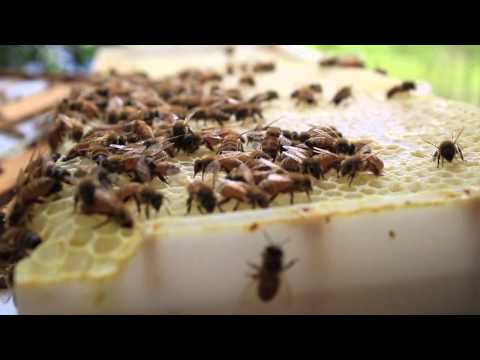
QAM Chen posted on 2013/09/25Ever wonder what's really going on with our buzzing buddies? This video dives deep into Colony Collapse Disorder and the threats bees face, like Varroa mites and neonicotinoids, giving you tons of advanced vocabulary to impress your friends! Plus, you'll learn practical tips for habitat gardening and why pollination is so crucial for our food.
Learn this video on the APP!
The VoiceTube App has more in-depth practice for videos!