
above all
US /əˈbʌv ɔl/
UK /əˈbʌv ɔ:l/
- Phrase
- Most importantly; more than anything else.
A1Moreagency
US /ˈedʒənsi/
UK /'eɪdʒənsɪ/
- Noun (Countable/Uncountable)
- Business that provides some service for others
B1TOEICMoreanxiety
US /æŋˈzaɪɪti/
UK /æŋ'zaɪətɪ/
- Uncountable Noun
- A feeling of worry, nervousness, or unease about something that might happen, especially when the outcome is uncertain.
B1Moreat night
US /æt naɪt/
UK /æt nait/
- Phrase
- During the night; in the nighttime.
A1Moreawe
US /ɔ/
UK /ɔ:/
- Verb (Transitive/Intransitive)
- To feel admiration, respect, or fear
- Uncountable Noun
- A feeling of great respect sometimes mixed with fear or surprise.
B2Morebenign
US /bɪˈnaɪn/
UK /bɪˈnaɪn/
- Adjective
- (Of cancer) not harmful or too serious
- Kind and gentle
C1TOEICMorebuild up
US /bɪld ʌp/
UK /bild ʌp/
- Phrasal Verb
- To increase the amount; collect something
- To develop or increase something in stages
- Verb (Transitive/Intransitive)
- To increase or develop something gradually.
- To praise or encourage someone.
A1Moreclarity
US /ˈklærɪti/
UK /'klærətɪ/
- Uncountable Noun
- Being easy to be seen through, heard or understood
- The quality of an image being sharp and clear
B1Morecompassion
US /kəmˈpæʃən/
UK /kəmˈpæʃn/
- Uncountable Noun
- Feeling of wanting to help suffering people
- Actions that demonstrate care and concern for others.
B2Morecontempt
US /kənˈtɛmpt/
UK /kənˈtempt/
- Uncountable Noun
- Extreme lack of respect; strong disapproval
- Legal lack of respect for a court or judge
B1TOEICMorecontent
US /ˈkɑnˌtɛnt/
UK /'kɒntent/
- Adjective
- Being happy or satisfied
- In a state of peaceful happiness.
- Noun (Countable/Uncountable)
- Information in something, e.g. book or computer
- The subject matter of a book, speech, etc.
A2Morecult
US /kʌlt/
UK /kʌlt/
- Noun
- Small extreme religious group
- Adjective
- Very much liked by a small group of people
B2Morecure
US /kjʊr/
UK /kjʊə(r)/
- Noun
- Something that solves a problem or makes it better
- Medical treatment making a sick person healthy
- Transitive Verb
- To fix or improve a problem
- To make someone healthy or make a disease go away
B1Morecurse
US /kɚs/
UK /kɜ:s/
- Verb (Transitive/Intransitive)
- To use offensive language when angry; swear
- Noun
- Act to cause trouble to others
- A word or phrase used to express anger or annoyance.
B1Moredecency
US /ˈdisənsi/
UK /ˈdi:snsi/
- Uncountable Noun
- Behavior that is good, moral and acceptable
B2Moredecent
US /ˈdisənt/
UK /ˈdi:snt/
- Adjective
- Being fairly good; acceptable
- Conforming to conventionally accepted standards of behaviour; respectable or moral.
B1Moredepression
US /dɪˈprɛʃən/
UK /dɪ'preʃn/
- Noun (Countable/Uncountable)
- Medical condition of a lack of vitality
- Period of unemployment and low economic activity
B2Moredeserve
US /dɪˈzɚv/
UK /dɪ'zɜ:v/
- Transitive Verb
- To be worthy of, e.g. getting praise or attention
A2TOEICMoredestiny
US /ˈdɛstəni/
UK /'destənɪ/
- Uncountable Noun
- Someone's future; the power that governs this
B1Moredirect
US /dɪˈrɛkt, daɪ-/
UK /də'rekt/
- Transitive Verb
- To tell someone in a very clear way to do something
- To show the way by conducting or leading
- Adverb
- Coming straight from something
A2TOEICMoredisaster
US /dɪˈzæstɚ, -ˈsæs-/
UK /dɪ'zɑ:stə(r)/
- Noun (Countable/Uncountable)
- State of extreme ruin and misfortune
- A complete failure.
- Uncountable Noun
- A situation that has gone terribly wrong.
A2Moredistress
US /dɪˈstrɛs/
UK /dɪ'stres/
- Uncountable Noun
- State of great sadness, anxiety or pain
- Condition of danger or emergency
- Transitive Verb
- To cause someone anxiety or sadness
- To be in financial trouble
B1Moreemphasize
US /ˈɛmfəˌsaɪz/
UK /'emfəsaɪz/
- Transitive Verb
- To stress the items that are important
B2TOEICMoreencourage
US /ɛnˈkɚrɪdʒ, -ˈkʌr-/
UK /ɪn'kʌrɪdʒ/
- Transitive Verb
- To increase the chance of something happening
- To make someone more determined or confident
A2TOEICMoreendorse
US /ɪnˈdɔ:rs/
UK /ɪnˈdɔ:s/
- Transitive Verb
- To show or express approval of
- To sign your name on the back of a check
B2TOEICMoreevidence of
US
UK
- Phrase
- Facts, objects, or signs that make you believe that something is true.
- Something that shows that something else exists or is true.
A1Moreexposure
US /ɪkˈspoʒɚ/
UK /ɪk'spəʊʒə(r)/
- Noun
- Allowing light through a cameras lens onto film
- Being talked about in the media
A2TOEICMoregenerate
US /ˈdʒɛnəˌret/
UK /ˈdʒenəreɪt/
- Transitive Verb
- To create or be produced or bring into existence
- To create electricity, heat, energy and power
A2TOEICMoregrasp
US /ɡræsp/
UK /ɡrɑ:sp/
- Noun
- Person's control over something
- Act of holding something strongly in your hands
- Transitive Verb
- To hold something in your hand very tightly
- To understand or make sense of a complex idea
B1TOEICMorehave to
US /hæv tu/
UK /ˈhæv tə/
- Auxiliary Verb
- Must do
A1Morehuge
US /hjudʒ/
UK /hju:dʒ/
- Adjective
- Very very large
A2Morehumble
US /ˈhʌmbəl/
UK /'hʌmbl/
- Adjective
- Being lower in quality or status
- Not proud/arrogant; of low status
- Transitive Verb
- To make someone feel less proud or confident
B2TOEICMoreimmense
US /ɪˈmɛns/
UK /ɪˈmens/
- Adjective
- Very great in size or amount
- Extremely great in degree; vast.
B1Morein comparison
US /ɪn kəmˈpærɪsən/
UK /in kəmˈpærisən/
- Adverb
- When compared to something else.
- Phrase
- When compared to something else.
- When considering the differences between two or more things.
A1Morein perspective
US /ɪn pɚˈspɛktɪv/
UK /in pəˈspektiv/
- Phrase
- Considered in relation to other things, so as to judge what is truly important.
- Adverb
- Judged in relation to other things and so not seeming as bad or extreme.
C1Morein question
US /ɪn ˈkwɛstʃən/
UK /in ˈkwestʃən/
- Adjective
- Being doubted or disputed; under discussion.
- Referring to someone or something that has already been mentioned.
A1Morein the past
US
UK
- Phrase
- During a former period of time; previously.
A1Morein touch
US /ɪn tʌtʃ/
UK /in tʌtʃ/
- Adjective
- Having contact or communication with someone.
- Aware of or informed about something.
B1Morelack
US /læk/
UK /læk/
- Verb (Transitive/Intransitive)
- To not have, or not have enough, of something
- Uncountable Noun
- The state of not having or not having enough of
A2TOEICMoreliberate
US /ˈlɪbəˌret/
UK /'lɪbəreɪt/
- Transitive Verb
- To free someone or something that was captured
B2Moremeritocratic
US
UK
- Adjective
- Concerning or characteristic of a meritocracy
C1Moremisfortune
US /ˌmɪsˈfɔ:rtʃu:n/
UK /ˌmɪsˈfɔ:tʃu:n/
- Uncountable Noun
- Unfortunate or unlucky event
B2Moreof itself
US /ʌv ɪtˈself/
UK /əv ɪtˈself/
- other
- Happening automatically without external cause or help.
B1Moreordinary
US /ˈɔ:rdneri/
UK /'ɔ:dnrɪ/
- Adjective
- Normal or usual
- Of the rank of ordinary seaman.
- Noun
- An ecclesiastical judge or official having ordinary jurisdiction in a given area.
- Any of several simple and basic geometrical figures.
A2TOEICMoreout there
US /aʊt ðɛr/
UK /aut ðɛə/
- Adverb
- In or to a place that is far away
- Existing in the universe
- Adjective
- Unconventional; strange; avant-garde
- Existing or available.
A1Moreperspective
US /pɚˈspɛktɪv/
UK /pə'spektɪv/
- Noun (Countable/Uncountable)
- Artistic method of creating a sense of distance
- Ability to understand what is important in life
B1TOEICMorephilosophy
US /fɪˈlɑsəfi/
UK /fə'lɒsəfɪ/
- Uncountable Noun
- Study of ideas about the basic nature of life
- Attitude to life that a person has
C1Moreprestige
US /prɛˈstiʒ, -ˈstidʒ/
UK /preˈsti:ʒ/
- Uncountable Noun
- High respect and status, as from being successful
- The power to impress or influence, often due to a high reputation.
- Adjective
- having or showing success, rank, wealth, etc.
- Having or showing high status.
B2Moreproper
US /ˈprɑpɚ/
UK /'prɒpə(r)/
- Adjective
- Correct according to social or moral rules
- Behaving in a polite and socially acceptable way.
A2TOEICMoreput into action
US
UK
- Phrasal Verb
- To start using a plan or method.
- To activate or initiate a process or system.
- Transitive Verb
- To deploy troops for military engagement.
- To enforce a new law.
A1Morerather than
US
UK
- Adverb
- More exactly; more correctly
- Preferably; instead
- Preposition
- Instead of
A1Moreregularly
US /ˈregjələrli/
UK /ˈregjələli/
- Adverb
- At the usual time each day, week, or month
- In a normal or customary way.
B1TOEICMoresane
US /sen/
UK /seɪn/
- Adjective
- showing good judgment and understanding
- having a healthy mind and not mentally ill
B2Moresecular
US /ˈsɛkjəlɚ/
UK /ˈsekjələ(r)/
- Adjective
- Not connected or controlled by religious beliefs
B2TOEICMoresettle for
US /ˈsɛtl fɔr/
UK /ˈsetl fɔ:/
- Phrasal Verb
- To accept something although not satisfied with it
A2Moreslightly
US /ˈslaɪtli/
UK /ˈslaɪtli/
- Adverb
- Only a little
B1Moresociety
US /səˈsaɪɪti/
UK /sə'saɪətɪ/
- Noun (Countable/Uncountable)
- A group who meet to share values or interests
- Group of people living together
A2TOEICMorestatus
US /ˈstetəs, ˈstætəs/
UK /'steɪtəs/
- Uncountable Noun
- Position or rank relative to others in a society
- Legal position of a person or thing
A2TOEICMorestress
US / strɛs/
UK /stres/
- Transitive Verb
- To emphasize one or more parts of a word, sentence
- To put pressure on something or someone
- Noun (Countable/Uncountable)
- Emphasis on part of a word or sentence
- Pressure on something or someone
A2TOEICMoresystemic
US /sɪˈstɛmɪk/
UK /sɪ'stemɪk/
- Adjective
- Affecting the entire body, system
- Relating to or affecting the entire body or a system.
B2Moretalent
US /ˈtælənt/
UK /'tælənt/
- Noun (Countable/Uncountable)
- Natural ability of a person to do something well
- Person with a strong natural ability in something
B1Moretender
US /ˈtɛndɚ/
UK /'tendə(r)/
- Adjective
- Gentle; with great care or consideration
- Feeling pain when an area of skin is touched
- Noun
- A formal offer for something (e.g. some business)
B2TOEICMoreused to
US /juzd tu/
UK /ˈju:st tə/
- Adjective
- Did regularly before, but don't do now
- Auxiliary Verb
- Have done before, but do not do now
A1Morevast
US /væst/
UK /vɑ:st/
- Adjective
- Being very large in size or amount
A2TOEICMore
Vocabulary
- rather than: More exactly; more correctly
- have to: Must do
- in touch: Having contact or communication with someone.
- in question: Being doubted or disputed; under discussion.
- put into action: To start using a plan or method.
- in the past: During a former period of time; previously.
- of itself: Happening automatically without external cause or help.
- evidence of: Facts, objects, or signs that make you believe that something is true.
- used to: Did regularly before, but don't do now
- in perspective: Considered in relation to other things, so as to judge what is truly important.
- at night: During the night; in the nighttime.
- out there: In or to a place that is far away
- settle for: To accept something although not satisfied with it
- in comparison: When compared to something else.
- build up: To increase the amount; collect something
- above all: Most importantly; more than anything else.
- perspective: Artistic method of creating a sense of distance
- anxiety: A feeling of worry, nervousness, or unease about something that might happen, especially when the outcome is uncertain.
- decent: Being fairly good; acceptable
- depression: Medical condition of a lack of vitality
- content: Being happy or satisfied
- present: Being in attendance; being there; having turned up
- slightly: Only a little
- deserve: To be worthy of, e.g. getting praise or attention
- vast: Being very large in size or amount
- compassion: Feeling of wanting to help suffering people
- sense: Certain mental feeling or emotion
- exposure: Allowing light through a cameras lens onto film
- philosophy: Study of ideas about the basic nature of life
- stress: To emphasize one or more parts of a word, sentence
- failure: When things go wrong; lack of function
- proper: Correct according to social or moral rules
- distress: State of great sadness, anxiety or pain
- encourage: To increase the chance of something happening
- lack: To not have, or not have enough, of something
- status: Position or rank relative to others in a society
- humble: Being lower in quality or status
- ordinary: Normal or usual
- immense: Very great in size or amount
- society: A group who meet to share values or interests
- direct: To tell someone in a very clear way to do something
- disaster: State of extreme ruin and misfortune
- grasp: Person's control over something
- emphasize: To stress the items that are important
- huge: Very very large
- generate: To create or be produced or bring into existence
- curse: To use offensive language when angry; swear
- sane: showing good judgment and understanding
- tender: Gentle; with great care or consideration
- prestige: High respect and status, as from being successful
- contempt: Extreme lack of respect; strong disapproval
- clarity: Being easy to be seen through, heard or understood
- agency: Business that provides some service for others
- destiny: Someone's future; the power that governs this
- talent: Natural ability of a person to do something well
- cure: Something that solves a problem or makes it better
- belief: Being sure that something exists or is true
- regularly: At the usual time each day, week, or month
- cult: Small extreme religious group
- place: To put someone in a particular type of situation
- secular: Not connected or controlled by religious beliefs
- awe: To feel admiration, respect, or fear
- benign: (Of cancer) not harmful or too serious
- modern: Of the present time; up to date; contemporary
- endorse: To show or express approval of
- world: All the humans, events, activities on the earth
- liberate: To free someone or something that was captured
- real: Actually existing or happening, not imagined
- feel: To be aware of or experience an emotion, sensation
- life: All the living things e.g. animals, plants, humans
- human: A person; a man, woman or child
- special: Being additional or extra
- decency: Behavior that is good, moral and acceptable
- good: Proper, appropriate or right
- misfortune: Unfortunate or unlucky event
- idea: Belief, thought, suggestion, opinion or plan
- systemic: Affecting the entire body, system
- everyday: Used or seen daily; for daily use; ordinary
- meritocratic: Concerning or characteristic of a meritocracy
Get the full experience in the app
Learn anywhere with detailed sentence and usage analysis
01:03
She took a brave step forward, leaving behind her comfort zone to chase her dreams.
Vocabulary
- brave
adj. Having courage
- comfort zone
phr. A familiar situation where one feels safe
Explanation
a brave step is a noun phrase, where brave is an adjective modifying the noun step, meaning "a courageous step".
forward is an adverb modifying step, meaning "ahead".
The whole phrase serves as the object, answering the "what" of took (verb) — she took a brave step forward.
Get the full experience in the app
Look up words anytime with pronunciation, part of speech, and usage
brave
US/brev/
UK/breɪv/
adj.Brave
v.t.To bravely face
A2 Elementary
Get the full experience in the app
Practice speaking anytime and get instant pronunciation feedback
Try this speaking exercise.
Try practicing with this sentence.
80
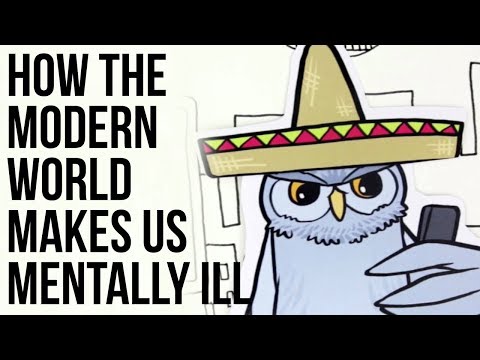
How the Modern World Makes Us Mentally Ill
0
Evangeline posted on 2021/04/05Ever wonder why modern life feels so anxiety-inducing? This fascinating lecture from The School of Life dives into how things like meritocracy and media outrage might be making us feel worse, offering a chance to explore complex ideas and pick up some advanced vocabulary along the way!
Learn this video on the APP!
The VoiceTube App has more in-depth practice for videos!