
accelerate
US /ækˈsɛləˌret/
UK /əkˈseləreɪt/
- Transitive Verb
- To cause to occur earlier than expected
- To increase the speed or rate of something
B1TOEICMoreaffordable
US /əˈfɔrdəbəl, əˈfor-/
UK /ə'fɔ:dəbl/
- Adjective
- Cheap enough that it can be paid for
- Relatively inexpensive housing, especially for those with low or moderate incomes.
A2Morealong with
US /əˈlɔŋ wɪð/
UK /əˈlɔŋ wið/
- Preposition
- In addition to; together with.
- Adverb
- In company or together with someone or something.
- Including; in addition to.
A2Moreanswer to
US
UK
- Phrasal Verb
- To be responsible to someone and have to explain your actions to them.
- To correspond to or match a description or requirement.
A1Morearound the world
US /əˈraʊnd ði wɜrld/
UK /əˈraund ðə wɜː(r)ld/
- Phrase
- In or to many countries.
- In various places throughout the world.
A2Moreat risk
US
UK
- Phrase
- In danger; likely to be harmed
atmosphere
US /ˈætməˌsfɪr/
UK /'ætməsfɪə(r)/
- Noun (Countable/Uncountable)
- Air around us
- Feeling or mood of a place
A2Moreaverage
US /ˈævərɪdʒ, ˈævrɪdʒ/
UK /'ævərɪdʒ/
- Noun (Countable/Uncountable)
- Total of numbers divided by the number of items
- Transitive Verb
- To add numbers then divide by the number of items
A2TOEICMorebeat
US /bit/
UK /bi:t/
- Intransitive Verb
- To move in regular motions in order to push blood
- Transitive Verb
- To strike or hit repeatedly and with great force
- To mix ingredients together with a fork or machine
A2Morebreak through
US /brek θru/
UK /breik θru:/
- Phrasal Verb
- To move quickly through (wall, etc.) using force
A1Morebreakthrough
US /ˈbrekˌθru/
UK /'breɪkθru:/
- Countable Noun
- Important discovery in doing something difficult
B2TOEICMorebring along
US
UK
- Phrasal Verb
- To take someone or something with you.
A2Moreby day
US /baɪ de/
UK /bai dei/
- Phrase
- During the daytime; not at night.
A2Morecarbon
US /ˈkɑrbən/
UK /'kɑ:bən/
- Uncountable Noun
- Chemical element with an atomic number of 6
B1Morechallenge
US /ˈtʃæləndʒ/
UK /'tʃælɪndʒ/
- Noun (Countable/Uncountable)
- An activity you wish to try that may be hard to do
- Act of formally inviting someone to compete
- Transitive Verb
- To formally invite someone to compete at something
- To question the correctness of something
A2Moreclimate
US /ˈklaɪmɪt/
UK /ˈklaɪmət/
- Noun (Countable/Uncountable)
- Typical weather conditions in a particular place
- The general attitudes, feelings, or opinions that people have at a particular time.
A2Morecrisis
US /ˈkraɪsɪs/
UK /'kraɪsɪs/
- Noun (Countable/Uncountable)
- Unstable situation of extreme danger or difficulty
- A turning point in a disease.
B1Morecurve
US /kɚv/
UK /kə:v/
- Noun (Countable/Uncountable)
- Smooth rounded line that is not straight
- A distribution of statistical data represented graphically.
- Transitive Verb
- To make something bend into a rounded shape
A2Moredramatically
US /drəˈmætɪkl:ɪ/
UK /drə'mætɪklɪ/
- Adverb
- In a sudden or extreme manner
- In a theatrical or exaggerated manner.
B1Moreever since
US /ˈɛvɚ sɪns/
UK /ˈevə sins/
- Adverb
- Continuously from a past time until now.
- Conjunction
- From the time that; because.
B2Moreevidence of
US
UK
- Phrase
- Facts, objects, or signs that make you believe that something is true.
- Something that shows that something else exists or is true.
A1Moreexponential
US /ˌɛkspəˈnɛnʃəl/
UK /ˌekspəˈnenʃl/
- Adjective
- (Of an increase) at a faster and faster rate
C1Moreextra
US /'ekstrə/
UK /'ekstrə/
- Adjective
- More than necessary; additional
- Of especially good quality or grade.
- Noun (Countable/Uncountable)
- Items more than you need; additional items
- Person who has a small part in a movie
A2Moreextremely
US /ɪk'strimlɪ/
UK /ɪkˈstri:mli/
- Adverb
- In a way that is much more than usual or expected
- Remarkably; unusually.
B1Morefinish with
US
UK
- Phrasal Verb
- To end a relationship
A1Morefirst three
US
UK
- Determiner
- The initial three items or elements in a series or sequence.
- Adjective
- Referring to the top three positions in a ranking or competition.
A1Moreflood
US /flʌd/
UK /flʌd/
- Verb (Transitive/Intransitive)
- To quickly appear unexpectedly and in volume
- (Of liquid) to fill or cover something completely
- Noun (Countable/Uncountable)
- A quick unexpectedly volume of something
- Large number of people or things arriving at once
B1Morefossil
US /ˈfɑsəl/
UK /'fɒsl/
- Noun (Countable/Uncountable)
- Plant or animal that became rock after many years
- A person or thing that is outdated or no longer useful.
- Adjective
- Relating to or resembling a fossil.
- Relating to or denoting energy generated from fossil fuels.
B1Morefound out
US
UK
- Phrasal Verb
- To learn or discover something, often after some effort.
- To become known; be revealed.
B2Morego ahead
US /ɡo əˈhɛd/
UK /ɡəu əˈhed/
- Phrasal Verb
- To start an activity; start doing, working etc.
- To give permission to do something
- Intransitive Verb
- To start or proceed with something
- To proceed despite potential obstacles or doubts.
A1Moregore
US /ɡɔr/
UK /ɡɔ:(r)/
- Transitive Verb
- To wound by attacking with a knife, sharp horn etc.
C2Moregrid
US /ɡrɪd/
UK /ɡrɪd/
- Noun
- Electrical network supplying electricity to area
- Metal structure with bars used to cover a hole
- Transitive Verb
- To mark with a grid.
B2Morehang on
US /hæŋ ɑn/
UK /hæŋ ɔn/
- Phrasal Verb
- To wait for the person you phoned to answer
- To persevere or persist, especially in a difficult situation.
A2Morehave to
US /hæv tu/
UK /ˈhæv tə/
- Auxiliary Verb
- Must do
A1Morehistoric
US /hɪˈstɔrɪk, -ˈstɑr-/
UK /hɪˈstɒrɪk/
- Adjective
- (Of past event) having an effect on future; famous
- Connected with the past
B1Moreillustrate
US /ˈɪləˌstret, ɪˈlʌsˌtret/
UK /ˈɪləstreɪt/
- Transitive Verb
- To supply pictures to go along with words
- To be an example that explains or proves something
A2TOEICMorein a row
US /ɪn e ro/
UK /in ə rəu/
- Phrase
- One after another without a break.
- Arranged in a straight line.
- Idiom
- To have an argument.
A1Morein danger
US /ɪn ˈdendʒɚ/
UK /in ˈdeindʒə/
- Phrase
- Exposed to the risk of harm, injury, or loss.
- At risk of experiencing something negative or harmful.
A1Morein fact
US /ɪn fækt/
UK /in fækt/
- Adverb
- Used to emphasize the truth of a statement, especially one that contrasts with or contradicts something else.
- Used to introduce a more detailed or surprising piece of information.
- Phrase
- Used to emphasize the truth of a statement, especially one that is surprising or contrary to what might be expected.
C1Morein the middle of
US
UK
- Phrase
- In the central part or point of something.
- Engaged or occupied with something.
A2Morein the moment
US
UK
- Phrase
- At the present time; now.
- Spontaneously; without prior planning or consideration.
A1Morein the world
US /ɪn ði wɜrld/
UK /in ðə wɜː(r)ld/
- Phrase
- Used to emphasize a question expressing surprise, confusion, disbelief
- Used to indicate the extent or degree of something, often in a superlative sense
A1Moreincredibly
US /ɪnˈkrɛdəblɪ/
UK /ɪnˈkredəbli/
- Adverb
- To a great degree; very; amazingly
- Extremely; so much so it is hard to believe
A2Moreinvestment
US /ɪnˈvɛstmənt/
UK /ɪnˈvestmənt/
- Noun (Countable/Uncountable)
- Something purchased hoping its value will increase
- Something you invest in, such as a company, property, etc.
A2TOEICMoreinvolve
US /ɪnˈvɑlv/
UK /ɪn'vɒlv/
- Transitive Verb
- To have or be included as a part of something
- To cause (a person or group) to take part in an event or activity.
A2TOEICMorelast summer
US
UK
- Noun
- The summer before this one.
- Phrase
- Referring to events or memories from the previous summer.
A1Morelink up
US /lɪŋk ʌp/
UK /liŋk ʌp/
- Phrasal Verb
- To connect or join together physically.
- To meet someone.
B1Morelook at
US /lʊk æt/
UK /luk æt/
- Phrasal Verb
- To use your eyes to focus on something
- To focus your eyes on something carefully
A1Moremicrobial
US /maɪ'kroʊbɪrl/
UK /maɪ'krəʊbɪəl/
- Adjective
- Concerning, involving or caused by being microbes
C1Moremoral
US /ˈmɔrəl, ˈmɑr-/
UK /ˈmɒrəl/
- Adjective
- In a way considered proper and good by most people
- Uncountable Noun
- In a way considered proper and good by most people
A2TOEICMoremount
US /maʊnt/
UK /maʊnt/
- Transitive Verb
- To attach something to something else
- To set a picture, jewel etc. in
- Noun
- An attachment used to keep something in place
- Horse that someone is riding
B2Moremove beyond
US
UK
- Phrasal Verb
- To go past or exceed a limit, boundary, or set of expectations.
B2Morenight and day
US /naɪt ənd de/
UK /nait ænd dei/
- Phrase
- Continuously; all the time.
- Noun
- The contrast between two very different things.
A1Moreof course
US /ʌv kɔː(r)s/
UK /ɔv kɔː(r)s/
- Adverb
- Sure ; Certainly
- Phrase
- For sure; certainly
A2Moreon average
US /ɑn ˈævərɪdʒ/
UK /ɔn ˈævəridʒ/
- Phrase
- Typically; usually; based on an average calculation.
B1Moreon earth
US /ɑn ɚθ/
UK /ɔn ə:θ/
- Phrase
- Used to emphasize a question expressing surprise or anger.
- Used to emphasize that something is not possible or will not happen.
A1Moreon the books
US /ɑn ðə bʊks/
UK /ɒn ðə bʊks/
- other
- Recorded in official documents or laws.
B2Moreon the surface
US /ɑn ði ˈsɚfəs/
UK /ɔn ðə ˈsə:fis/
- Phrase
- Appearing to be true or real until examined more closely.
- Located on the outer part or uppermost layer of something.
B2Moreparity
US /ˈpærɪti/
UK /'pærətɪ/
- Uncountable Noun
- State of being equal in pay, rights, or power
B2TOEICMorepast time
US
UK
- Noun
- An activity done regularly for enjoyment; a hobby.
- A point in time that is later than when something should have happened.
per year
US
UK
- Phrase
- For each year; annually.
A2Morepole
US /pol/
UK /pəʊl/
- Noun
- One of two opposite ideas, qualities or positions
- Most northern or most southern point on a planet
- Transitive Verb
- To move a boat with a stick or pole
B1Morepollution
US /pəˈluʃən/
UK /pəˈlu:ʃn/
- Uncountable Noun
- Dangerous substances released into an environment
- The action of polluting; the state of being polluted.
B1TOEICMorepopulation
US /ˌpɑpjəˈleʃən/
UK /ˌpɒpjuˈleɪʃn/
- Noun (Countable/Uncountable)
- Number of people who live in a country, area etc.
- A group of individuals of one species living in a particular area.
A2TOEICMoreproposal
US /prəˈpozəl/
UK /prəˈpəʊzl/
- Noun
- Act of asking someone to marry you
- Offer or plan to people who can decide about it
B1TOEICMoreregularly
US /ˈregjələrli/
UK /ˈregjələli/
- Adverb
- At the usual time each day, week, or month
- In a normal or customary way.
B1TOEICMorerely on
US /rɪˈlaɪ ɑn/
UK /riˈlai ɔn/
- Phrasal Verb
- To depend on someone or something
A2Morerenewable
US /rɪˈnu:/
UK /rɪˈnju:əbl/
- Adjective
- Being able to be replaced naturally
- Noun
- A resource that can be used again many times
C1Morerevolution
US /ˌrɛvəˈluʃən/
UK /ˌrevə'lu:ʃn/
- Noun
- When a group overthrows an existing government
- Sudden or significant change in something
B1Moresee in
US /si ɪn/
UK /si: in/
- Phrasal Verb
- To accompany someone to the entrance of a building or room.
A1Moresolar
US /ˈsolɚ/
UK /'səʊlə(r)/
- Adjective
- Concerning the sun, or its heat
B1Morestep out
US
UK
- Phrasal Verb
- To go outside for a short time
- To begin a romantic relationship with someone.
A1Moresurvey
US /ˈsɜː(r)veɪ/
UK /'sɜ:veɪ/
- Noun (Countable/Uncountable)
- Broad view or general description of something
- Act of measuring land or property to make a map
- Transitive Verb
- To offer a broad view or general description
- To measure an area of land to make a map of it
A2TOEICMoretake off
US /tek ɔf/
UK /teik ɔf/
- Phrasal Verb
- To remove, e.g. your clothes
- To make arrangements to be absent from work
- Verb (Transitive/Intransitive)
- To remove (an item of clothing).
- To depart; to leave.
A1Morethink of
US /θɪŋk ʌv/
UK /θiŋk ɔv/
- Phrasal Verb
- To look on as (being something specific); consider
- To consider or remember something.
- Verb (Transitive/Intransitive)
- To imagine or call something to mind
A1Morethreshold
US /ˈθrɛʃˌold, -ˌhold/
UK /'θreʃhəʊld/
- Noun
- Degree or level at which something begins
- A strip of wood, metal, or stone forming the bottom of a doorway and crossed in entering a house or room.
B2Moretide
US /taɪd/
UK /taɪd/
- Noun
- Way opinions or events are developing or changing
- Regular rise and fall of the level of the sea
- Transitive Verb
- To give you what is needed for a short time
C2TOEICMoreto do with
US
UK
- Phrasal Verb
- To be about something; concern
A1Moretransportation
US /ˌtrænspɔ:rˈteɪʃn/
UK /ˌtrænspɔ:ˈteɪʃn/
- Noun (Countable/Uncountable)
- Act of moving people or goods between places
- A system or means of transport, especially public transport.
B1Moreup there
US /ʌp ðɛr/
UK /ʌp ðɛə/
- Adverb
- In or to a higher place or position; far away.
- In heaven.
A1Moreused to
US /juzd tu/
UK /ˈju:st tə/
- Adjective
- Did regularly before, but don't do now
- Auxiliary Verb
- Have done before, but do not do now
A1Morewin the day
US /wɪn ðə deɪ/
UK /wɪn ðə deɪ/
- other
- To succeed in a particular situation or contest.
B2Morework out
US /wɚk aʊt/
UK /wə:k aut/
- Phrasal Verb
- To find a way to do something, by thinking
A1More
Vocabulary
- look at: To use your eyes to focus on something
- answer to: To be responsible to someone and have to explain your actions to them.
- in the world: Used to emphasize a question expressing surprise, confusion, disbelief
- have to: Must do
- of course: Sure ; Certainly
- on earth: Used to emphasize a question expressing surprise or anger.
- to do with: To be about something; concern
- used to: Did regularly before, but don't do now
- in the middle of: In the central part or point of something.
- per year: For each year; annually.
- found out: To learn or discover something, often after some effort.
- hang on: To wait for the person you phoned to answer
- go ahead: To start an activity; start doing, working etc.
- rely on: To depend on someone or something
- think of: To look on as (being something specific); consider
- see in: To accompany someone to the entrance of a building or room.
- in fact: Used to emphasize the truth of a statement, especially one that contrasts with or contradicts something else.
- on the surface: Appearing to be true or real until examined more closely.
- in a row: One after another without a break.
- evidence of: Facts, objects, or signs that make you believe that something is true.
- up there: In or to a higher place or position; far away.
- along with: In addition to; together with.
- last summer: The summer before this one.
- in danger: Exposed to the risk of harm, injury, or loss.
- at risk: In danger; likely to be harmed
- past time: An activity done regularly for enjoyment; a hobby.
- by day: During the daytime; not at night.
- move beyond: To go past or exceed a limit, boundary, or set of expectations.
- step out: To go outside for a short time
- on the books: Recorded in official documents or laws.
- take off: To remove, e.g. your clothes
- ever since: Continuously from a past time until now.
- break through: To move quickly through (wall, etc.) using force
- first three: The initial three items or elements in a series or sequence.
- night and day: Continuously; all the time.
- on average: Typically; usually; based on an average calculation.
- link up: To connect or join together physically.
- around the world: In or to many countries.
- finish with: To end a relationship
- in the moment: At the present time; now.
- work out
- bring along: To take someone or something with you.
- win the day: To succeed in a particular situation or contest.
- incredibly: To a great degree; very; amazingly
- extremely: In a way that is much more than usual or expected
- crisis: Unstable situation of extreme danger or difficulty
- average: Total of numbers divided by the number of items
- climate: Typical weather conditions in a particular place
- atmosphere: Air around us
- threshold: Degree or level at which something begins
- dramatically: In a sudden or extreme manner
- moral: In a way considered proper and good by most people
- population: Number of people who live in a country, area etc.
- involve: To have or be included as a part of something
- effect: An advantage, benefit
- challenge: An activity you wish to try that may be hard to do
- extra: More than necessary; additional
- survey: Broad view or general description of something
- risk: To do something potentially dangerous or foolish
- illustrate: To supply pictures to go along with words
- beat: To move in regular motions in order to push blood
- investment: Something purchased hoping its value will increase
- record: Highest or most extreme level achieved
- accelerate: To cause to occur earlier than expected
- revolution: When a group overthrows an existing government
- grid: Electrical network supplying electricity to area
- fossil: Plant or animal that became rock after many years
- curve: Smooth rounded line that is not straight
- normal: Standard or regular way of doing something
- affordable: Cheap enough that it can be paid for
- regularly: At the usual time each day, week, or month
- carbon: Chemical element with an atomic number of 6
- century: Period of 100 years
- breakthrough: Important discovery in doing something difficult
- storm: To act violently or angrily
- transportation: Act of moving people or goods between places
- vapor: Tiny droplets or pieces of some substance spread thinly throughout the air
- proposal: Act of asking someone to marry you
- pole: One of two opposite ideas, qualities or positions
- lot: What happens to a person in life from chance; fate
- solar: Concerning the sun, or its heat
- flood: To quickly appear unexpectedly and in volume
- exponential: (Of an increase) at a faster and faster rate
- question: To ask for or try to get information
- tide: Way opinions or events are developing or changing
- change: To exchange one set of clothes for another
- land: Region or country
- difference: A thing or issue that people do not agree about
- business: A company formed for making profit
- pollution: Dangerous substances released into an environment
- wind: A current of air moving approximately horizontally, especially one strong enough to be felt
- march: To force someone to walk somewhere
- historic: (Of past event) having an effect on future; famous
- renewable: Being able to be replaced naturally
- mount: To attach something to something else
- microbial: Concerning, involving or caused by being microbes
- parity: State of being equal in pay, rights, or power
- gore: To wound by attacking with a knife, sharp horn etc.
Get the full experience in the app
Learn anywhere with detailed sentence and usage analysis
01:03
She took a brave step forward, leaving behind her comfort zone to chase her dreams.
Vocabulary
- brave
adj. Having courage
- comfort zone
phr. A familiar situation where one feels safe
Explanation
a brave step is a noun phrase, where brave is an adjective modifying the noun step, meaning "a courageous step".
forward is an adverb modifying step, meaning "ahead".
The whole phrase serves as the object, answering the "what" of took (verb) — she took a brave step forward.
Get the full experience in the app
Look up words anytime with pronunciation, part of speech, and usage
brave
US/brev/
UK/breɪv/
adj.Brave
v.t.To bravely face
A2 Elementary
Get the full experience in the app
Practice speaking anytime and get instant pronunciation feedback
Try this speaking exercise.
Try practicing with this sentence.
80
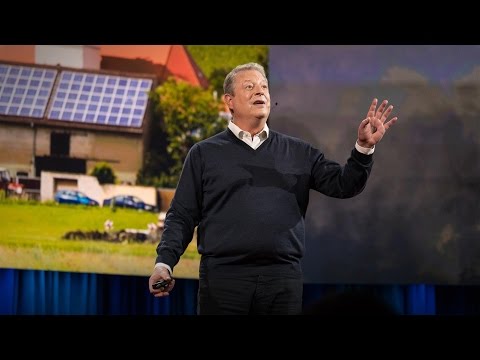
【TED】Al Gore: The case for optimism on climate change (The case for optimism on climate change | Al Gore)
0
Zenn posted on 2018/02/26Feeling a bit down about the climate crisis? Al Gore offers a surprisingly optimistic take, focusing on the incredible progress in renewable energy and policy wins like the Paris Agreement! You'll pick up some advanced vocabulary related to environmental science and policy, making it a fantastic way to boost your knowledge and English skills simultaneously.
Learn this video on the APP!
The VoiceTube App has more in-depth practice for videos!