
ability
US /əˈbɪlɪti/
UK /ə'bɪlətɪ/
- Noun (Countable/Uncountable)
- The power, resources or skill to do something
- A particular skill or talent.
A2TOEICMoread
US /æd/
UK /æd/
- Noun (Countable/Uncountable)
- Public notice or advertisement
C2TOEICMoreadminister
US /ædˈmɪnɪstɚ/
UK /əd'mɪnɪstə(r)/
- Transitive Verb
- To give e.g. medicine to a patient
- To manage or have responsibility for something
B2TOEICMorealong with
US /əˈlɔŋ wɪð/
UK /əˈlɔŋ wið/
- Preposition
- In addition to; together with.
- Adverb
- In company or together with someone or something.
- Including; in addition to.
A2Moreas one
US
UK
- Adverb
- Acting or moving together at the same time.
- In complete agreement or unity.
- Phrase
- With a single voice or opinion; unanimously.
- In perfect harmony or unison.
A1Morebasically
US /ˈbesɪkəli,-kli/
UK /ˈbeɪsɪkli/
- Adverb
- Used before you explain something simply, clearly
- In essence; when you consider the most important aspects of something.
A2Morebe with
US /bi wɪð/
UK /bi: wið/
- Phrasal Verb
- To accompany someone; to be in someone's presence.
- To support someone's opinion or cause.
A1Morecome together
US /kʌm təˈɡɛðɚ/
UK /kʌm təˈɡeðə/
- Phrasal Verb
- To assemble or unite; to start working together.
- To form a close relationship or bond.
A1Morecompromise
US /ˈkɑmprəˌmaɪz/
UK /'kɒmprəmaɪz/
- Verb (Transitive/Intransitive)
- To weaken your position or views
- To lessen your demands so as to reach agreement
- Noun (Countable/Uncountable)
- When you lessen your demands to get agreement
B1Moredistinct
US /dɪˈstɪŋkt/
UK /dɪˈstɪŋkt/
- Adjective
- Clearly different in nature from something else
- Clearly noticeable; easily perceived.
A2Moredrug
US /drʌɡ/
UK /drʌɡ/
- Noun (Countable/Uncountable)
- Illegal substance taken for effect on the mind
- Chemical used as a medicine
- Transitive Verb
- To give drugs to someone to make them sleep
A2Moreemotion
US /ɪˈmoʃən/
UK /iˈməuʃən/
- Noun (Countable/Uncountable)
- A feeling such as sadness, anger or love
- A mental state that arises spontaneously rather than through conscious effort
A2Morefault
US /fɔlt/
UK /fɔ:lt/
- Noun (Countable/Uncountable)
- A failure or negative aspect of
- Crack in the earth where earthquakes can happen
- Transitive Verb
- To blame someone, something for a negative result
A2Morefinish off
US /ˈfɪnɪʃ ɔf/
UK /ˈfiniʃ ɔf/
- Phrasal Verb
- To complete the last part of something.
- To decisively defeat someone.
A2Morego towards
US
UK
- Phrasal Verb
- To move in the direction of someone or something.
B1Moregot to
US /ɡɑt tu/
UK /gɔt tu:/
- Verb (Transitive/Intransitive)
- To arrive at some place
- To have the opportunity or permission to do something
- Phrasal Verb
- To appeal to the emotions of; move
- To finally begin to start something after a delay
A1Morehalfway
US /ˌhæfˈweɪ/
UK /ˌhɑ:fˈweɪ/
- Adverb
- A middle point between two extremes
- At or to a point equidistant between two places.
- Adjective
- Located at or being at a point equidistant between two places.
- Partially completed; at an intermediate stage.
B2Moreharmony
US /ˈhɑrməni/
UK /'hɑ:mənɪ/
- Noun (Countable/Uncountable)
- Pleasing, attractive combination of parts, things
- When musical notes sound pleasing together
B1TOEICMorehave to
US /hæv tu/
UK /ˈhæv tə/
- Auxiliary Verb
- Must do
A1Morehurry
US /ˈhɚri, ˈhʌr-/
UK /'hʌrɪ/
- Intransitive Verb
- To move, act, get somewhere, do something quickly
- Noun
- Act of moving quickly because you are late
A2TOEICMorein itself
US /ɪn ɪtˈsɛlf/
UK /in itˈself/
- Phrase
- Considered alone or without reference to anything else; intrinsically.
- Essentially; by its very nature.
in perfect harmony
US
UK
- Phrase
- In complete agreement or accord; working together seamlessly.
- Musically pleasing combination of sounds; a state of musical consonance.
A2Moreinability
US /ˌɪnəˈbɪlɪti/
UK /ˌɪnəˈbɪləti/
- Uncountable Noun
- Lack of ability, power, or means to do something
A2Moreincapable
US /ɪnˈkepəbəl/
UK /ɪnˈkeɪpəbl/
- Adjective
- Not capable or able to do something
- Legally disqualified or incapacitated.
- Noun
- A person lacking ability or qualification.
B1Moreinjection
US /ɪnˈdʒɛkʃən/
UK /ɪnˈdʒekʃn/
- Noun (Countable/Uncountable)
- Act of adding or putting in; adding to
- Putting medicine into someone with a syringe
B1Moreinsufficient
US /ˌɪnsəˈfɪʃənt/
UK /ˌɪnsəˈfɪʃnt/
- Adjective
- Not sufficient; not enough
B1Morelook at
US /lʊk æt/
UK /luk æt/
- Phrasal Verb
- To use your eyes to focus on something
- To focus your eyes on something carefully
A1Moremake up
US /mek ʌp/
UK /meik ʌp/
- Phrasal Verb
- To invent or create a story
- To add up to
- Verb (Transitive/Intransitive)
- To invent a story, excuse, etc.
- To compensate for something lost, missed, or deficient.
A1Moremorph
US /mɔ:rf/
UK /mɔ:f/
- Intransitive Verb
- (Of computer animation) to gradually change shape
C2Morenauseous
US /ˈnɔ:ʃəs/
UK /ˈnɔ:ziəs/
- Adjective
- Feeling like you want to vomit
B2Morenegative
US /ˈnɛɡətɪv/
UK /'neɡətɪv/
- Noun
- The opposite to a positive electrical charge
- In grammar, containing words such as 'no' or 'not'
- Adjective
- Being harmful, unwanted or unhelpful
- In mathematics, being less than zero
A2Morenext to
US /nɛkst tu/
UK /nekst tu:/
- Preposition
- Being located along side another
- In comparison with
- Adverb
- Almost; nearly
A1Morenoxious
US /ˈnɑkʃəs/
UK /ˈnɒkʃəs/
- Adjective
- (Of substance) poisonous/harmful to living things
C1TOEICMoreOB
US /ˌoʊˈbiː/
UK /ˌəʊˈbiː/
- Noun
- (Informal for obstetrician) A doctor with special training in how to care for pregnant women and help in the birth of babies
C2Moreobnoxious
US /ɑbˈnɑkʃəs, əb-/
UK /əbˈnɒkʃəs/
- Adjective
- Annoying or rude; offensive
C1Moreobvious
US /ˈɑbviəs/
UK /ˈɒbviəs/
- Adjective
- Easily understood and clear; plain to see
- Easy to see or notice.
A2TOEICMoreout there
US /aʊt ðɛr/
UK /aut ðɛə/
- Adverb
- In or to a place that is far away
- Existing in the universe
- Adjective
- Unconventional; strange; avant-garde
- Existing or available.
A1Morepercent
US /pɚˈsɛnt/
UK /pə'sent/
- Adverb
- One one-hundredth of a whole; the symbol %
- Noun (Countable/Uncountable)
- A proportion multiplied by 100
- A specified amount in every hundred
A2TOEICMoreprefix
US /ˈpriˌfɪks/
UK /'pri:fɪks/
- Noun
- Part of a word added to the front, e.g. UNhappy
B2Morepromo
US /ˈproʊmoʊ/
UK /ˈprəʊməʊ/
- Noun
- Shortened form of 'promotion' (advertising)
B1Moreproperly
US /ˈprɑːpərli/
UK /ˈprɔpəlɪ/
- Adverb
- In an appropriate or correct manner
- In a way that is suitable or appropriate.
A2Morepunishment
US /ˈpʌnɪʃmənt/
UK /ˈpʌnɪʃmənt/
- Noun
- Being punished; thing you do when being punished
- Physically rough treatment
A2Morepyramid
US /ˈpɪrəmɪd/
UK /'pɪrəmɪd/
- Noun
- Four-sided structure with sides meeting at the top
- With a small management and huge workforce
B1Morequiz
US /kwɪz/
UK /kwɪz/
- Noun (Countable/Uncountable)
- A game in which players answer questions on topics
- Brief spoken or written test, given to students
- Transitive Verb
- To ask a person many questions about something
B1Moreright back
US /raɪt bæk/
UK /rait bæk/
- Interjection
- Said when someone says they will return soon, indicating you expect their prompt return.
- Adverb
- Immediately; very soon after going.
A1Morespell
US /spɛl/
UK /spel/
- Transitive Verb
- To lead to future trouble
- To be able to write (or say) the letters of a word
- Noun (Countable/Uncountable)
- Making some magic happen; form of words to do this
- Period of time; time when an action is being done
A2Morespelling
US /ˈspɛlɪŋ/
UK /ˈspelɪŋ/
- Verb (Transitive/Intransitive)
- To lead to future trouble
- To be able to write (or say) the letters of a word
- Noun
- The correct way to spell a word
A2Moresubway
US /ˈsʌbˌwe/
UK /ˈsʌbweɪ/
- Noun
- Train system running under the ground in a city
B1Moresufficient
US /səˈfɪʃənt/
UK /səˈfɪʃnt/
- Adjective
- Having or providing enough when needed
A2TOEICMoresympathy
US /ˈsɪmpəθi/
UK /'sɪmpəθɪ/
- Uncountable Noun
- Feeling for other people when they are in trouble
A2TOEICMoresyntax
US /ˈsɪnˌtæks/
UK /ˈsɪntæks/
- Uncountable Noun
- Study of the way words are organized in a sentence
B2Moretax
US /tæks/
UK /tæks/
- Transitive Verb
- To require a lot of physical or mental effort
- (Government) to take money from a country's people
- Noun (Countable/Uncountable)
- Money taken by a government from its people
- A heavy demand or burden.
A2TOEICMorethink about
US /θɪŋk əˈbaʊt/
UK /θiŋk əˈbaut/
- Phrasal Verb
- To consider something carefully.
- To remember or call to mind.
A1Moretogether with
US /təˈɡɛðɚ wɪð/
UK /təˈɡeðə wið/
- Preposition
- In addition to; along with.
- Including; as well as.
A1Moreunit
US /ˈjunɪt/
UK /ˈju:nɪt/
- Countable Noun
- One apartment in a building
- Group of people, e.g. soldiers, that work together
B2TOEICMoreunity
US /ˈjunɪti/
UK /'ju:nətɪ/
- Uncountable Noun
- Being in full agreement; being joined together
- Quality of having parts that fit or work together
B2Moreup there
US /ʌp ðɛr/
UK /ʌp ðɛə/
- Adverb
- In or to a higher place or position; far away.
- In heaven.
A1Morework together
US /wɚk təˈɡɛðɚ/
UK /wə:k təˈɡeðə/
- Verb (Transitive/Intransitive)
- To collaborate or cooperate with others to achieve a common goal.
A1Moreworm
US /wɚm/
UK /wɜ:m/
- Noun
- Small thin tube-shaped animal without legs
- Transitive Verb
- To remove worms from an animals stomach
- To get information, etc. out of, by tricking them
B2More
Vocabulary
- next to: Being located along side another
- as one: Acting or moving together at the same time.
- have to: Must do
- look at: To use your eyes to focus on something
- out there: In or to a place that is far away
- together with: In addition to; along with.
- got to: To arrive at some place
- along with: In addition to; together with.
- in itself: Considered alone or without reference to anything else; intrinsically.
- up there: In or to a higher place or position; far away.
- think about: To consider something carefully.
- go towards: To move in the direction of someone or something.
- in perfect harmony: In complete agreement or accord; working together seamlessly.
- come together: To assemble or unite; to start working together.
- right back: Said when someone says they will return soon, indicating you expect their prompt return.
- work together: To collaborate or cooperate with others to achieve a common goal.
- finish off: To complete the last part of something.
- make up: To invent or create a story
- be with: To accompany someone; to be in someone's presence.
- put: To move or place a thing in a particular position
- lesson: Something done to learn or teach something; class
- word: Unit of language that has a meaning
- halfway: A middle point between two extremes
- work: The product of some artistic or literary endeavor
- give: Degree of flexibility in something, a material
- funny: Causing laughter; amusing
- small: Little in size; not big
- live: To be alive
- interesting: Taking your attention; making you want to know
- studying: To focus on learning something usually at school
- learn: To get knowledge or skills by study or experience
- change: To exchange one set of clothes for another
- teacher: Person who teaches others, especially in a school
- finish: To use or consume all of something
- quiz: A game in which players answer questions on topics
- negative: The opposite to a positive electrical charge
- sick: Having a physical or mental illness
- mean: Average of a set of numbers
- possibly: May be true or likely, but is uncertain
- Miss: To be absent
- move: To cause someone to have certain emotions
- add: To include as well
- guess: To give an answer without knowing if it is correct
- inability: Lack of ability, power, or means to do something
- case: Container used to carry things, e.g. clothes
- check: Paper showing how much you owe at a restaurant
- spelling: To lead to future trouble
- hurry: To move, act, get somewhere, do something quickly
- spell: To lead to future trouble
- promise: To say you will certainly do something
- basic: At the most important or easiest (beginner) level
- percent: One one-hundredth of a whole; the symbol %
- ad: Public notice or advertisement
- obvious: Easily understood and clear; plain to see
- ability: The power, resources or skill to do something
- sir: Form of polite address to a man you do not know
- unit: One apartment in a building
- introduce: To open an essay to set the scene
- act: To behave in a certain way
- fault: A failure or negative aspect of
- tax: To require a lot of physical or mental effort
- surprising: To do something that another person didn't expect
- properly: In an appropriate or correct manner
- compromise: To weaken your position or views
- prefix: Part of a word added to the front, e.g. UNhappy
- sympathy: Feeling for other people when they are in trouble
- incapable: Not capable or able to do something
- insufficient: Not sufficient; not enough
- subway: Train system running under the ground in a city
- sufficient: Having or providing enough when needed
- basically: Used before you explain something simply, clearly
- punishment: Being punished; thing you do when being punished
- worm: Small thin tube-shaped animal without legs
- harmony: Pleasing, attractive combination of parts, things
- drug: Illegal substance taken for effect on the mind
- emotion: A feeling such as sadness, anger or love
- administer: To give e.g. medicine to a patient
- unity: Being in full agreement; being joined together
- distinct: Clearly different in nature from something else
- pyramid: Four-sided structure with sides meeting at the top
- injection: Act of adding or putting in; adding to
- syntax: Study of the way words are organized in a sentence
- obnoxious: Annoying or rude; offensive
- noxious: (Of substance) poisonous/harmful to living things
- nauseous: Feeling like you want to vomit
- OB: (Informal for obstetrician) A doctor with special training in how to care for pregnant women and help in the birth of babies
- promo: Shortened form of 'promotion' (advertising)
- dis: To look down on; treat or speak to with disrespect
- morph: (Of computer animation) to gradually change shape
- eng: Abbreviation of the English language.
- vid: A short form of 'video', especially one shared online.
Get the full experience in the app
Learn anywhere with detailed sentence and usage analysis
01:03
She took a brave step forward, leaving behind her comfort zone to chase her dreams.
Vocabulary
- brave
adj. Having courage
- comfort zone
phr. A familiar situation where one feels safe
Explanation
a brave step is a noun phrase, where brave is an adjective modifying the noun step, meaning "a courageous step".
forward is an adverb modifying step, meaning "ahead".
The whole phrase serves as the object, answering the "what" of took (verb) — she took a brave step forward.
Get the full experience in the app
Look up words anytime with pronunciation, part of speech, and usage
brave
US/brev/
UK/breɪv/
adj.Brave
v.t.To bravely face
A2 Elementary
Get the full experience in the app
Practice speaking anytime and get instant pronunciation feedback
Try this speaking exercise.
Try practicing with this sentence.
80
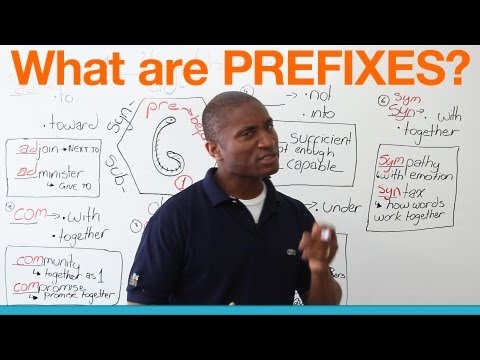
Learn English - What are prefixes?
0
Vincent Chang posted on 2013/08/31Ever wonder how words change their meaning? This fun video breaks down prefixes, showing you how they work and how to use them to boost your vocabulary! You'll pick up some advanced words and learn how to build them with this super clear whiteboard lesson.
Learn this video on the APP!
The VoiceTube App has more in-depth practice for videos!