syntax
US /ˈsɪnˌtæks/
・UK /ˈsɪntæks/
B2
n. (u.)Uncountable NounStudy of the way words are organized in a sentence
It was very difficult to understand the unusual syntax in the book
Video subtitles
Is Bilingualism a Superpower? | Otherwords

- As they're acquiring both languages, they are beginning to figure out on their own which sounds are for each language, but also what is the syntax for each of their languages.
As they're acquiring both languages, they are beginning to figure out on their own which sounds are for each language, but also what is the syntax for each of their languages.
- but also what is the syntax for each of their languages.
but also what is the syntax for each of their languages.
Incremental Models (Faisal El Shami)
- I just did a incremental clause and this is the syntax of how you do it.
I just did a incremental clause and this is the syntax of how you do it.
- and this is the syntax of how you do it.
and this is the syntax of how you do it.
How to Build an MCP Server for LLM Agents: Simplify AI Integration

- So it's running through syntax formatting while I'm trying to edit.
So it's running through syntax formatting while I'm trying to edit.
- So it's, um, running through syntax formatting while I'm trying to edit it.
So it's, um, running through syntax formatting while I'm trying to edit it.
Week 5
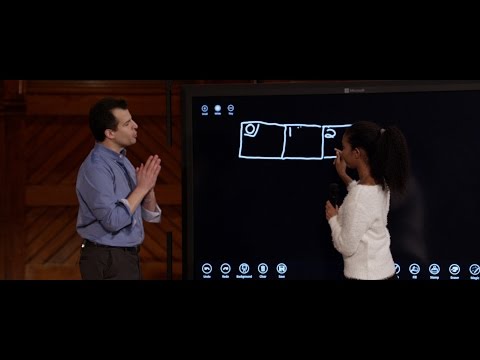
- Yeah, so the ampersands are a new piece of syntax, not only in this program but also more generally in CS50.
Yeah, so the ampersands are a new piece of syntax, not only in this program but also more generally in CS50.
- Well, it turns out ampersand is one of the last pieces of new syntax we're going to learn.
Well, it turns out ampersand is one of the last pieces of new syntax we're going to learn.
Steps to Learning English: Where should you start?
- When we talk about logical thought, we talk about syntax.
When we talk about logical thought, we talk about syntax.
- Every language is different, and the syntax is a bit different, okay?
Every language is different, and the syntax is a bit different, okay?
Why Python is the language of AI: insights from Guido van Rossum (creator of Python)
- I wanted to redesign the parser completely using very different principles, a different sort of way of building parsers that was much more flexible for the syntax of the language.
I wanted to redesign the parser completely using very different principles, a different sort of way of building parsers that was much more flexible for the syntax of the language.
- I wanted to redesign the, the parser completely using very different principles, a different sort of way of building parsers that was much more flexible for the syntax of the language.
I wanted to redesign the, the parser completely using very different principles, a different sort of way of building parsers that was much more flexible for the syntax of the language.
電腦科學教授解答程式設計問題!vibe coding根本沒那麼神?到底是有多推Rust?討厭數學也能寫程式?程式語言之間有何不同?|名人專業問答|GQ Taiwan
- So you're having to go through and do that sort of difficult process of reading code, figure out, "Okay, what am I expecting this program to even do?" PleasantRelation144 asks, "How do you guys remember all the syntax?" We don't necessarily.
So you're having to go through and do that sort of difficult process of reading code, figure out, "Okay, what am I expecting this program to even do?" PleasantRelation144 asks, "How do you guys remember all the syntax?" We don't necessarily.
- How do you guys remember all the syntax?
How do you guys remember all the syntax?
2014 ELTForum sk David Crystal plenary - Why English is a global language?
- So syntax is the big problem for any language learner for English.
So syntax is the big problem for any language learner for English.
- How much syntax is there in English?
How much syntax is there in English?
Computational Thinking - Computer Science for Business Leaders 2016
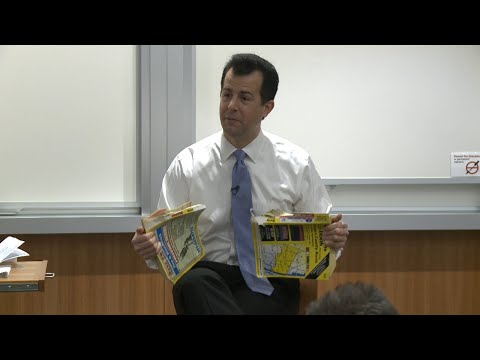
- I'm just going to use sort of English-like syntax, which we would generally call pseudocode.
I'm just going to use sort of English-like syntax, which we would generally call pseudocode.
- And so this too is a recurring topic in programming, whereby I might write a program using syntax like this, pick up pick up phone book.
And so this too is a recurring topic in programming, whereby I might write a program using syntax like this, pick up pick up phone book.
Transfer in Second Language Acquisition
- We can see it in syntax, too.
We can see it in syntax, too.
- But transfer goes beyond phonology. We can see it in syntax, too. So, no surprise, sentences
But transfer goes beyond phonology. We can see it in syntax, too. So, no surprise, sentences