
altogether
US /ˌɔltəˈɡɛðɚ/
UK /ˌɔ:ltəˈgeðə(r)/
- Adverb
- All things considered
- Completely and entirely, fully
A2Moreat last
US /æt læst/
UK /æt lɑ:st/
- Adverb
- Finally; after a long delay.
B1Moreat the corner
US /æt ðə ˈkɔrnɚ/
UK /æt ðə ˈkɔ:nə/
- other
- Situated where two streets or edges meet at an angle.
A2Morebasket
US /ˈbæskɪt/
UK /ˈbɑ:skɪt/
- Noun (Countable/Uncountable)
- Amount contained in a basket; a basketful
- Container made of strips of (often) woven wood
- Intransitive Verb
- To score a basket in basketball.
A2Morebedtime
US /ˈbɛdˌtaɪm/
UK /ˈbedtaɪm/
- Noun
- Time you go to bed
C1Morebrass
US /bræs/
UK /brɑ:s/
- Uncountable Noun
- Yellow metal made by combining copper and zinc
- The section of a band playing trumpets, horn etc.
- Noun (plural)
- Musical instruments such as trumpet or trombone
- Shiny objects made of a golden metal
B1TOEICMorecomfortably
US /ˈkʌmfɚtəblɪ/
UK /ˈkʌmftəbli/
- Adverb
- Having more than enough e.g. money for your needs
- Not being worried about something; at ease
A2Morecousin
US /'kʌzn/
UK /'kʌzn/
- Countable Noun
- Child of your uncle or aunt
- Something similar to or related to something else
A2Morecucumber
US /ˈkjuˌkʌmbɚ/
UK /ˈkju:kʌmbə(r)/
- Noun (Countable/Uncountable)
- Long green vegetable that is eaten raw in salads
- A long, green-skinned fruit with watery flesh, typically eaten raw in salads or pickled.
- Adjective
- Having the flavor or scent of cucumber.
B2Moredamp
US /dæmp/
UK /dæmp/
- Adjective
- A little wet
A2Moredoorstep
US /ˈdɔ:rstep/
UK /ˈdɔ:step/
- Noun
- Wood or stone that forms the bottom of a doorway
B2Moredose
US /doʊs/
UK /dəʊs/
- Noun (Countable/Uncountable)
- An amount of medicine to be taken at any one time
- Transitive Verb
- To give a certain amount of something to someone
B1Moreexcitement
US /ɪkˈsaɪtmənt/
UK /ɪkˈsaɪtmənt/
- Uncountable Noun
- When people feel very happy and enthusiastic
- Something that causes great enthusiasm and eagerness.
A2Moreexert
US /ɪgˈzɜ:rt/
UK /ɪgˈzɜ:t/
- Transitive Verb
- To make something have an effect on something else
B2TOEICMorefir
US /fə:/
UK /fɜ:(r)/
- Countable Noun
- Type of evergreen tree
B2Morefortnight
US /ˈfɔ:rtnaɪt/
UK /ˈfɔ:tnaɪt/
- Noun
- A period of two weeks
B1Morefriendly
US /ˈfrɛndli/
UK /ˈfrendli/
- Adjective
- Acting like a friend; kind and helpful
- Easy to use or understand
- Noun
- Game played not in a competition
A2Morefright
US /fraɪt/
UK /fraɪt/
- Uncountable Noun
- Strong and sudden fear
A2Morefrighten
US /ˈfraɪtn/
UK /'fraɪtn/
- Transitive Verb
- To make someone afraid or nervous
A2Moregarden
US /ˈgɑ:rdn/
UK /ˈgɑ:dn/
- Noun (Countable/Uncountable)
- Yard; ground outside your house to grow plants
- Public park in which visitors can see flowers
- Intransitive Verb
- To work in a yard to grow plants, vegetables
A2Moregate
US /ɡet/
UK /ɡeɪt/
- Noun
- Place in a fence which can be opened or closed
A2TOEICMorego away
US /ɡo əˈwe/
UK /ɡəu əˈwei/
- Phrasal Verb
- To go on vacation
- To leave; depart.
A1Morein no time
US /ɪn noʊ taɪm/
UK /in nəʊ taim/
- Phrase
- Very quickly or soon
A1Morein time
US /ɪn taɪm/
UK /in taim/
- Adverb
- Eventually; after a period of time.
- Not late; with enough time to spare.
- Phrase
- Eventually; before it is too late.
- According to the scheduled time; punctual.
A1Morejacket
US /ˈdʒækɪt/
UK /'dʒækɪt/
- Countable Noun
- Light, thin coat worn over a shirt or top
- Outer covering that fits over and protects it
A2Morelane
US /len/
UK /leɪn/
- Noun
- Marked strip of the road or swimming pool
- Narrow way or road, often with steep sides
A2Moreloaf
US /loʊf/
UK /ləʊf/
- Countable Noun
- Large piece of bread baked as a whole
- Intransitive Verb
- To spend time idly
B2Morelook for
US /lʊk fɔr/
UK /luk fɔ:/
- Phrasal Verb
- To try to find a thing or person that is lost
- To expect or anticipate something.
A1Moremischief
US /ˈmɪstʃɪf/
UK /ˈmɪstʃɪf/
- Uncountable Noun
- Damage; harm done on purpose
B1Moremouse
US /maʊs/
UK /maʊs/
- Countable Noun
- Small animal that has fur and a long tail
- Noun
- Computer device to control movement on a screen
- Quiet, shy person
A2Morenaughty
US /ˈnɔti/
UK /'nɔ:tɪ/
- Adjective
- Behaving badly, e.g. so as to annoy adults
B1Moreon the floor
US
UK
- Phrase
- Located on the ground or bottom surface of a room.
- Actively participating in dancing or other floor-based activities.
A1Moreonce upon a time
US /wʌns əˈpɑn e taɪm/
UK /wʌns əˈpɔn ə taim/
- Phrase
- A conventional phrase used to begin fairy tales and other stories.
B1Moreout of breath
US /aʊt ʌv brɛθ/
UK /aut ɔv breθ/
- Adjective
- Having difficulty breathing, often after physical exertion.
A1Moreparsley
US /ˈpɑ:rsli/
UK /ˈpɑ:sli/
- Uncountable Noun
- Small, green herb used to season or garnish food
B2Morepea
US /pi:/
UK /pi:/
- Countable Noun
- Round green seed, several of which grow in a pod
- Adjective
- Of the size of a pea
B1Morepie
US /paɪ/
UK /paɪ/
- Noun (Countable/Uncountable)
- Baked food with a filling encased in pastry
B1TOEICMorepond
US /pɑ:nd/
UK /pɒnd/
- Countable Noun
- Pool of water that is smaller than a lake
- Intransitive Verb
- To become a pool of water on a surface.
A2Morepresently
US /ˈprɛzəntli/
UK /ˈprezntli/
- Adverb
- In a short period of time; soon
- At the present time; now.
A2Morepuzzle
US /ˈpʌzəl/
UK /'pʌzl/
- Transitive Verb
- To be a challenge to understand; confuse
- Noun (Countable/Uncountable)
- Something challenging to explain or understand
- Game requiring the player to find an answer
A2TOEICMorerabbit
US /ˈræbɪt/
UK /ˈræbɪt/
- Countable Noun
- Type of small animal with long ears and four legs
A2Morerake
US /rek/
UK /reɪk/
- Noun
- Tool used to gather leaves or break up soil
- Transitive Verb
- To use a rake to clean up leaves or break up soil
B2Morerun along
US /rʌn əˈlɔŋ/
UK /rʌn əˈlɔŋ/
- Phrasal Verb
- To go away; leave (often in commands)
A1Morerush
US /rʌʃ/
UK /rʌʃ/
- Verb (Transitive/Intransitive)
- To attack someone suddenly in a group
- To perform or finish with speed and urgency
- Noun (Countable/Uncountable)
- Actions performed or finishes with speed, urgency
- State of hurried action
A2TOEICMoresand
US /sænd/
UK /sænd/
- Uncountable Noun
- Area composed of tiny pieces of rock near an ocean
- Small pieces of rock that make beaches and deserts
- Transitive Verb
- To cover a surface with grit e.g. roads
- To smoothen a surface with sandpaper
A2Morescratch
US /skrætʃ/
UK /skrætʃ/
- Verb (Transitive/Intransitive)
- To rub your skin with your nails to stop an itch
- To make a small cut or mark on a surface
- Noun
- Action of rubbing your skin when itchy
- A small cut or mark on a surface
B1TOEICMoreshake
US /ʃek/
UK /ʃeɪk/
- Verb (Transitive/Intransitive)
- To cause someone to be surprised or upset
- To cause a belief, idea, or feeling to weaken
- Countable Noun
- Drink made by shaking milk with fruit or flavors
A2Moreshed
US /ʃed/
UK /ʃed/
- Countable Noun
- Small building used for storage
- Verb (Transitive/Intransitive)
- To lose something as a natural process e.g. hair
- Got rid of something that was no longer wanted or needed.
B2Moresieve
US /sɪv/
UK /sɪv/
- Noun
- Device with fine mesh to filter out liquids
- used for something that fails to hold water or allows something to easily escape or enter
- Transitive Verb
- To push food through fine mesh to remove pips, etc.
C1Moreslip
US /slɪp/
UK /slɪp/
- Noun (Countable/Uncountable)
- Act of beginning to fall from losing balance
- A field position in cricket
- Verb (Transitive/Intransitive)
- To begin to fall as a result of losing balance
- To escape or become free from something
B1TOEICMoresneeze
US /sniz/
UK /sni:z/
- Noun
- Act of air suddenly being forced out of nose/mouth
- Intransitive Verb
- To suddenly force air out of nose/mouth
B1Morestare
US /stɛr/
UK /steə(r)/
- Verb (Transitive/Intransitive)
- To look at someone or something for a long time
- Noun
- A long look at something or someone for a reason
A2Morestraight
US /stret/
UK /streɪt/
- Adjective
- Not having curves, bends, or angles
- Not gay; heterosexual
- Adverb
- in a line; immediately; honestly and directly
- In a straight line; directly.
A2TOEICMoresupper
US /ˈsʌpɚ/
UK /ˈsʌpə(r)/
- Countable Noun
- Evening meal, often when informal
B1Moretail
US /tel/
UK /teɪl/
- Countable Noun
- Extended part at the back of an animal's body
- Noun
- Back or last part of something e.g. shirt
A2Morethief
US /θif/
UK /θi:f/
- Noun (Countable/Uncountable)
- Person who steals something
- A person who exploits or overcharges others.
A2Moretremble
US /ˈtrɛmbəl/
UK /'trembl/
- Intransitive Verb
- To shake a little, as due to an earthquake
- To shake slightly because you are afraid/excited
B1Moreumbrella
US /ʌmˈbrɛlə/
UK /ʌmˈbrelə/
- Noun
- Including many smaller things of the same type
- Countable Noun
- Thing you open over your head to keep rain off
- Something providing general protection or cover.
B1Moreupon a time
US
UK
- Phrase
- An introductory phrase used to begin a story, typically a fairy tale.
A1Moreupsetting
US
UK
- Transitive Verb
- To turn upside down or on its side
- To trouble, worry, or anger someone
A2Morewalk behind
US /ˈwɔk bɪˈhaɪnd/
UK /ˈwɔ:k bɪˈhaɪnd/
- other
- To walk closely following someone or something behind.
A2Morewander
US /ˈwɑ:ndə(r)/
UK /ˈwɒndə(r)/
- Intransitive Verb
- To move through a place with no particular purpose
- To move through a place with no particular purpose
A2TOEICMorewander about
US /ˈwɑndɚ əˈbaʊt/
UK /ˈwɔndə əˈbaut/
- Phrasal Verb
- To move from place to place without a fixed purpose or destination.
B2Morewave
US /wev/
UK /weɪv/
- Noun (Countable/Uncountable)
- Movement of sound, air or energy
- Deep and strong emotion that is suddenly felt
- Verb (Transitive/Intransitive)
- To cause to move side to side or back and forth
A2Moreway to go
US /we tu ɡo/
UK /wei tu: ɡəu/
- Interjection
- An expression of encouragement or approval.
- An expression of sarcasm after someone has made a mistake.
A1Morewood
US /wʊd/
UK /wʊd/
- Proper Noun
- Person's name
- Noun (Countable/Uncountable)
- Land covered with trees, smaller than a forest
- Cut tree used for making fires or building things
A2More
Vocabulary
- once upon a time: A conventional phrase used to begin fairy tales and other stories.
- upon a time: An introductory phrase used to begin a story, typically a fairy tale.
- run along: To go away; leave (often in commands)
- look for: To try to find a thing or person that is lost
- in time: Eventually; after a period of time.
- in no time: Very quickly or soon
- out of breath: Having difficulty breathing, often after physical exertion.
- way to go: An expression of encouragement or approval.
- wander about: To move from place to place without a fixed purpose or destination.
- go away: To go on vacation
- walk behind: To walk closely following someone or something behind.
- at the corner: Situated where two streets or edges meet at an angle.
- at last: Finally; after a long delay.
- on the floor: Located on the ground or bottom surface of a room.
- jacket: Light, thin coat worn over a shirt or top
- garden: Yard; ground outside your house to grow plants
- run: To depart or travel according to a schedule
- begin: To do the first part of an action; to start
- mother: Female who has a child or children; female parent
- ate: To put food in your mouth
- bread: Money or earnings
- catch: Amount of something that has been caught
- sat: Sixth day of the week; the day after Friday
- tree: Tall green plants in a forest
- sit: To take an exam
- big: Popular
- give: Degree of flexibility in something, a material
- fast: In a way that is difficult to move or change
- time: Speed at which music is played; tempo
- rabbit: Type of small animal with long ears and four legs
- gate: Place in a fence which can be opened or closed
- jump: To attack someone suddenly
- wood: Person's name
- straight: Not having curves, bends, or angles
- lose: To be unable to keep in check or control something
- upsetting: To turn upside down or on its side
- puzzle: To be a challenge to understand; confuse
- supper: Evening meal, often when informal
- umbrella: Including many smaller things of the same type
- large: Big; of great size; broad, tall, wide, or fat
- accident: Sudden unplanned event causing damage, injury etc.
- cousin: Child of your uncle or aunt
- mouse: Small animal that has fur and a long tail
- friendly: Acting like a friend; kind and helpful
- sand: Area composed of tiny pieces of rock near an ocean
- pea: Round green seed, several of which grow in a pod
- frighten: To make someone afraid or nervous
- fortnight: A period of two weeks
- thief: Person who steals something
- slip: Act of beginning to fall from losing balance
- shake: To cause someone to be surprised or upset
- pie: Baked food with a filling encased in pastry
- cucumber: Long green vegetable that is eaten raw in salads
- wave: Movement of sound, air or energy
- quietly: In a quiet manner; making little sound or fuss
- basket: Amount contained in a basket; a basketful
- altogether: All things considered
- wonder: Surprise caused by experiencing something amazing
- excitement: When people feel very happy and enthusiastic
- shed: Small building used for storage
- tail: Extended part at the back of an animal's body
- rush: To attack someone suddenly in a group
- scratch: To rub your skin with your nails to stop an itch
- lane: Marked strip of the road or swimming pool
- dose: An amount of medicine to be taken at any one time
- sneeze: Act of air suddenly being forced out of nose/mouth
- pond: Pool of water that is smaller than a lake
- damp: A little wet
- tremble: To shake a little, as due to an earthquake
- loaf: Large piece of bread baked as a whole
- comfortably: Having more than enough e.g. money for your needs
- naughty: Behaving badly, e.g. so as to annoy adults
- wander: To move through a place with no particular purpose
- stare: To look at someone or something for a long time
- presently: In a short period of time; soon
- brass: Yellow metal made by combining copper and zinc
- fright: Strong and sudden fear
- fir: Type of evergreen tree
- bedtime: Time you go to bed
- rake: Tool used to gather leaves or break up soil
- exert: To make something have an effect on something else
- doorstep: Wood or stone that forms the bottom of a doorway
- mischief: Damage; harm done on purpose
- sieve: Device with fine mesh to filter out liquids
- parsley: Small, green herb used to season or garnish food
Get the full experience in the app
Learn anywhere with detailed sentence and usage analysis
01:03
She took a brave step forward, leaving behind her comfort zone to chase her dreams.
Vocabulary
- brave
adj. Having courage
- comfort zone
phr. A familiar situation where one feels safe
Explanation
a brave step is a noun phrase, where brave is an adjective modifying the noun step, meaning "a courageous step".
forward is an adverb modifying step, meaning "ahead".
The whole phrase serves as the object, answering the "what" of took (verb) — she took a brave step forward.
Get the full experience in the app
Look up words anytime with pronunciation, part of speech, and usage
brave
US/brev/
UK/breɪv/
adj.Brave
v.t.To bravely face
A2 Elementary
Get the full experience in the app
Practice speaking anytime and get instant pronunciation feedback
Try this speaking exercise.
Try practicing with this sentence.
80
0
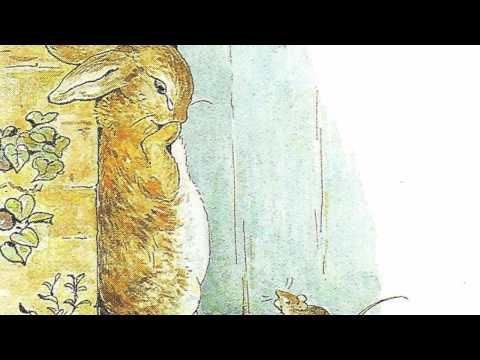
Anbe2623 posted on 2013/08/24Ever wondered how Peter Rabbit gets into all that mischief? Dive into this fun read-aloud of Beatrix Potter's classic tale and practice simple sentence structures and situational dialogue along the way! It's the perfect way to enjoy a beloved story while boosting your English skills.
Learn this video on the APP!
The VoiceTube App has more in-depth practice for videos!