
along with
US /əˈlɔŋ wɪð/
UK /əˈlɔŋ wið/
- Preposition
- In addition to; together with.
- Adverb
- In company or together with someone or something.
- Including; in addition to.
A2Morealso known as
US
UK
- Phrase
- Also called; alternatively named.
- Identified by another term; synonymous with.
A1Moreanxiety
US /æŋˈzaɪɪti/
UK /æŋ'zaɪətɪ/
- Uncountable Noun
- A feeling of worry, nervousness, or unease about something that might happen, especially when the outcome is uncertain.
B1Morearchaic
US /ɑrˈkeɪk/
UK /ɑ:ˈkeɪɪk/
- Adjective
- Old and no longer relevant or applicable
C1Morearound the world
US /əˈraʊnd ði wɜrld/
UK /əˈraund ðə wɜː(r)ld/
- Phrase
- In or to many countries.
- In various places throughout the world.
A2Moreas well as
US /æz wɛl æz/
UK /æz wel æz/
- Adverb
- Also; in addition to
- Preposition
- In addition to; and also.
A1Moreballistic
US /bəˈlɪstɪk/
UK /bəˈlɪstɪk/
- Adjective
- Of the science of movement of rockets and bullets
C1Morebased on
US
UK
- Phrasal Verb
- To use something as the foundation or starting point for something else.
- Preposition
- Using something as the main idea or foundation.
- Relying on something as evidence or justification.
A1Morecare of
US /kɛr ʌv/
UK /kɛə ɔv/
- Preposition
- Used in an address to indicate the person who will receive the mail for someone else.
A2Morecarotid
US
UK
- Noun
- Of two major arteries supplying blood to head/neck
C2Morecause
US /kɔz/
UK /kɔ:z/
- Noun
- Belief, goal or organization that people support
- Reason for
- Transitive Verb
- To make something happen; create effect or result
A2Morecerebral
US /ˈsɛrəbrəl, səˈri-/
UK /ˈserəbrəl, səˈri:-/
- Adjective
- Having or concerning ideas rather than emotions
- Affecting or related to the brain
- Noun
- An intellectual person.
B2Morechemist
US /ˈkɛmɪst/
UK /ˈkemɪst/
- Countable Noun
- Person who sells medicines; drug store
- Person who studies or does research in chemistry
B1Morecognitive
US /ˈkɑɡnɪtɪv/
UK /ˈkɒgnətɪv/
- Adjective
- The process of knowing and remembering
- Relating to the ability to think and reason.
C1Moreconference
US /ˈkɑnfərəns, -frəns/
UK /ˈkɒnfərəns/
- Noun (Countable/Uncountable)
- Series of lectures held as an event
- An association of US sports teams
- Intransitive Verb
- To hold a discussion; consult.
A2Moreconnection
US /kəˈnɛkʃən/
UK /kəˈnekʃn/
- Noun (Countable/Uncountable)
- Something that joins things together; being joined
- Person you know who can help you in some way
A2Morecortex
US /ˈkɔrˌteks/
UK /'kɔ:teks/
- Noun (Countable/Uncountable)
- The outer part of an organ/structure, e.g. brain
- The outer layer of the cerebrum (the cerebral cortex), other organs, or a plant.
C1Morecut off
US /kʌt ɔf/
UK /kʌt ɔf/
- Phrasal Verb
- To end a process, e.g. a phone call
- To cut the end of something
- Transitive Verb
- To isolate or prevent access to a place or person.
- To interrupt someone while they are speaking.
A1Moredepression
US /dɪˈprɛʃən/
UK /dɪ'preʃn/
- Noun (Countable/Uncountable)
- Medical condition of a lack of vitality
- Period of unemployment and low economic activity
B2Morediagnose
US /ˌdaɪəgˈnoʊs/
UK /ˈdaɪəgnəʊz/
- Transitive Verb
- To determine the cause of an illness or problem
B1Moredisorder
US /dɪsˈɔrdɚ/
UK /dɪs'ɔ:də(r)/
- Uncountable Noun
- State of confusion or a lack of organization
- Illness when the body is not functioning well
- Transitive Verb
- To disrupt the order or arrangement of something.
B2Moreendeavor
US /ɛnˈdɛvɚ/
UK /en'devə/
- Verb (Transitive/Intransitive)
- To attempt or make effort to do something
- Noun (Countable/Uncountable)
- An attempt or effort
B2TOEICMoreessentially
US /ɪˈsenʃəli/
UK /ɪˈsenʃəli/
- Adverb
- Basically; (said when stating the basic facts)
- Used to emphasize the basic truth or fact of a situation.
A2Moreexperiment
US /ɪkˈspɛrəmənt/
UK /ɪk'sperɪmənt/
- Noun (Countable/Uncountable)
- Test performed to assess new ideas or theories
- A course of action tentatively adopted without being sure of the eventual outcome.
- Verb (Transitive/Intransitive)
- To create and perform tests to research something
- To try something new that you haven't tried before
A2TOEICMoreeyelid
US /ˈaɪˌlɪd/
UK /ˈaɪlɪd/
- Noun
- The skin that covers the eyes when you close them
B2Morefertilizer
US /ˈfɚtlˌaɪzɚ/
UK /ˈfɜ:təlaɪzə(r)/
- Noun (Countable/Uncountable)
- Substance added to soil to help plants grow
- A specific type or brand of fertilizer.
B1TOEICMorefigure out
US /ˈfɪɡjɚ aʊt/
UK /ˈfiɡə aut/
- Phrasal Verb
- To understand the behavior of someone
- To think through logically to find a solution
- Verb (Transitive/Intransitive)
- To understand or find an answer to something.
- To find a solution to a problem or understand something.
A1Morefor example
US
UK
- Phrase
- As an illustration or instance.
freeman
US /ˈfrimən/
UK /'fri:mən/
- Noun
- Someone who is not a slave
C2Morefrontal
US /ˈfrʌntl:/
UK /ˈfrʌntl/
- Adjective
- Belonging to the forward part
- Relating to the front part of something, especially the front of the head or brain.
- Noun
- The bone that forms the front part of the skull above the eyes.
B1Moreillness
US /ˈɪlnɪs/
UK /ˈɪlnəs/
- Uncountable Noun
- Unhealthy condition of the mind or body
- A particular instance or type of disease.
A2Moreimpair
US /ɪmˈpɛr/
UK /ɪm'peə(r)/
- Transitive Verb
- To damage or weaken something
B2TOEICMorein addition to
US /ɪn əˈdɪʃən tu/
UK /in əˈdiʃən tu:/
- Preposition
- Besides; as well as
- Phrase
- Besides; as well as.
- Furthermore; moreover.
B1Morein attendance
US
UK
- Phrase
- Present at a particular event or meeting.
A1Morein fact
US /ɪn fækt/
UK /in fækt/
- Adverb
- Used to emphasize the truth of a statement, especially one that contrasts with or contradicts something else.
- Used to introduce a more detailed or surprising piece of information.
- Phrase
- Used to emphasize the truth of a statement, especially one that is surprising or contrary to what might be expected.
C1Morein the end
US /ɪn ði ɛnd/
UK /in ðə end/
- Phrase
- Finally; after a period of time or series of events.
- Ultimately; as the final result or consequence.
A1Moreinject
US /ɪnˈdʒɛkt/
UK /ɪn'dʒekt/
- Transitive Verb
- To add or put in more (money, energy etc.)
- To motivate or put energy into something
B1Moreinstead of
US /ɪnˈstɛd ʌv/
UK /inˈsted ɔv/
- Preposition
- When one thing is replaced by another
- Adverb
- As a substitute or alternative.
A1Moreiodine
US /ˈaɪədaɪn/
UK /ˈaɪədi:n/
- Uncountable Noun
- Substance used on burns, etc. to prevent infection
C2Morelavish
US /ˈlævɪʃ/
UK /ˈlævɪʃ/
- Transitive Verb
- To use or give a lot of something
- Adjective
- Generous; providing a lot of something
B2TOEICMorelegislator
US /ˈlɛdʒɪˌsletɚ/
UK /ˈledʒɪsleɪtə(r)/
- Noun
- Someone who makes or enacts laws
B1Morelobe
US /loʊb/
UK /ləʊb/
- Noun (Countable/Uncountable)
- Round part in body, e.g. some parts of brain
- part of an organ(e.g. the brain, lungs, or liver) that seems to be separate in some way from the rest
B2Moremental
US /ˈmɛntl/
UK /ˈmentl/
- Adjective
- Concerning the mind
A2TOEICMorenerve
US /nɚv/
UK /nə:v/
- Noun (Countable/Uncountable)
- Fibers in the body that enable feeling, movement
- Courage to do something that is difficult or risky
- Verb (Transitive/Intransitive)
- To summon one's courage; brace oneself.
A2Moreneurological
US /ˌnjʊrəˈlɑdʒɪkəl/
UK /ˌnjʊərəˈlɒdʒɪkl/
- Adjective
- Concerning, used in or practicing neurology
B2Moreon the floor
US
UK
- Phrase
- Located on the ground or bottom surface of a room.
- Actively participating in dancing or other floor-based activities.
A1Moreout of control
US /aʊt ʌv kənˈtrol/
UK /aut ɔv kənˈtrəul/
- Adjective
- Impossible to manage or control.
- Not able to be directed or steered.
A1Moreover time
US /ˈovɚ taɪm/
UK /ˈəuvə taim/
- Phrase
- Gradually; as time passes.
- During a long period.
- Adverb
- Gradually; as time passes.
B1Morepersonality
US /ˌpɚsəˈnælɪti/
UK /ˌpɜ:səˈnæləti/
- Noun (Countable/Uncountable)
- Way someone is or reacts to life or other people
- Person who is famous; celebrity
A2Morephysician
US /fɪˈzɪʃən/
UK /fɪˈzɪʃn/
- Countable Noun
- A medical doctor
B2Morepresentation
US /ˌprɛzənˈteʃən, ˌprizən-/
UK /ˌpreznˈteɪʃn/
- Noun (Countable/Uncountable)
- Act of giving a formal talk about something
- Way in which something is displayed or shown
A2Moreprocedure
US /prəˈsidʒɚ/
UK /prəˈsi:dʒə(r)/
- Noun
- A medical operation
- Usual or standard steps taken to do something
B1TOEICMoreproponent
US /prəˈponənt/
UK /prəˈpəʊnənt/
- Countable Noun
- Person who supports or argues for something
B2Morepsychiatric
US
UK
- Adjective
- Concerning the treatment of the mind
B2Morerailroad
US /ˈreɪlroʊd/
UK /ˈreɪlrəʊd/
- Noun
- System of tracks on which trains travel
C2TOEICMorerefine
US /rɪˈfaɪn/
UK /rɪ'faɪn/
- Transitive Verb
- To change slightly in order to improve it
- To narrow down your search to a smaller number
B1TOEICMoreresponsible
US / rɪˈspɑnsəbəl/
UK /rɪ'spɒnsəbl/
- Adjective
- Being the cause of something that has occurred
- Having the duty of dealing with something
A2TOEICMoresodium
US /ˈsodiəm/
UK /'səʊdɪəm/
- Uncountable Noun
- A soft, white chemical element
B2Moresolution
US /səˈluʃən/
UK /səˈlu:ʃn/
- Noun (Countable/Uncountable)
- Mix of a liquid and a solid or a gas
- Way to solve or deal with a problem
A2Morespike
US /spaɪk/
UK /spaɪk/
- Noun
- The top point in a graph
- Long, thin metal rod that ends in a point
- Intransitive Verb
- To go up to a point on a graph
B2Morestandard
US /ˈstændəd/
UK /'stændəd/
- Noun
- Official unit of measuring something
- Principle of behaving in a moral way
- Adjective
- Being the accepted normal level of quality
- (Of a language) being the most accepted in a place
A2TOEICMoresurgery
US /ˈsɚdʒəri/
UK /'sɜ:dʒərɪ/
- Noun (Countable/Uncountable)
- Medical operation involving cutting into body
- A doctor's office; health clinic
B1Moresurgical
US /ˈsɜ:rdʒɪkl/
UK /ˈsɜ:dʒɪkl/
- Adjective
- Of or relating to surgery or operations
B2Moretechnique
US /tɛkˈnik/
UK /tekˈni:k/
- Noun (Countable/Uncountable)
- Way of doing by using special knowledge or skill
- The skill or ability to do something well.
A2TOEICMorethink about
US /θɪŋk əˈbaʊt/
UK /θiŋk əˈbaut/
- Phrasal Verb
- To consider something carefully.
- To remember or call to mind.
A1Moreturn out
US /tɚn aʊt/
UK /tə:n aut/
- Phrasal Verb
- To arrive for a public event or entertainment
- To happen to be in the end
A1Moreversion
US /ˈvɚʒən, -ʃən/
UK /ˈvə:ʃən/
- Noun
- Different way that someone interprets something
- New or different form of something
A2TOEICMorework on
US /wɚk ɑn/
UK /wə:k ɔn/
- Phrasal Verb
- To devote effort to improve or develop something
- To try to persuade or influence someone.
A1More
Vocabulary
- based on: To use something as the foundation or starting point for something else.
- think about: To consider something carefully.
- turn out: To arrive for a public event or entertainment
- around the world: In or to many countries.
- for example: As an illustration or instance.
- out of control: Impossible to manage or control.
- on the floor: Located on the ground or bottom surface of a room.
- in attendance: Present at a particular event or meeting.
- in fact: Used to emphasize the truth of a statement, especially one that contrasts with or contradicts something else.
- figure out: To understand the behavior of someone
- work on: To devote effort to improve or develop something
- in addition to: Besides; as well as
- also known as: Also called; alternatively named.
- cut off: To end a process, e.g. a phone call
- over time: Gradually; as time passes.
- as well as: Also; in addition to
- care of: Used in an address to indicate the person who will receive the mail for someone else.
- along with: In addition to; together with.
- instead of: When one thing is replaced by another
- in the end: Finally; after a period of time or series of events.
- anxiety: A feeling of worry, nervousness, or unease about something that might happen, especially when the outcome is uncertain.
- cognitive: The process of knowing and remembering
- essentially: Basically; (said when stating the basic facts)
- mental: Concerning the mind
- depression: Medical condition of a lack of vitality
- technique: Way of doing by using special knowledge or skill
- disorder: State of confusion or a lack of organization
- dopamine: Drug used to treat shock and hypotension
- experiment: Test performed to assess new ideas or theories
- treat: To pay for the food or enjoyment of someone else
- consider: To think carefully about something
- cortex: The outer part of an organ/structure, e.g. brain
- develop: To explain something in steps and in detail
- version: Different way that someone interprets something
- presentation: Act of giving a formal talk about something
- conference: Series of lectures held as an event
- spike: The top point in a graph
- personality: Way someone is or reacts to life or other people
- mean: Average of a set of numbers
- brain: To strike someone forcefully on the head
- cause: Belief, goal or organization that people support
- perform: To carry out an action well or successfully
- behavior: The way a person or thing acts; manner
- endeavor: To attempt or make effort to do something
- impair: To damage or weaken something
- illness: Unhealthy condition of the mind or body
- responsible: Being the cause of something that has occurred
- standard: Official unit of measuring something
- surgery: Medical operation involving cutting into body
- nerve: Fibers in the body that enable feeling, movement
- mood: Emotion or a state of mind; how you feel
- connection: Something that joins things together; being joined
- neurological: Concerning, used in or practicing neurology
- solution: Mix of a liquid and a solid or a gas
- lavish: To use or give a lot of something
- sodium: A soft, white chemical element
- diagnose: To determine the cause of an illness or problem
- notice: To become aware by sight, touch, or hearing
- procedure: A medical operation
- psychiatric: Concerning the treatment of the mind
- allow: To admit the validity or truth of something
- cerebral: Having or concerning ideas rather than emotions
- learn: To get knowledge or skills by study or experience
- fertilizer: Substance added to soil to help plants grow
- physician: A medical doctor
- popular: Liked or enjoyed by many people
- refine: To change slightly in order to improve it
- remove: To get rid of something completely
- human: A person; a man, woman or child
- surgical: Of or relating to surgery or operations
- lobe: Round part in body, e.g. some parts of brain
- archaic: Old and no longer relevant or applicable
- frontal: Belonging to the forward part
- ballistic: Of the science of movement of rockets and bullets
- inject: To add or put in more (money, energy etc.)
- proponent: Person who supports or argues for something
- eyelid: The skin that covers the eyes when you close them
- chemist: Person who sells medicines; drug store
- railroad: System of tracks on which trains travel
- iodine: Substance used on burns, etc. to prevent infection
- legislator: Someone who makes or enacts laws
- carotid: Of two major arteries supplying blood to head/neck
- freeman: Someone who is not a slave
Get the full experience in the app
Learn anywhere with detailed sentence and usage analysis
01:03
She took a brave step forward, leaving behind her comfort zone to chase her dreams.
Vocabulary
- brave
adj. Having courage
- comfort zone
phr. A familiar situation where one feels safe
Explanation
a brave step is a noun phrase, where brave is an adjective modifying the noun step, meaning "a courageous step".
forward is an adverb modifying step, meaning "ahead".
The whole phrase serves as the object, answering the "what" of took (verb) — she took a brave step forward.
Get the full experience in the app
Look up words anytime with pronunciation, part of speech, and usage
brave
US/brev/
UK/breɪv/
adj.Brave
v.t.To bravely face
A2 Elementary
Get the full experience in the app
Practice speaking anytime and get instant pronunciation feedback
Try this speaking exercise.
Try practicing with this sentence.
80
0
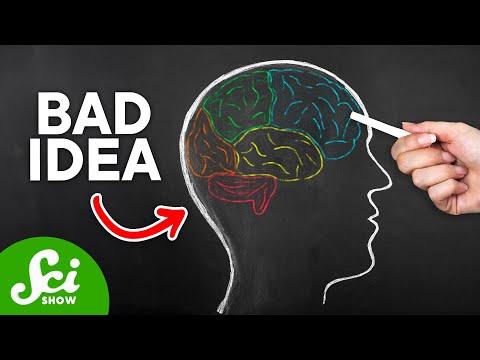
Kana kawai posted on 2017/11/15Ever heard of the Nobel Prize for lobotomy? This fascinating video dives into the controversial history of António Moniz and his groundbreaking, yet ethically complex, surgical procedures. You'll pick up advanced vocabulary related to neuroscience and medical history while exploring a truly shocking chapter in medicine!
Learn this video on the APP!
The VoiceTube App has more in-depth practice for videos!