
accelerate
US /ækˈsɛləˌret/
UK /əkˈseləreɪt/
- Transitive Verb
- To cause to occur earlier than expected
- To increase the speed or rate of something
B1TOEICMoreadrenaline
US /əˈdrɛnəlɪn/
UK /ə'drenəlɪn/
- Noun (Countable/Uncountable)
- Chemical in the body that responds to stress, fear
- The intense excitement and energy felt when in a dangerous or exciting situation.
C1Moreaffect
US /əˈfɛkt/
UK /ə'fekt/
- Transitive Verb
- To cause a change in something else
- To pretend to have or feel (something).
- Noun
- (Psychology) Emotion or feeling.
A2TOEICMoreanxiety
US /æŋˈzaɪɪti/
UK /æŋ'zaɪətɪ/
- Uncountable Noun
- A feeling of worry, nervousness, or unease about something that might happen, especially when the outcome is uncertain.
B1Moreartery
US /ˈɑrtəri/
UK /ˈɑ:təri/
- Noun (Countable/Uncountable)
- Tubes that carry blood from the heart to the body
- Important road, rail or water way
B2Moreat least
US /æt list/
UK /æt li:st/
- Adverb
- As a minimum
- Not less than
- Phrase
- No less than; at the minimum
- Used to indicate that something is positive in a bad situation.
C2Moreblame
US /blem/
UK /bleɪm/
- Transitive Verb
- To say someone is responsible for something bad
- Noun (Countable/Uncountable)
- Act of saying someone did something bad
A2TOEICMorecalm
US /kɑm/
UK /kɑ:m/
- Adjective
- Without wind or storm; quiet; peaceful
- Relaxed and not worried or angry
- Verb (Transitive/Intransitive)
- To make or become relaxed and not worried or angry
A2Morecalm down
US /kɑm daʊn/
UK /kɑ:m daun/
- Phrasal Verb
- To make or become relaxed after being stressed
A2Morecheck out
US /tʃɛk aʊt/
UK /tʃek aut/
- Phrase
- Phrasal Verb
- To find out information about something
- To take books out of a library
A1Morecheckout
US /ˈtʃɛkˌaʊt/
UK /ˈtʃekaʊt/
- Noun
- Counter in a supermarket where you pay for goods
C2Morechildhood
US /ˈtʃaɪldˌhʊd/
UK /ˈtʃaɪldhʊd/
- Uncountable Noun
- The time when you are a child
B1Morecirculation
US /ˌsɚkjəˈleʃən/
UK /ˌsɜ:kjəˈleɪʃn/
- Noun (Countable/Uncountable)
- Movement of blood through the body
- Repeatedly passing items from one person to others
B1Morecognitive
US /ˈkɑɡnɪtɪv/
UK /ˈkɒgnətɪv/
- Adjective
- The process of knowing and remembering
- Relating to the ability to think and reason.
C1Morecombat
US /kəmˈbæt, ˈkɑmˌbæt/
UK /'kɒmbæt/
- Verb (Transitive/Intransitive)
- To fight someone or something physically
B1Morecontribute
US /kənˈtrɪbjut/
UK /kən'trɪbju:t/
- Verb (Transitive/Intransitive)
- To be a factor in causing something to happen
- To donate, give (money) or help to something
A2Moredecrease
US /dɪˈkris/
UK /dɪˈkri:s/
- Verb (Transitive/Intransitive)
- To reduce the size, amount or number of something
- Uncountable Noun
- Amount by which something has been reduced
B1TOEICMoredementia
US /dɪˈmɛnʃə/
UK /dɪˈmenʃə/
- Uncountable Noun
- Illness characterized by loss of memory
B2Moredisease
US /dɪˈziz/
UK /dɪˈzi:z/
- Noun (Countable/Uncountable)
- Illness that affects a person, animal, or plant
- A disorder of structure or function in a plant, especially one caused by a pathogen.
- Transitive Verb
- To affect with disease; to corrupt or sicken.
A2TOEICMoredisorder
US /dɪsˈɔrdɚ/
UK /dɪs'ɔ:də(r)/
- Uncountable Noun
- State of confusion or a lack of organization
- Illness when the body is not functioning well
- Transitive Verb
- To disrupt the order or arrangement of something.
B2Moredna
US
UK
- Noun (Countable/Uncountable)
- Chemical in living cells with genetic information
B2Moreexcessive
US /ɪkˈsɛsɪv/
UK /ɪkˈsesɪv/
- Adjective
- Beyond what is usual or proper
B2Moreexpression
US /ɪkˈsprɛʃən/
UK /ɪk'spreʃn/
- Noun (Countable/Uncountable)
- Act of making your thoughts and feelings known
- Group of words that have a specific meaning
A2TOEICMorefactor
US /ˈfæktɚ/
UK /'fæktə(r)/
- Noun
- Something that influences a result
- Transitive Verb
- To consider or include in an estimate or judgment
- To find the two numbers a number can be divided by
A2TOEICMoregeneralize
US /ˈdʒɛnərəˌlaɪz/
UK /'dʒenrəlaɪz/
- Verb (Transitive/Intransitive)
- To apply a particular idea to a large group
B2Moregenetically
US /dʒə'netɪklɪ/
UK /dʒə'netɪklɪ/
- Adverb
- Caused or controlled, or by genes
- By means of genes or genetic engineering.
B1Moregoing on
US /ˈɡoɪŋ ɑn/
UK /ˈgəʊɪŋ ɔn/
- Phrasal Verb
- To continue doing something
- To happen (usually negative)
A1Morehormone
US /ˈhɔrˌmon/
UK /'hɔ:məʊn/
- Noun
- Chemical produced by the body to control functions
B2Morein fact
US /ɪn fækt/
UK /in fækt/
- Adverb
- Used to emphasize the truth of a statement, especially one that contrasts with or contradicts something else.
- Used to introduce a more detailed or surprising piece of information.
- Phrase
- Used to emphasize the truth of a statement, especially one that is surprising or contrary to what might be expected.
C1Moreinduce
US /ɪnˈdus, -ˈdjus/
UK /ɪn'dju:s/
- Transitive Verb
- To make someone do something; create an outcome
- To make a woman give birth by giving her medicine
B1TOEICMoreinflammatory
US /ɪnˈflæməˌtɔri, -ˌtori/
UK /ɪnˈflæmətri/
- Adjective
- Making or intended to make someone angry
B2TOEICMoreinfluence
US / ˈɪnfluəns/
UK /'ɪnflʊəns/
- Verb (Transitive/Intransitive)
- To affect or change something indirectly
- To persuade someone to do something.
- Noun (Countable/Uncountable)
- The power to affect what happens, to persuade etc.
- A person or thing that affects someone or something in an important way.
A2TOEICMoreinitial
US /ɪˈnɪʃəl/
UK /ɪ'nɪʃl/
- Noun
- First letter of your given name
- The beginning or commencement of something.
- Transitive Verb
- To authorize something by writing your initials
- To mark or sign with one's initials.
A2TOEICMoreintense
US /ɪnˈtɛns/
UK /ɪn'tens/
- Adjective
- Very strong, great or extreme in degree
- Experiencing or showing great force or strength; extreme.
A2TOEICMorelead to
US /lid tu/
UK /li:d tu:/
- Phrasal Verb
- To result in some action
- Verb (Transitive/Intransitive)
- To have something as a consequence or result.
A1Moremarrow
US /ˈmæro/
UK /'mærəʊ/
- Uncountable Noun
- A soft, fatty tissue inside bones
C2Moremove to
US /muv tu/
UK /mu:v tu:/
- Phrasal Verb
- To change the place where you live or work.
- Verb (Transitive/Intransitive)
- To proceed to the next stage or action.
A2Moremutation
US /mjuˈteʃən/
UK /mju:'teɪʃn/
- Noun
- Change that changes genetic structure
B2Moreneuron
US /ˈnʊrˌɑn, ˈnjʊr-/
UK /ˈnʊərˌɔn, ˈnjʊər-/
- Noun
- A nerve cell
B2Moreoccur
US /əˈkɚ/
UK /əˈkɜ:(r)/
- Intransitive Verb
- To come to pass or to happen
- To be found to exist; to be present.
A2TOEICMoreodor
US /'oʊdə/
UK /'əʊdə/
- Noun
- A certain smell, often strong or distinct
- A distinctive smell, especially an unpleasant one.
- Noun (Countable/Uncountable)
- A certain smell, often strong or distinct
B1TOEICMoreoften used to
US
UK
- Phrase
- Frequently employed or utilized for a specific purpose or action.
- Commonly applied or implemented in a particular situation or context.
A1Moreon the brain
US
UK
- Idiom
- To be constantly thinking about someone or something; to be obsessed with someone or something.
on the other hand
US
UK
- Phrase
- Considering a different aspect of the matter; alternatively.
A1Morepanic
US /ˈpænɪk/
UK /'pænɪk/
- Uncountable Noun
- Overwhelming feeling of fear and anxiety
- Intransitive Verb
- To feel sudden anxiety and fear and cannot think
B1Morepartially
US /ˈpɑ:rʃəli/
UK /ˈpɑ:ʃəli/
- Adverb
- In part; in some degree; not wholly
B1Morephobia
US /ˈfoʊbiə/
UK /ˈfəʊbiə/
- Noun
- Extreme fear
C1Moreprevent
US /prɪˈvɛnt/
UK /prɪ'vent/
- Transitive Verb
- To stop something from happening or existing
A2TOEICMoreprolong
US /prəˈlɔŋ, -ˈlɑŋ/
UK /prə'lɒŋ/
- Transitive Verb
- To make continue for a longer amount of time
B2TOEICMoreresult
US /rɪˈzʌlt/
UK /rɪ'zʌlt/
- Noun
- Something produced through tests or experiments
- Final score of a competition, election or game
- Intransitive Verb
- To be the outcome of other causes and effects
- To happen or exist as a consequence of something.
A2Moreresult in
US /rɪˈzʌlt ɪn/
UK /riˈzʌlt in/
- Phrasal Verb
- To cause or produce as a consequence.
seemingly
US /ˈsiːmɪŋli/
UK /ˈsi:mɪŋli/
- Adverb
- Appearing to be but may not actually be; probably
B1Moresensitive
US /ˈsɛnsɪtɪv/
UK /'sensətɪv/
- Adjective
- Taking offense easily; easily upset or hurt
- (Private information) needing careful treatment
A2TOEICMoreserotonin
US /ˌserəˈtoʊnɪn/
UK /ˌserəˈtəʊnɪn/
- Uncountable Noun
- A neurotransmitter in the brain that helps regulate mood, sleep, appetite, and emotional well-being; often referred to as the "feel-good" hormone.
C2Moresevere
US /səˈvɪr/
UK /sɪ'vɪə(r)/
- Adjective
- Very bad; harsh
- (Of clothes, etc.) plain; simple; not decorated
A2TOEICMoresuch as
US /sʌtʃ æz/
UK /sʌtʃ æz/
- Preposition
- For example; like
A1Moresynapse
US /ˈsɪnˌæps, sɪˈnæps/
UK /ˈsaɪnæps/
- Noun
- Junction between neurons in the brain
C1Moretherapy
US /ˈθɛrəpi/
UK /'θerəpɪ/
- Noun (Countable/Uncountable)
- Treatment to help cure an illness
- Psychological counseling to help resolve personal or emotional problems.
B2Moretolerance
US /ˈtɑ:lərəns/
UK /ˈtɒlərəns/
- Uncountable Noun
- Ability to adjust to changes, your environment etc.
- The space between metal objects e.g. in engines
B1Moretraumatic
US /traʊˈmætɪk/
UK /trɔ:ˈmætɪk/
- Adjective
- Causing upsetting emotional effects over time
- Causing an injury
B2Moretrigger
US /ˈtrɪɡɚ/
UK /'trɪɡə(r)/
- Noun
- Lever on a gun that you pull to fire
- Device that starts a process
- Transitive Verb
- To start a process off e.g. a memory
- To cause something to begin or happen.
B1Moreunused
US /ʌnˈjuzd, ʌnˈjust/
UK /ʌnˈju:st/
- Adjective
- Not yet used; clean; new
B1Moreused to
US /juzd tu/
UK /ˈju:st tə/
- Adjective
- Did regularly before, but don't do now
- Auxiliary Verb
- Have done before, but do not do now
A1Morewith it
US /wɪð ɪt/
UK /wið it/
- Adjective
- Intelligent, alert, and up-to-date.
- Understanding and knowledgeable about current trends or information.
A1More
Vocabulary
- used to: Did regularly before, but don't do now
- going on: To continue doing something
- at least: As a minimum
- in fact: Used to emphasize the truth of a statement, especially one that contrasts with or contradicts something else.
- with it: Intelligent, alert, and up-to-date.
- move to: To change the place where you live or work.
- on the brain: To be constantly thinking about someone or something; to be obsessed with someone or something.
- lead to: To result in some action
- often used to: Frequently employed or utilized for a specific purpose or action.
- such as: For example; like
- on the other hand : Considering a different aspect of the matter; alternatively.
- result in: To cause or produce as a consequence.
- calm down: To make or become relaxed after being stressed
- check out
- anxiety: A feeling of worry, nervousness, or unease about something that might happen, especially when the outcome is uncertain.
- cognitive: The process of knowing and remembering
- intense: Very strong, great or extreme in degree
- expression: Act of making your thoughts and feelings known
- trigger: Lever on a gun that you pull to fire
- experience: Thing a person has done or that happened to them
- panic: Overwhelming feeling of fear and anxiety
- disorder: State of confusion or a lack of organization
- adrenaline: Chemical in the body that responds to stress, fear
- anxious: Afraid of what may happen; worried and nervous
- therapy: Treatment to help cure an illness
- fear: Unpleasant feeling caused by being aware of danger
- disease: Illness that affects a person, animal, or plant
- combat: To fight someone or something physically
- severe: Very bad; harsh
- hormone: Chemical produced by the body to control functions
- dopamine: Drug used to treat shock and hypotension
- influence: To affect or change something indirectly
- neuron: A nerve cell
- initial: First letter of your given name
- traumatic: Causing upsetting emotional effects over time
- contribute: To be a factor in causing something to happen
- increase: To make or become larger in size or amount
- calm: Without wind or storm; quiet; peaceful
- brain: To strike someone forcefully on the head
- blame: To say someone is responsible for something bad
- mutation: Change that changes genetic structure
- prevent: To stop something from happening or existing
- excessive: Beyond what is usual or proper
- sensitive: Taking offense easily; easily upset or hurt
- odor: A certain smell, often strong or distinct
- occur: To come to pass or to happen
- affect: To cause a change in something else
- factor: Something that influences a result
- result: Something produced through tests or experiments
- dementia: Illness characterized by loss of memory
- behavior: The way a person or thing acts; manner
- apply: To spread a substance or liquid over a surface
- create: To make, cause, or bring into existence
- seemingly: Appearing to be but may not actually be; probably
- inflammatory: Making or intended to make someone angry
- serotonin: A neurotransmitter in the brain that helps regulate mood, sleep, appetite, and emotional well-being; often referred to as the "feel-good" hormone.
- suggest: To mention something that could be done; propose
- cortisol: Adrenal-cortex hormone (trade names Hydrocortone or Cortef) that is active in carbohydrate and protein metabolism
- artery: Tubes that carry blood from the heart to the body
- accelerate: To cause to occur earlier than expected
- induce: To make someone do something; create an outcome
- receive: To get something someone has given or sent to you
- tolerance: Ability to adjust to changes, your environment etc.
- circulation: Movement of blood through the body
- decrease: To reduce the size, amount or number of something
- control: A device designed to operate a machine
- genetically: Caused or controlled, or by genes
- amygdala: Almond-shaped structure in the brain's anterior
- phobia: Extreme fear
- prolong: To make continue for a longer amount of time
- partially: In part; in some degree; not wholly
- childhood: The time when you are a child
- synapse: Junction between neurons in the brain
- marrow: A soft, fatty tissue inside bones
- checkout: Counter in a supermarket where you pay for goods
- generalize: To apply a particular idea to a large group
- unused: Not yet used; clean; new
- dna: Chemical in living cells with genetic information
Get the full experience in the app
Learn anywhere with detailed sentence and usage analysis
01:03
She took a brave step forward, leaving behind her comfort zone to chase her dreams.
Vocabulary
- brave
adj. Having courage
- comfort zone
phr. A familiar situation where one feels safe
Explanation
a brave step is a noun phrase, where brave is an adjective modifying the noun step, meaning "a courageous step".
forward is an adverb modifying step, meaning "ahead".
The whole phrase serves as the object, answering the "what" of took (verb) — she took a brave step forward.
Get the full experience in the app
Look up words anytime with pronunciation, part of speech, and usage
brave
US/brev/
UK/breɪv/
adj.Brave
v.t.To bravely face
A2 Elementary
Get the full experience in the app
Practice speaking anytime and get instant pronunciation feedback
Try this speaking exercise.
Try practicing with this sentence.
80
0
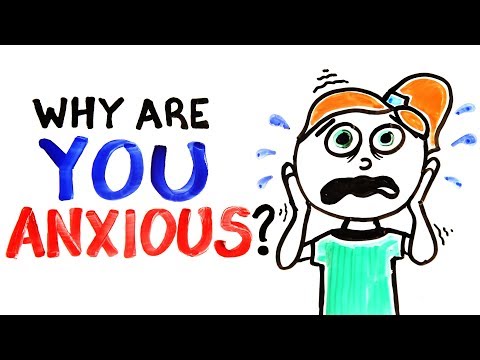
Stephy Huang posted on 2017/10/20Ever wondered what's really going on in your brain when you feel anxious? This video dives deep into the science behind anxiety, exploring neurochemistry and epigenetics, and you'll pick up tons of advanced vocabulary along the way! It's a fantastic chance to boost your knowledge and language skills by understanding panic attacks and treatments like CBT and SSRIs.
Learn this video on the APP!
The VoiceTube App has more in-depth practice for videos!