
absorb
US /əbˈsɔrb, -ˈzɔrb/
UK /əb'sɔ:b/
- Transitive Verb
- To take up all attention / energy of something
- To take in a liquid; soak up
B1TOEICMorealcohol
US /ˈælkəˌhɔl,-ˌhɑl/
UK /'ælkəhɒl/
- Uncountable Noun
- A colorless liquid that can catch fire (C2H5OH)
- Drinks such as wine, whiskey, beer
B1Morebacteria
US /bækˈtɪriə/
UK /bæk'tɪərɪə/
- Noun (plural)
- The very small creatures that can cause disease
B2Morebreak down
US /brek daʊn/
UK /breik daun/
- Phrasal Verb
- To forcibly break, destroy or make collapse
- (Machine) to stop working or become weaker
A1Morebreak it down
US
UK
- Phrasal Verb
- To simplify something complex into smaller, more manageable parts.
- To explain something in a detailed and understandable way.
A2Morebustle
US /ˈbʌsəl/
UK /ˈbʌsl/
- Intransitive Verb
- To move energetically or busily
B2Morecapable
US /ˈkepəbəl/
UK /'keɪpəbl/
- Adjective
- Being able to do something very well; proficient
- Having the ability, fitness, or quality necessary to do or achieve a specified thing.
A2Morechronic
US /ˈkrɑnɪk/
UK /'krɒnɪk/
- Adjective
- Always or often doing something, e.g. lying
- (Of disease) over a long time; serious
B1Morecommunity
US /kəˈmjunɪti/
UK /kə'mju:nətɪ/
- Noun (Countable/Uncountable)
- Group of people who share a common idea or area
- A feeling of fellowship with others, as a result of sharing common attitudes, interests, and goals.
- Adjective
- Relating to or shared by the people in a particular area.
- Shared or participated in by all members of a group
A2Morecomplex
US /kəmˈplɛks, ˈkɑmˌplɛks/
UK /'kɒmpleks/
- Countable Noun
- Group of buildings all used for the same purpose
- Adjective
- Not being simple; having many parts or aspects
A2Morecompound
US /kɑmˈpaUnd/
UK /'kɒmpaʊnd/
- Noun (Countable/Uncountable)
- Series of buildings that are walled or fenced off
- Chemical made up of several others
- Transitive Verb
- To pay interest on a loan including the interest
- To make something from various parts or components
B1Moreconstant
US /ˈkɑnstənt/
UK /'kɒnstənt/
- Adjective
- Happening frequently or without pause
- Remaining the same over time or not changing.
- Noun
- Thing that happens always or at a regular rate
- A physical quantity that is believed to have a fixed value and is used in calculations.
A2TOEICMorecontribute
US /kənˈtrɪbjut/
UK /kən'trɪbju:t/
- Verb (Transitive/Intransitive)
- To be a factor in causing something to happen
- To donate, give (money) or help to something
A2Moredetermine
US /dɪˈtɚmɪn/
UK /dɪ'tɜ:mɪn/
- Transitive Verb
- To control exactly how something will be or act
- To establish the facts about; discover
A2TOEICMorediabetes
US /ˌdaɪəˈbitɪs, -tiz/
UK /ˌdaɪəˈbi:ti:z/
- Noun (Countable/Uncountable)
- Illness where there is too much sugar in the blood
- A form of diabetes, usually diagnosed in children and young adults, in which the body does not produce insulin.
B2Moredigestive
US /daɪˈdʒɛstɪv, dɪ-/
UK /daɪˈdʒestɪv/
- Adjective
- Concerning processes of converting food to energy
B2Morediverse
US /dɪˈvɚs, daɪ-, ˈdaɪˌvɚs/
UK /daɪˈvɜ:s/
- Adjective
- Being varied or different from each other
- Very different from each other
B1TOEICMoreeke out
US /ik aʊt/
UK /i:k aut/
- Phrasal Verb
- To manage to live with very little money or food.
- To make something such as a supply of food or money last longer by using it carefully.
encounter
US /ɛnˈkaʊntɚ/
UK /ɪn'kaʊntə(r)/
- Verb (Transitive/Intransitive)
- To come up against a problem or trouble; meet
- To meet someone or something unexpectedly
- Noun
- A chance meeting; unexpected or unplanned meeting
B1TOEICMoreentire
US /ɛnˈtaɪr/
UK /ɪn'taɪə(r)/
- Adjective
- Complete or full; with no part left out; whole
- Undivided; not shared or distributed.
A2TOEICMoreextract
US /ɪkˈstrækt/
UK /'ekstrækt/
- Noun (Countable/Uncountable)
- Essential ingredient of a natural thing
- Part taken from a longer written work
- Transitive Verb
- To get a substance out of a plant, etc.
- To get a person to share secret information
B1TOEICMorefor example
US
UK
- Phrase
- As an illustration or instance.
fraction
US /ˈfrækʃən/
UK /ˈfrækʃn/
- Noun (Countable/Uncountable)
- Small part of something
- A numerical quantity that is not a whole number (e.g., 1/2, 0.5).
B1TOEICMorefuel
US /ˈfjuəl/
UK /'fju:əl/
- Transitive Verb
- To give power to (a mob, anger, etc.); incite
- To provide gas or petrol for something
- Uncountable Noun
- Material used to produce heat or power when burned
A2TOEICMorefunction
US /ˈfʌŋkʃən/
UK /'fʌŋkʃn/
- Noun
- Social event, or party such as a wedding
- Mathematical operation used in calculations
- Intransitive Verb
- To serve a certain purpose or role
- To be operating, working or achieving its purpose
A2TOEICMoregenetic
US /dʒəˈnɛtɪk/
UK /dʒəˈnetɪk/
- Adjective
- Of, relating to, or controlled by genes
- Relating to genes or heredity.
B1Moregut
US /ɡʌt/
UK /ɡʌt/
- Transitive Verb
- To destroy the inside of a building , e.g. by fire
- To remove the internal parts of an animal or fish
- Noun (Countable/Uncountable)
- Stomach and internal organs of digestion
B1Morehabitat
US /ˈhæbɪˌtæt/
UK /'hæbɪtæt/
- Noun (Countable/Uncountable)
- Natural place where a plant or animal lives
B1Moreidentity
US /aɪˈdɛntɪti/
UK /aɪ'dentətɪ/
- Noun (Countable/Uncountable)
- Collection of qualities that makes a person
- Who someone is; the name of a person
B1Morein different ways
US
UK
- Phrase
- Using various methods or approaches; with variety.
- In varying manners or styles; not uniformly.
A1Moreindividual
US /ˌɪndəˈvɪdʒuəl/
UK /ˌɪndɪˈvɪdʒuəl/
- Countable Noun
- Single person, looked at separately from others
- A single thing or item, especially when part of a set or group.
- Adjective
- Made for use by one single person
- Having a distinct manner different from others
A2Moreinflux
US /ˈɪnˌflʌks/
UK /ˈɪnflʌks/
- Noun (Countable/Uncountable)
- Sudden arrival of many people or things
- The flowing in of a river or stream.
B2TOEICMoreinteract
US /ˌɪntɚˈækt/
UK /ˌɪntər'ækt/
- Intransitive Verb
- To talk or do things with each other
A2Moreinteract with
US /ˌɪntɚˈækt wɪð/
UK /ˌɪntərˈækt wið/
- Phrase
- Verb (Transitive/Intransitive)
- To engage in communication or action involving mutual or reciprocal influence.
- To use a computer interface to achieve a specific goal.
A2Moreinvisible
US /ɪnˈvɪzəbəl/
UK /ɪnˈvɪzəbl/
- Adjective
- Being unable to be seen
- Of money earned from services, instead of products
B1TOEICMorelandscape
US /ˈlændˌskep/
UK /'lændskeɪp/
- Noun
- Area or scene of activity, especially in politics
- Picture of natural scenery in a place
- Transitive Verb
- To make gardens that improve an area of land
B1TOEICMorelollipop
US /ˈlɑliˌpɑp/
UK /ˈlɔli:ˌpɔp/
- Countable Noun
- Candy on a stick
- A sign on a pole used by school crossing guards to stop traffic.
B2Moremakeup
US /ˈmekˌʌp/
UK /'meɪkʌp/
- Uncountable Noun
- Substance put on the face to make you look pretty
- The way in which something is formed or composed.
- Transitive Verb
- To invent or fabricate something.
- To compensate for something.
B2Moremicrobe
US /ˈmaɪkroʊb/
UK /ˈmaɪkrəʊb/
- Noun (Countable/Uncountable)
- Very small, microscopic, living thing
C1Moremicrobial
US /maɪ'kroʊbɪrl/
UK /maɪ'krəʊbɪəl/
- Adjective
- Concerning, involving or caused by being microbes
C1Moremove along
US /muv əˈlɔŋ/
UK /mu:v əˈlɔŋ/
- Phrasal Verb
- To make progress; advance.
- To tell someone to leave or keep moving.
B1Moreout of a job
US /aʊt əv ə dʒɑb/
UK /aʊt əv ə dʒɒb/
- other
- Without employment; having lost one's job.
A2Morepersonal identity
US
UK
- Noun
- The unique characteristics and beliefs that define an individual.
- The legal and official documentation that verifies who someone is.
B1Moreprocess
US /ˈprɑsˌɛs, ˈproˌsɛs/
UK /prə'ses/
- Transitive Verb
- To organize and use data in a computer
- To deal with official forms in the way required
- Noun (Countable/Uncountable)
- Dealing with official forms in the way required
- Set of changes that occur slowly and naturally
A2TOEICMoreput out
US /pʊt aʊt/
UK /put aut/
- Phrasal Verb
- To publish, e.g. a book
- To cause someone to be troubled or inconvenienced
A1Morereveal
US /rɪˈvil/
UK /rɪ'vi:l/
- Transitive Verb
- To show something that was hidden before
A2TOEICMoresnatch
US /snætʃ/
UK /snætʃ/
- Transitive Verb
- To take something quickly or eagerly
B2Moresnatch up
US
UK
- Phrasal Verb
- To acquire something quickly and eagerly.
- To grab or seize someone or something suddenly and quickly.
A1Moresuch as
US /sʌtʃ æz/
UK /sʌtʃ æz/
- Preposition
- For example; like
A1Moresuffer from
US /ˈsʌfɚ frʌm/
UK /ˈsʌfə frɔm/
- Intransitive Verb
- To experience pain or distress; to be badly affected by.
A1Moretract
US /trækt/
UK /trækt/
- Noun (Countable/Uncountable)
- A system of body parts or organs that has a particular function (e.g., digestive tract).
- An area of land, typically a large one.
C1TOEICMoretrash
US /træʃ/
UK /træʃ/
- Uncountable Noun
- Garbage or anything that is worthless
- Transitive Verb
- To throw away in the garbage
- To criticize; claim person/thing is inferior
B2TOEICMoretypically
US /ˈtɪpɪklɪ/
UK /ˈtɪpɪkli/
- Adverb
- In a normal or usual way
B1Moreunique
US /juˈnik/
UK /jʊ'ni:k/
- Adjective
- Unlike other things; being the only one like it
- Remarkably special or unusual.
A2TOEICMorevariety
US /vəˈraɪɪti/
UK /və'raɪətɪ/
- Noun
- Particular type of thing or person
- The quality or state of being different or diverse; the absence of uniformity, sameness, or monotony.
A2TOEICMore
Vocabulary
- for example: As an illustration or instance.
- break down: To forcibly break, destroy or make collapse
- move along: To make progress; advance.
- snatch up: To acquire something quickly and eagerly.
- eke out: To manage to live with very little money or food.
- in different ways: Using various methods or approaches; with variety.
- break it down: To simplify something complex into smaller, more manageable parts.
- out of a job: Without employment; having lost one's job.
- put out: To publish, e.g. a book
- suffer from: To experience pain or distress; to be badly affected by.
- such as: For example; like
- interact with
- personal identity: The unique characteristics and beliefs that define an individual.
- chronic: Always or often doing something, e.g. lying
- individual: Single person, looked at separately from others
- entire: Complete or full; with no part left out; whole
- process: To organize and use data in a computer
- reveal: To show something that was hidden before
- diabetes: Illness where there is too much sugar in the blood
- constant: Happening frequently or without pause
- determine: To control exactly how something will be or act
- encounter: To come up against a problem or trouble; meet
- typically: In a normal or usual way
- common: Area in a city or town that is open to everyone
- community: Group of people who share a common idea or area
- unique: Unlike other things; being the only one like it
- variety: Particular type of thing or person
- interact: To talk or do things with each other
- bacteria: The very small creatures that can cause disease
- compound: Series of buildings that are walled or fenced off
- contribute: To be a factor in causing something to happen
- diverse: Being varied or different from each other
- gut: To destroy the inside of a building , e.g. by fire
- complex: Group of buildings all used for the same purpose
- capable: Being able to do something very well; proficient
- fuel: To give power to (a mob, anger, etc.); incite
- function: Social event, or party such as a wedding
- absorb: To take up all attention / energy of something
- genetic: Of, relating to, or controlled by genes
- extract: Essential ingredient of a natural thing
- fraction: Small part of something
- digestive: Concerning processes of converting food to energy
- identity: Collection of qualities that makes a person
- landscape: Area or scene of activity, especially in politics
- alcohol: A colorless liquid that can catch fire (C2H5OH)
- invisible: Being unable to be seen
- break: To create a new record e.g. running the 100m dash
- influx: Sudden arrival of many people or things
- habitat: Natural place where a plant or animal lives
- leave: To go away from; depart
- manage: To survive hardships and difficulties; to cope
- fully: Completely or entirely
- tract: A system of body parts or organs that has a particular function (e.g., digestive tract).
- snatch: To take something quickly or eagerly
- learn: To get knowledge or skills by study or experience
- simple: Not hard to understand or do; not complex
- microbe: Very small, microscopic, living thing
- person: Man, woman or child
- step: Movement done as part of a particular dance
- deep: Complex and important
- set: Prepared for something; ready
- lot: What happens to a person in life from chance; fate
- trash: Garbage or anything that is worthless
- burn: To destroy with fire
- understand: To know the meaning of language, what someone says
- return: To hit something back to the other player or team
- makeup: Substance put on the face to make you look pretty
- bustle: To move energetically or busily
- microbial: Concerning, involving or caused by being microbes
- lollipop: Candy on a stick
Get the full experience in the app
Learn anywhere with detailed sentence and usage analysis
01:03
She took a brave step forward, leaving behind her comfort zone to chase her dreams.
Vocabulary
- brave
adj. Having courage
- comfort zone
phr. A familiar situation where one feels safe
Explanation
a brave step is a noun phrase, where brave is an adjective modifying the noun step, meaning "a courageous step".
forward is an adverb modifying step, meaning "ahead".
The whole phrase serves as the object, answering the "what" of took (verb) — she took a brave step forward.
Get the full experience in the app
Look up words anytime with pronunciation, part of speech, and usage
brave
US/brev/
UK/breɪv/
adj.Brave
v.t.To bravely face
A2 Elementary
Get the full experience in the app
Practice speaking anytime and get instant pronunciation feedback
Try this speaking exercise.
Try practicing with this sentence.
80
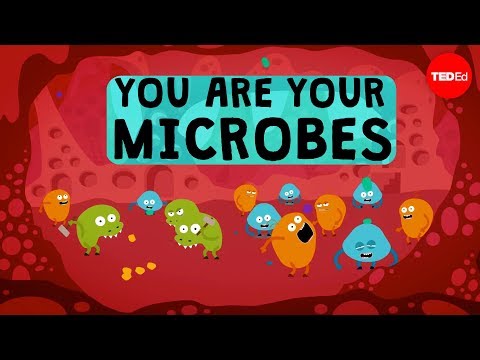
【TED-Ed】You are your microbes - Jessica Green and Karen Guillemin
0
drsueec posted on 2013/08/01Ever wonder how much of 'you' is actually you? This fascinating TED-Ed video dives into the incredible world of your body's microbes, explaining how they influence everything from your digestion to your health! You'll pick up some amazing new vocabulary related to the gut microbiome and learn how these tiny organisms play a huge role in your daily life.
Learn this video on the APP!
The VoiceTube App has more in-depth practice for videos!