
ape
US /ep/
UK /eɪp/
- Countable Noun
- Animal related to monkeys and humans
- Transitive Verb
- To copy someone's actions
B1Morearound the world
US /əˈraʊnd ði wɜrld/
UK /əˈraund ðə wɜː(r)ld/
- Phrase
- In or to many countries.
- In various places throughout the world.
A2Moreas anything
US /əz ˈɛnɪθɪŋ/
UK /əz ˈeniθɪŋ/
- other
- Used to emphasize intensity or degree of a quality or action.
B2Moreas we know it
US /əz wi no ɪt/
UK /əz wi nəu ɪt/
- other
- In the form or way commonly understood or accepted.
B2Moreasteroid
US /ˈæstəˌrɔɪd/
UK /ˈæstərɔɪd/
- Noun
- Very small planets that move around the sun
B2Morebottom
US /ˈbɑtəm/
UK /'bɒtəm/
- Noun
- The part of your body you sit on
- Lowest position, often in a company or contest
- Verb (Transitive/Intransitive)
- To hit the lowest part of something
- To provide with a bottom.
A2TOEICMorebreak down
US /brek daʊn/
UK /breik daun/
- Phrasal Verb
- To forcibly break, destroy or make collapse
- (Machine) to stop working or become weaker
A1Morebreeding
US /ˈbridɪŋ/
UK /ˈbri:dɪŋ/
- Transitive Verb
- To create situations for a (bad) thing to happen
- To bring up or raise children (derogatory use)
- Intransitive Verb
- To produce baby animals of specific kinds
A2Morebury
US /ˈbɛri/
UK /'berɪ/
- Transitive Verb
- To put something into the ground and cover it
B1Moreclear out
US /klɪr aʊt/
UK /kliə aut/
- Phrasal Verb
- To empty things out of a place
A1Moredate back
US /det bæk/
UK /deit bæk/
- Intransitive Verb
- To have existed since a particular time in the past.
- Phrasal Verb
- To have originated at a certain time in the past.
A1Moredepending on
US
UK
- Phrasal Verb
- To rely on for support (financial or emotional)
- Influenced or determined by.
- Preposition
- Subject to; contingent on
- Relying on someone or something for support or assistance.
A2Moredesert
US /ˈdɛzət/
UK /'dezət/
- Transitive Verb
- To leave a place for ever; abandon
- To leave when one is needed or expected to stay
- Noun (Countable/Uncountable)
- Bare area of land, often with few plants and water
- A punishment or reward that is deserved.
A2Moredinosaur
US /ˈdaɪnəˌsɔr/
UK /'daɪnəsɔ:(r)/
- Noun
- Reptile that lived millions of years ago
- A person who is outdated or resistant to change.
B2Moredread
US /drɛd/
UK /dred/
- Verb (Transitive/Intransitive)
- To await with great fear
B2Moredug
US /dʌɡ/
UK /dʌg/
- Verb (Transitive/Intransitive)
- To move material to create a hole
- To search or investigate thoroughly.
A2Moreepoch
US /ˈɛpək, ˈiˌpɑk/
UK /'i:pɒk/
- Noun
- Specific period of history, e.g. a remarkable one
C1Moreerosion
US /ɪˈrəʊʒ(ə)n/
UK /ɪ'rəʊʒn/
- Uncountable Noun
- Process of wearing away by water, wind, or ice
- The gradual destruction or diminution of something.
B1Moreeven once
US
UK
- Phrase
- At least one time; even a single time.
- Used to emphasize the infrequency or absence of something.
A2Moreeventually
US /ɪˈvɛntʃuəli/
UK /ɪˈventʃuəli/
- Adverb
- After a long time; after many attempts; in the end
- At some later time; in the future
A2Moreevolve
US /ɪˈvɑlv/
UK /ɪ'vɒlv/
- Verb (Transitive/Intransitive)
- To develop certain features
- To develop or change slowly over time
B1Moreexpose
US /ɪkˈspoʊz/
UK /ɪk'spəʊz/
- Transitive Verb
- To make visible, without covering or protection
- To allow light through a cameras lens onto film
A2TOEICMoreextinction
US /ɪkˈstɪŋkʃən/
UK /ɪkˈstɪŋkʃn/
- Noun (Countable/Uncountable)
- When every example of animal, plant is dead
- The process of something ceasing to exist or be active.
B1Morefalls over
US
UK
- Phrasal Verb
- To fall on the ground from a standing position
A1Morefemur
US /ˈfimɚ/
UK /ˈfi:mə(r)/
- Noun
- Bone that extends from the pelvis to the knee
C1Moreformula
US /ˈfɔrmjələ/
UK /'fɔ:mjələ/
- Noun (Countable/Uncountable)
- A mathematical or scientific rule
- Plan, rule or method for doing or making something
A2TOEICMorefossil
US /ˈfɑsəl/
UK /'fɒsl/
- Noun (Countable/Uncountable)
- Plant or animal that became rock after many years
- A person or thing that is outdated or no longer useful.
- Adjective
- Relating to or resembling a fossil.
- Relating to or denoting energy generated from fossil fuels.
B1Moregeological
US /dʒɪəˈlɑdʒɪkl:/
UK /ˌdʒi:ə'lɒdʒɪkl/
- Adjective
- Concerning studies of the Earth's rocks and soil
B1Moregiant
US /ˈdʒaɪənt/
UK /'dʒaɪənt/
- Countable Noun
- Tall, large, and powerful human-like creatures
- Very successful, powerful person or organization
- Adjective
- Very large, or much bigger than other things
A2Morego back to
US /ɡo bæk tu/
UK /ɡəu bæk tu:/
- Phrasal Verb
- To return to a starting point
A1Morego over there
US
UK
- Intransitive Verb
- To move or travel to a specific location.
A1Moregrave
US /ɡrev/
UK /ɡreɪv/
- Countable Noun
- Hole in the ground in which you place a dead body
- Uncountable Noun
- Poetic death; being dead
A2TOEICMorehave to
US /hæv tu/
UK /ˈhæv tə/
- Auxiliary Verb
- Must do
A1Morehippo
US /ˈhɪpo/
UK /'hɪpəʊ/
- Countable Noun
- Short for 'hippopotamus'
B2Morehistory
US /ˈhɪstəri/
UK /'hɪstrɪ/
- Noun (Countable/Uncountable)
- Established pattern or record
- Study of past events as an academic subject
A2Moreigneous
US /ˈɪɡniəs/
UK /ˈɪgniəs/
- Adjective
- Produced by the action of fire or intense heat
C2Moreilliterate
US /ɪˈlɪtərɪt/
UK /ɪˈlɪtərət/
- Adjective
- Having no knowledge of a particular subject
- Not able to read or write
- Noun
- (Rude) person who cannot read
B1Moreimaginable
US /ɪˈmædʒənəbəl/
UK /ɪˈmædʒɪnəbl/
- Adjective
- Able to be imagined; possible
A2Moreimmense
US /ɪˈmɛns/
UK /ɪˈmens/
- Adjective
- Very great in size or amount
- Extremely great in degree; vast.
B1Moreimpossible
US /ɪmˈpɑsəbəl/
UK /ɪmˈpɒsəbl/
- Adjective
- (Child, etc.) very annoying
- Not possible or very unlikely to happen or exist
A2TOEICMorein tens
US
UK
- Phrase
- In groups or sets of ten.
- Being aged between 10 and 19.
A1Morein the world
US /ɪn ði wɜrld/
UK /in ðə wɜː(r)ld/
- Phrase
- Used to emphasize a question expressing surprise, confusion, disbelief
- Used to indicate the extent or degree of something, often in a superlative sense
A1Moreinevitable
US /ɪnˈɛvɪtəbəl/
UK /ɪnˈevɪtəbl/
- Adjective
- That must happen; certain to happen
- Sure to occur or happen
- Noun (Countable/Uncountable)
- A situation that is unavoidable
- Things that cannot be avoided
A2Moreisolate
US /ˈaɪsəˌlet/
UK /ˈaɪsəleɪt/
- Transitive Verb
- To identify, consider, or deal with separately
- To keep in a place or situation apart from others
B1Morelay in
US /le ɪn/
UK /lei in/
- Phrasal Verb
- To provide stocks (e.g. for the winter)
- Stayed in bed later than usual in the morning.
A2Morelayer
US /ˈleɚ/
UK /ˈleiə/
- Noun (Countable/Uncountable)
- One of several sheets of a material or object
- A covering of something spread over a surface.
- Transitive Verb
- To put things one on top of another
B1TOEICMorelie
US /lai/
UK /laɪ/
- Intransitive Verb
- To be in a horizontal or flat position
- To say something that you know is not true
- Countable Noun
- An untrue statement, when you know it is not true
A2Morelook at
US /lʊk æt/
UK /luk æt/
- Phrasal Verb
- To use your eyes to focus on something
- To focus your eyes on something carefully
A1Moremagnificent
US /mæɡˈnɪfɪsənt/
UK /mæɡ'nɪfɪsnt/
- Adjective
- Splendid; brilliant; extremely good
- Extremely impressive or beautiful; characterized by grandeur.
B1TOEICMoremammal
US /ˈmæməl/
UK /'mæml/
- Noun
- Animal which drinks milk from its mother
B1Moremass
US /mæs/
UK /mæs/
- Noun (Countable/Uncountable)
- Religious ceremony in some Christian churches
- Large amount or number of something
- Transitive Verb
- To gather people or things into a large group
B1Moremess with
US
UK
- Verb (Transitive/Intransitive)
- To interfere with or tamper with something.
- To provoke or annoy someone.
- Phrasal Verb
- To interfere with or tamper with something.
- To tease, provoke, or annoy someone.
B1Moreneck
US /nɛk/
UK /nek/
- Noun (Countable/Uncountable)
- Part of the body joining the head and the body
- Opening of a piece of clothing for your head
- Intransitive Verb
- (Lovers) to play affectionately; kissing
A2Morenext to
US /nɛkst tu/
UK /nekst tu:/
- Preposition
- Being located along side another
- In comparison with
- Adverb
- Almost; nearly
A1Moreoccur
US /əˈkɚ/
UK /əˈkɜ:(r)/
- Intransitive Verb
- To come to pass or to happen
- To be found to exist; to be present.
A2TOEICMoreof course
US /ʌv kɔː(r)s/
UK /ɔv kɔː(r)s/
- Adverb
- Sure ; Certainly
- Phrase
- For sure; certainly
A2Moreon the ground
US
UK
- Phrase
- Located on the surface of the earth.
- Present and available in a particular place, especially to deal with a situation.
on the other hand
US
UK
- Phrase
- Considering a different aspect of the matter; alternatively.
A1Morepaleontologist
US /pælɪɒn'tɒlədʒɪst/
UK /pælɪɒn'tɒlədʒɪst/
- Countable Noun
- Person who studies and is an expert in fossils
B2Morepassively
US /'pæsɪvlɪ/
UK /'pæsɪvlɪ/
- Adverb
- So as to quietly accept what happens
B1Morepasture
US /ˈpæstʃɚ/
UK /'pɑ:stʃə(r)/
- Noun (Countable/Uncountable)
- Area with grass that cattle, etc. feed on
B2Moreplanet
US /ˈplænɪt/
UK /'plænɪt/
- Noun (Countable/Uncountable)
- One of the bodies that orbit the sun
- A different world or sphere of existence.
- Proper Noun
- The earth.
A2Moreplant
US /plænt/
UK /plɑ:nt/
- Noun (Countable/Uncountable)
- Factory or a place where things are made
- Living thing with leaves and roots growing in soil
- Transitive Verb
- To firmly position something (in the ground)
- To put seeds, flowers, trees in the ground
A2TOEICMoreprospect
US /ˈprɑsˌpɛkt/
UK /'prɒspekt/
- Noun
- Opportunity or chance for success
- Person who is considered for a particular position
- Transitive Verb
- To search for minerals such as gold or diamonds
- To consider or explore something; examine.
A2TOEICMorequarry
US /ˈkwɔ:ri/
UK /ˈkwɒri/
- Noun
- Large pit in the earth where stone is mined
- Animal that is hunted
- Transitive Verb
- To dig for minerals in an open mine
B2Morereality
US /riˈælɪti/
UK /rɪ'ælətɪ/
- Noun (Countable/Uncountable)
- What is true, as opposed to what is imagined
- The state of things as they actually exist, rather than as they may appear or might be imagined.
A2Morerhino
US /ˈraɪno/
UK /'raɪnəʊ/
- Noun
- Large mammal with one or two horns on its nose
B2Morescience
US /ˈsaɪəns/
UK /'saɪəns/
- Uncountable Noun
- Study of the physical world, based on facts
A2TOEICMoresentient
US /ˈsenʃnt/
UK /ˈsentiənt/
- Adjective
- Having feelings and consciousness
C2TOEICMoresolar
US /ˈsolɚ/
UK /'səʊlə(r)/
- Adjective
- Concerning the sun, or its heat
B1Moresurface
US /ˈsɚfəs/
UK /'sɜ:fɪs/
- Transitive Verb
- To give (road) a top layer
- Intransitive Verb
- To appear after being hidden, unseen, or unknown
- To come to the top of something; emerge
A2TOEICMoretail
US /tel/
UK /teɪl/
- Countable Noun
- Extended part at the back of an animal's body
- Noun
- Back or last part of something e.g. shirt
A2Moreterritorial
US /ˌtɛrɪˈtɔriəl, -ˈtor-/
UK /ˌterəˈtɔ:riəl/
- Adjective
- Associated with the ownership of an area
- Defensive of a space or area.
B1Moreunexplored
US /ˌʌnɪkˈsplɔːrd/
UK /ˌʌnɪkˈsplɔ:d/
- Adjective
- (Of a place) not yet discovered or investigated
B1Moreunfolded
US /ʌn'foʊldɪd/
UK /ʌn'fəʊldɪd/
- Verb (Transitive/Intransitive)
- (Of a situation) to be told or revealed
- To open something that was folded
- Intransitive Verb
- To happen, be told or be revealed
B1Morevast
US /væst/
UK /vɑ:st/
- Adjective
- Being very large in size or amount
A2TOEICMoreweigh
US /weɪ/
UK /weɪ/
- Verb (Transitive/Intransitive)
- To balance things against each other
- To consider something carefully to form an opinion
A2TOEICMorewere it not for
US /wɚ ɪt nɑt fɚ/
UK /wə ɪt nɒt fɔ:/
- other
- Used to say something would not happen without a particular condition.
B2Morewithout number
US /wɪˈðaʊt ˈnʌmbɚ/
UK /wɪˈðaʊt ˈnʌmbə/
- other
- In very large or unlimited quantity; countless.
C2More
Vocabulary
- have to: Must do
- on the ground: Located on the surface of the earth.
- on the other hand : Considering a different aspect of the matter; alternatively.
- look at: To use your eyes to focus on something
- break down: To forcibly break, destroy or make collapse
- depending on: To rely on for support (financial or emotional)
- date back: To have existed since a particular time in the past.
- go over there: To move or travel to a specific location.
- of course: Sure ; Certainly
- around the world: In or to many countries.
- lay in: To provide stocks (e.g. for the winter)
- mess with: To interfere with or tamper with something.
- in tens: In groups or sets of ten.
- clear out: To empty things out of a place
- falls over: To fall on the ground from a standing position
- even once: At least one time; even a single time.
- without number: In very large or unlimited quantity; countless.
- as we know it: In the form or way commonly understood or accepted.
- next to: Being located along side another
- as anything: Used to emphasize intensity or degree of a quality or action.
- go back to: To return to a starting point
- were it not for: Used to say something would not happen without a particular condition.
- in the world: Used to emphasize a question expressing surprise, confusion, disbelief
- find: To become aware of something that is happening
- age: To keep food, wine for a long time to improve it
- place: To put someone in a particular type of situation
- big: Popular
- plant: Factory or a place where things are made
- river: Flowing water that runs from mountains to the sea
- long: Person's name
- finding: To become aware of something that is happening
- time: Speed at which music is played; tempo
- bottom: The part of your body you sit on
- world: All the humans, events, activities on the earth
- living: To be alive
- water: Clear liquid that forms the seas, rivers and rain
- animal: A living creature that is not a plant or person
- live: To be alive
- rock: To be greatly upset by something, e.g. a death
- dinosaur: Reptile that lived millions of years ago
- desert: To leave a place for ever; abandon
- record: Highest or most extreme level achieved
- history: Established pattern or record
- neck: Part of the body joining the head and the body
- lie: To be in a horizontal or flat position
- map: Diagram showing the geography of an area
- library: Place where books and other media are kept
- stand: To be a candidate in an election
- cover: To record a different version of another song
- wide: Having a great distance from one side to the other
- nature: Person's character or particular way of behaving
- field: Area of study, such as physics or biology
- science: Study of the physical world, based on facts
- bone: Hard piece of your body that holds your muscles
- planet: One of the bodies that orbit the sun
- giant: Tall, large, and powerful human-like creatures
- dug: To move material to create a hole
- ground: To break (coffee, etc.) into tiny bits with machine
- weigh: To balance things against each other
- magnificent: Splendid; brilliant; extremely good
- choice: Decision between two or more possibilities
- bury: To put something into the ground and cover it
- season: One of Spring, Summer, Autumn (Fall) and Winter
- impossible: (Child, etc.) very annoying
- environment: Natural world in which plants and animals live
- imaginable: Able to be imagined; possible
- unfolded: (Of a situation) to be told or revealed
- chance: The way something happens without planning
- fossil: Plant or animal that became rock after many years
- grave: Hole in the ground in which you place a dead body
- tail: Extended part at the back of an animal's body
- mass: Religious ceremony in some Christian churches
- vast: Being very large in size or amount
- territorial: Associated with the ownership of an area
- prospect: Opportunity or chance for success
- eventually: After a long time; after many attempts; in the end
- solar: Concerning the sun, or its heat
- occur: To come to pass or to happen
- layer: One of several sheets of a material or object
- surface: To give (road) a top layer
- reality: What is true, as opposed to what is imagined
- breeding: To create situations for a (bad) thing to happen
- expose: To make visible, without covering or protection
- formula: A mathematical or scientific rule
- inevitable: That must happen; certain to happen
- evolve: To develop certain features
- extinction: When every example of animal, plant is dead
- immense: Very great in size or amount
- rocky: (Of a marriage, etc.) involving many difficulties
- isolate: To identify, consider, or deal with separately
- illiterate: Having no knowledge of a particular subject
- erosion: Process of wearing away by water, wind, or ice
- mammal: Animal which drinks milk from its mother
- dread: To await with great fear
- geological: Concerning studies of the Earth's rocks and soil
- asteroid: Very small planets that move around the sun
- epoch: Specific period of history, e.g. a remarkable one
- femur: Bone that extends from the pelvis to the knee
- rex
- ape: Animal related to monkeys and humans
- sentient: Having feelings and consciousness
- passively: So as to quietly accept what happens
- quarry: Large pit in the earth where stone is mined
- rhino: Large mammal with one or two horns on its nose
- igneous: Produced by the action of fire or intense heat
- unexplored: (Of a place) not yet discovered or investigated
- hippo: Short for 'hippopotamus'
- pasture: Area with grass that cattle, etc. feed on
- paleontologist: Person who studies and is an expert in fossils
Get the full experience in the app
Learn anywhere with detailed sentence and usage analysis
01:03
She took a brave step forward, leaving behind her comfort zone to chase her dreams.
Vocabulary
- brave
adj. Having courage
- comfort zone
phr. A familiar situation where one feels safe
Explanation
a brave step is a noun phrase, where brave is an adjective modifying the noun step, meaning "a courageous step".
forward is an adverb modifying step, meaning "ahead".
The whole phrase serves as the object, answering the "what" of took (verb) — she took a brave step forward.
Get the full experience in the app
Look up words anytime with pronunciation, part of speech, and usage
brave
US/brev/
UK/breɪv/
adj.Brave
v.t.To bravely face
A2 Elementary
Get the full experience in the app
Practice speaking anytime and get instant pronunciation feedback
Try this speaking exercise.
Try practicing with this sentence.
80
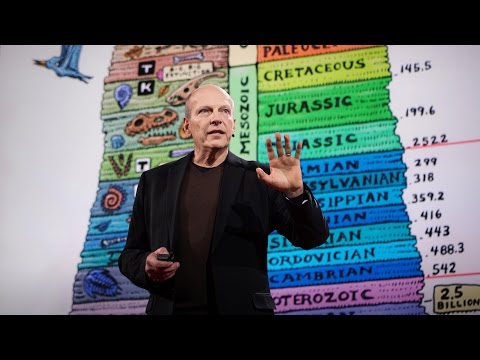
【TED】Kenneth Lacovara: Hunting for dinosaurs showed me our place in the universe (Hunting for dinosaurs showed me our place in the universe | Kenneth Lacovara)
0
g2 posted on 2016/11/03Ever wondered how scientists find dinosaur fossils? This fascinating TED talk by Kenneth Lacovara dives into the thrilling world of paleontology and fossil hunting, revealing the incredible story behind the Dreadnoughtus discovery. You'll pick up some awesome advanced vocabulary while learning about our place in the universe through the lens of deep time!
Learn this video on the APP!
The VoiceTube App has more in-depth practice for videos!