femur
US /ˈfimɚ/
・UK /ˈfi:mə(r)/
C1
n.NounBone that extends from the pelvis to the knee
Did you know that the femur is the longest bone in our body?
Video subtitles
実は”役立たず”な体の部位は?進化生物学者が解説 | WIRED Japan
- The plantaris comes from the area of the knee, comes from the femur,
The plantaris comes from the area of the knee, comes from the femur,
- The plantaris comes from the area of the knee, comes from the femur, and goes all the way down to have a separate tendon.
The plantaris comes from the area of the knee, comes from the femur, and goes all the way down to have a separate tendon.
The Official Squat Form Checklist [Are You Squatting Wrong?]
![The Official Squat Form Checklist [Are You Squatting Wrong?]](https://img.youtube.com/vi/Uv_DKDl7EjA/hqdefault.jpg)
- So the amount of hinge that you take at the start is going to depend on your anatomy, how long your femur is compared to your torso, and whether or not you're having a very good upright front squat or a more inclined chest with a low bar back squat.
So the amount of hinge that you take at the start is going to depend on your anatomy, how long your femur is compared to your torso, and whether or not you're having a very good upright front squat or a more inclined chest with a low bar back squat.
- So the amount of hinge that you take at the start is going to depend on your anatomy, how long your femur is compared to your torso,
So the amount of hinge that you take at the start is going to depend on your anatomy, how long your femur is compared to your torso,
How To Sit The Canter Using Your Seat
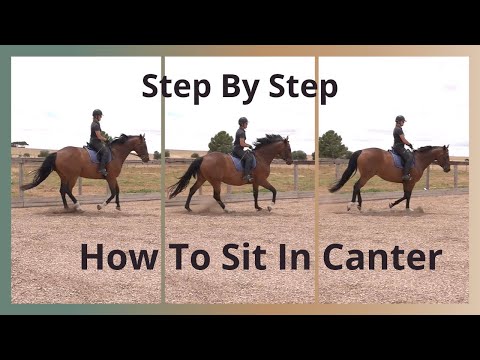
- If you're on the bit, your elbow and your upper arm have to make that same opening and closing of angles as your femur and your hip joint, your ball and socket joint in your arm do.
If you're on the bit, your elbow and your upper arm have to make that same opening and closing of angles as your femur and your hip joint, your ball and socket joint in your arm do.
- If you're on the bit, your elbow and your upper arm have to make that same opening and closing of angles as your femur and your hip joint, your ball and socket joint in your arm do.
If you're on the bit, your elbow and your upper arm have to make that same opening and closing of angles as your femur and your hip joint, your ball and socket joint in your arm do.
葬儀師だけど「葬儀について」質問ある? | Tech Support | WIRED Japan
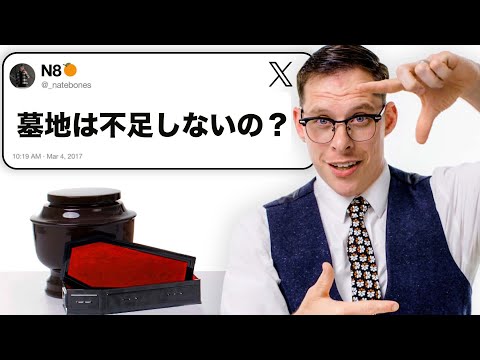
- They'll take the femur, they'll take some of the muscle, they might even skin the whole thing so it looks like one big nasty roast beef, but then they also will provide us with a large wooden dowel that's the exact shape of the femur.
They'll take the femur, they'll take some of the muscle, they might even skin the whole thing so it looks like one big nasty roast beef, but then they also will provide us with a large wooden dowel that's the exact shape of the femur.
- They'll take the femur.
They'll take the femur.
Gutting the Wolf
- This is all of the muscle that I have cut off of the, uh, the femur so far.
This is all of the muscle that I have cut off of the, uh, the femur so far.
- So the patella sits right in there, and this is the distal end of the, uh, femur.
So the patella sits right in there, and this is the distal end of the, uh, femur.
Joy (and Her Fish) Move In With Charles | Only Murders in the Building | Hulu
- Set medic said he never saw a femur snap in half like that.
Set medic said he never saw a femur snap in half like that.
- Set medic said he never saw a femur snap in half like that.
Set medic said he never saw a femur snap in half like that.
肋骨骨折會自己好嗎?急診醫生回答「創傷問題」:有些傷口縫線是動物腸子做的! ER Doctor Answers Injury Questions|名人專業問答|GQ Taiwan

- All right, this next question is from Justin Wolfson, I broke my femur in a car wreck and I have some cues, by the way, this is a terribly painful experience, so Justin Wolfson, my heart goes out to you, brother, how much force does it take to break a frigging femur?
All right, this next question is from Justin Wolfson, I broke my femur in a car wreck and I have some cues, by the way, this is a terribly painful experience, so Justin Wolfson, my heart goes out to you, brother, how much force does it take to break a frigging femur?
- It's a lot of force, the answer is about 4,000 newtons of force, 4,000 newtons is about equivalent to 900 pounds here on Earth's gravity, so you can think of like a sea lion or a really big moose, that is the amount of force that it takes, you think about surgeries in general is being very like gentle, precise operation, orthopedic surgeries are not gentle, they're putting force in there, they're using muscles because it genuinely requires a significant amount of force to get these surgeries done and to put bones back in place, to get that rod into your femur, they basically have to align it where the cavity is, where your bone marrow is, okay, and it's called an intramedullary rod, they align it and they take a big old hammer and they go, nunk, nunk, nunk, nunk, nunk, until it's all the way in there, so it is violent and it takes a lot of force and it's impressive to see.
It's a lot of force, the answer is about 4,000 newtons of force, 4,000 newtons is about equivalent to 900 pounds here on Earth's gravity, so you can think of like a sea lion or a really big moose, that is the amount of force that it takes, you think about surgeries in general is being very like gentle, precise operation, orthopedic surgeries are not gentle, they're putting force in there, they're using muscles because it genuinely requires a significant amount of force to get these surgeries done and to put bones back in place, to get that rod into your femur, they basically have to align it where the cavity is, where your bone marrow is, okay, and it's called an intramedullary rod, they align it and they take a big old hammer and they go, nunk, nunk, nunk, nunk, nunk, until it's all the way in there, so it is violent and it takes a lot of force and it's impressive to see.
Future by Design (2006) Official Full Movie

- It rotates the femur, the upper region of the femur.
It rotates the femur, the upper region of the femur.
- It rotates the femur, the upper region of the femur.
It rotates the femur, the upper region of the femur.
Understanding Tension vs. Compression in Flexibility Training | Anatomy Lab
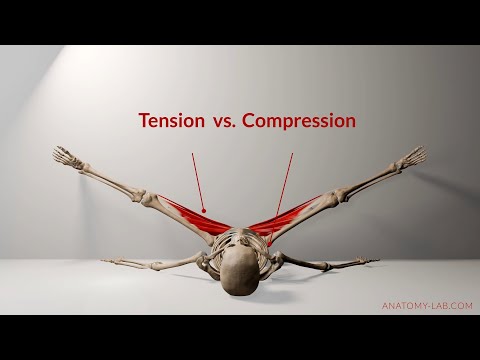
- This is your unique bone structure determining the limit of your backbend Now that we've seen how compression works in the spine, let's move on to a different kind of stretch For example, a wall stretch Lie on your back with your legs up against the wall as if you were making a split As you let your legs open out to the side, you'll feel tension in the muscles of the inside of your legs Particularly the adductors But if you feel a hard stop on the outside of your hips where the femur meets the pelvis, that's compression Also pay attention whether you feel any differences between the right and left side It's common for people to have subtle differences in muscle tension or bone shape If you only feel the stretch in your adductors and not compression, that's again perfectly fine It just means you haven't hit your bone limit yet and you have potential for stretching Try this exercise and notice what you feel, especially when comparing the left and right side Lastly, let's try hip flexion with a bent knee Try pulling your knee towards your chest with your leg bent In this position, you'll probably feel more tension in the back of your hip or glutes But as you keep pulling your knee closer, you will eventually reach a point where your movement stops due to compression This is where the head of the femur meets the pelvis Just like with the wall stretch, compare the right and left sides There may be differences in how each side feels One side might reach compression before the other Take some time to play around with the position of your femur and notice where the restriction is coming from If you don't encounter compression, that means you haven't reached your bone limit yet and you have more room to stretch If you do feel compression, don't be discouraged It's your body's way of showing you your limits and understanding this will help you to move more safely and effectively in your practice Remember, whether it's tension or compression, learning to feel the difference will help you to stop fighting against your body and start working with it Before we wrap up for today, I want to give credit where credit is due This knowledge about tension and compression wasn't discovered by me It was pioneered by Paul Grilly, who's a yin yoga teacher and a master of his art If you are interested in learning more, I highly recommend checking out his website He has a lot of images of human bones that will show you exactly what we are talking about today And it will give you an even clearer understanding of these concepts I want to thank you for your time today and I hope you enjoyed this video and you will benefit from it If you have any questions, feel free to leave them in the comments You can support the channel by subscribing or sharing or liking And of course, if you want to, follow me on Instagram or check out my store Until next time, here in the Anatomy Lab Anatomy of the Body
This is your unique bone structure determining the limit of your backbend Now that we've seen how compression works in the spine, let's move on to a different kind of stretch For example, a wall stretch Lie on your back with your legs up against the wall as if you were making a split As you let your legs open out to the side, you'll feel tension in the muscles of the inside of your legs Particularly the adductors But if you feel a hard stop on the outside of your hips where the femur meets the pelvis, that's compression Also pay attention whether you feel any differences between the right and left side It's common for people to have subtle differences in muscle tension or bone shape If you only feel the stretch in your adductors and not compression, that's again perfectly fine It just means you haven't hit your bone limit yet and you have potential for stretching Try this exercise and notice what you feel, especially when comparing the left and right side Lastly, let's try hip flexion with a bent knee Try pulling your knee towards your chest with your leg bent In this position, you'll probably feel more tension in the back of your hip or glutes But as you keep pulling your knee closer, you will eventually reach a point where your movement stops due to compression This is where the head of the femur meets the pelvis Just like with the wall stretch, compare the right and left sides There may be differences in how each side feels One side might reach compression before the other Take some time to play around with the position of your femur and notice where the restriction is coming from If you don't encounter compression, that means you haven't reached your bone limit yet and you have more room to stretch If you do feel compression, don't be discouraged It's your body's way of showing you your limits and understanding this will help you to move more safely and effectively in your practice Remember, whether it's tension or compression, learning to feel the difference will help you to stop fighting against your body and start working with it Before we wrap up for today, I want to give credit where credit is due This knowledge about tension and compression wasn't discovered by me It was pioneered by Paul Grilly, who's a yin yoga teacher and a master of his art If you are interested in learning more, I highly recommend checking out his website He has a lot of images of human bones that will show you exactly what we are talking about today And it will give you an even clearer understanding of these concepts I want to thank you for your time today and I hope you enjoyed this video and you will benefit from it If you have any questions, feel free to leave them in the comments You can support the channel by subscribing or sharing or liking And of course, if you want to, follow me on Instagram or check out my store Until next time, here in the Anatomy Lab Anatomy of the Body
- But if you feel a hard stop on the outside of your hips where the femur meets the pelvis, that's compression.
But if you feel a hard stop on the outside of your hips where the femur meets the pelvis, that's compression.
47 Unknown Facts That'll Make You Feel Proud of Your Body

- An adult skeleton is composed of 206 bones, the strongest of which is the femur.
An adult skeleton is composed of 206 bones, the strongest of which is the femur.
- An adult skeleton is composed of 206 bones, the strongest of which is the femur.
An adult skeleton is composed of 206 bones, the strongest of which is the femur.