
altar
US /ˈɔltɚ/
UK /ˈɔ:ltə(r)/
- Countable Noun
- Area in a church where the priests preaches from
B2Morealter
US /ˈɔltɚ/
UK /ˈɔ:ltə(r)/
- Transitive Verb
- To change so (clothing) fits better
- Verb (Transitive/Intransitive)
- To change or modify something.
- To become different; to change.
A2TOEICMoreancient
US /ˈenʃənt/
UK /'eɪnʃənt/
- Adjective
- Very old; having lived a very long time ago
- Relating to a period in history, especially in the distant past.
- Noun
- A person who lived in ancient times.
A2Moreas long as
US /æz lɔŋ æz/
UK /æz lɔŋ æz/
- Conjunction
- For the period that; provided that.
- For the length of time that
- Preposition
- On the condition that; providing that.
- Having the same length as.
A1Moreas opposed to
US
UK
- Preposition
- In contrast to; rather than.
- Instead of; in place of.
A1Moreat best
US /æt bɛst/
UK /æt best/
- Phrase
- Under the most optimistic or favorable circumstances; the most that can be hoped for.
A1Moreat night
US /æt naɪt/
UK /æt nait/
- Phrase
- During the night; in the nighttime.
A1Moreat times
US /æt taɪmz/
UK /æt taɪmz/
- Phrase
- Sometimes; occasionally.
A1Moreback at you
US /bæk æt ju/
UK /bæk æt ju/
- other
- An informal way to return a greeting or compliment.
B1Morebe with
US /bi wɪð/
UK /bi: wið/
- Phrasal Verb
- To accompany someone; to be in someone's presence.
- To support someone's opinion or cause.
A1Morebeing with
US
UK
- Phrasal Verb
- Accompanying someone; being in someone's presence.
- Supporting someone's opinion or cause.
- Verb (Transitive/Intransitive)
- Accompanying someone; spending time with someone.
- Supporting someone; agreeing with someone.
A1Morebroken leg
US /ˈbrokən lɛɡ/
UK /ˈbrəukən leɡ/
- Noun
- A fracture in one of the bones of the leg.
A2Morebruise
US /bruz/
UK /bru:z/
- Transitive Verb
- To cause a dark mark in the flesh through injury
- Countable Noun
- A dark mark on the skin caused by an accident
B1Morebuddha
US /ˈbudə, ˈbʊdə/
UK /ˈbʊdə/
- Proper Noun
- Someone achieving a state of perfect enlightenment
- Countable Noun
- A statue or image representing the Buddha.
C2Morecare for
US /kɛr fɔr/
UK /kɛə fɔ:/
- Phrasal Verb
- To want or desire a thing
- To look after someone who is ill, old, or very young.
A1Morecausal
US /ˈkɔzəl/
UK /ˈkɔ:zl/
- Adjective
- Showing the direct reason for something
B1Morechimp
US /tʃɪmp/
UK /tʃɪmp/
- Countable Noun
- Shortened form of 'chimpanzee'
B2Morechimpanzee
US /ˌtʃɪmpænˈzi,-pən-,tʃɪmˈpænzi/
UK /ˌtʃɪmpæn'zi:/
- Countable Noun
- Animal similar to a monkey but without a tail
B2Moreclinical
US /ˈklɪnɪkəl/
UK /ˈklɪnɪkl/
- Adjective
- Concerning the treatment or observing patients
- Using scientific techniques and precision
B1Morecome from
US /kʌm frʌm/
UK /kʌm frɔm/
- Phrasal Verb
- To have as your native country or city
A1Morecome up
US /kʌm ʌp/
UK /kʌm ʌp/
- Phrasal Verb
- To come closer to someone; approach
- (Of sun) to rise into the sky in the morning
A1Morecontrasted with
US
UK
- Phrasal Verb
- To be strikingly different from something else.
A1Morecore
US /kɔr, kor/
UK /kɔ:(r)/
- Transitive Verb
- To take out the central section of a fruit
- Noun (Countable/Uncountable)
- Important central part of something
- The hard central part of certain fruits, containing the seeds.
A2Moredepress
US /dɪˈprɛs/
UK /dɪ'pres/
- Transitive Verb
- To make someone feel sad or miserable
- To push something down
B2Moredepression
US /dɪˈprɛʃən/
UK /dɪ'preʃn/
- Noun (Countable/Uncountable)
- Medical condition of a lack of vitality
- Period of unemployment and low economic activity
B2Moredisease
US /dɪˈziz/
UK /dɪˈzi:z/
- Noun (Countable/Uncountable)
- Illness that affects a person, animal, or plant
- A disorder of structure or function in a plant, especially one caused by a pathogen.
- Transitive Verb
- To affect with disease; to corrupt or sicken.
A2TOEICMoredisorder
US /dɪsˈɔrdɚ/
UK /dɪs'ɔ:də(r)/
- Uncountable Noun
- State of confusion or a lack of organization
- Illness when the body is not functioning well
- Transitive Verb
- To disrupt the order or arrangement of something.
B2Moredivorce
US /dɪˈvɔrs, -ˈvors/
UK /dɪ'vɔ:s/
- Noun (Countable/Uncountable)
- Legal breakup of a marriage
- Transitive Verb
- To legally end a marriage to (someone)
A2Moredo in
US
UK
- Phrasal Verb
- To make completely tired out and exhausted
- To destroy or cause damage to someone
A1Moreexodus
US
UK
- Noun (plural)
- Going out or forth in a large group
B2Moreexpand
US /ɪkˈspænd/
UK /ɪk'spænd/
- Verb (Transitive/Intransitive)
- To make something larger in size, number, amount
A2TOEICMorefamily members
US
UK
- Noun (plural)
- People related by blood, marriage, or adoption.
A1Morefeel like
US
UK
- Intransitive Verb
- To have a desire or inclination for something.
- To have a particular quality or sensation; resemble.
A1Morefor instance
US /fɔr ˈɪnstəns/
UK /fɔ: ˈinstəns/
- Adverb
- As an example.
- Phrase
- As an example.
- As an illustration or case in point
B1Morefor someone
US /fɚ ˈsʌmwʌn/
UK /fə ˈsʌmwʌn/
- other
- On behalf of or intended for a particular person.
A1Moreget through
US /ɡɛt θru/
UK /ɡet θru:/
- Phrasal Verb
- To arrive at the end of or finish something
- To succeed in contacting someone by phone
A1Morego out
US /ɡo aʊt/
UK /ɡəu aut/
- Phrase
- To leave a building (e.g. a house)
- Phrasal Verb
- (Of a fire) to burn out; be extinguished
- Go out of fashion to stop being fashionable
A1Moregoing on
US /ˈɡoɪŋ ɑn/
UK /ˈgəʊɪŋ ɔn/
- Phrasal Verb
- To continue doing something
- To happen (usually negative)
A1Moregrief
US /ɡrif/
UK /ɡri:f/
- Uncountable Noun
- Feeling of great sadness because someone has died
- Things that are troublesome or annoying
B1Moregrieve
US /ɡriv/
UK /ɡri:v/
- Intransitive Verb
- To feel great sadness, as when someone dies
B2Morehave to
US /hæv tu/
UK /ˈhæv tə/
- Auxiliary Verb
- Must do
A1Moreheartache
US /ˈhɑ:rteɪk/
UK /ˈhɑ:teɪk/
- Uncountable Noun
- Intense sorrow caused by loss, e.g. of a loved one
- A cause or instance of sorrow or grief.
C2Moreimmune
US /ɪˈmjoon/
UK /ɪˈmju:n/
- Adjective
- Having a special protection from, e.g. the law
- Protected against a particular disease or condition because of antibodies or vaccination.
B1Morein order to
US /ɪn ˈɔrdɚ tu/
UK /in ˈɔ:də tu:/
- Preposition
- For the purpose of; with the aim of.
- Phrase
- In a specific sequence or arrangement.
- With the aim of; for the purpose of.
C1Morein other words
US
UK
- Phrase
- Stating something in a different way, often to make it clearer or more understandable.
in particular
US /ɪn pɚˈtɪkjəlɚ/
UK /in pəˈtikjulə/
- Phrase
- Specifically; especially.
- Detailed or precise.
A1Morein terms of
US
UK
- Phrase
- With regard to; concerning a particular aspect.
A1Morein the middle of
US
UK
- Phrase
- In the central part or point of something.
- Engaged or occupied with something.
A2Morein the past
US
UK
- Phrase
- During a former period of time; previously.
A1Morein the space of
US /ɪn ðə ˈspeɪs ʌv/
UK /in ðə ˈspeis ɔv/
- Preposition
- Within a certain period of time.
B2Morein the world
US /ɪn ði wɜrld/
UK /in ðə wɜː(r)ld/
- Phrase
- Used to emphasize a question expressing surprise, confusion, disbelief
- Used to indicate the extent or degree of something, often in a superlative sense
A1Moreinternal
US /ɪnˈtɚnəl/
UK /inˈtə:nəl/
- Adjective
- Being or happening in the body
- Being, happening in a country, state, organization
B1TOEICMoreknow about
US /noʊ əˈbaʊt/
UK /nəʊ əˈbaut/
- Phrasal Verb
- To have information or understanding of a subject or situation.
lift me up
US
UK
- Phrasal Verb
- To encourage or improve the mood of someone.
- To raise someone to a higher position physically.
A1Morelight on
US /laɪt ɑn/
UK /lait ɔn/
- Phrasal Verb
- To illuminate something.
- To discover something unexpectedly.
- Adjective
- Gentle or delicate in the use of something.
A1Morelook at
US /lʊk æt/
UK /luk æt/
- Phrasal Verb
- To use your eyes to focus on something
- To focus your eyes on something carefully
A1Moremental
US /ˈmɛntl/
UK /ˈmentl/
- Adjective
- Concerning the mind
A2TOEICMoremercy
US /ˈmɚsi/
UK /'mɜ:sɪ/
- Uncountable Noun
- Kind instead of harsh treatment of someone
B1Moremiracle
US /ˈmɪrəkəl/
UK /'mɪrəkl/
- Noun (Countable/Uncountable)
- Amazing, seemingly impossible thing that happened
- A remarkable event or development that brings very welcome consequences.
B1Moremove away
US /muv əˈwe/
UK /mu:v əˈwei/
- Phrasal Verb
- To relocate; to go and live in a different place.
- To physically create distance; to step back or aside.
A2Moremove on
US /muv ɑn/
UK /mu:v ɔn/
- Phrasal Verb
- To decide to change or go to a different place
- To start talking about something different.
A1Moreno matter
US
UK
- Conjunction
- Regardless of; it does not matter.
- Adverb
- Regardless of; it is not important
A1Moreof course
US /ʌv kɔː(r)s/
UK /ɔv kɔː(r)s/
- Adverb
- Sure ; Certainly
- Phrase
- For sure; certainly
A2Moreon the cross
US /ɑn ðə krɔs/
UK /ɒn ðə krɒs/
- Preposition
- Positioned on or attached to the Christian crucifix symbol.
C2Moreon the surface
US /ɑn ði ˈsɚfəs/
UK /ɔn ðə ˈsə:fis/
- Phrase
- Appearing to be true or real until examined more closely.
- Located on the outer part or uppermost layer of something.
B2Moreon to
US /ɑn tu/
UK /ɔn tu:/
- Preposition
- Toward something; forward
- Aware of someone's activities.
- Adjective
- Aware of someone's deception or illegal activities.
A1Moreon wheels
US
UK
- Adjective
- Having wheels attached for easy movement.
- Phrase
- Mobile; equipped to travel.
- Mounted on wheels; mobile.
A1Moreperspective
US /pɚˈspɛktɪv/
UK /pə'spektɪv/
- Noun (Countable/Uncountable)
- Artistic method of creating a sense of distance
- Ability to understand what is important in life
B1TOEICMorepharmaceutical
US /ˌfɑ:rməˈsu:tɪkl/
UK /ˌfɑ:məˈsu:tɪkl/
- Adjective
- Concerning the science of drugs and medicines
B2Morephysical
US /ˈfɪzɪkəl/
UK /ˈfɪzɪkl/
- Countable Noun
- Health check at the doctors' or hospital
- Adjective
- Concerning the body of a person
- Concerning things that can be seen or touched
A2Moreposit
US /ˈpɑzɪt/
UK /'pɒzɪt/
- Transitive Verb
- To put forward a theory or idea; suggest
C1Morepour forth
US /pɔr fɔrθ/
UK /pɔ: fɔ:θ/
- other
- To emit or express something freely and abundantly.
C1Morepsychic
US /ˈsaɪkɪk/
UK /ˈsaɪkɪk/
- Adjective
- Concerning the mind and its workings
- One said to have extraordinary mental powers
B2Morequestionnaire
US /ˌkwestʃəˈner/
UK /ˌkwestʃəˈneə(r)/
- Noun (Countable/Uncountable)
- Form used to get information from many people
B1Morerather than
US
UK
- Adverb
- More exactly; more correctly
- Preferably; instead
- Preposition
- Instead of
A1Morerealization
US /ˌri:ələˈzeɪʃn/
UK /ˌri:əlaɪˈzeɪʃn/
- Uncountable Noun
- Act of noticing something not noticed before
- The achievement or making something happen.
B1TOEICMorerecognize
US /ˈrek.əɡ.naɪz/
UK /ˈrek.əɡ.naɪz/
- Transitive Verb
- To accept the truth or reality of something
- To consider something as important or special
A2TOEICMorerelationship
US /rɪˈleʃənˌʃɪp/
UK /rɪˈleɪʃnʃɪp/
- Noun (Countable/Uncountable)
- Connection between two or more people or things
- Way people interact or live with each other
A2TOEICMorereligion
US /rɪˈlɪdʒən/
UK /rɪˈlɪdʒən/
- Countable Noun
- Organized set of beliefs about a god or gods
- Noun (Countable/Uncountable)
- Belief in God or gods that governs people's lives
- A person's particular system of beliefs and worship.
A2Morereset
US /riˈsɛt/
UK /ˌri:'set/
- Transitive Verb
- To return to the original start or formation
- Verb (Transitive/Intransitive)
- To return to the original start or formation
C1Moreright back
US /raɪt bæk/
UK /rait bæk/
- Interjection
- Said when someone says they will return soon, indicating you expect their prompt return.
- Adverb
- Immediately; very soon after going.
A1Morerun away from
US /rʌn əˈwe frʌm/
UK /rʌn əˈwei frɔm/
- Phrasal Verb
- To run somewhere, e.g. to escape from something
A1Moresensitive
US /ˈsɛnsɪtɪv/
UK /'sensətɪv/
- Adjective
- Taking offense easily; easily upset or hurt
- (Private information) needing careful treatment
A2TOEICMoreset off
US /sɛt ɔf/
UK /set ɒf/
- Phrasal Verb
- To start a journey
- To cause something to explode or start working.
- Transitive Verb
- To cause to explode.
A1Moreshoo away
US /ʃu əˈweɪ/
UK /ʃuː əˈweɪ/
- other
- To cause someone or something to go away by shooing.
A2Moresociety
US /səˈsaɪɪti/
UK /sə'saɪətɪ/
- Noun (Countable/Uncountable)
- A group who meet to share values or interests
- Group of people living together
A2TOEICMorespecial gift
US
UK
- Noun
- A particularly thoughtful or unique present.
A2Morespiritual
US /ˈspɪrɪtʃuəl/
UK /ˈspɪrɪtʃuəl/
- Adjective
- Of religious belief; believing in things of soul
- Noun
- Religious song from the southern united states
A2Morestand around
US
UK
- Phrasal Verb
- To spend time standing without doing anything useful or important.
A2Moresuffer
US / ˈsʌfɚ/
UK /'sʌfə(r)/
- Verb (Transitive/Intransitive)
- To experience pain, illness, or injury
- To allow or permit something, especially something unpleasant.
A2Moresuicide
US /ˈsuɪˌsaɪd/
UK /'su:ɪsaɪd/
- Noun
- Act of purposely killing yourself
- Act that ruins a person's career, status etc.
B2Moretake a piece
US
UK
- Phrase
- To remove a portion of something.
- Idiom
- To gain an advantage or share of something, especially in business.
A1Moretalking about
US
UK
- Phrasal Verb
- To discuss a particular topic.
- To be constantly mentioning or bringing up a subject.
A1Morethink about
US /θɪŋk əˈbaʊt/
UK /θiŋk əˈbaut/
- Phrasal Verb
- To consider something carefully.
- To remember or call to mind.
A1Morethink of
US /θɪŋk ʌv/
UK /θiŋk ɔv/
- Phrasal Verb
- To look on as (being something specific); consider
- To consider or remember something.
- Verb (Transitive/Intransitive)
- To imagine or call something to mind
A1Moreto date
US /tu det/
UK /tu: deit/
- Phrase
- Up to the present time; until now.
- Verb (Transitive/Intransitive)
- To go out on romantic dates with someone.
C2Moretragic
US /ˈtrædʒɪk/
UK /ˈtrædʒɪk/
- Adjective
- (Of a play, movie, or book) with a sad ending
- Causing great sadness, e.g. due to untimely death
B1Moretread
US /trɛd/
UK /tred/
- Verb (Transitive/Intransitive)
- To step; to walk on
B2TOEICMoretriumph
US /ˈtraɪəmf/
UK /'traɪʌmf/
- Noun (Countable/Uncountable)
- Joy from victory or success
- A victory or win of an event
- Intransitive Verb
- To celebrate victory or success with much joy
- To achieve a victory; to be successful.
B2Moretroop
US /trup/
UK /tru:p/
- Countable Noun
- Group of people
- Group of mammals or birds
- Intransitive Verb
- To walk past in a group or large number
B1Moreturn around
US /tɚn əˈraʊnd/
UK /tə:n əˈraund/
- Phrasal Verb
- To change your body to the opposite direction
- To make something running badly into a success
- Verb (Transitive/Intransitive)
- To change direction so as to face the opposite way.
- To improve or cause to improve.
A1Moreused to
US /juzd tu/
UK /ˈju:st tə/
- Adjective
- Did regularly before, but don't do now
- Auxiliary Verb
- Have done before, but do not do now
A1Morewhole point
US
UK
- Phrase
- The main purpose or most important aspect of something.
- The primary reason or objective.
A2Morework to do
US
UK
- Phrase
- Tasks or activities that need to be accomplished.
- Obligations or responsibilities that require effort and attention.
A1More
Vocabulary
- have to: Must do
- look at: To use your eyes to focus on something
- talking about: To discuss a particular topic.
- of course: Sure ; Certainly
- rather than: More exactly; more correctly
- move on: To decide to change or go to a different place
- in the world: Used to emphasize a question expressing surprise, confusion, disbelief
- right back: Said when someone says they will return soon, indicating you expect their prompt return.
- back at you: An informal way to return a greeting or compliment.
- feel like: To have a desire or inclination for something.
- whole point: The main purpose or most important aspect of something.
- at night: During the night; in the nighttime.
- in the space of: Within a certain period of time.
- be with: To accompany someone; to be in someone's presence.
- on wheels: Having wheels attached for easy movement.
- to date: Up to the present time; until now.
- do in: To make completely tired out and exhausted
- in the middle of: In the central part or point of something.
- for instance: As an example.
- think of: To look on as (being something specific); consider
- on the cross: Positioned on or attached to the Christian crucifix symbol.
- run away from: To run somewhere, e.g. to escape from something
- turn around: To change your body to the opposite direction
- get through: To arrive at the end of or finish something
- no matter: Regardless of; it does not matter.
- move away: To relocate; to go and live in a different place.
- think about: To consider something carefully.
- going on: To continue doing something
- in terms of
- for someone: On behalf of or intended for a particular person.
- family members: People related by blood, marriage, or adoption.
- take a piece: To remove a portion of something.
- in other words: Stating something in a different way, often to make it clearer or more understandable.
- being with: Accompanying someone; being in someone's presence.
- work to do: Tasks or activities that need to be accomplished.
- shoo away: To cause someone or something to go away by shooing.
- broken leg: A fracture in one of the bones of the leg.
- in order to: For the purpose of; with the aim of.
- on the surface: Appearing to be true or real until examined more closely.
- at times: Sometimes; occasionally.
- set off: To start a journey
- at best: Under the most optimistic or favorable circumstances; the most that can be hoped for.
- contrasted with: To be strikingly different from something else.
- care for: To want or desire a thing
- go out: To leave a building (e.g. a house)
- as long as: For the period that; provided that.
- as opposed to: In contrast to; rather than.
- come from: To have as your native country or city
- on to: Toward something; forward
- in the past: During a former period of time; previously.
- come up: To come closer to someone; approach
- used to: Did regularly before, but don't do now
- stand around: To spend time standing without doing anything useful or important.
- know about: To have information or understanding of a subject or situation.
- in particular: Specifically; especially.
- pour forth: To emit or express something freely and abundantly.
- lift me up: To encourage or improve the mood of someone.
- light on: To illuminate something.
- special gift: A particularly thoughtful or unique present.
- perspective: Artistic method of creating a sense of distance
- immune: Having a special protection from, e.g. the law
- recognize: To accept the truth or reality of something
- mental: Concerning the mind
- depression: Medical condition of a lack of vitality
- physical: Health check at the doctors' or hospital
- experience: Thing a person has done or that happened to them
- ancient: Very old; having lived a very long time ago
- disorder: State of confusion or a lack of organization
- disease: Illness that affects a person, animal, or plant
- relationship: Connection between two or more people or things
- failure: When things go wrong; lack of function
- grief: Feeling of great sadness because someone has died
- increase: To make or become larger in size or amount
- sensitive: Taking offense easily; easily upset or hurt
- society: A group who meet to share values or interests
- suffer: To experience pain, illness, or injury
- religion: Organized set of beliefs about a god or gods
- alter: To change so (clothing) fits better
- core: To take out the central section of a fruit
- expand: To make something larger in size, number, amount
- spiritual: Of religious belief; believing in things of soul
- tragic: (Of a play, movie, or book) with a sad ending
- clinical: Concerning the treatment or observing patients
- divorce: Legal breakup of a marriage
- internal: Being or happening in the body
- triumph: Joy from victory or success
- suicide: Act of purposely killing yourself
- mind: To be bothered or upset by something
- mercy: Kind instead of harsh treatment of someone
- troop: Group of people
- sign: Indication that something exists or will happen
- pain: Strong feeling of hurt or discomfort
- important: Having power or authority
- system: Set of organized, planned ideas that work together
- fact: Something that is known or proved to be true
- miracle: Amazing, seemingly impossible thing that happened
- bring: To take or go with someone to a place
- bruise: To cause a dark mark in the flesh through injury
- wrong: Action that is harmful, unjust or illegal
- deep: Complex and important
- wear: To have clothes, glasses, shoes etc. on your body
- pharmaceutical: Concerning the science of drugs and medicines
- lot: What happens to a person in life from chance; fate
- part: Division of a book
- questionnaire: Form used to get information from many people
- realization: Act of noticing something not noticed before
- chimpanzee: Animal similar to a monkey but without a tail
- altar: Area in a church where the priests preaches from
- tread: To step; to walk on
- depress: To make someone feel sad or miserable
- grieve: To feel great sadness, as when someone dies
- posit: To put forward a theory or idea; suggest
- psychic: Concerning the mind and its workings
- exodus: Going out or forth in a large group
- buddha: Someone achieving a state of perfect enlightenment
- reset: To return to the original start or formation
- chimp: Shortened form of 'chimpanzee'
- causal: Showing the direct reason for something
- heartache: Intense sorrow caused by loss, e.g. of a loved one
Get the full experience in the app
Learn anywhere with detailed sentence and usage analysis
01:03
She took a brave step forward, leaving behind her comfort zone to chase her dreams.
Vocabulary
- brave
adj. Having courage
- comfort zone
phr. A familiar situation where one feels safe
Explanation
a brave step is a noun phrase, where brave is an adjective modifying the noun step, meaning "a courageous step".
forward is an adverb modifying step, meaning "ahead".
The whole phrase serves as the object, answering the "what" of took (verb) — she took a brave step forward.
Get the full experience in the app
Look up words anytime with pronunciation, part of speech, and usage
brave
US/brev/
UK/breɪv/
adj.Brave
v.t.To bravely face
A2 Elementary
Get the full experience in the app
Practice speaking anytime and get instant pronunciation feedback
Try this speaking exercise.
Try practicing with this sentence.
80
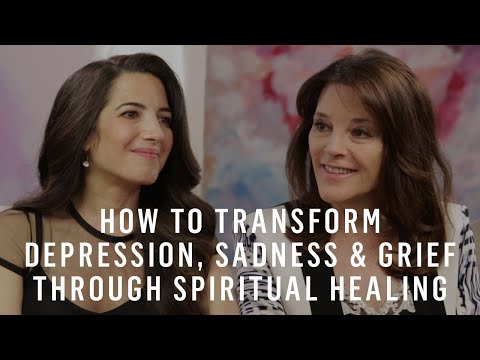
Bereavement: How to Transform Grief & Depression Through Spiritual Healing
0
Ken Song posted on 2016/10/28Feeling overwhelmed by grief or depression? This inspiring interview with Marianne Williamson explores how spiritual healing can help you navigate tough times, drawing from her book 'Tears to Triumph.' You'll pick up advanced vocabulary and complex sentence structures while gaining insights into grief recovery and the meaning of depression.
Learn this video on the APP!
The VoiceTube App has more in-depth practice for videos!