
ability
US /əˈbɪlɪti/
UK /ə'bɪlətɪ/
- Noun (Countable/Uncountable)
- The power, resources or skill to do something
- A particular skill or talent.
A2TOEICMorealcohol
US /ˈælkəˌhɔl,-ˌhɑl/
UK /'ælkəhɒl/
- Uncountable Noun
- A colorless liquid that can catch fire (C2H5OH)
- Drinks such as wine, whiskey, beer
B1Morebreath
US /brɛθ/
UK /breθ/
- Uncountable Noun
- Air you take in and out of your body
- The smell of someone's breath.
A2Morebreathing
US /ˈbriðɪŋ/
UK /ˈbri:ðɪŋ/
- Verb (Transitive/Intransitive)
- To move air into and out of your lungs
- To say something very softly
- Uncountable Noun
- The act of inhaling and exhaling air.
A2Morecause
US /kɔz/
UK /kɔ:z/
- Noun
- Belief, goal or organization that people support
- Reason for
- Transitive Verb
- To make something happen; create effect or result
A2Morecerebral
US /ˈsɛrəbrəl, səˈri-/
UK /ˈserəbrəl, səˈri:-/
- Adjective
- Having or concerning ideas rather than emotions
- Affecting or related to the brain
- Noun
- An intellectual person.
B2Morecoordination
US /koʊˌɔ:rdɪˈneɪʃn/
UK /kəʊˌɔ:dɪˈneɪʃn/
- Uncountable Noun
- When parts of your body work well together
- Planning to meet a shared goal
B1Morecortex
US /ˈkɔrˌteks/
UK /'kɔ:teks/
- Noun (Countable/Uncountable)
- The outer part of an organ/structure, e.g. brain
- The outer layer of the cerebrum (the cerebral cortex), other organs, or a plant.
C1Moredeath
US /dɛθ/
UK /deθ/
- Noun (Countable/Uncountable)
- When someone dies; the end of life
- The cause or manner of someone dying.
A2Moredigestion
US /daɪˈdʒɛstʃən, dɪ-/
UK /daɪˈdʒestʃən/
- Uncountable Noun
- Process of changing eaten food for use in the body
- The process of understanding new information
B2Morego out
US /ɡo aʊt/
UK /ɡəu aut/
- Phrase
- To leave a building (e.g. a house)
- Phrasal Verb
- (Of a fire) to burn out; be extinguished
- Go out of fashion to stop being fashionable
A1Moreimpair
US /ɪmˈpɛr/
UK /ɪm'peə(r)/
- Transitive Verb
- To damage or weaken something
B2TOEICMoreinduce
US /ɪnˈdus, -ˈdjus/
UK /ɪn'dju:s/
- Transitive Verb
- To make someone do something; create an outcome
- To make a woman give birth by giving her medicine
B1TOEICMoreinfluence
US / ˈɪnfluəns/
UK /'ɪnflʊəns/
- Verb (Transitive/Intransitive)
- To affect or change something indirectly
- To persuade someone to do something.
- Noun (Countable/Uncountable)
- The power to affect what happens, to persuade etc.
- A person or thing that affects someone or something in an important way.
A2TOEICMoreinform
US /ɪnˈfɔ:rm/
UK /ɪnˈfɔ:m/
- Transitive Verb
- To give information or facts about something
- To give an essential or formative principle or quality to.
A2TOEICMoreinvoluntary
US /ɪnˈvɑ:lənteri/
UK /ɪnˈvɒləntri/
- Adjective
- Without a person specifically wanting or trying to
- Without a person specifically wanting or trying to
B1Morelead to
US /lid tu/
UK /li:d tu:/
- Phrasal Verb
- To result in some action
- Verb (Transitive/Intransitive)
- To have something as a consequence or result.
A1Morememory
US /ˈmɛməri/
UK /'memərɪ/
- Noun (Countable/Uncountable)
- Ability of the mind to call back past things
- Space for the storage of information on a computer
A2Morenegative
US /ˈnɛɡətɪv/
UK /'neɡətɪv/
- Noun
- The opposite to a positive electrical charge
- In grammar, containing words such as 'no' or 'not'
- Adjective
- Being harmful, unwanted or unhelpful
- In mathematics, being less than zero
A2Moreresilient
US /rɪˈzɪljənt/
UK /rɪ'zɪlɪənt/
- Adjective
- Recovering quickly from something bad
- Able to withstand or recover quickly from difficult conditions.
B2Moreshut
US /ʃʌt/
UK /ʃʌt/
- Intransitive Verb
- To stop being open for business
- Transitive Verb
- To close something, e.g. a door
A2Moreshut down
US /ʃʌt daʊn/
UK /ʃʌt daun/
- Phrasal Verb
- To close an operating system, e.g. on a computer
- To stop a factory/machine from operating
- Transitive Verb
- To deactivate a nuclear reactor.
- To turn off a computer or other electronic device.
A2Moresuch as
US /sʌtʃ æz/
UK /sʌtʃ æz/
- Preposition
- For example; like
A1Moretemperature
US /ˈtɛmpərəˌtʃʊr,-tʃɚ,ˈtɛmprə-/
UK /ˈtemprətʃə(r)/
- Noun (Countable/Uncountable)
- When you your body heat is above normal
- How hot or cold something is, e.g. the weather
A2Moreunder the influence
US /ˈʌndɚ ði ˈɪnfluəns/
UK /ˈʌndə ðə ˈinfluəns/
- Adjective
- Affected by alcohol or drugs to the extent that mental and physical control is markedly diminished.
- Phrase
- Being affected or controlled by someone or something.
A1More
Vocabulary
- under the influence: Affected by alcohol or drugs to the extent that mental and physical control is markedly diminished.
- lead to: To result in some action
- such as: For example; like
- shut down: To close an operating system, e.g. on a computer
- go out: To leave a building (e.g. a house)
- make: To arrange or prepare something e.g. dinner
- time: Speed at which music is played; tempo
- cause: Belief, goal or organization that people support
- term: Conditions applying to an agreement, contract
- brain: To strike someone forcefully on the head
- think: To have an idea about something without certainty
- negative: The opposite to a positive electrical charge
- lead: Wire for electricity, computer, etc.; cable
- feel: To be aware of or experience an emotion, sensation
- ability: The power, resources or skill to do something
- cortex: The outer part of an organ/structure, e.g. brain
- influence: To affect or change something indirectly
- decision: Choice made after thinking; final judgment
- remember: To give someone a gift, e.g. birthday, wedding
- rate: To assess something or consider its qualities
- drive: A person's ambition and motivation to do something
- heart: A feeling of care for others; compassion
- act: To behave in a certain way
- memory: Ability of the mind to call back past things
- alcohol: A colorless liquid that can catch fire (C2H5OH)
- resilient: Recovering quickly from something bad
- stay: To keep trying without giving up
- notice: To become aware by sight, touch, or hearing
- breath: Air you take in and out of your body
- impair: To damage or weaken something
- shut: To stop being open for business
- death: When someone dies; the end of life
- digestion: Process of changing eaten food for use in the body
- temperature: When you your body heat is above normal
- induce: To make someone do something; create an outcome
- cerebral: Having or concerning ideas rather than emotions
- inform: To give information or facts about something
- coordination: When parts of your body work well together
- breathing: To move air into and out of your lungs
- involuntary: Without a person specifically wanting or trying to
Get the full experience in the app
Learn anywhere with detailed sentence and usage analysis
01:03
She took a brave step forward, leaving behind her comfort zone to chase her dreams.
Vocabulary
- brave
adj. Having courage
- comfort zone
phr. A familiar situation where one feels safe
Explanation
a brave step is a noun phrase, where brave is an adjective modifying the noun step, meaning "a courageous step".
forward is an adverb modifying step, meaning "ahead".
The whole phrase serves as the object, answering the "what" of took (verb) — she took a brave step forward.
Get the full experience in the app
Look up words anytime with pronunciation, part of speech, and usage
brave
US/brev/
UK/breɪv/
adj.Brave
v.t.To bravely face
A2 Elementary
Get the full experience in the app
Practice speaking anytime and get instant pronunciation feedback
Try this speaking exercise.
Try practicing with this sentence.
80
How Alcohol Affects the Brain - Resiliency in 54 Seconds
0
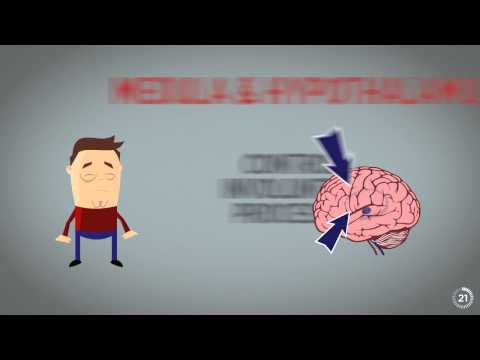
VoiceTube posted on 2016/09/22Ever wondered what alcohol *really* does to your brain? This super-fast explainer dives into how it messes with your memory, coordination, and even breathing, using some cool advanced vocabulary you'll definitely want to pick up! It's a fantastic way to boost your knowledge and learn some key health and science terms.
Learn this video on the APP!
The VoiceTube App has more in-depth practice for videos!