
abstraction
US /æbˈstrækʃən, əb-/
UK /æbˈstrækʃn/
- Noun (Countable/Uncountable)
- Concept or idea related to something not physical
B2Morealgorithm
US /ˈælɡəˌrɪðəm/
UK /'ælɡərɪðəm/
- Noun
- A step-by-step problem-solving feature
B2Moreall at once
US
UK
- Adverb
- Suddenly; at the same time
- At the same time; simultaneously
- Phrase
- Suddenly; at the same time
A1Moreallow me
US
UK
- Phrase
- A polite way of offering to do something for someone.
- A formal way to ask for permission or to introduce oneself.
along with
US /əˈlɔŋ wɪð/
UK /əˈlɔŋ wið/
- Preposition
- In addition to; together with.
- Adverb
- In company or together with someone or something.
- Including; in addition to.
A2Moreas follows
US
UK
- Phrase
- Used to introduce a list or explanation.
A1Moreas such
US /æz sʌtʃ/
UK /æz sʌtʃ/
- Pronoun
- Something previously stated or understood
A1Moreask in
US /æsk ɪn/
UK /ɑ:sk ɪn/
- other
- To invite someone to enter one's home or place.
B1Moreat a time
US /æt e taɪm/
UK /æt ə taim/
- Phrase
- Separately; one by one
- Simultaneously; together
A1Moreat hand
US /æt hænd/
UK /æt hænd/
- Phrase
- Close by; readily available.
- About to happen; imminent.
- Adjective
- Nearby; easily available
A1Moreat home
US /æt hom/
UK /æt həum/
- Phrase
- In one's own residence or country.
- Adjective
- Feeling comfortable and relaxed.
at least
US /æt list/
UK /æt li:st/
- Adverb
- As a minimum
- Not less than
- Phrase
- No less than; at the minimum
- Used to indicate that something is positive in a bad situation.
C2Moreat once
US /æt wʌns/
UK /æt wʌns/
- Adverb
- Immediately; without delay
- At the same time; simultaneously
A2Moreat some point
US /æt sʌm pɔɪnt/
UK /æt sʌm pɔint/
- Phrase
- At an unspecified time, usually in the future.
A1Moreat the end of the day
US
UK
- Phrase
- Ultimately; when everything else is considered.
- After a day's work or activities.
A1Moreat the risk of
US /ət ðə ˈrɪsk ʌv/
UK /ət ðə ˈrɪsk əv/
- other
- Used to introduce a statement that may offend or be criticized.
B2Moreat the tail
US /ət ðə ˈteɪl/
UK /ət ðə ˈteɪl/
- other
- At the end or last position in a line or group.
B2Moreat worst
US /æt wɚst/
UK /æt wə:st/
- Adverb
- If the most unfavorable outcome happens.
A1Moreaudience
US /ˈɔdiəns/
UK /ˈɔ:diəns/
- Noun (Countable/Uncountable)
- Group of people attending a play, movie etc.
A2TOEICMoreback in the day
US
UK
- Phrase
- In the past; in former times.
- Referring to a past time, often with a sense of nostalgia or fondness.
A1Morebased on
US
UK
- Phrasal Verb
- To use something as the foundation or starting point for something else.
- Preposition
- Using something as the main idea or foundation.
- Relying on something as evidence or justification.
A1Morebefore long
US /bɪˈfɔr lɔŋ/
UK /biˈfɔ: lɔŋ/
- Phrase
- Soon; in a short time.
A1Morebinary
US /ˈbaɪnəri/
UK /ˈbaɪnəri/
- Adjective
- Having two parts; using only 2 numbers, 1 and 0
- Noun
- Mathematical language using only one and zero
B2Moreblack and white
US /blæk ənd hwaɪt/
UK /blæk ænd hwait/
- Phrase
- Adjective
- Showing images only in black, grey, and white, not in colour.
A1Moreboot up
US
UK
- Phrasal Verb
- To start a computer
A2Morebreak down
US /brek daʊn/
UK /breik daun/
- Phrasal Verb
- To forcibly break, destroy or make collapse
- (Machine) to stop working or become weaker
A1Moreby contrast
US /baɪ ˈkɑntræst/
UK /bai ˈkɔntræst/
- Phrase
- Used to introduce an idea or situation that is very different from one you have just mentioned.
B2Morecan of worms
US
UK
- Noun
- A situation or subject that is complicated and unpleasant to deal with.
A1Morecode
US /kod/
UK /kəʊd/
- Transitive Verb
- To express information in a series of numbers
- To write a secret message using secret symbols
- Noun
- A password made of a set of letters or numbers
- Set of rules for behavior
A2Morecolumn
US /ˈkɑ:ləm/
UK /ˈkɒləm/
- Noun (Countable/Uncountable)
- Regular series of articles in a newspaper/magazine
- Strong vertical stone pillar that holds up a roof
B1Morecome around
US /kʌm əˈraʊnd/
UK /kʌm əˈraund/
- Phrasal Verb
- To eventually change your opinion or be persuaded to agree with someone else's.
- To visit someone at their house.
A1Morecome up
US /kʌm ʌp/
UK /kʌm ʌp/
- Phrasal Verb
- To come closer to someone; approach
- (Of sun) to rise into the sky in the morning
A1Morecome up to
US
UK
- Phrasal Verb
- To meet expectations
A1Morecomputational
US /ˌkɑ:mpjuˈteɪʃənl/
UK /ˌkɒmpjuˈteɪʃənl/
- Adjective
- Involving computation or computers
B1Morecount in
US /kaʊnt ɪn/
UK /kaunt in/
- Phrasal Verb
- To include someone in an activity or plan.
B1Morecube
US /kjub/
UK /kju:b/
- Noun
- Solid object that has six square sides
- Transitive Verb
- To cut food into the shape of small cubes
- To multiply a number by itself three times
B2Moredatum
US /ˈdetəm, ˈdætəm, ˈdɑtəm/
UK /ˈdeɪtəm/
- Noun
- Item of factual information
B1Moredeal with
US /dil wɪð/
UK /di:l wið/
- Verb (Transitive/Intransitive)
- To buy or sell goods or services.
- Phrasal Verb
- To take action to solve a problem or manage a situation.
- To be about; concern.
A1Moredepending on
US
UK
- Phrasal Verb
- To rely on for support (financial or emotional)
- Influenced or determined by.
- Preposition
- Subject to; contingent on
- Relying on someone or something for support or assistance.
A2Moredive in
US
UK
- Phrasal Verb
- To start doing something with a lot of enthusiasm.
- Intransitive Verb
- To jump into water headfirst.
A1Moredo in
US
UK
- Phrasal Verb
- To make completely tired out and exhausted
- To destroy or cause damage to someone
A1Moredo without
US
UK
- Phrasal Verb
- To manage without having or doing something
A1Moredouble back
US /ˈdʌbəl bæk/
UK /ˈdʌbl bæk/
- other
- To return by the same route you came.
B2Moredraw on
US /drɔ ɑn/
UK /drɔ: ɔn/
- Phrasal Verb
- To come to its end
- To make use of (someone's help, your savings, etc.)
A1Moreelectricity
US /ɪlɛkˈtrɪsɪti,ˌilɛk-/
UK /ɪˌlekˈtrɪsəti/
- Uncountable Noun
- Energy generated positive and negative charges
- The study or science of electric charges and currents.
A2Moreemit
US /ɪˈmɪt/
UK /ɪ'mɪt/
- Transitive Verb
- To release or send out (a gas, etc.)
B1Moreever since
US /ˈɛvɚ sɪns/
UK /ˈevə sins/
- Adverb
- Continuously from a past time until now.
- Conjunction
- From the time that; because.
B2Morefast and furious
US /fæst ənd ˈfjʊriəs/
UK /fɑ:st ænd ˈfjuəriəs/
- Phrase
- Done with great speed and energy; full of excitement and intensity.
- Proper Noun
- A media franchise centered on a series of action films that are predominantly concerned with illegal street racing, heists and spies.
B2Morefew steps
US
UK
- Phrase
- A small number of steps; a short distance.
B1Morefigure out
US /ˈfɪɡjɚ aʊt/
UK /ˈfiɡə aut/
- Phrasal Verb
- To understand the behavior of someone
- To think through logically to find a solution
- Verb (Transitive/Intransitive)
- To understand or find an answer to something.
- To find a solution to a problem or understand something.
A1Morefile
US /faɪl/
UK /faɪl/
- Noun (Countable/Uncountable)
- Computer document
- Tool used to take off sharp edges from something
- Transitive Verb
- To make something smooth by rubbing it with a tool
- To organize documents by storing them safely
A2TOEICMorefit in
US /fɪt ɪn/
UK /fit in/
- Phrasal Verb
- To mix with others so you get on well with them
A2Morefor instance
US /fɔr ˈɪnstəns/
UK /fɔ: ˈinstəns/
- Adverb
- As an example.
- Phrase
- As an example.
- As an illustration or case in point
B1Morefor now
US /fɔr naʊ/
UK /fɔ: nau/
- Phrase
- Temporarily; for the present time.
- In the short term; for the immediate future.
A1Morefor the sake of
US /fɔr ði sek ʌv/
UK /fɔ: ðə seik ɔv/
- Phrase
- For the purpose of; in the interest of.
A1Moregenerally
US /ˈdʒɛnərəli/
UK /ˈdʒenrəli/
- Adverb
- Usually; as a rule; by, to or for most people
A2Morego ahead
US /ɡo əˈhɛd/
UK /ɡəu əˈhed/
- Phrasal Verb
- To start an activity; start doing, working etc.
- To give permission to do something
- Intransitive Verb
- To start or proceed with something
- To proceed despite potential obstacles or doubts.
A1Morego back to
US /ɡo bæk tu/
UK /ɡəu bæk tu:/
- Phrasal Verb
- To return to a starting point
A1Moregoing on
US /ˈɡoɪŋ ɑn/
UK /ˈgəʊɪŋ ɔn/
- Phrasal Verb
- To continue doing something
- To happen (usually negative)
A1Moregot to
US /ɡɑt tu/
UK /gɔt tu:/
- Verb (Transitive/Intransitive)
- To arrive at some place
- To have the opportunity or permission to do something
- Phrasal Verb
- To appeal to the emotions of; move
- To finally begin to start something after a delay
A1Morehave at
US
UK
- Phrasal Verb
- To attack someone or something.
- To begin doing something with enthusiasm.
A1Morehave been around
US /hæv bɪn əˈraʊnd/
UK /hæv bɪn əˈraund/
- Verb (Transitive/Intransitive)
- To have a lot of experience in life.
- To have existed for a period of time.
A2Morehave to
US /hæv tu/
UK /ˈhæv tə/
- Auxiliary Verb
- Must do
A1Morehave words
US /hæv wɝdz/
UK /hæv wɜ:dz/
- other
- To argue or quarrel with someone.
B2Morehood
US /hʊd/
UK /hʊd/
- Noun
- Front part of the car that covers the engine
- A head covering attached to a cape, sweater etc.
B2Morein a nutshell
US
UK
- Phrase
- As a summary; including the main points concisely
C2Morein advance
US /ɪn ædˈvæns/
UK /in ədˈvɑ:ns/
- Phrase
- Ahead of time; before something happens
- Noun
- A payment made before it is due, especially for work to be done
A2Morein fact
US /ɪn fækt/
UK /in fækt/
- Adverb
- Used to emphasize the truth of a statement, especially one that contrasts with or contradicts something else.
- Used to introduce a more detailed or surprising piece of information.
- Phrase
- Used to emphasize the truth of a statement, especially one that is surprising or contrary to what might be expected.
C1Morein general
US /ɪn ˈdʒɛnərəl/
UK /in ˈdʒenərəl/
- Phrase
- Typically; usually; on the whole.
- Not specific or detailed; broadly.
- Adjective
- Not detailed or specific; overall.
C2Morein half
US /ɪn hæf/
UK /in hɑ:f/
- Adverb
- Divided into two equal parts.
- Partially; to some extent.
A1Morein on
US
UK
- Phrase
- To be involved in a secret or plan.
- To be aware of something that is secret or not generally known.
A1Morein order to
US /ɪn ˈɔrdɚ tu/
UK /in ˈɔ:də tu:/
- Preposition
- For the purpose of; with the aim of.
- Phrase
- In a specific sequence or arrangement.
- With the aim of; for the purpose of.
C1Morein other words
US
UK
- Phrase
- Stating something in a different way, often to make it clearer or more understandable.
in particular
US /ɪn pɚˈtɪkjəlɚ/
UK /in pəˈtikjulə/
- Phrase
- Specifically; especially.
- Detailed or precise.
A1Morein reality
US /ɪn riˈælɪti/
UK /in riˈæliti/
- Phrase
- Actually; in fact; truly.
B2Morein reverse
US /ɪn rɪˈvɚs/
UK /in riˈvə:s/
- Adverb
- In the opposite direction.
- In the opposite order.
- Phrase
- Moving or operating backwards.
- With the sequence inverted.
B2Morein terms of
US
UK
- Phrase
- With regard to; concerning a particular aspect.
A1Morein the middle of
US
UK
- Phrase
- In the central part or point of something.
- Engaged or occupied with something.
A2Morein the past
US
UK
- Phrase
- During a former period of time; previously.
A1Morein the world
US /ɪn ði wɜrld/
UK /in ðə wɜː(r)ld/
- Phrase
- Used to emphasize a question expressing surprise, confusion, disbelief
- Used to indicate the extent or degree of something, often in a superlative sense
A1Morein theory
US /ɪn ˈθiəri/
UK /in ˈθiəri/
- Adverb
- According to the stated ideas or principles
- Phrase
- According to the theoretical possibilities rather than actual practice.
B2Morein trouble
US /ɪn ˈtrʌbəl/
UK /in ˈtrʌbl/
- Adjective
- Experiencing difficulties, problems, or legal issues.
- other
- In serious trouble or difficulty.
A1Morein turn
US
UK
- Adverb
- One after the other in a sequence or rotation.
A1Morein use
US /ɪn juz/
UK /in ju:z/
- Adjective
- Being used at the present time.
A2Morein writing
US
UK
- Phrase
- Expressed or presented in written form, rather than spoken.
- Officially recorded in a written document, especially for legal purposes.
A1Moreinaudible
US /ɪnˈɔdəbəl/
UK /ɪnˈɔ:dəbl/
- Adjective
- Impossible to hear; imperceptible by the ear
B2Moreinput
US /ˈɪnˌpʊt/
UK /ˈɪnpʊt/
- Noun
- Advice or ideas that someone provides
- Transitive Verb
- To put in information, advice or opinions
A2Moreinside of
US /ɪnˈsaɪd ʌv/
UK /inˈsaid ɔv/
- Preposition
- Within; in the inner part of.
- Within a certain period of time.
A1Moreinstead of
US /ɪnˈstɛd ʌv/
UK /inˈsted ɔv/
- Preposition
- When one thing is replaced by another
- Adverb
- As a substitute or alternative.
A1Morejump out
US /dʒʌmp aʊt/
UK /dʒʌmp aut/
- Phrasal Verb
- To suddenly appear or move forward, often to surprise someone.
- To be very obvious or easily noticeable.
A2Morejust kind of
US
UK
- Phrase
- Used to express a feeling or state in a vague or hesitant way.
- Used to indicate something is approximately or generally similar to something else.
A2Morelevel
US /ˈlɛvəl/
UK /'levl/
- Noun (Countable/Uncountable)
- Specific height of something
- Amount of ability you have compared to others
- Transitive Verb
- To aim a gun at someone
- To destroy a building; flatten an area completely
A2TOEICMorelook at
US /lʊk æt/
UK /luk æt/
- Phrasal Verb
- To use your eyes to focus on something
- To focus your eyes on something carefully
A1Morelook for
US /lʊk fɔr/
UK /luk fɔ:/
- Phrasal Verb
- To try to find a thing or person that is lost
- To expect or anticipate something.
A1Moremagnetic
US /mæɡˈnɛtɪk/
UK /mægˈnetɪk/
- Adjective
- Having the properties of a magnet; able to attract
- Having great power to attract attention, interest
B2Moremoving parts
US
UK
- Noun (Countable/Uncountable)
- Components of a machine or device that move to perform a function.
- The various elements or factors that contribute to a complex process or system.
B2Morenext to
US /nɛkst tu/
UK /nekst tu:/
- Preposition
- Being located along side another
- In comparison with
- Adverb
- Almost; nearly
A1Moreno matter
US
UK
- Conjunction
- Regardless of; it does not matter.
- Adverb
- Regardless of; it is not important
A1Moreof course
US /ʌv kɔː(r)s/
UK /ɔv kɔː(r)s/
- Adverb
- Sure ; Certainly
- Phrase
- For sure; certainly
A2Moreof old
US /ʌv oʊld/
UK /əv əuld/
- other
- From a long time ago; in the past.
B2Moreoffer up
US /ˈɔfɚ ʌp/
UK /ˈɔfə ʌp/
- Phrasal Verb
- To present something, especially to God, as a sacrifice or offering.
- To present or suggest something for consideration.
A1Moreold school
US /old skul/
UK /əuld sku:l/
- Adjective
- Traditional or old-fashioned in style, behavior, or attitude.
- Referring to an earlier, more traditional style of music, especially hip-hop or rap.
- Noun
- A traditional method or approach.
B1Moreon and off
US /ɑn ənd ɔf/
UK /ɔn ænd ɔf/
- Adverb
- Intermittently; not continuously.
- Adjective
- Characterized by periods of involvement and separation.
A1Moreon hold
US /ɑn hold/
UK /ɔn həuld/
- Adjective
- Temporarily delayed or suspended.
- Adverb
- Waiting to be connected on a telephone call.
A2Moreon the road
US /ɑn ði rəʊd/
UK /ɔn ðə roʊd/
- Phrase
- Traveling, especially as part of a tour or journey.
- Making progress; advancing towards a goal.
- Idiom
- Making progress towards a goal or achievement.
A1Moreone up
US /wʌn ʌp/
UK /wʌn ʌp/
- Adjective
- In a better or more advantageous position.
- Countable Noun
- An extra life or chance in a video game.
A1Moreout of it
US /aʊt ʌv ɪt/
UK /aut ɔv it/
- Adjective
- Unconscious or not completely alert; dazed or confused.
- Not able to think clearly or react quickly; not with it.
A1Moreover time
US /ˈovɚ taɪm/
UK /ˈəuvə taim/
- Phrase
- Gradually; as time passes.
- During a long period.
- Adverb
- Gradually; as time passes.
B1Morepage in
US /peɪʤ ɪn/
UK /peɪʤ ɪn/
- other
- Contact someone by pager urgently.
C1Morepen up
US
UK
- Phrasal Verb
- To confine or enclose in a pen or other small space.
A1Morephone
US /foʊn/
UK /fəʊn/
- Verb (Transitive/Intransitive)
- To talk to someone using a telephone
- Noun
- Machine used to talk to someone who is far away
A2TOEICMorephone book
US
UK
- Noun (Countable/Uncountable)
- A book containing an alphabetical list of telephone subscribers in a particular area, with their telephone numbers.
A1Morephone number
US
UK
- Countable Noun
- A sequence of digits assigned to a telephone subscriber, used to make a call to that phone.
A1Moreplay on
US
UK
- Phrasal Verb
- To exploit or take advantage of something, such as someone's emotions or weaknesses.
A1Morepoint out
US /pɔɪnt aʊt/
UK /pɔint aut/
- Phrasal Verb
- To make others aware of an idea
- To draw attention to something or someone
A1Moreprogrammer
US /ˈproˌɡræmɚ/
UK /ˈprəʊgræmə(r)/
- Noun
- Person who writes instructions for computers
A2TOEICMoreput together
US /pʊt təˈɡɛðɚ/
UK /put təˈɡeðə/
- Phrasal Verb
- To build or assemble something small, e.g. a toy
- To organize or arrange something.
A1Morerather than
US
UK
- Adverb
- More exactly; more correctly
- Preferably; instead
- Preposition
- Instead of
A1Morerepresent
US /ˌrɛprɪˈzɛnt/
UK /ˌreprɪ'zent/
- Transitive Verb
- To depict art objects, figures, scenes; to portray
- To show or describe something in a particular way
A2TOEICMorerun on
US /rʌn ɑn/
UK /rʌn ɔn/
- Phrasal Verb
- To continue longer than expected, e.g. a meeting
- To talk without stopping, often on the same topic
- Intransitive Verb
- To continue without a break or clear separation, especially in writing.
A1Morescreen
US /skrin/
UK /skri:n/
- Transitive Verb
- To hide or block something from being seen
- To examine to find something, e.g. best candidate
- Noun
- Wire net in a door or window to keep insects out
- Displays in a theater on which movies are shown
A2TOEICMorescreen in
US /skrin ɪn/
UK /skri:n ɪn/
- other
- To enclose a space with a screen or mesh.
B2Moresearch for
US /sɚtʃ fɔr/
UK /sə:tʃ fɔ:/
- Phrasal Verb
- To try to find someone or something.
B1Moresee in
US /si ɪn/
UK /si: in/
- Phrasal Verb
- To accompany someone to the entrance of a building or room.
A1Moreshave off
US /ʃev ɔf/
UK /ʃeiv ɔf/
- Phrasal Verb
- To remove hair from the skin by using a razor.
- To reduce an amount, especially money or time.
A2Moresingle file
US /ˈsɪŋɡəl faɪl/
UK /ˈsiŋɡl fail/
- Adverb
- One behind the other, in a line.
- Noun
- A line of people or things one behind the other.
A2Moreslope
US /sloʊp/
UK /sləʊp/
- Noun
- Angle of a decline, e.g. where a road dips down
- Surface on which people can ski
- Intransitive Verb
- To have one end that is not as high as the other
B1TOEICMoresome time ago
US /sʌm taɪm əˈɡo/
UK /sʌm taim əˈɡəu/
- Phrase
- At a point in the past; not recently.
A1Morespend more time
US
UK
- Phrase
- To dedicate a greater amount of time to a particular activity or person.
A1Moresquare
US /skwɛr/
UK /skweə(r)/
- Noun (Countable/Uncountable)
- Shape with 4 equal length sides and 4 equal angles
- The result of multiplying Length by the width
- Adjective
- Being fair or honest
- Multiply a number by itself e.g. 2x2 or 6x6
A2TOEICMorestand over
US /stænd ˈovɚ/
UK /stænd ˈəuvə/
- Phrasal Verb
- To watch or supervise others closely, like a boss
A1Moresuch as
US /sʌtʃ æz/
UK /sʌtʃ æz/
- Preposition
- For example; like
A1Moretake a piece
US
UK
- Phrase
- To remove a portion of something.
- Idiom
- To gain an advantage or share of something, especially in business.
A1Moretake out
US /tek aʊt/
UK /teik aut/
- Phrasal Verb
- To apply for and get a license
- To take someone on a date
- Uncountable Noun
- Food purchased at a restaurant to eat elsewhere.
A1Moretalking about
US
UK
- Phrasal Verb
- To discuss a particular topic.
- To be constantly mentioning or bringing up a subject.
A1Morethink about
US /θɪŋk əˈbaʊt/
UK /θiŋk əˈbaut/
- Phrasal Verb
- To consider something carefully.
- To remember or call to mind.
A1Morethink of
US /θɪŋk ʌv/
UK /θiŋk ɔv/
- Phrasal Verb
- To look on as (being something specific); consider
- To consider or remember something.
- Verb (Transitive/Intransitive)
- To imagine or call something to mind
A1Morethrow away
US
UK
- Phrasal Verb
- To fail to take advantage of a good chance
- To put things in the trash
A1Moretiny
US /ˈtaɪni/
UK /'taɪnɪ/
- Adjective
- Very, very small
A2Moreto the left
US
UK
- Phrase
- In or toward the left direction.
- Situated on the left side of.
to the power of
US /tu ðə ˈpaʊɚ əv/
UK /tu ðə ˈpaʊə əv/
- other
- Indicating exponentiation in math; repeated multiplication.
B2Moretouch on
US
UK
- Phrasal Verb
- To briefly discuss
A1Moretrade off
US /treid ɔf/
UK /treid ɔf/
- Noun (Countable/Uncountable)
- Exchange that occurs as a compromise
- Verb (Transitive/Intransitive)
- To accept that you cannot have everything you want and give up something that is less important so that you can have what is more important.
- To balance two opposing situations or qualities; to compromise.
C2Moreturn around
US /tɚn əˈraʊnd/
UK /tə:n əˈraund/
- Phrasal Verb
- To change your body to the opposite direction
- To make something running badly into a success
- Verb (Transitive/Intransitive)
- To change direction so as to face the opposite way.
- To improve or cause to improve.
A1Moreturn off
US
UK
- Phrasal Verb
- To make someone feel negatively about something
A1Moreturn on
US /tɚn ɑn/
UK /tə:n ɔn/
- Phrasal Verb
- To cause someone to be interested or excited
- Transitive Verb
- To activate or switch on a device or appliance.
- To suddenly attack or criticize someone.
A1Moreturned out
US
UK
- Phrasal Verb
- To arrive for a public event or entertainment
- To happen to be in the end
- Transitive Verb
- To extinguish or switch off lights.
A1Moreunderneath the hood
US /ˌʌndɚˈniθ ðə hʊd/
UK /ˌʌndəˈni:θ ðə hʊd/
- other
- Refers to something hidden beneath the visible surface.
B2Moreup there
US /ʌp ðɛr/
UK /ʌp ðɛə/
- Adverb
- In or to a higher place or position; far away.
- In heaven.
A1Moreup top
US
UK
- Adverb
- In or at the highest position or location.
- Interjection
- A gesture involving raising a hand for a high-five, often used as a greeting or congratulatory signal.
B2Morevery top
US
UK
- Noun
- The highest point or part of something.
- Adjective
- The most important or successful.
walk over
US /wɔk ˈovɚ/
UK /wɔ:k ˈəuvə/
- Phrasal Verb
- To treat someone badly, as if they had no rights
A1Morewalk through
US /wɔk θru/
UK /wɔ:k θru:/
- Phrasal Verb
- To show someone carefully how to do something
A1Morewhite pages
US
UK
- Noun
- A telephone directory listing subscribers alphabetically by name and address.
A1Morewith it
US /wɪð ɪt/
UK /wið it/
- Adjective
- Intelligent, alert, and up-to-date.
- Understanding and knowledgeable about current trends or information.
A1Morewith just
US
UK
- Phrase
- Using only; with no more than.
- Barely; by a narrow margin.
A2Morewith time
US
UK
- Phrase
- As time passes; eventually.
- Given enough time; in the course of time.
A1Morewrite in
US
UK
- Phrasal Verb
- To add text to a document or form.
- To vote for a candidate whose name is not printed on the ballot by writing it in.
A1Moreyellow pages
US
UK
- Noun (plural)
- A telephone directory with listings of businesses, often printed on yellow paper.
A1Morezoom in on
US
UK
- Phrasal Verb
- To adjust a camera or lens to make a subject appear closer.
- To focus attention on something specific.
A1More
Vocabulary
- phone book: A book containing an alphabetical list of telephone subscribers in a particular area, with their telephone numbers.
- look at: To use your eyes to focus on something
- of course: Sure ; Certainly
- have to: Must do
- in half: Divided into two equal parts.
- in other words: Stating something in a different way, often to make it clearer or more understandable.
- in the world: Used to emphasize a question expressing surprise, confusion, disbelief
- in fact: Used to emphasize the truth of a statement, especially one that contrasts with or contradicts something else.
- for instance: As an example.
- at the end of the day: Ultimately; when everything else is considered.
- over time: Gradually; as time passes.
- inside of: Within; in the inner part of.
- at a time: Separately; one by one
- to the left: In or toward the left direction.
- in order to: For the purpose of; with the aim of.
- instead of: When one thing is replaced by another
- think about: To consider something carefully.
- old school: Traditional or old-fashioned in style, behavior, or attitude.
- with just: Using only; with no more than.
- turn around: To change your body to the opposite direction
- in the middle of: In the central part or point of something.
- touch on: To briefly discuss
- for the sake of: For the purpose of; in the interest of.
- on and off: Intermittently; not continuously.
- at hand: Close by; readily available.
- talking about: To discuss a particular topic.
- in terms of
- at once: Immediately; without delay
- underneath the hood: Refers to something hidden beneath the visible surface.
- double back: To return by the same route you came.
- at least: As a minimum
- throw away: To fail to take advantage of a good chance
- come around: To eventually change your opinion or be persuaded to agree with someone else's.
- offer up: To present something, especially to God, as a sacrifice or offering.
- come up: To come closer to someone; approach
- at some point: At an unspecified time, usually in the future.
- to the power of: Indicating exponentiation in math; repeated multiplication.
- think of: To look on as (being something specific); consider
- turn off
- going on: To continue doing something
- moving parts: Components of a machine or device that move to perform a function.
- in turn: One after the other in a sequence or rotation.
- look for: To try to find a thing or person that is lost
- out of it: Unconscious or not completely alert; dazed or confused.
- white pages: A telephone directory listing subscribers alphabetically by name and address.
- in theory: According to the stated ideas or principles
- depending on: To rely on for support (financial or emotional)
- spend more time: To dedicate a greater amount of time to a particular activity or person.
- turned out: To arrive for a public event or entertainment
- go ahead: To start an activity; start doing, working etc.
- see in: To accompany someone to the entrance of a building or room.
- just kind of: Used to express a feeling or state in a vague or hesitant way.
- screen in: To enclose a space with a screen or mesh.
- up top: In or at the highest position or location.
- on the road: Traveling, especially as part of a tour or journey.
- at the risk of: Used to introduce a statement that may offend or be criticized.
- do without: To manage without having or doing something
- run on: To continue longer than expected, e.g. a meeting
- before long: Soon; in a short time.
- search for: To try to find someone or something.
- phone number: A sequence of digits assigned to a telephone subscriber, used to make a call to that phone.
- black and white
- on hold: Temporarily delayed or suspended.
- have words: To argue or quarrel with someone.
- up there: In or to a higher place or position; far away.
- one up: In a better or more advantageous position.
- walk through: To show someone carefully how to do something
- jump out: To suddenly appear or move forward, often to surprise someone.
- of old: From a long time ago; in the past.
- rather than: More exactly; more correctly
- turn on
- boot up: To start a computer
- fit in: To mix with others so you get on well with them
- in particular: Specifically; especially.
- point out: To make others aware of an idea
- for now: Temporarily; for the present time.
- got to: To arrive at some place
- in use: Being used at the present time.
- in reality: Actually; in fact; truly.
- some time ago: At a point in the past; not recently.
- have at: To attack someone or something.
- with it: Intelligent, alert, and up-to-date.
- along with: In addition to; together with.
- at the tail: At the end or last position in a line or group.
- put together: To build or assemble something small, e.g. a toy
- single file: One behind the other, in a line.
- by contrast: Used to introduce an idea or situation that is very different from one you have just mentioned.
- no matter: Regardless of; it does not matter.
- yellow pages: A telephone directory with listings of businesses, often printed on yellow paper.
- all at once: Suddenly; at the same time
- shave off: To remove hair from the skin by using a razor.
- at worst: If the most unfavorable outcome happens.
- figure out: To understand the behavior of someone
- page in: Contact someone by pager urgently.
- trade off: Exchange that occurs as a compromise
- count in: To include someone in an activity or plan.
- with time: As time passes; eventually.
- as such: Something previously stated or understood
- zoom in on: To adjust a camera or lens to make a subject appear closer.
- in on: To be involved in a secret or plan.
- go back to: To return to a starting point
- few steps: A small number of steps; a short distance.
- ever since: Continuously from a past time until now.
- deal with
- in general: Typically; usually; on the whole.
- in the past: During a former period of time; previously.
- as follows: Used to introduce a list or explanation.
- stand over: To watch or supervise others closely, like a boss
- take out: To apply for and get a license
- walk over: To treat someone badly, as if they had no rights
- based on: To use something as the foundation or starting point for something else.
- next to: Being located along side another
- have been around: To have a lot of experience in life.
- take a piece: To remove a portion of something.
- allow me: A polite way of offering to do something for someone.
- do in: To make completely tired out and exhausted
- back in the day: In the past; in former times.
- draw on: To come to its end
- pen up: To confine or enclose in a pen or other small space.
- come up to: To meet expectations
- in advance: Ahead of time; before something happens
- at home: In one's own residence or country.
- in trouble: Experiencing difficulties, problems, or legal issues.
- can of worms: A situation or subject that is complicated and unpleasant to deal with.
- in writing: Expressed or presented in written form, rather than spoken.
- play on: To exploit or take advantage of something, such as someone's emotions or weaknesses.
- fast and furious: Done with great speed and energy; full of excitement and intensity.
- very top: The highest point or part of something.
- such as: For example; like
- in a nutshell: As a summary; including the main points concisely
- dive in: To start doing something with a lot of enthusiasm.
- ask in: To invite someone to enter one's home or place.
- in reverse: In the opposite direction.
- break down: To forcibly break, destroy or make collapse
- write in: To add text to a document or form.
- sort: To organize things by putting them into groups
- time: Speed at which music is played; tempo
- turn: To become (a particular age)
- world: All the humans, events, activities on the earth
- audience: Group of people attending a play, movie etc.
- kind: In a caring and helpful manner
- find: To become aware of something that is happening
- tiny: Very, very small
- draw: To attract attention to someone or something
- hard: Difficult to do; difficult to understand
- language: Words or signs used to communicate messages
- represent: To depict art objects, figures, scenes; to portray
- line: Border that divides two places or regions
- left: To go away from; depart
- drive: A person's ambition and motivation to do something
- generally: Usually; as a rule; by, to or for most people
- problem: Something difficult to deal with or causes trouble
- number: Symbols such as 1, 2, 56, 793
- middle: Place that is halfway between two things
- square: Shape with 4 equal length sides and 4 equal angles
- level: Specific height of something
- screen: To hide or block something from being seen
- column: Regular series of articles in a newspaper/magazine
- algorithm: A step-by-step problem-solving feature
- code: To express information in a series of numbers
- emit: To release or send out (a gas, etc.)
- electricity: Energy generated positive and negative charges
- magnetic: Having the properties of a magnet; able to attract
- phone: To talk to someone using a telephone
- file: Computer document
- inaudible: Impossible to hear; imperceptible by the ear
- input: Advice or ideas that someone provides
- slope: Angle of a decline, e.g. where a road dips down
- hood: Front part of the car that covers the engine
- cube: Solid object that has six square sides
- binary: Having two parts; using only 2 numbers, 1 and 0
- computational: Involving computation or computers
- datum: Item of factual information
- programmer: Person who writes instructions for computers
- abstraction: Concept or idea related to something not physical
Get the full experience in the app
Learn anywhere with detailed sentence and usage analysis
01:03
She took a brave step forward, leaving behind her comfort zone to chase her dreams.
Vocabulary
- brave
adj. Having courage
- comfort zone
phr. A familiar situation where one feels safe
Explanation
a brave step is a noun phrase, where brave is an adjective modifying the noun step, meaning "a courageous step".
forward is an adverb modifying step, meaning "ahead".
The whole phrase serves as the object, answering the "what" of took (verb) — she took a brave step forward.
Get the full experience in the app
Look up words anytime with pronunciation, part of speech, and usage
brave
US/brev/
UK/breɪv/
adj.Brave
v.t.To bravely face
A2 Elementary
Get the full experience in the app
Practice speaking anytime and get instant pronunciation feedback
Try this speaking exercise.
Try practicing with this sentence.
80
Computational Thinking - Computer Science for Business Leaders 2016
0
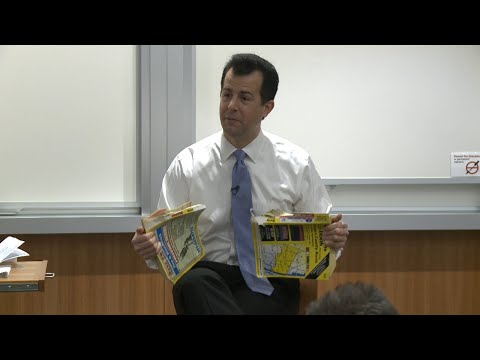
Chris Lyu posted on 2016/09/02Ever wondered how computers 'think'? This video dives into computational thinking and programming basics, even touching on the fascinating Volkswagen scandal to illustrate key concepts! You'll pick up essential vocabulary and gain a deeper understanding of how technology works, making it perfect for anyone curious about computer science.
Learn this video on the APP!
The VoiceTube App has more in-depth practice for videos!