slope
US /sloʊp/
・UK /sləʊp/
B1TOEIC
n.NounAngle of a decline, e.g. where a road dips down
There is a slope down to the street
v.i.Intransitive VerbTo have one end that is not as high as the other
The slope of the hiking trail was steeper at the end
n.NounSurface on which people can ski
The ski slope was covered with a fresh layer of snow
Video subtitles
How I Tricked My Brain Into Stopping Cravings

- The problem was that while nighttime craving is a slippery slope, it's the last one, and inevitable if the two earlier slippery slopes are not addressed.
The problem was that while nighttime craving is a slippery slope, it's the last one, and inevitable if the two earlier slippery slopes are not addressed.
- The first slippery slope was not fueling my body properly throughout the day, which made my hunger and cravings roll together into a monster at night.
The first slippery slope was not fueling my body properly throughout the day, which made my hunger and cravings roll together into a monster at night.
Genetic Engineering Will Change Everything Forever – CRISPR

- This is a slippery slope.
This is a slippery slope.
- that accumulate. This is a slippery slope. Modified humans could become the new
that accumulate. This is a slippery slope. Modified humans could become the new
How Good do you need to be to Snowboard in JAPAN?
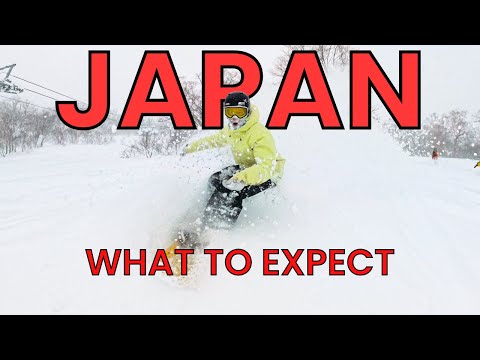
- The snow was good every day whether it was wastely powder, a nice groomed slope or everything in between.
The snow was good every day whether it was wastely powder, a nice groomed slope or everything in between.
- The snow was good every day, whether it was waist-deep powder, a nice groomed slope, or everything in between.
The snow was good every day, whether it was waist-deep powder, a nice groomed slope, or everything in between.
A STRONGER SAFER HEELSIDE
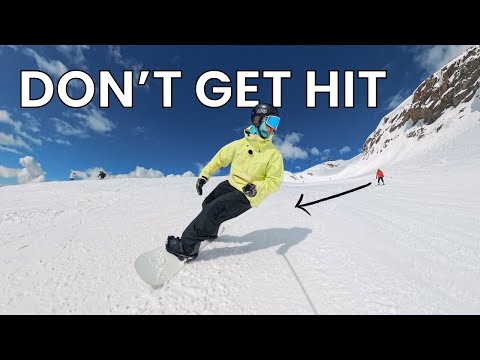
- A byproduct of this rotation with your hips is that your shoulder line becomes more open, meaning that it's easier to turn your head and see back up the slope and see anyone who might be coming down this side trying to overtake you.
A byproduct of this rotation with your hips is that your shoulder line becomes more open, meaning that it's easier to turn your head and see back up the slope and see anyone who might be coming down this side trying to overtake you.
- Plenty of space on the slope if anyone wants to get past me.
Plenty of space on the slope if anyone wants to get past me.
Attacker at Donald Trump’s rally killed by US Secret Service sniper | BBC News

- Probably not, because the roof, the way the slope went, he was behind where they could see.
Probably not, because the roof, the way the slope went, he was behind where they could see.
- Probably not, because the roof, the way the slope went, he was behind where they could see.
Probably not, because the roof, the way the slope went, he was behind where they could see.
Why Are Beach Holes So Deadly?
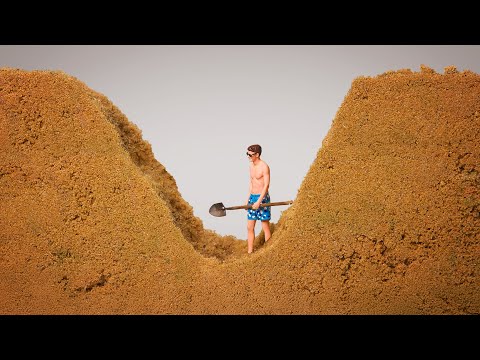
- In some ways, geotechnical engineering might as well be called slope engineering because it's a huge part of what they do.
In some ways, geotechnical engineering might as well be called slope engineering because it's a huge part of what they do.
- In some ways, geotechnical engineering might as well be called slope engineering because it's a huge part of what they do.
In some ways, geotechnical engineering might as well be called slope engineering because it's a huge part of what they do.
Improve your Carving Game - Snowboard Better
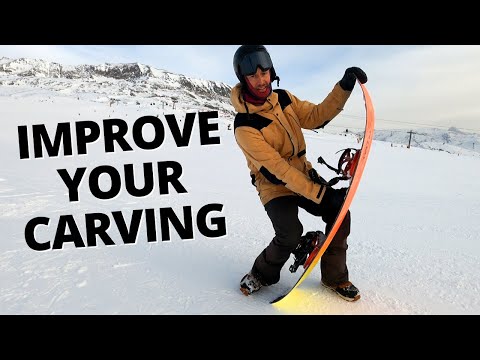
- Carving is where you put the board on its edge and have the side cut of the board pull you across the slope in a smooth turn. Now good carving is where you leave a pencil thin line in the snow. That's an indication that the board hasn't been skidding at all. So let's start off real simply at the pedestrian end of the spectrum like I said. I'm here on the side of the piece and what I'm going to do is pick up a little bit of speed, rock onto my heel edge and try and make a nice smooth arc all the way across to the other side of the slope. To do this, ingredient one is speed. A little bit of speed helps with carving.
Carving is where you put the board on its edge and have the side cut of the board pull you across the slope in a smooth turn. Now good carving is where you leave a pencil thin line in the snow. That's an indication that the board hasn't been skidding at all. So let's start off real simply at the pedestrian end of the spectrum like I said. I'm here on the side of the piece and what I'm going to do is pick up a little bit of speed, rock onto my heel edge and try and make a nice smooth arc all the way across to the other side of the slope. To do this, ingredient one is speed. A little bit of speed helps with carving.
- Ingredient number two is to have good heel edge posture. That means knees bent, hips back, head turning, looking where I'm going and if you're not entirely sure what good posture is, check this video out up here. I've explained good posture in great detail. So we've got speed, we've got good posture, the third thing we need to do is the lateral movement. By that I just mean we lean. We lean our body laterally into the slope to get the sidecut to engage and for it to pull us around the turn. Alright, let's jump in, let's give it a go.
Ingredient number two is to have good heel edge posture. That means knees bent, hips back, head turning, looking where I'm going and if you're not entirely sure what good posture is, check this video out up here. I've explained good posture in great detail. So we've got speed, we've got good posture, the third thing we need to do is the lateral movement. By that I just mean we lean. We lean our body laterally into the slope to get the sidecut to engage and for it to pull us around the turn. Alright, let's jump in, let's give it a go.
8 EASY SNOWBOARD TRICKS TO LOOK COOL
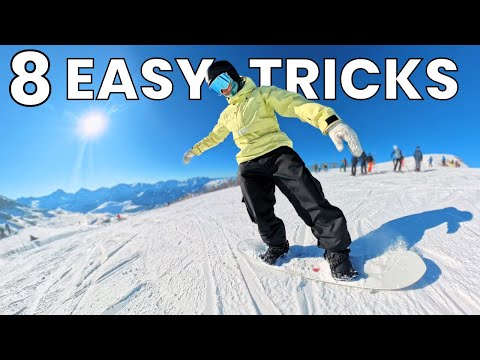
- Lock your board in on the toe side edge across the slope and create a bit of pre-wind by opening up your shoulders.
Lock your board in on the toe side edge across the slope and create a bit of pre-wind by opening up your shoulders.
- Here's a cheeky way to start off a run that is incredibly simple: lock your board in on the toe-side edge across the slope and create a bit of pre-wind by opening up your shoulders.
Here's a cheeky way to start off a run that is incredibly simple: lock your board in on the toe-side edge across the slope and create a bit of pre-wind by opening up your shoulders.
Snowboarding Tips - How to Ride the Flats - With a Real Beginner
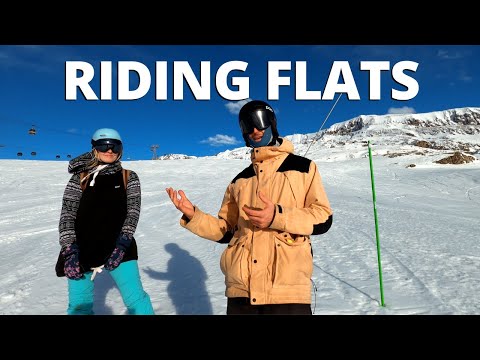
- So normally when we're snowboarding we make what's called is that after each turn, whether it's heel side or toe edge, we get the board 90 degrees across the slope to slow ourselves back down and get a bit more control.
So normally when we're snowboarding we make what's called is that after each turn, whether it's heel side or toe edge, we get the board 90 degrees across the slope to slow ourselves back down and get a bit more control.
- Now if you're to do this type of turn on the flats, not only are you going to just run out of speed, get stuck and end up skating across them, but you might have found yourself it's actually quite dangerous when you turn that board 90 degrees when you're on a flat slope, it's very easy to catch an edge.
Now if you're to do this type of turn on the flats, not only are you going to just run out of speed, get stuck and end up skating across them, but you might have found yourself it's actually quite dangerous when you turn that board 90 degrees when you're on a flat slope, it's very easy to catch an edge.
The World of Khubilai Khan: A Revolution in Painting
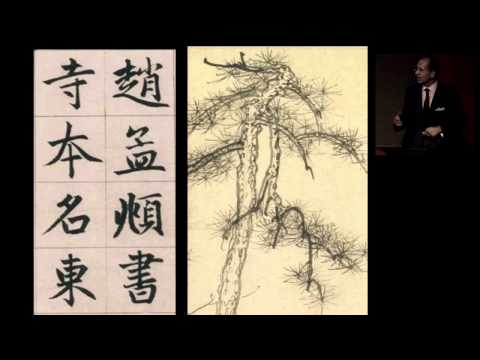
- In the near ground, one sees these ancient trees huddled together on a near ground slope.
In the near ground, one sees these ancient trees huddled together on a near ground slope.
- In the near ground, one sees these ancient trees huddled together on a near ground slope.
In the near ground, one sees these ancient trees huddled together on a near ground slope.