
access
US /ˈæksɛs/
UK /'ækses/
- Noun (Countable/Uncountable)
- Way to enter a place, e.g. a station or stadium
- The opportunity or right to use something or to see someone.
- Transitive Verb
- To be able to use or have permission to use
A2TOEICMoreachieve
US /əˈtʃiv/
UK /ə'tʃi:v/
- Transitive Verb
- To succeed in doing good, usually by working hard
- To succeed in reaching a particular goal, status, or standard, often after effort or perseverance.
A2TOEICMorealter
US /ˈɔltɚ/
UK /ˈɔ:ltə(r)/
- Transitive Verb
- To change so (clothing) fits better
- Verb (Transitive/Intransitive)
- To change or modify something.
- To become different; to change.
A2TOEICMoreangle
US /ˈæŋɡəl/
UK /ˈæŋgl/
- Noun
- Place where two lines or surfaces meet
B1TOEICMoreanxiety
US /æŋˈzaɪɪti/
UK /æŋ'zaɪətɪ/
- Uncountable Noun
- A feeling of worry, nervousness, or unease about something that might happen, especially when the outcome is uncertain.
B1Moreas opposed to
US
UK
- Preposition
- In contrast to; rather than.
- Instead of; in place of.
A1Moreat night
US /æt naɪt/
UK /æt nait/
- Phrase
- During the night; in the nighttime.
A1Moreattentiveness
US
UK
- Uncountable Noun
- Paying particular attention to
B2TOEICMoreaverage
US /ˈævərɪdʒ, ˈævrɪdʒ/
UK /'ævərɪdʒ/
- Noun (Countable/Uncountable)
- Total of numbers divided by the number of items
- Transitive Verb
- To add numbers then divide by the number of items
A2TOEICMorebenefit
US /ˈbɛnəfɪt/
UK /'benɪfɪt/
- Noun (Countable/Uncountable)
- Good result or effect, something advantageous
- A payment made by the state or an insurance policy to someone
- Verb (Transitive/Intransitive)
- To have a good effect or be helpful
- To receive an advantage; to be helped
A2TOEICMoreboost
US /bust/
UK /bu:st/
- Transitive Verb
- To increase something; to make something better
- To push someone or something up from beneath them
- Noun (Countable/Uncountable)
- An increase in something
B1TOEICMoreboredom
US /ˈbɔrdəm, ˈbor-/
UK /ˈbɔ:dəm, ˈbəʊr-/
- Uncountable Noun
- Feeling of being uninterested or unexcited
B1Morebreak down
US /brek daʊn/
UK /breik daun/
- Phrasal Verb
- To forcibly break, destroy or make collapse
- (Machine) to stop working or become weaker
A1Morecandy
US /ˈkændi/
UK /ˈkændi/
- Countable Noun
- Small sweet foods made mostly of sugar
- Transitive Verb
- To coat food with sugar
B2Morecause
US /kɔz/
UK /kɔ:z/
- Noun
- Belief, goal or organization that people support
- Reason for
- Transitive Verb
- To make something happen; create effect or result
A2Morecellphone
US /ˈselfoʊn/
UK /ˈselfəʊn/
- Countable Noun
- Phone you can take with you everywhere
C2Morecocaine
US /ˈkoʊˌkeɪn/
UK /kəʊˈkeɪn/
- Uncountable Noun
- Illegal drug made from coca leaves
- A street name for the drug cocaine.
- Intransitive Verb
- To use cocaine.
B2Moreconscious
US /ˈkɑnʃəs/
UK /ˈkɒnʃəs/
- Adjective
- Aware of what is going on around you
- Intentionally done; deliberate.
A2Moreconstantly
US /ˈkɑnstəntlɪ/
UK /ˈkɒnstəntli/
- Adverb
- Frequently, or without pause
- In a way that is unchanging or faithful
B1Morecontent
US /ˈkɑnˌtɛnt/
UK /'kɒntent/
- Adjective
- Being happy or satisfied
- In a state of peaceful happiness.
- Noun (Countable/Uncountable)
- Information in something, e.g. book or computer
- The subject matter of a book, speech, etc.
A2Morecrush
US /krʌʃ/
UK /krʌʃ/
- Noun
- Strong attraction to someone
- Transitive Verb
- To break something into small pieces by pressing
- To defeat someone or something (in a game)
B1TOEICMorediabetes
US /ˌdaɪəˈbitɪs, -tiz/
UK /ˌdaɪəˈbi:ti:z/
- Noun (Countable/Uncountable)
- Illness where there is too much sugar in the blood
- A form of diabetes, usually diagnosed in children and young adults, in which the body does not produce insulin.
B2Morediminish
US /dɪˈmɪnɪʃ/
UK /dɪˈmɪnɪʃ/
- Verb (Transitive/Intransitive)
- To make something smaller or less important
- To imply someone's reputation is less good
B1Moredisrupt
US /dɪsˈrʌpt/
UK /dɪsˈrʌpt/
- Transitive Verb
- To cause a disturbance in an activity in progress
B2TOEICMoreemit
US /ɪˈmɪt/
UK /ɪ'mɪt/
- Transitive Verb
- To release or send out (a gas, etc.)
B1Moreengage
US /ɪn'gedʒ/
UK /ɪn'ɡeɪdʒ/
- Transitive Verb
- To start to fight with an enemy
- To hire someone for a task or job
A2TOEICMoreequivalent
US /ɪˈkwɪvələnt/
UK /ɪˈkwɪvələnt/
- Adjective
- Equal to something in value, use or meaning
- Having the same meaning or significance.
- Noun
- Thing like another in quality, quantity or degree
B1TOEICMoreexclusively
US /ɪkˈsklusɪvlɪ/
UK /ɪk'sklu:sɪvlɪ/
- Adverb
- For the use of only one person or group
- Completely; without anything else being involved.
B2TOEICMorefor example
US
UK
- Phrase
- As an illustration or instance.
gamma
US /ˈɡæmə/
UK /'ɡæmə/
- Noun
- Third letter of the Greek alphabet
B2Morehormone
US /ˈhɔrˌmon/
UK /'hɔ:məʊn/
- Noun
- Chemical produced by the body to control functions
B2Morein order to
US /ɪn ˈɔrdɚ tu/
UK /in ˈɔ:də tu:/
- Preposition
- For the purpose of; with the aim of.
- Phrase
- In a specific sequence or arrangement.
- With the aim of; for the purpose of.
C1Morein the world
US /ɪn ði wɜrld/
UK /in ðə wɜː(r)ld/
- Phrase
- Used to emphasize a question expressing surprise, confusion, disbelief
- Used to indicate the extent or degree of something, often in a superlative sense
A1Moreloop
US /lup/
UK /lu:p/
- Noun (Countable/Uncountable)
- A circle or curved shape, as when you tie a lace
- A circle of rope or string to put around something
- Transitive Verb
- To put a circle of rope around something
B2TOEICMoremajority
US /məˈdʒɔrɪti, -ˈdʒɑr-/
UK /mə'dʒɒrətɪ/
- Noun (Countable/Uncountable)
- Amount that is more than half of a group
- The age at which a person is legally considered an adult.
B1TOEICMoremelatonin
US //mel.əˈtoʊ.nɪn//
UK //mel.əˈtəʊ.nɪn//
- Uncountable Noun
- Hormone secreted by the pineal gland
- A synthetic form of the hormone melatonin, often taken as a dietary supplement to promote sleep.
B1Moreminority
US /məˈnɔrɪti, -ˈnɑr-, maɪ-/
UK /maɪ'nɒrətɪ/
- Noun (Countable/Uncountable)
- Group that is smaller and different from the rest
- Part that is less than half the whole; small part
- Adjective
- Being part of a smaller group within a larger one.
B1TOEICMorenicotine
US /ˈnɪkəˌtin/
UK /ˈnɪkəti:n/
- Uncountable Noun
- Addictive substance in tobacco
C1Morenovelty
US /ˈnɑ:vlti/
UK /ˈnɒvlti/
- Noun (Countable/Uncountable)
- Items that are unusual, interesting, or unique
B2TOEICMoreobesity
US /oˈbisɪti/
UK /əʊ'bi:sətɪ/
- Uncountable Noun
- State of being so fat it can harm your health
- The state of being far too heavy; corpulence.
B2Moreof course
US /ʌv kɔː(r)s/
UK /ɔv kɔː(r)s/
- Adverb
- Sure ; Certainly
- Phrase
- For sure; certainly
A2Moreon earth
US /ɑn ɚθ/
UK /ɔn ə:θ/
- Phrase
- Used to emphasize a question expressing surprise or anger.
- Used to emphasize that something is not possible or will not happen.
A1Morepopulation
US /ˌpɑpjəˈleʃən/
UK /ˌpɒpjuˈleɪʃn/
- Noun (Countable/Uncountable)
- Number of people who live in a country, area etc.
- A group of individuals of one species living in a particular area.
A2TOEICMoreprevalence
US /ˈprɛvələns/
UK /'prevələns/
- Uncountable Noun
- Fact of being widespread or common
B2Moreproductivity
US /ˌprɑ:dʌkˈtɪvəti/
UK /ˌprɒdʌkˈtɪvəti/
- Uncountable Noun
- Rate at which people or machines produce
- A measure of the efficiency of a person, machine, factory, system, etc., in converting inputs into useful output.
B1TOEICMoreresponsible
US / rɪˈspɑnsəbəl/
UK /rɪ'spɒnsəbl/
- Adjective
- Being the cause of something that has occurred
- Having the duty of dealing with something
A2TOEICMorereward
US /rɪˈwɔrd/
UK /rɪ'wɔ:d/
- Transitive Verb
- To give something because of someone's good work
- To give someone money for helping the police
- Noun
- Money given for information about criminals
- Something given in recognition of service, effort, or achievement.
A2TOEICMoreroughly
US /ˈrʌflɪ/
UK /ˈrʌfli/
- Adverb
- Approximately; (of numbers) about; around
- In a manner that is violent or not careful
B1Moreseek
US /sik/
UK /si:k/
- Transitive Verb
- To ask someone for help
- To search for; try to find or do; look for
A2TOEICMoresignificant
US /sɪɡˈnɪfɪkənt/
UK /sɪgˈnɪfɪkənt/
- Adjective
- Large enough to be noticed or have an effect
- Having meaning; important; noticeable
A2TOEICMoresignificantly
US /sɪɡˈnɪfəkəntlɪ/
UK /sɪgˈnɪfɪkəntli/
- Adverb
- In a way that is important or noticeable
- In a way that is meaningful
A2Morespine
US /spaɪn/
UK /spaɪn/
- Noun (Countable/Uncountable)
- Line of bones that runs down your back
- The place the pages of a book are attached
C1Moretake for example
US
UK
- Phrase
- To use as an instance or illustration.
A1Moretransmit
US /trænsˈmɪt, trænz-/
UK /trænsˈmɪt/
- Transitive Verb
- To broadcast by using signals to a radio/TV
- To broadcast by using signals to a radio/TV
B1More
Vocabulary
- on earth: Used to emphasize a question expressing surprise or anger.
- take for example: To use as an instance or illustration.
- for example: As an illustration or instance.
- as opposed to: In contrast to; rather than.
- at night: During the night; in the nighttime.
- of course: Sure ; Certainly
- in the world: Used to emphasize a question expressing surprise, confusion, disbelief
- in order to: For the purpose of; with the aim of.
- break down: To forcibly break, destroy or make collapse
- anxiety: A feeling of worry, nervousness, or unease about something that might happen, especially when the outcome is uncertain.
- constantly: Frequently, or without pause
- conscious: Aware of what is going on around you
- equivalent: Equal to something in value, use or meaning
- significant: Large enough to be noticed or have an effect
- content: Being happy or satisfied
- engage: To start to fight with an enemy
- access: Way to enter a place, e.g. a station or stadium
- majority: Amount that is more than half of a group
- boost: To increase something; to make something better
- diabetes: Illness where there is too much sugar in the blood
- obesity: State of being so fat it can harm your health
- average: Total of numbers divided by the number of items
- dopamine: Drug used to treat shock and hypotension
- achieve: To succeed in doing good, usually by working hard
- reward: To give something because of someone's good work
- roughly: Approximately; (of numbers) about; around
- hormone: Chemical produced by the body to control functions
- significantly: In a way that is important or noticeable
- crush: Strong attraction to someone
- increase: To make or become larger in size or amount
- disrupt: To cause a disturbance in an activity in progress
- brain: To strike someone forcefully on the head
- alter: To change so (clothing) fits better
- circadian: Concerning biological processes occurring at -hour intervals
- exclusively: For the use of only one person or group
- cause: Belief, goal or organization that people support
- novelty: Items that are unusual, interesting, or unique
- diminish: To make something smaller or less important
- population: Number of people who live in a country, area etc.
- benefit: Good result or effect, something advantageous
- productivity: Rate at which people or machines produce
- seek: To ask someone for help
- melatonin: Hormone secreted by the pineal gland
- responsible: Being the cause of something that has occurred
- minority: Group that is smaller and different from the rest
- provide: To make available; to supply for use
- produce: Fresh foods such as fruits and vegetables
- fall: Season after summer and before winter; Autumn
- spine: Line of bones that runs down your back
- boredom: Feeling of being uninterested or unexcited
- loop: A circle or curved shape, as when you tie a lace
- emit: To release or send out (a gas, etc.)
- information: Collection of facts and details about something
- prevalence: Fact of being widespread or common
- transmit: To broadcast by using signals to a radio/TV
- change: To exchange one set of clothes for another
- hard: Difficult to do; difficult to understand
- cocaine: Illegal drug made from coca leaves
- myopia: Inability to clearly see objects that are far away
- design: To plan in a particular way to fulfill a purpose
- angle: Place where two lines or surfaces meet
- time: Speed at which music is played; tempo
- nicotine: Addictive substance in tobacco
- asleep: In a state of sleep; sleeping
- people: Persons sharing culture, country, background, etc.
- attentiveness: Paying particular attention to
- candy: Small sweet foods made mostly of sugar
- cellphone: Phone you can take with you everywhere
- gamma: Third letter of the Greek alphabet
Get the full experience in the app
Learn anywhere with detailed sentence and usage analysis
01:03
She took a brave step forward, leaving behind her comfort zone to chase her dreams.
Vocabulary
- brave
adj. Having courage
- comfort zone
phr. A familiar situation where one feels safe
Explanation
a brave step is a noun phrase, where brave is an adjective modifying the noun step, meaning "a courageous step".
forward is an adverb modifying step, meaning "ahead".
The whole phrase serves as the object, answering the "what" of took (verb) — she took a brave step forward.
Get the full experience in the app
Look up words anytime with pronunciation, part of speech, and usage
brave
US/brev/
UK/breɪv/
adj.Brave
v.t.To bravely face
A2 Elementary
Get the full experience in the app
Practice speaking anytime and get instant pronunciation feedback
Try this speaking exercise.
Try practicing with this sentence.
80
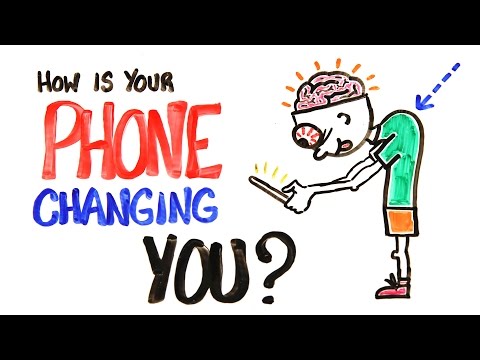
How Is Your Phone Changing You?
0
Angela Yeh posted on 2025/07/11Ever wonder how your phone is secretly changing your life? This video dives into fascinating science, exploring everything from rising myopia to digital addiction, and even offers practical productivity tips! You'll pick up some advanced vocabulary related to smartphone health and learn about complex sentence structures along the way.
Learn this video on the APP!
The VoiceTube App has more in-depth practice for videos!