
absorb
US /əbˈsɔrb, -ˈzɔrb/
UK /əb'sɔ:b/
- Transitive Verb
- To take up all attention / energy of something
- To take in a liquid; soak up
B1TOEICMoreabuse
US /əˈbjuz/
UK /ə'bju:s/
- Transitive Verb
- To mistreat or be cruel towards someone
- To use in an inappropriate or excessive way
- Noun (Countable/Uncountable)
- Improper/dishonest/excessive use of something
- Insulting someone, e.g. by swearing at them
A2TOEICMoreas such
US /æz sʌtʃ/
UK /æz sʌtʃ/
- Pronoun
- Something previously stated or understood
A1Moreassociate
US /əˈsoʊʃiˌeɪt/
UK /ə'səʊʃɪeɪt/
- Countable Noun
- Partner in professional work, e.g. in law
- Verb (Transitive/Intransitive)
- To spend time with other people; mix with
- To form a connection in your mind between things
B1TOEICMoreat the hands of
US
UK
- Phrase
- By the agency or through the actions of.
- Through the responsibility or fault of.
A1Moreawful
US /ˈɔfəl/
UK /ˈɔ:fl/
- Adjective
- Very bad; horrible; terrible
A2Moreawkward
US /ˈɔkwəd/
UK /ˈɔ:kwəd/
- Adjective
- Lacking smooth movement
- Causing embarrassment or trouble
B1Morecharacter
US /ˈkærəktɚ/
UK /'kærəktə(r)/
- Noun
- Person in a story, movie or play
- Writing symbols, e.g. alphabet or Chinese writing
A2Morechildhood
US /ˈtʃaɪldˌhʊd/
UK /ˈtʃaɪldhʊd/
- Uncountable Noun
- The time when you are a child
B1Morecuddly
US /ˈkʌdli/
UK /ˈkʌdli/
- Adjective
- That makes you want to bug them; plump or friendly
B2Moredeviate
US /ˈdiviˌet/
UK /ˈdi:vieɪt/
- Intransitive Verb
- To do something unusual or different; depart from
- To differ or diverge in opinion, belief, or character
- Adjective
- Departing from usual or accepted standards; atypical
B1Moredown with
US /daʊn wɪð/
UK /daun wið/
- Adjective
- Suffering from an illness.
- Agreeable to; in favor of.
- Interjection
- An expression of opposition to something.
A1Moreemotional
US /ɪˈmoʃənəl/
UK /ɪˈməʊʃənl/
- Adjective
- Causing, feeling, or appealing to the emotions
- Relating to or characterized by emotion
A2Morefamiliar
US /fəˈmɪljɚ/
UK /fəˈmɪliə(r)/
- Adjective
- Well-known or easily recognized
- Having a good knowledge of something.
- Noun
- A close friend or associate.
- (In folklore) a spirit, often in animal form, believed to attend and serve a witch.
A2TOEICMorefamiliarity
US /fəˌmɪlˈjærɪti, -ˌmɪliˈær-/
UK /fəˌmɪliˈærəti/
- Uncountable Noun
- Manner of talking or behaving
- Close acquaintance with or knowledge of something.
B1Morefancy
US /ˈfænsi/
UK /'fænsɪ/
- Verb (Transitive/Intransitive)
- To want to have or do something; feel like
- To imagine or suppose that something will happen
- Adjective
- Unusual and attractive in design
A2TOEICMorefeel right
US
UK
- Intransitive Verb
- To seem correct or appropriate; to give a sense of being morally or ethically sound.
A1Morefirsthand
US /'fɜ:st'hænd/
UK /'fɜ:st'hænd/
- Adjective
- Received directly from a source
C1Morefor example
US
UK
- Phrase
- As an illustration or instance.
have to
US /hæv tu/
UK /ˈhæv tə/
- Auxiliary Verb
- Must do
A1Morehavoc
US /'hævək/
UK /ˈhævək/
- Uncountable Noun
- Situation with destruction, damage and confusion
B2Morehumiliate
US /hjuˈmɪliˌet/
UK /hju:ˈmɪlieɪt/
- Transitive Verb
- To cause to lose pride, self-respect, or dignity
B2TOEICMorehumiliating
US /hju:'mɪlɪeɪtɪŋ/
UK /hju:'mɪlɪeɪtɪŋ/
- Adjective
- Causing you to feel a loss of self-respect
- Transitive Verb
- To cause to lose pride, self-respect, or dignity
B2Morein different ways
US
UK
- Phrase
- Using various methods or approaches; with variety.
- In varying manners or styles; not uniformly.
A1Morein fact
US /ɪn fækt/
UK /in fækt/
- Adverb
- Used to emphasize the truth of a statement, especially one that contrasts with or contradicts something else.
- Used to introduce a more detailed or surprising piece of information.
- Phrase
- Used to emphasize the truth of a statement, especially one that is surprising or contrary to what might be expected.
C1Morein love with
US //ɪn lʌv wɪð//
UK
- Adjective
- Feeling romantic love for someone.
- Extremely enthusiastic about or fond of something.
A1Morein turn
US
UK
- Adverb
- One after the other in a sequence or rotation.
A1Morein ways
US
UK
- Phrase
- In a manner or by methods that.
- In certain respects or aspects.
A1Moreinvestigation
US /ɪnˌvɛstɪˈɡeʃən/
UK /ɪnˌvestɪ'ɡeɪʃn/
- Noun (Countable/Uncountable)
- Search for information about something
B1Morekeen
US /kin/
UK /ki:n/
- Adjective
- Being eager or excited for something to happen
- Liking something; wanting to do or have; desiring
- Intransitive Verb
- To make a loud sad cry, as because someone died
B1TOEICMoreliberate
US /ˈlɪbəˌret/
UK /'lɪbəreɪt/
- Transitive Verb
- To free someone or something that was captured
B2Morelook for
US /lʊk fɔr/
UK /luk fɔ:/
- Phrasal Verb
- To try to find a thing or person that is lost
- To expect or anticipate something.
A1Morenecessarily
US /ˌnɛsɪˈsɛrəli, -ˈsɛr-/
UK /ˌnesəˈserəli/
- Adverb
- In a way that is needed/required/is unavoidable
A2TOEICMorenumber of people
US /ˈnʌmbɚ ʌv ˈpipəl/
UK /ˈnʌmbə ɔv ˈpi:pl/
- Phrase
- The total count of individuals within a group or gathering.
- A statistical figure representing the population size or a subset thereof.
A1Moreon earth
US /ɑn ɚθ/
UK /ɔn ə:θ/
- Phrase
- Used to emphasize a question expressing surprise or anger.
- Used to emphasize that something is not possible or will not happen.
A1Morepotential
US /pəˈtɛnʃəl/
UK /pəˈtenʃl/
- Adjective
- Capable of happening or becoming reality
- Having or showing the capacity to develop into something in the future.
- Uncountable Noun
- someone's or something's ability to develop, achieve, or succeed
A2TOEICMoreprimitive
US /ˈprɪmɪtɪv/
UK /ˈprɪmətɪv/
- Adjective
- Lacking a written language and advanced technology
- Being rough and underdeveloped
- Noun (Countable/Uncountable)
- Self-taught artist; the art done in this style
- Offensive people considered lacking a culture
B1Moreproperly
US /ˈprɑːpərli/
UK /ˈprɔpəlɪ/
- Adverb
- In an appropriate or correct manner
- In a way that is suitable or appropriate.
A2Morepsychological
US /ˌsaɪkəˈlɑdʒɪkəl/
UK /ˌsaɪkəˈlɒdʒɪkl/
- Adjective
- Concerning the study of the mind
- Relating to or involving the use of propaganda, threats, or other psychological techniques to subdue an opponent.
A2Morepunitive
US /ˈpjunɪtɪv/
UK /ˈpju:nətɪv/
- Adjective
- Intended to punish; severe; harsh
B2TOEICMoreput off
US /pʊt ɔf/
UK /put ɔf/
- Phrasal Verb
- To take off, e.g. clothing
- To delay until a later date
A1Morerelationship
US /rɪˈleʃənˌʃɪp/
UK /rɪˈleɪʃnʃɪp/
- Noun (Countable/Uncountable)
- Connection between two or more people or things
- Way people interact or live with each other
A2TOEICMoresarcastic
US /sɑrˈkæstɪk/
UK /sɑ:ˈkæstɪk/
- Adjective
- Being rude and critical
C1Moresettle
US /ˈsɛtl/
UK /'setl/
- Transitive Verb
- To make (a child, etc.) feel calm/ready for sleep
- To complete or finalize e.g. a contract or debt
- Intransitive Verb
- To become accustomed to a new environment
- (Of liquids) to move to the bottom of a container
A2Moresettle down
US /ˈsɛtl daʊn/
UK /ˈsetl daun/
- Phrasal Verb
- To become calm and relaxed after not being so
- To begin living in a stable and ordinary way
A2Moresuffer
US / ˈsʌfɚ/
UK /'sʌfə(r)/
- Verb (Transitive/Intransitive)
- To experience pain, illness, or injury
- To allow or permit something, especially something unpleasant.
A2Moresuffer from
US /ˈsʌfɚ frʌm/
UK /ˈsʌfə frɔm/
- Intransitive Verb
- To experience pain or distress; to be badly affected by.
A1Moretease
US /tiz/
UK /ti:z/
- Transitive Verb
- To purposefully bother an animal
- To playfully embarrass or make fun of
- Noun
- Something said or done as a joke
B1Moretease out
US
UK
- Phrasal Verb
- To extract or obtain something with persistent effort, especially information.
- To gently separate or disentangle fibers or strands.
A1Moretend
US /tɛnd/
UK /tend/
- Intransitive Verb
- To move or act in a certain manner
- Transitive Verb
- To take care of
A2Moretenderness
US /ˈtɛndɚnɪs/
UK /'tendənɪs/
- Uncountable Noun
- Pain that is felt (as when the area is touched)
B2Moreuncomfortable
US /ʌnˈkʌmfətəbəl, -ˈkʌmftə-/
UK /ʌnˈkʌmftəbl/
- Adjective
- Not being relaxed; worried about something
- Causing or feeling slight pain or physical unease.
B1Moreunconsciously
US /ʌnˈkɑnʃəslɪ/
UK /ʌnˈkɒnʃəsli/
- Adverb
- Without thinking; not deliberately
- Without intending to; involuntarily.
B1Moreunfamiliar
US /ˌʌnfəˈmɪljɚ/
UK /ˌʌnfəˈmɪliə(r)/
- Adjective
- Unusual; strange or unknown
B1Moreused to
US /juzd tu/
UK /ˈju:st tə/
- Adjective
- Did regularly before, but don't do now
- Auxiliary Verb
- Have done before, but do not do now
A1Morevariety
US /vəˈraɪɪti/
UK /və'raɪətɪ/
- Noun
- Particular type of thing or person
- The quality or state of being different or diverse; the absence of uniformity, sameness, or monotony.
A2TOEICMorevulnerable
US /ˈvʌlnərəbəl/
UK /ˈvʌlnərəbl/
- Adjective
- Being open to attack or damage
- Being easily harmed, hurt, or wounded
B1Moreweirdly
US /wɪrdlɪ/
UK /wɪədlɪ/
- Adverb
- In an odd or strange way
B1More
Vocabulary
- in love with: Feeling romantic love for someone.
- for example: As an illustration or instance.
- at the hands of: By the agency or through the actions of.
- used to: Did regularly before, but don't do now
- in fact: Used to emphasize the truth of a statement, especially one that contrasts with or contradicts something else.
- down with: Suffering from an illness.
- on earth: Used to emphasize a question expressing surprise or anger.
- settle down: To become calm and relaxed after not being so
- look for: To try to find a thing or person that is lost
- feel right: To seem correct or appropriate; to give a sense of being morally or ethically sound.
- as such: Something previously stated or understood
- in turn: One after the other in a sequence or rotation.
- tease out: To extract or obtain something with persistent effort, especially information.
- have to: Must do
- suffer from: To experience pain or distress; to be badly affected by.
- in ways: In a manner or by methods that.
- put off: To take off, e.g. clothing
- number of people: The total count of individuals within a group or gathering.
- in different ways: Using various methods or approaches; with variety.
- awkward: Lacking smooth movement
- vulnerable: Being open to attack or damage
- potential: Capable of happening or becoming reality
- properly: In an appropriate or correct manner
- experience: Thing a person has done or that happened to them
- associate: Partner in professional work, e.g. in law
- tend: To move or act in a certain manner
- character: Person in a story, movie or play
- psychological: Concerning the study of the mind
- necessarily: In a way that is needed/required/is unavoidable
- develop: To explain something in steps and in detail
- familiar: Well-known or easily recognized
- variety: Particular type of thing or person
- fancy: To want to have or do something; feel like
- fear: Unpleasant feeling caused by being aware of danger
- awful: Very bad; horrible; terrible
- emotional: Causing, feeling, or appealing to the emotions
- imagine: To think creatively about; form mental picture of
- relationship: Connection between two or more people or things
- sarcastic: Being rude and critical
- absorb: To take up all attention / energy of something
- keen: Being eager or excited for something to happen
- abuse: To mistreat or be cruel towards someone
- clever: Funny in a way that shows intelligence
- suffer: To experience pain, illness, or injury
- draw: To attract attention to someone or something
- primitive: Lacking a written language and advanced technology
- settle: To make (a child, etc.) feel calm/ready for sleep
- havoc: Situation with destruction, damage and confusion
- deviate: To do something unusual or different; depart from
- fall: Season after summer and before winter; Autumn
- tease: To purposefully bother an animal
- strange: Unusual or odd; surprising because unexpected
- unconsciously: Without thinking; not deliberately
- lot: What happens to a person in life from chance; fate
- humiliating: Causing you to feel a loss of self-respect
- investigation: Search for information about something
- kind: In a caring and helpful manner
- learn: To get knowledge or skills by study or experience
- control: A device designed to operate a machine
- tenderness: Pain that is felt (as when the area is touched)
- humiliate: To cause to lose pride, self-respect, or dignity
- wrong: Action that is harmful, unjust or illegal
- head: To hit a ball with your head in a game
- cuddly: That makes you want to bug them; plump or friendly
- find: To become aware of something that is happening
- familiarity: Manner of talking or behaving
- punitive: Intended to punish; severe; harsh
- liberate: To free someone or something that was captured
- childhood: The time when you are a child
- firsthand: Received directly from a source
- uncomfortable: Not being relaxed; worried about something
- unfamiliar: Unusual; strange or unknown
- weirdly: In an odd or strange way
Get the full experience in the app
Learn anywhere with detailed sentence and usage analysis
01:03
She took a brave step forward, leaving behind her comfort zone to chase her dreams.
Vocabulary
- brave
adj. Having courage
- comfort zone
phr. A familiar situation where one feels safe
Explanation
a brave step is a noun phrase, where brave is an adjective modifying the noun step, meaning "a courageous step".
forward is an adverb modifying step, meaning "ahead".
The whole phrase serves as the object, answering the "what" of took (verb) — she took a brave step forward.
Get the full experience in the app
Look up words anytime with pronunciation, part of speech, and usage
brave
US/brev/
UK/breɪv/
adj.Brave
v.t.To bravely face
A2 Elementary
Get the full experience in the app
Practice speaking anytime and get instant pronunciation feedback
Try this speaking exercise.
Try practicing with this sentence.
80
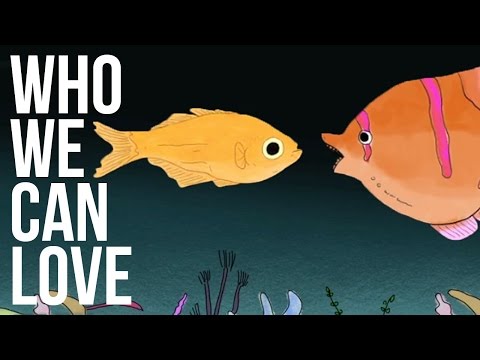
Who We Can Love
0
Coco Hsu posted on 2022/07/04Ever wonder why you're drawn to certain types of people, even if they aren't good for you? This video dives into how childhood experiences shape our relationship patterns and offers insights into emotional healing. You'll pick up practical knowledge and complex sentence structures to better understand yourself and your connections!
Learn this video on the APP!
The VoiceTube App has more in-depth practice for videos!