punitive
US /ˈpjunɪtɪv/
・UK /ˈpju:nətɪv/
B2TOEIC
adj.AdjectiveIntended to punish; severe; harsh
There is little denying that the authorities wavered over the degree of punitive action to take against the rioters
Video subtitles
How Medicaid Actually Works—And How Trump Can Cut Funding | WSJ

- This is not intended to be a punitive measure.
This is not intended to be a punitive measure.
- This is not intended to be a punitive measure.
This is not intended to be a punitive measure.
Before You Get Back With Your Ex — Watch THIS

- News that two people who had a harrowing break-up are now trying to get back together again a few months or years down the line tends, among sensible people, to raise at the very least suspicion, if not outright irritation and despair. Why are these two cursed lovers heading back to the old chaos and drama? Isn't this just a fantasy sprung from naivety, loneliness and most probably short-term lust? Shouldn't they keep faith with their original choice, double down on the highs and lows of dating and perhaps each buy a dog? And yet, to deny ex-couples any legitimate chance to revisit their situation also feels excessively punitive and in its way naïve, insisting blindly that people can never change, that psychotherapy and introspection, books and conversations, time and long walks have nothing whatsoever to teach us, is as foolish as to assume that change can come readily and lightly. For every misguided attempt to resume a relationship, there must be a proportion of equally misguided refusals to countenance a new start, born not out of wisdom so much as pre-emptive fear and disbelief that people are, occasionally, able to learn a new thing or two. We need to make progress a tool with which to strip the matter of sentiment and rationally distinguish mature from sentimental plans. What follows is a sequence of questions, amounting to a kind of examination, that exes who are meeting up again after a long break should discuss with one another – and as importantly, with themselves – before coming anywhere near to holding hands, let alone – and here we must be very definitive – going to bed.
News that two people who had a harrowing break-up are now trying to get back together again a few months or years down the line tends, among sensible people, to raise at the very least suspicion, if not outright irritation and despair. Why are these two cursed lovers heading back to the old chaos and drama? Isn't this just a fantasy sprung from naivety, loneliness and most probably short-term lust? Shouldn't they keep faith with their original choice, double down on the highs and lows of dating and perhaps each buy a dog? And yet, to deny ex-couples any legitimate chance to revisit their situation also feels excessively punitive and in its way naïve, insisting blindly that people can never change, that psychotherapy and introspection, books and conversations, time and long walks have nothing whatsoever to teach us, is as foolish as to assume that change can come readily and lightly. For every misguided attempt to resume a relationship, there must be a proportion of equally misguided refusals to countenance a new start, born not out of wisdom so much as pre-emptive fear and disbelief that people are, occasionally, able to learn a new thing or two. We need to make progress a tool with which to strip the matter of sentiment and rationally distinguish mature from sentimental plans. What follows is a sequence of questions, amounting to a kind of examination, that exes who are meeting up again after a long break should discuss with one another – and as importantly, with themselves – before coming anywhere near to holding hands, let alone – and here we must be very definitive – going to bed.
- And yet, to deny ex-couples any legitimate chance to revisit their situation also feels excessively punitive and in its way naïve.
And yet, to deny ex-couples any legitimate chance to revisit their situation also feels excessively punitive and in its way naïve.
Adam Ruins Everything - Most Controversial Ruins (Mashup) | truTV

- This is James Foreman Jr., Pulitzer Prize winner and author of the book "Locking Up Our Own." There's a connection between the overly punitive gun sentencing laws that were passed in the 1970s, 1980s, and
This is James Foreman Jr., Pulitzer Prize winner and author of the book "Locking Up Our Own." There's a connection between the overly punitive gun sentencing laws that were passed in the 1970s, 1980s, and
- There's a connection between the overly punitive
There's a connection between the overly punitive
'The coast is still not clear' despite 90-day tariff pause, says Moody's chief economist
- All this does is postpone temporarily what will likely be a series of punitive import taxes put on U.S.
All this does is postpone temporarily what will likely be a series of punitive import taxes put on U.S.
- All this does is postpone temporarily what will likely be a series of punitive import taxes put on US trade allies.
All this does is postpone temporarily what will likely be a series of punitive import taxes put on US trade allies.
Conspiracy of the World History.

- Their "invasions" were punitive operations against the regions that attempted tax evasion.
Their "invasions" were punitive operations against the regions that attempted tax evasion.
- The hordes were actually professional armies with a tradition of lifelong inscription, the recruitment being the so-called "blood tax." Their invasions were punitive operations against the regions that attempted tax evasion.
The hordes were actually professional armies with a tradition of lifelong inscription, the recruitment being the so-called "blood tax." Their invasions were punitive operations against the regions that attempted tax evasion.
Trump announces 90-day pause on new tariffs and raises China tariffs | BBC News

- They think there's time in that time to do some deals, so it won't be so punitive.
They think there's time in that time to do some deals, so it won't be so punitive.
- There will be a 90-day pause, and as I say, the markets are taking a huge sigh of relief from that, they think there's time in that time to do some deals so they won't be so punitive.
There will be a 90-day pause, and as I say, the markets are taking a huge sigh of relief from that, they think there's time in that time to do some deals so they won't be so punitive.
Table Manners for Children : Tips on Table Manners for Kids

- And, you know, teaching a child manners and going through the learning process shouldn't be a punitive process.
And, you know, teaching a child manners and going through the learning process shouldn't be a punitive process.
- going through the learning process shouldn't be a punitive process. They should be rewarded,
going through the learning process shouldn't be a punitive process. They should be rewarded,
How To Know Yourself
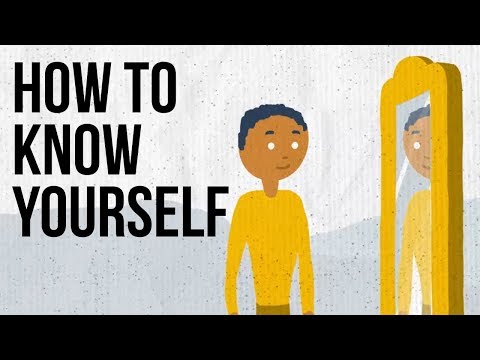
- Or, the parent might only lend the child a very harsh, punitive way of interpreting itself, repeatedly suggesting that the child is ill-intentioned or no good.
Or, the parent might only lend the child a very harsh, punitive way of interpreting itself, repeatedly suggesting that the child is ill-intentioned or no good.
- to connect with their own emotions. Or the parent might only lend the child a very punitive
to connect with their own emotions. Or the parent might only lend the child a very punitive
Why The Rich Care Less (with Daniel Goleman)
- But I think what seems at least distinct to me and I am a younger guy, I guess, but it seems like this kind of formalization in Washington and in certain strains of politics of saying, "Really, greed is good," or, "We don't care about," or, "Poor people should be punished," or, "We should cut food stamps," really just in this kind of punitive and nasty way.
But I think what seems at least distinct to me and I am a younger guy, I guess, but it seems like this kind of formalization in Washington and in certain strains of politics of saying, "Really, greed is good," or, "We don't care about," or, "Poor people should be punished," or, "We should cut food stamps," really just in this kind of punitive and nasty way.
- we should cut food stamps really you know just in this kind of punitive
we should cut food stamps really you know just in this kind of punitive
Do You Support The Death Penalty? Public Opinion POLL Released

- and I think it kind of goes back to the idea of punitive consequences for a crime like murder.
and I think it kind of goes back to the idea of punitive consequences for a crime like murder.
- the idea punitive consequences for
the idea punitive consequences for