
abstract
US /ˈæbˌstrækt/
UK /'æbstrækt/
- Noun (Countable/Uncountable)
- Passage of text from an article or book
- Something that doesn't exist physically
- Adjective
- Concerning something that doesn't exist physically
- Relating to abstract art.
B1Moreadrenaline
US /əˈdrɛnəlɪn/
UK /ə'drenəlɪn/
- Noun (Countable/Uncountable)
- Chemical in the body that responds to stress, fear
- The intense excitement and energy felt when in a dangerous or exciting situation.
C1Moreappetite
US /ˈæpɪˌtaɪt/
UK /'æpɪtaɪt/
- Noun
- Feeling of hunger or desire for something
B1Morearound the world
US /əˈraʊnd ði wɜrld/
UK /əˈraund ðə wɜː(r)ld/
- Phrase
- In or to many countries.
- In various places throughout the world.
A2Moreat least
US /æt list/
UK /æt li:st/
- Adverb
- As a minimum
- Not less than
- Phrase
- No less than; at the minimum
- Used to indicate that something is positive in a bad situation.
C2Moreauthoritative
US /əˈθɔ:rəteɪtɪv/
UK /ɔ:ˈθɒrətətɪv/
- Adjective
- Being or from a knowledgeable or reliable source
B2Morebear
US /bɛr/
UK /bɛː/
- Transitive Verb
- To accept (responsibilities or duties)
- To give birth to a child; to produce fruit
- Countable Noun
- Large brown animal with fur that lives in forests
- Someone who expects stock market to fall
A2Morebeat
US /bit/
UK /bi:t/
- Intransitive Verb
- To move in regular motions in order to push blood
- Transitive Verb
- To strike or hit repeatedly and with great force
- To mix ingredients together with a fork or machine
A2Morebehind the scenes
US
UK
- Phrase
- Secretly or without being known to the public.
- In a position to influence events without any public knowledge.
A1Morebeneficial
US /ˌbɛnəˈfɪʃəl/
UK /ˌbenɪˈfɪʃl/
- Adjective
- Giving an advantage, having a helpful effect
- Promoting or contributing to physical or mental well-being.
B1TOEICMorebloodstream
US /ˈblʌdˌstrim/
UK /ˈblʌdstri:m/
- Uncountable Noun
- Blood flowing through the circulatory system
C2Morecheck out
US /tʃɛk aʊt/
UK /tʃek aut/
- Phrase
- Phrasal Verb
- To find out information about something
- To take books out of a library
A1Morechemical
US /ˈkɛmɪkəl/
UK /ˈkemɪkl/
- Noun (Countable/Uncountable)
- Basic substance produced by mixing elements
- The branch of science concerned with the substances of which matter is composed, the investigation of their properties and reactions, and the use of such reactions to form new substances.
- Adjective
- Made of various elements
A2Morechemistry
US /ˈkɛmɪstri/
UK /'kemɪstrɪ/
- Uncountable Noun
- The study of the structure of substances
B1Moredesire
US / dɪˈzaɪr/
UK /dɪ'zaɪə(r)/
- Transitive Verb
- To wish for, hope or want something
- Noun (Countable/Uncountable)
- Thing that is wished for or wanted
- A strong feeling of sexual wanting.
A2Moredwindle
US /ˈdwɪndl/
UK /'dwɪndl/
- Intransitive Verb
- To make or become less or smaller gradually
B2Moreelevate
US /ˈɛləˌvet/
UK /ˈelɪveɪt/
- Transitive Verb
- To make something higher
- To raise something in status, importance, feeling
B2Moreevolve
US /ɪˈvɑlv/
UK /ɪ'vɒlv/
- Verb (Transitive/Intransitive)
- To develop certain features
- To develop or change slowly over time
B1Moreexercise
US /ˈɛksɚˌsaɪz/
UK /'eksəsaɪz/
- Verb (Transitive/Intransitive)
- To work out to become stronger and healthier
- To retain your ability or practice your skills
- Noun (Countable/Uncountable)
- Physical activity to increase health and strength
- Set of questions in a text book
A2Moreexposition
US /ˌɛkspəˈzɪʃən/
UK /ˌekspəˈzɪʃn/
- Noun (Countable/Uncountable)
- Public event to display different products
- Uncountable Noun
- Act of giving a detailed and clear explanation
B2Moreextra
US /'ekstrə/
UK /'ekstrə/
- Adjective
- More than necessary; additional
- Of especially good quality or grade.
- Noun (Countable/Uncountable)
- Items more than you need; additional items
- Person who has a small part in a movie
A2Morefirsthand
US /'fɜ:st'hænd/
UK /'fɜ:st'hænd/
- Adjective
- Received directly from a source
C1Morefor too long
US
UK
- Phrase
- For an excessively extended period.
A1Morefragile
US /ˈfrædʒəl, -ˌaɪl/
UK /'frædʒaɪl/
- Adjective
- Easily affected, broken, or harmed
- Weak or delicate; easily damaged in health
B2TOEICMoregear
US /ɡɪr/
UK /ɡɪə(r)/
- Verb (Transitive/Intransitive)
- To aim at or prepare yourself for something
- Noun (Countable/Uncountable)
- A speed selector connected to an engine
- Special clothes you use for a purpose
B1Moreglucose
US /ˈɡluˌkos/
UK /'ɡlu:kəʊs/
- Uncountable Noun
- Natural type of sugar found in fruits and plants
- The concentration of glucose in the blood, often measured to monitor metabolic health.
C1Morego away
US /ɡo əˈwe/
UK /ɡəu əˈwei/
- Phrasal Verb
- To go on vacation
- To leave; depart.
A1Moregrizzly
US /'grɪzlɪ/
UK /'grɪzlɪ/
- Adjective
- Grayish
C1Morehave to
US /hæv tu/
UK /ˈhæv tə/
- Auxiliary Verb
- Must do
A1Moreheal
US /hi:l/
UK /hi:l/
- Verb (Transitive/Intransitive)
- To recover from or forget a bad experience
- To make or become healthy or well again
B1Morehormone
US /ˈhɔrˌmon/
UK /'hɔ:məʊn/
- Noun
- Chemical produced by the body to control functions
B2Moreimmune
US /ɪˈmjoon/
UK /ɪˈmju:n/
- Adjective
- Having a special protection from, e.g. the law
- Protected against a particular disease or condition because of antibodies or vaccination.
B1Morelead to
US /lid tu/
UK /li:d tu:/
- Phrasal Verb
- To result in some action
- Verb (Transitive/Intransitive)
- To have something as a consequence or result.
A1Moreliver
US /ˈlɪvɚ/
UK /ˈlɪvə(r)/
- Noun (Countable/Uncountable)
- Organ from animals served as food
- Organ that absorbs food and cleans the blood
B1Moremaintain
US /menˈten/
UK /meɪn'teɪn/
- Transitive Verb
- To keep saying something a certain way
- To keep (machine) working by checking, repairing
A2TOEICMoreoverdue
US /ˌoʊvərˈdu:/
UK /ˌəʊvəˈdju:/
- Adjective
- Past the date you should do something
B2Moreplot
US /plɑt/
UK /plɒt/
- Countable Noun
- Small piece of land for a house growing crops etc.
- Series of events that form the main story
- Transitive Verb
- To mark a path, etc. on a map, using lines or dots
- To devise or develop a dramatic storyline
B1Morerash
US /ræʃ/
UK /ræʃ/
- Adjective
- Without much thought; done or acting too quickly
- Noun
- Series of many negative events in a short time
- Skin condition of raised red spots
B2Morereduce
US /rɪˈdus, -ˈdjus/
UK /rɪ'dju:s/
- Verb (Transitive/Intransitive)
- To try to decrease, e.g. your weight if overweight
- To boil a liquid until it has decreased in amount
A2TOEICMorerelease
US /rɪ'li:s/
UK /rɪ'li:s/
- Transitive Verb
- To free someone from a responsibility or burden
- To allow a film, music etc. to be sold/distributed
- Noun
- Act of freeing someone from a duty or burden
- Introduction of a new product, film, book, etc.
A2TOEICMorerespond
US /rɪˈspɑnd/
UK /rɪ'spɒnd/
- Verb (Transitive/Intransitive)
- To answer something or someone
- To have a good reaction to e.g. medical treatment
A2TOEICMoreresponse
US /rɪˈspɑns/
UK /riˈspɔns/
- Noun
- Something said/written as an answer to something
- Reaction to something that has occurred
A2TOEICMorerestore
US /rɪˈstɔr, -ˈstor/
UK /rɪˈstɔ:(r)/
- Transitive Verb
- To return a thing to its original condition
B1Moreshark
US /ʃɑ:rk/
UK /ʃɑ:k/
- Noun
- Person who lends money at unfair rates of interest
- Large and dangerous fish with sharp teeth
B2Moresociety
US /səˈsaɪɪti/
UK /sə'saɪətɪ/
- Noun (Countable/Uncountable)
- A group who meet to share values or interests
- Group of people living together
A2TOEICMorestare
US /stɛr/
UK /steə(r)/
- Verb (Transitive/Intransitive)
- To look at someone or something for a long time
- Noun
- A long look at something or someone for a reason
A2Morestress
US / strɛs/
UK /stres/
- Transitive Verb
- To emphasize one or more parts of a word, sentence
- To put pressure on something or someone
- Noun (Countable/Uncountable)
- Emphasis on part of a word or sentence
- Pressure on something or someone
A2TOEICMorestress out
US /strɛs aʊt/
UK /stres aut/
- Phrasal Verb
- To become anxious, worried, or tense.
- To cause someone to feel anxious, worried, or tense.
B1Moresubscribe
US /səbˈskraɪb/
UK /səb'skraɪb/
- Verb (Transitive/Intransitive)
- To regularly pay to receive a service
B1TOEICMoresustain
US /səˈsten/
UK /sə'steɪn/
- Transitive Verb
- To lengthen or continue to do something
- To support or maintain someone or something
B2TOEICMoreswell
US /swɛl/
UK /swel/
- Intransitive Verb
- To feel overcome due to a strong emotion
- To increase in size or number larger than normal
- Uncountable Noun
- Being overcome from feeling a strong emotion
- Act of growing in size or increasing in number
B1Moretense
US /tɛns/
UK /tens/
- Noun
- The use of grammar to state the time things happen
- Adjective
- Unable to relax; feeling nervous or stressed
- Stretched tight and stiff
A2TOEICMorethanks to
US /θæŋks tu/
UK /θæŋks tu:/
- Preposition
- Because of; as a result of.
A1Morevital
US /'vaɪtl/
UK /'vaɪtl/
- Adjective
- Needed to support life; essential
- Full of life; energetic
B1TOEICMoreweird
US /wɪrd/
UK /wɪəd/
- Adjective
- Odd or unusual; surprising; strange
- Eerily strange or disturbing.
B1More
Vocabulary
- lead to: To result in some action
- for too long: For an excessively extended period.
- go away: To go on vacation
- stress out: To become anxious, worried, or tense.
- at least: As a minimum
- have to: Must do
- thanks to: Because of; as a result of.
- check out
- around the world: In or to many countries.
- behind the scenes: Secretly or without being known to the public.
- weird: Odd or unusual; surprising; strange
- subscribe: To regularly pay to receive a service
- immune: Having a special protection from, e.g. the law
- vital: Needed to support life; essential
- adrenaline: Chemical in the body that responds to stress, fear
- fragile: Easily affected, broken, or harmed
- evolve: To develop certain features
- appetite: Feeling of hunger or desire for something
- stress: To emphasize one or more parts of a word, sentence
- hormone: Chemical produced by the body to control functions
- abstract: Passage of text from an article or book
- stare: To look at someone or something for a long time
- desire: To wish for, hope or want something
- exercise: To work out to become stronger and healthier
- brain: To strike someone forcefully on the head
- mean: Average of a set of numbers
- maintain: To keep saying something a certain way
- gear: To aim at or prepare yourself for something
- tense: The use of grammar to state the time things happen
- sustain: To lengthen or continue to do something
- society: A group who meet to share values or interests
- glucose: Natural type of sugar found in fruits and plants
- response: Something said/written as an answer to something
- plot: Small piece of land for a house growing crops etc.
- form: Sports team or person's current winning record
- release: To free someone from a responsibility or burden
- extra: More than necessary; additional
- effect: An advantage, benefit
- apply: To spread a substance or liquid over a surface
- cortisol: Adrenal-cortex hormone (trade names Hydrocortone or Cortef) that is active in carbohydrate and protein metabolism
- beat: To move in regular motions in order to push blood
- lead: Wire for electricity, computer, etc.; cable
- respond: To answer something or someone
- reduce: To try to decrease, e.g. your weight if overweight
- heal: To recover from or forget a bad experience
- swell: To feel overcome due to a strong emotion
- bear: To accept (responsibilities or duties)
- chemical: Basic substance produced by mixing elements
- beneficial: Giving an advantage, having a helpful effect
- bloodstream: Blood flowing through the circulatory system
- hit: To have a negative impact on a person/place/thing
- restore: To return a thing to its original condition
- order: Religious or social group, as of nuns
- control: A device designed to operate a machine
- chemistry: The study of the structure of substances
- dwindle: To make or become less or smaller gradually
- crash: To damage an object by causing it to hit something
- liver: Organ from animals served as food
- program: To make someone act or think in a certain way
- bring: To take or go with someone to a place
- grizzly: Grayish
- prepare: To make something ready for use
- future: Time that is to come after the present
- firsthand: Received directly from a source
- rash: Without much thought; done or acting too quickly
- elevate: To make something higher
- overdue: Past the date you should do something
- authoritative: Being or from a knowledgeable or reliable source
- shark: Person who lends money at unfair rates of interest
- exposition: Public event to display different products
Get the full experience in the app
Learn anywhere with detailed sentence and usage analysis
01:03
She took a brave step forward, leaving behind her comfort zone to chase her dreams.
Vocabulary
- brave
adj. Having courage
- comfort zone
phr. A familiar situation where one feels safe
Explanation
a brave step is a noun phrase, where brave is an adjective modifying the noun step, meaning "a courageous step".
forward is an adverb modifying step, meaning "ahead".
The whole phrase serves as the object, answering the "what" of took (verb) — she took a brave step forward.
Get the full experience in the app
Look up words anytime with pronunciation, part of speech, and usage
brave
US/brev/
UK/breɪv/
adj.Brave
v.t.To bravely face
A2 Elementary
Get the full experience in the app
Practice speaking anytime and get instant pronunciation feedback
Try this speaking exercise.
Try practicing with this sentence.
80
0
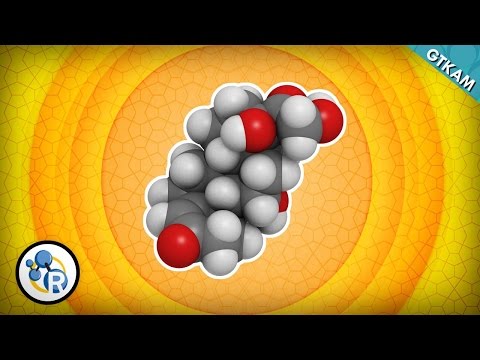
Jack posted on 2025/06/27Ever wonder why stress feels so overwhelming? This video dives into the science behind cortisol and how too much stress can impact your health, offering practical insights for wellness seekers. You'll pick up some advanced vocabulary related to stress physiology and learn daily tips to manage it better!
Learn this video on the APP!
The VoiceTube App has more in-depth practice for videos!