glucose
US /ˈɡluˌkos/
・UK /'ɡlu:kəʊs/
C1
n. (u.)Uncountable NounNatural type of sugar found in fruits and plants
Fruits and plants are one of the primary sources of glucose for the human body
n. (u.)Uncountable NounThe concentration of glucose in the blood, often measured to monitor metabolic health.
The doctor checked the patient's glucose levels to diagnose diabetes.
n. (u.)Uncountable NounA solution of glucose used in medicine for intravenous feeding or to treat hypoglycemia.
The patient was given an intravenous drip of glucose to raise their blood sugar.
Video subtitles
Why Smoking makes People look Old? | #aumsum
- In this process, the glucose, with the help of oxygen, is completely broken down to produce energy, water and carbon dioxide.
In this process, the glucose, with the help of oxygen, is completely broken down to produce energy, water and carbon dioxide.
- In this process, the glucose, with the help of oxygen, is completely broken down to produce energy, water, and
In this process, the glucose, with the help of oxygen, is completely broken down to produce energy, water, and
Green Coffee Bean - How Green Coffee Bean Works ?
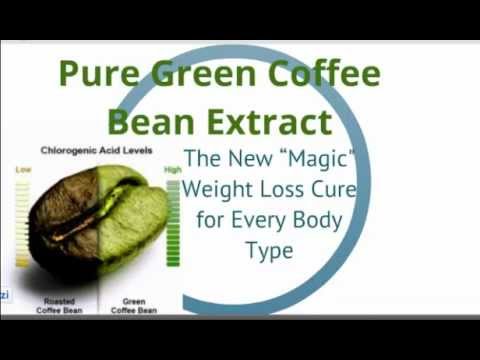
- They key ingredient in the green coffee bean is a very important natural active compound called chlorogenic acid. Chlorogenic acid works by inhibiting the release of glucose in the body, while at the same time boosting the metabolism
They key ingredient in the green coffee bean is a very important natural active compound called chlorogenic acid. Chlorogenic acid works by inhibiting the release of glucose in the body, while at the same time boosting the metabolism
- It works by inhibiting the release of glucose into the body while at the same time burning fat in the liver.
It works by inhibiting the release of glucose into the body while at the same time burning fat in the liver.
What If You Stopped Eating?
- Your body begins to break down glycogen, which stores energy in your body, into glucose which your cells use as fuel.
Your body begins to break down glycogen, which stores energy in your body, into glucose which your cells use as fuel.
- stores energy in your body - into glucose, which your cells use as fuel. Around 25% of
stores energy in your body - into glucose, which your cells use as fuel. Around 25% of
7 Signs You're Eating Too Much Sugar

- You have glucose, which is 100.
You have glucose, which is 100.
- You have glucose, which is 100, but there's starches like maltodextrin, which can go up to about 185.
You have glucose, which is 100, but there's starches like maltodextrin, which can go up to about 185.
Is sugar the new cigarettes? Why you may see new warning labels

- He also says, when you are looking at the labels that exist, recognize sucrose, glucose, corn syrup.
He also says, when you are looking at the labels that exist, recognize sucrose, glucose, corn syrup.
- He also says when you are looking at the labels that exist, recognize sucrose, glucose, corn syrup.
He also says when you are looking at the labels that exist, recognize sucrose, glucose, corn syrup.
Why women should FAST differently than men… | Exercise & Nutrition Scientist Dr Stacy Sims

- But for women, we look at the data and if we were to do a warrior fast, which is a 20 hour fast, four hour eating window for men, we see more parasympathetic drive. So they get that more focus. They have better blood glucose control. They get an acceleration of body fat loss. They become more metabolically flexible, meaning their body's able to transfer between carbohydrate and fat utilization for women doesn't happen that way for women who do a warrior fast. So that's 20 hour fasting and four hour eating window. They end up with less blood sugar control. We have higher resting blood glucose. We have more fat storage. We have more sympathetic drives. That means the body's under stress and you're not going to be able to sleep or recover well.
But for women, we look at the data and if we were to do a warrior fast, which is a 20 hour fast, four hour eating window for men, we see more parasympathetic drive. So they get that more focus. They have better blood glucose control. They get an acceleration of body fat loss. They become more metabolically flexible, meaning their body's able to transfer between carbohydrate and fat utilization for women doesn't happen that way for women who do a warrior fast. So that's 20 hour fasting and four hour eating window. They end up with less blood sugar control. We have higher resting blood glucose. We have more fat storage. We have more sympathetic drives. That means the body's under stress and you're not going to be able to sleep or recover well.
- Exercise is a stronger stimulus for autophagy than fasting. Because if we look at exercise in itself is a fasting state. What happens during exercise, you start exercising, your body is trying to provide fuel. So it's breaking down fat, it's breaking down glucose, it's breaking down amino acids. It's also creating in a recovery standpoint, a boost of growth hormone, a boost of testosterone in both men and women that creates the cell cleanup, which is autophagy, right?
Exercise is a stronger stimulus for autophagy than fasting. Because if we look at exercise in itself is a fasting state. What happens during exercise, you start exercising, your body is trying to provide fuel. So it's breaking down fat, it's breaking down glucose, it's breaking down amino acids. It's also creating in a recovery standpoint, a boost of growth hormone, a boost of testosterone in both men and women that creates the cell cleanup, which is autophagy, right?
What's Inside These 8 Unique Creatures?
- That means they stop using oxygen for energy and start using glucose instead, via a process called anaerobic respiration.
That means they stop using oxygen for energy and start using glucose instead, via a process called anaerobic respiration.
- That means they stop using oxygen for energy and start using glucose instead via a process called anaerobic respiration.
That means they stop using oxygen for energy and start using glucose instead via a process called anaerobic respiration.
When Your Body Attacks Itself – Autoimmune

- In Type 1 diabetes, your immune system kills the cells that produce your insulin in your pancreas, starving your cells of glucose and turning your blood into acid.
In Type 1 diabetes, your immune system kills the cells that produce your insulin in your pancreas, starving your cells of glucose and turning your blood into acid.
- In type 1 diabetes, your immune system kills the cells that produce your insulin in your pancreas, starving your cells of glucose and turning your blood into acid.
In type 1 diabetes, your immune system kills the cells that produce your insulin in your pancreas, starving your cells of glucose and turning your blood into acid.
Benefits of Hemp Seeds

- Again, we know the fiber, the protein, and the fat all slow glucose absorption.
Again, we know the fiber, the protein, and the fat all slow glucose absorption.
- glucose absorption. Again, this is great for people who need to pack on muscle. It's good
glucose absorption. Again, this is great for people who need to pack on muscle. It's good
The SIMPLE Way To Make Your Body KILL BELLY FAT! | Dr Jason Fung

- Well, mostly unprocessed foods. So things like beans. And if you're having, if you're eating whole grains, for example, compared to others, then it's going to have a reduction in the speed of absorption. So it's, again, not about the calories necessarily or even necessarily about the carbohydrates because you're still eating the same amount of carbohydrate, but you're slowing down the speed at which is absorbed, which is going to change the instructions that you give your body. If you have a massive spike in glucose, you get this massive dopamine surge, right? And your body's like, you'll love it. Then the next time you're like, okay, give me that refined carbohydrate. What about protein? Because we, we tend to think of protein as something that, you know, is super great for weight loss. Yeah. Protein is probably a sort of inter, it's not bad. I mean, the main thing is cutting down the carbohydrates, but, you know, in the obesity code, I really talk about cutting the processing down because proteins usually don't come as pure protein, right? In nature, you never find like, you know, how you have like whey powder protein or whatever you get. The only way you can do that is by processing the heck out of food to get some kind of pure protein. It doesn't exist in nature. Like it almost doesn't exist. And maybe there's a few examples, but when you eat meat, you think, okay, there's a lot of protein, but that's actually a lot of fat in there too, right? If you eat anything else that has protein, it's rarely all protein, you know, very lean meats like chicken breast and stuff are going to be higher in protein, but there's still a lot of other stuff in there. And it's very rare that somebody will eat just all pure a hundred percent protein. It tends to be hard to eat. Like the fat brings a lot of flavor and so on. So it's a bit of an unnatural way to eat. Sure. If you, if you're to eat a lot of protein, it does spike insulin. So it does have some effect to gain weight, but it's actually a very inefficient macronutrient. That is your, there's three macronutrients.
Well, mostly unprocessed foods. So things like beans. And if you're having, if you're eating whole grains, for example, compared to others, then it's going to have a reduction in the speed of absorption. So it's, again, not about the calories necessarily or even necessarily about the carbohydrates because you're still eating the same amount of carbohydrate, but you're slowing down the speed at which is absorbed, which is going to change the instructions that you give your body. If you have a massive spike in glucose, you get this massive dopamine surge, right? And your body's like, you'll love it. Then the next time you're like, okay, give me that refined carbohydrate. What about protein? Because we, we tend to think of protein as something that, you know, is super great for weight loss. Yeah. Protein is probably a sort of inter, it's not bad. I mean, the main thing is cutting down the carbohydrates, but, you know, in the obesity code, I really talk about cutting the processing down because proteins usually don't come as pure protein, right? In nature, you never find like, you know, how you have like whey powder protein or whatever you get. The only way you can do that is by processing the heck out of food to get some kind of pure protein. It doesn't exist in nature. Like it almost doesn't exist. And maybe there's a few examples, but when you eat meat, you think, okay, there's a lot of protein, but that's actually a lot of fat in there too, right? If you eat anything else that has protein, it's rarely all protein, you know, very lean meats like chicken breast and stuff are going to be higher in protein, but there's still a lot of other stuff in there. And it's very rare that somebody will eat just all pure a hundred percent protein. It tends to be hard to eat. Like the fat brings a lot of flavor and so on. So it's a bit of an unnatural way to eat. Sure. If you, if you're to eat a lot of protein, it does spike insulin. So it does have some effect to gain weight, but it's actually a very inefficient macronutrient. That is your, there's three macronutrients.
- There's carbohydrates, there's fat, and there's protein. Your body stores energy or calories in two ways. There's glucose, which is carbohydrate, and it stores it as body fat, which is fat, right? It doesn't, protein is not a way for the body to store energy. So when you're eating a lot of protein, it's very difficult for it to turn it into a storage mechanism. Like, you know, so you eat glucose and you eat fat, you can store glucose and you can store fat. You eat protein, but you don't really store it as a source of energy. So if all foods then increase our insulin levels, I guess the best solution is to fast. Fasting is certainly one way, but just changing the foods to, uh, otherwise, because if you look at the insulin, uh, release in processed foods versus unprocessed foods, there's a huge difference. So if you eat sort of, uh, highly refined foods like white bread, for example, then you're going to have a very different response in insulin compared to sort of, um, uh, a whole, a whole food. So, uh, unprocessed foods in general, your body knows how to handle, like we've been eating them for thousands of years. Um, but certainly anytime you eat, your insulin is going to go up. You're giving your body instructions to store energy. So the solution is to eat less often. What if you do a juice fast? Juice fast, of course, is not a real fast because you're taking a lot of sugars. What do you think of juice fasting? Um, I'm generally, I, I, I think it's less effective than regular fasting and it really depends on how much juice you take. If you take a lot of juice, you could easily get, you know, thousands of calories plus a lot of sugar. If you do it, you know, cucumber juice and stuff that's very low in sugar and kale juice, then it could be very, very healthy for you because there's vitamins and stuff there. So it all depends on how it's done. We have a closing tradition on this podcast where the last last guest leaves a question for the next guest without knowing who they're leaving it for. And the question that's been left for you is what is your greatest gift to the world? I think if, if, if, you know, I suppose it's sounds very arrogant. Um, but I really hope that my, my work helps people sort of sort of reverse the type two diabetes. Cause that is really sort of one of the most close things that I deal with because I deal with it professionally sort of every day.
There's carbohydrates, there's fat, and there's protein. Your body stores energy or calories in two ways. There's glucose, which is carbohydrate, and it stores it as body fat, which is fat, right? It doesn't, protein is not a way for the body to store energy. So when you're eating a lot of protein, it's very difficult for it to turn it into a storage mechanism. Like, you know, so you eat glucose and you eat fat, you can store glucose and you can store fat. You eat protein, but you don't really store it as a source of energy. So if all foods then increase our insulin levels, I guess the best solution is to fast. Fasting is certainly one way, but just changing the foods to, uh, otherwise, because if you look at the insulin, uh, release in processed foods versus unprocessed foods, there's a huge difference. So if you eat sort of, uh, highly refined foods like white bread, for example, then you're going to have a very different response in insulin compared to sort of, um, uh, a whole, a whole food. So, uh, unprocessed foods in general, your body knows how to handle, like we've been eating them for thousands of years. Um, but certainly anytime you eat, your insulin is going to go up. You're giving your body instructions to store energy. So the solution is to eat less often. What if you do a juice fast? Juice fast, of course, is not a real fast because you're taking a lot of sugars. What do you think of juice fasting? Um, I'm generally, I, I, I think it's less effective than regular fasting and it really depends on how much juice you take. If you take a lot of juice, you could easily get, you know, thousands of calories plus a lot of sugar. If you do it, you know, cucumber juice and stuff that's very low in sugar and kale juice, then it could be very, very healthy for you because there's vitamins and stuff there. So it all depends on how it's done. We have a closing tradition on this podcast where the last last guest leaves a question for the next guest without knowing who they're leaving it for. And the question that's been left for you is what is your greatest gift to the world? I think if, if, if, you know, I suppose it's sounds very arrogant. Um, but I really hope that my, my work helps people sort of sort of reverse the type two diabetes. Cause that is really sort of one of the most close things that I deal with because I deal with it professionally sort of every day.