
abundance
US /əˈbʌndəns/
UK /əˈbʌndəns/
- Uncountable Noun
- Quantity that is very large or more than enough
B2Moreaccount for
US /əˈkaʊnt fɔr/
UK /əˈkaunt fɔ:/
- Phrasal Verb
- To explain the cause or reason for something
- To form a particular amount or part of something.
- Verb (Transitive/Intransitive)
- To supply a reason or explanation for something.
- To form a particular amount or proportion of something.
A1Morealternative
US /ɔlˈtɚnətɪv, æl-/
UK /ɔ:lˈtɜ:nətɪv/
- Countable Noun
- Something different you can choose
- Adjective
- A different choice
A2TOEICMoreat least
US /æt list/
UK /æt li:st/
- Adverb
- As a minimum
- Not less than
- Phrase
- No less than; at the minimum
- Used to indicate that something is positive in a bad situation.
C2Morebee
US /bi/
UK /bi:/
- Noun
- Gathering to perform activities and tasks together
- Black and yellow insect that makes honey
B1Morebodily
US /ˈbɑdli/
UK /'bɒdɪlɪ/
- Adverb
- By moving the whole of something
- Physically, as when lifting someone
B1Morecare of
US /kɛr ʌv/
UK /kɛə ɔv/
- Preposition
- Used in an address to indicate the person who will receive the mail for someone else.
A2Morecatastrophe
US /kəˈtæstrəfi/
UK /kə'tæstrəfɪ/
- Noun (Countable/Uncountable)
- Very bad disaster causing much suffering, etc.
- A complete failure; a fiasco.
B2Morecell
US /sɛl/
UK /sel/
- Countable Noun
- Smallest unit of living things in biology
- Group of people - often from a secret organization
A2Morecereal
US /ˈsɪriəl/
UK /'sɪərɪəl/
- Noun (Countable/Uncountable)
- Breakfast food eaten with milk
- Grain that can be eaten
B1Morecheck out
US /tʃɛk aʊt/
UK /tʃek aut/
- Phrase
- Phrasal Verb
- To find out information about something
- To take books out of a library
A1Morechemical
US /ˈkɛmɪkəl/
UK /ˈkemɪkl/
- Noun (Countable/Uncountable)
- Basic substance produced by mixing elements
- The branch of science concerned with the substances of which matter is composed, the investigation of their properties and reactions, and the use of such reactions to form new substances.
- Adjective
- Made of various elements
A2Morechew
US /tʃu:/
UK /tʃu:/
- Verb (Transitive/Intransitive)
- To bite something many times without swallowing it
- Noun
- Act of biting something many times
B1Morecollapse
US /kəˈlæps/
UK /kə'læps/
- Verb (Transitive/Intransitive)
- To fold (e.g. a stroller) down to make it smaller
- To suddenly fall down or break apart into pieces
- Noun
- The sudden failure of a structure or system.
- The sudden failure of a bodily organ or function.
B1Morecolony
US /ˈkɑləni/
UK /'kɒlənɪ/
- Noun (Countable/Uncountable)
- Group (bees, etc.) that live in the same place
- Country/settlement controlled by another country
B2Morecome into contact
US
UK
- Verb (Transitive/Intransitive)
- To physically touch something.
- To communicate or meet with someone.
A1Morecrop
US /krɑp/
UK /krɒp/
- Noun (Countable/Uncountable)
- Plants grown on a farm for food, e.g. corn or rice
- Section of short, thick hair
- Transitive Verb
- To cut something to a shorter length or size
- To cut (something, especially hair) short.
B1Moredemise
US /dɪˈmaɪz/
UK /dɪˈmaɪz/
- Noun
- Concerning a death
B1Moredie out
US /daɪ aʊt/
UK /dai aut/
- Phrasal Verb
- To disappear completely; to become extinct
A1Moredisorder
US /dɪsˈɔrdɚ/
UK /dɪs'ɔ:də(r)/
- Uncountable Noun
- State of confusion or a lack of organization
- Illness when the body is not functioning well
- Transitive Verb
- To disrupt the order or arrangement of something.
B2Moredue to
US /du tu/
UK /dju: tu:/
- Preposition
- Because of; owing to
- Adjective
- Attributable to; caused by.
A1Moreexcellence
US /ˈɛksələns/
UK /ˈeksələns/
- Uncountable Noun
- Extremely high quality
- A particularly high level of skill or ability.
B1Morefatal
US /ˈfetl/
UK /ˈfeɪtl/
- Adjective
- Causing death; having very bad consequences
- Causing negative results
B1Morefeed
US /fid/
UK /fi:d/
- Transitive Verb
- To give food, e.g. to animals or a baby
- To push something through an opening
- Uncountable Noun
- Food given to animals
A2TOEICMorefeed on
US /fid ɑn/
UK /fi:d ɔn/
- Phrasal Verb
- To eat a particular food.
- To increase or become stronger because of something.
A1Morefly into
US /flaɪ ˈɪntu/
UK /flai ˈintu:/
- other
- Suddenly become very angry or emotional.
- Move quickly into a place, usually by flying.
B2Morefungi
US /ˈfʌndʒaɪ/
UK /ˈfʌŋgi:/
- Noun (plural)
- Taxonomic kingdom including yeast
B2Moreget lost
US /ɡɛt lɔst/
UK /ɡet lɔ:st/
- Intransitive Verb
- An impolite way of telling someone to go away.
- To become unable to find your way; to lose your sense of direction.
- Interjection
- An impolite way of telling someone to go away.
A1Moregoing on
US /ˈɡoɪŋ ɑn/
UK /ˈgəʊɪŋ ɔn/
- Phrasal Verb
- To continue doing something
- To happen (usually negative)
A1Moreharm
US /hɑrm/
UK /hɑ:m/
- Transitive Verb
- To damage, injure, or hurt someone or something
- Noun
- Damage or injury
A2Morehatch
US /hætʃ/
UK /hætʃ/
- Intransitive Verb
- To be born or come out from an egg
- Verb (Transitive/Intransitive)
- To be born or come out from an egg
B1Morehave to
US /hæv tu/
UK /ˈhæv tə/
- Auxiliary Verb
- Must do
A1Morehoney
US /ˈhʌni/
UK /ˈhʌni/
- Uncountable Noun
- Sweet, thick golden liquid that is made by bees
- Noun
- Darling; used to refer to express love
A2Morein small doses
US /ɪn smɔl ˈdoʊzəz/
UK /ɪn smɔ:l ˈdəuzɪz/
- other
- Acceptable or enjoyable only when limited in quantity.
B2Morein the world
US /ɪn ði wɜrld/
UK /in ðə wɜː(r)ld/
- Phrase
- Used to emphasize a question expressing surprise, confusion, or disbelief.
- Used to indicate the extent or degree of something, often in a superlative sense.
A1Moreinvasion
US /ɪnˈveʒən/
UK /ɪnˈveɪʒn/
- Uncountable Noun
- Entry into a place to cause harm
- An unwelcome intrusion into another's domain.
B1Morelarva
US /ˈlɑ:rvə/
UK /ˈlɑ:və/
- Countable Noun
- Wormlike young form of some insects
B2Morelead to
US /lid tu/
UK /li:d tu:/
- Phrasal Verb
- To result in some action
- Verb (Transitive/Intransitive)
- To have something as a consequence or result.
A1Moreleafy
US /ˈlifi/
UK /ˈli:fi/
- Adjective
- Having or covered with leaves
A2Morelivestock
US /ˈlaɪvˌstɑk/
UK /ˈlaɪvstɒk/
- Noun (Countable/Uncountable)
- Any animals kept for use or profit
B2Moremicroscopic
US /ˌmaɪkrəˈskɑ:pɪk/
UK /ˌmaɪkrəˈskɒpɪk/
- Adjective
- Too small to be seen with the eyes
- Relating to or involving the use of a microscope.
B1Moremilestone
US /ˈmaɪlstoʊn/
UK /ˈmaɪlstəʊn/
- Noun
- Significant event in your life (or in a project)
C2Moremite
US /maɪt/
UK /maɪt/
- Countable Noun
- A very small child
- Very small creature
C1TOEICMorenicotine
US /ˈnɪkəˌtin/
UK /ˈnɪkəti:n/
- Uncountable Noun
- Addictive substance in tobacco
C1Moreoffspring
US /ˈɔfˌsprɪŋ, ˈɑf-/
UK /'ɒfsprɪŋ/
- Noun (Countable/Uncountable)
- Child or young of a person, plant or animal
- Something that results or is produced from something else.
- Noun (plural)
- Plural form of offspring.
B2Moreon top of that
US
UK
- Phrase
- In addition to something already mentioned; furthermore.
A1Moreoutside of
US /aʊtˈsaɪd ʌv/
UK /ˌautˈsaid ɔv/
- Preposition
- Located or situated beyond the boundaries or confines of something.
- Beyond the scope, range, or limits of something.
A1Moreparalysis
US /pəˈrælɪsɪs/
UK /pəˈræləsɪs/
- Noun (plural)
- Inability to move or feel all or part of the body
C1Morepollen
US /ˈpɑ:lən/
UK /ˈpɒlən/
- Uncountable Noun
- Fine, usually yellow powder produced by plants
B2Morepromote
US /prəˈmoʊt/
UK /prəˈməʊt/
- Transitive Verb
- To try to encourage popularity/sales of a product
- To move someone to a higher position or rank
A2TOEICMorescience
US /ˈsaɪəns/
UK /'saɪəns/
- Uncountable Noun
- Study of the physical world, based on facts
A2TOEICMoresuch as
US /sʌtʃ æz/
UK /sʌtʃ æz/
- Preposition
- For example; like
A1Moresurrounding
US /səˈraʊndɪŋ/
UK /səˈraʊndɪŋ/
- Transitive Verb
- To be all the way around something
- To be closely connected to and have an effect on
- Adjective
- Bring completed closed around on all sides
A2Moresurvival
US /sɚˈvaɪvəl/
UK /səˈvaɪvl/
- Uncountable Noun
- Act of continuing to exist when facing difficulty
A2Moresustain
US /səˈsten/
UK /sə'steɪn/
- Transitive Verb
- To lengthen or continue to do something
- To support or maintain someone or something
B2TOEICMorethe following
US
UK
- Adjective
- Next in order or sequence.
- Uncountable Noun
- What is about to be said or written.
B1Moretoxicity
US /tɑ:kˈsɪsəti/
UK /tɒkˈsɪsəti/
- Uncountable Noun
- Quality or degree of being poisonous
B2Moretoxin
US /ˈtɑ:ksɪn/
UK /ˈtɒksɪn/
- Noun
- Any poisonous substance
B1Moretransmit
US /trænsˈmɪt, trænz-/
UK /trænsˈmɪt/
- Transitive Verb
- To broadcast by using signals to a radio/TV
- To broadcast by using signals to a radio/TV
B1Moreunder normal circumstances
US
UK
- Phrase
- Typically; usually; in the absence of unusual factors or conditions.
A1Morewax
US /wæks/
UK /wæks/
- Intransitive Verb
- (Of the moon) to get bigger, like a full circle
- To speak emotionally about a particular memory
- Uncountable Noun
- Substance naturally produced inside the earhole
- Soft substance that melts, used for candles
B1TOEICMoreweaken
US /ˈwikən/
UK /'wi:kən/
- Transitive Verb
- To make something or someone less powerful
A2More
Vocabulary
- lead to: To result in some action
- die out: To disappear completely; to become extinct
- have to: Must do
- check out
- the following: Next in order or sequence.
- on top of that: In addition to something already mentioned; furthermore.
- feed on: To eat a particular food.
- outside of: Located or situated beyond the boundaries or confines of something.
- such as: For example; like
- under normal circumstances: Typically; usually; in the absence of unusual factors or conditions.
- going on: To continue doing something
- in the world: Used to emphasize a question expressing surprise, confusion, or disbelief.
- come into contact: To physically touch something.
- in small doses: Acceptable or enjoyable only when limited in quantity.
- get lost: An impolite way of telling someone to go away.
- fly into: Suddenly become very angry or emotional.
- due to: Because of; owing to
- account for: To explain the cause or reason for something
- care of: Used in an address to indicate the person who will receive the mail for someone else.
- at least: As a minimum
- bodily: By moving the whole of something
- food: What people and animals eat to live
- mother: Female who has a child or children; female parent
- honey: Sweet, thick golden liquid that is made by bees
- excellence: Extremely high quality
- science: Study of the physical world, based on facts
- cereal: Breakfast food eaten with milk
- enter: To start a career or an education
- bee: Gathering to perform activities and tasks together
- feed: To give food, e.g. to animals or a baby
- leafy: Having or covered with leaves
- promote: To try to encourage popularity/sales of a product
- chew: To bite something many times without swallowing it
- surrounding: To be all the way around something
- crop: Plants grown on a farm for food, e.g. corn or rice
- cell: Smallest unit of living things in biology
- collapse: To fold (e.g. a stroller) down to make it smaller
- harm: To damage, injure, or hurt someone or something
- survival: Act of continuing to exist when facing difficulty
- alternative: Something different you can choose
- chemical: Basic substance produced by mixing elements
- toxicity: Quality or degree of being poisonous
- invasion: Entry into a place to cause harm
- fatal: Causing death; having very bad consequences
- disorder: State of confusion or a lack of organization
- transmit: To broadcast by using signals to a radio/TV
- weaken: To make something or someone less powerful
- offspring: Child or young of a person, plant or animal
- catastrophe: Very bad disaster causing much suffering, etc.
- sustain: To lengthen or continue to do something
- mite: A very small child
- colony: Group (bees, etc.) that live in the same place
- wax: (Of the moon) to get bigger, like a full circle
- larva: Wormlike young form of some insects
- nicotine: Addictive substance in tobacco
- toxin: Any poisonous substance
- pollen: Fine, usually yellow powder produced by plants
- paralysis: Inability to move or feel all or part of the body
- fungi: Taxonomic kingdom including yeast
- demise: Concerning a death
- livestock: Any animals kept for use or profit
- milestone: Significant event in your life (or in a project)
- microscopic: Too small to be seen with the eyes
- hatch: To be born or come out from an egg
- abundance: Quantity that is very large or more than enough
Get the full experience in the app
Learn anywhere with detailed sentence and usage analysis
01:03
She took a brave step forward, leaving behind her comfort zone to chase her dreams.
Vocabulary
- brave
adj. Having courage
- comfort zone
phr. A familiar situation where one feels safe
Explanation
a brave step is a noun phrase, where brave is an adjective modifying the noun step, meaning "a courageous step".
forward is an adverb modifying step, meaning "ahead".
The whole phrase serves as the object, answering the "what" of took (verb) — she took a brave step forward.
Get the full experience in the app
Look up words anytime with pronunciation, part of speech, and usage
brave
US/brev/
UK/breɪv/
adj.Brave
v.t.To bravely face
A2 Elementary
Get the full experience in the app
Practice speaking anytime and get instant pronunciation feedback
Try this speaking exercise.
Try practicing with this sentence.
80
0
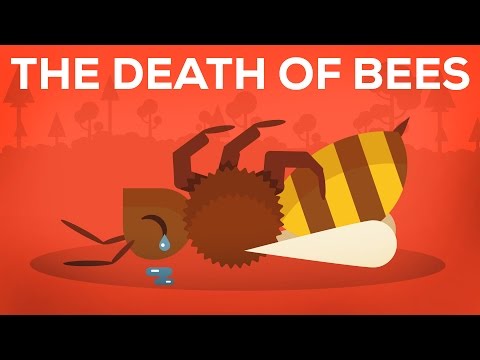
vulvul posted on 2015/09/29Ever wondered why bees are disappearing? This fascinating video dives deep into the world of pollination, exploring the impact of parasites and pesticides on these vital insects. You'll pick up some advanced vocabulary related to conservation and food security while learning about a critical environmental issue!
Learn this video on the APP!
The VoiceTube App has more in-depth practice for videos!