
ability
US /əˈbɪlɪti/
UK /ə'bɪlətɪ/
- Noun (Countable/Uncountable)
- The power, resources or skill to do something
- A particular skill or talent.
A2TOEICMoreagainst all odds
US
UK
- Phrase
- Despite having very little chance of succeeding.
A2Moreanvil
US /ˈænvɪl/
UK /ˈænvɪl/
- Countable Noun
- Heavy iron block on which metal is shaped
C1Moreat home
US /æt hom/
UK /æt həum/
- Phrase
- In one's own residence or country.
- Adjective
- Feeling comfortable and relaxed.
at least
US /æt list/
UK /æt li:st/
- Adverb
- As a minimum
- Not less than
- Phrase
- No less than; at the minimum
- Used to indicate that something is positive in a bad situation.
C2Moreat most
US /æt most/
UK /æt məust/
- Adverb
- Not more than; a maximum of.
- Phrase
- Used to indicate an upper limit or maximum quantity.
A1Moreat stake
US /æt stek/
UK /æt steik/
- Phrase
- At risk; that can be lost if something is not successful
- In question; depending on what happens
- Adjective
- At risk; that can be lost if something is not successful.
A1Moreat the same time
US
UK
- Phrase
- Simultaneously; at the identical moment.
- Nevertheless; however; used to introduce a contrasting or qualifying statement.
A1Morebased on
US
UK
- Phrasal Verb
- To use something as the foundation or starting point for something else.
- Preposition
- Using something as the main idea or foundation.
- Relying on something as evidence or justification.
A1Morebasically
US /ˈbesɪkəli,-kli/
UK /ˈbeɪsɪkli/
- Adverb
- Used before you explain something simply, clearly
- In essence; when you consider the most important aspects of something.
A2Morebond
US /bɑnd/
UK /bɒnd/
- Noun (Countable/Uncountable)
- Rope, chain or other thing used to tie someone up
- Closeness that is shared between people or groups
- Verb (Transitive/Intransitive)
- To develop a close relationship with
- To become joined or connected, e.g. using glue
A2TOEICMorebook on
US
UK
- Noun
- A book about a particular subject.
- Verb (Transitive/Intransitive)
- To place a bet on something.
A1Moreby example
US
UK
- Phrase
- Through demonstration or serving as a model.
- Through one's own behavior and actions, rather than just words.
A2Morecare for
US /kɛr fɔr/
UK /kɛə fɔ:/
- Phrasal Verb
- To want or desire a thing
- To look after someone who is ill, old, or very young.
A1Morechimpanzee
US /ˌtʃɪmpænˈzi,-pən-,tʃɪmˈpænzi/
UK /ˌtʃɪmpæn'zi:/
- Countable Noun
- Animal similar to a monkey but without a tail
B2Morecome back
US /kʌm bæk/
UK /kʌm bæk/
- Phrasal Verb
- To reply to someone, often forcefully
- To be remembered
A1Morecome together
US /kʌm təˈɡɛðɚ/
UK /kʌm təˈɡeðə/
- Phrasal Verb
- To assemble or unite; to start working together.
- To form a close relationship or bond.
A1Morecompanion
US /kəmˈpænjən/
UK /kəm'pænɪən/
- Noun
- Someone who keeps you company, goes out with you
- A thing that is often found with another or that serves to augment or complement it.
A2Moreconsciousness
US /ˈkɑnʃəsnɪs/
UK /'kɒnʃəsnəs/
- Uncountable Noun
- Process by which thoughts, ideas are processed
- A person's awareness or perception of something.
A2Moredepending on
US
UK
- Phrasal Verb
- To rely on for support (financial or emotional)
- Influenced or determined by.
- Preposition
- Subject to; contingent on
- Relying on someone or something for support or assistance.
A2Moredo in
US
UK
- Phrasal Verb
- To make completely tired out and exhausted
- To destroy or cause damage to someone
A1Moredomesticate
US /dəˈmɛstɪˌket/
UK /də'mestɪkeɪt/
- Transitive Verb
- To train an animal as a pet or to do work; tame
- To breed a plant to be used or consumed by humans
C1Moredomestication
US /dəˌmɛstəˈkeʃən/
UK /dəˌmestɪ'keɪʃn/
- Uncountable Noun
- Training to behave in a home/live with humans
B1Moredraw out
US /drɔ aʊt/
UK /drɔ: aut/
- Phrasal Verb
- To lengthen (far beyond the normal limits)
- To get someone to tell you their real feelings
A1Moreelephant
US /ˈɛləfənt/
UK /ˈelɪfənt/
- Noun (Countable/Uncountable)
- Large gray animal with a long nose and two tusks
A2Moreemotion
US /ɪˈmoʃən/
UK /iˈməuʃən/
- Noun (Countable/Uncountable)
- A feeling such as sadness, anger or love
- A mental state that arises spontaneously rather than through conscious effort
A2Moreempathy
US /ˈɛmpəθi/
UK /ˈempəθi/
- Uncountable Noun
- Understanding how other people feel/suffer
- The ability to understand and share the feelings of another, especially when those feelings are negative or painful
B2TOEICMoreevolution
US /ˌɛvəˈluʃən, ˌivə-/
UK /ˌi:və'lu:ʃn/
- Uncountable Noun
- Theory that living things change over time
- Process by which something develops over time
B1Moreexcept for
US /ɪkˈsɛpt fɔr/
UK /ikˈsept fɔ:/
- Preposition
- Not including; excluding.
familiar
US /fəˈmɪljɚ/
UK /fəˈmɪliə(r)/
- Adjective
- Well-known or easily recognized
- Having a good knowledge of something.
- Noun
- A close friend or associate.
- (In folklore) a spirit, often in animal form, believed to attend and serve a witch.
A2TOEICMorefamily members
US
UK
- Noun (plural)
- People related by blood, marriage, or adoption.
A1Morefan out
US
UK
- Phrasal Verb
- To spread out from a central point, like a fan.
female
US / ˈfiˌmel/
UK /'fi:meɪl/
- Adjective
- Person of the sex that gives birth to babies
- Belonging to or characteristic of a woman or girl.
- Noun
- A woman or girl.
- A female animal.
A2Morefence
US /fɛns/
UK /fens/
- Countable Noun
- Wood, metal structure enclosing an area, land
- The sport of fighting with swords, especially foils, épées, or sabres.
- Transitive Verb
- To enclose an area (with a wall or boundary)
B1TOEICMorefood source
US
UK
- Noun
- A place or thing from which food is obtained.
B2Morefor days
US /fɔr dez/
UK /fɔ: deɪz/
- Phrase
- For a long period of time; lasting several days.
for instance
US /fɔr ˈɪnstəns/
UK /fɔ: ˈinstəns/
- Adverb
- As an example.
- Phrase
- As an example.
- As an illustration or case in point
B1Morefor some reason
US /fɔr sʌm ˈrizən/
UK /fɔ: sʌm ˈri:zən/
- Phrase
- For a reason that is not known or not easily explained.
A1Morego out
US /ɡo aʊt/
UK /ɡəu aut/
- Phrase
- To leave a building (e.g. a house)
- Phrasal Verb
- (Of a fire) to burn out; be extinguished
- Go out of fashion to stop being fashionable
A1Moregoing on
US /ˈɡoɪŋ ɑn/
UK /ˈgəʊɪŋ ɔn/
- Phrasal Verb
- To continue doing something
- To happen (usually negative)
A1Moregrief
US /ɡrif/
UK /ɡri:f/
- Uncountable Noun
- Feeling of great sadness because someone has died
- Things that are troublesome or annoying
B1Morehang around
US /hæŋ əˈraʊnd/
UK /hæŋ əˈraund/
- Phrasal Verb
- To spend time with someone
A2Morehave to
US /hæv tu/
UK /ˈhæv tə/
- Auxiliary Verb
- Must do
A1Morehill
US /hɪl/
UK /hɪl/
- Noun (Countable/Uncountable)
- High land not as high as a mountain
- Where the road or land goes upward; slope
- Proper Noun
- Person's name
A2Morehunt
US /hʌnt/
UK /hʌnt/
- Transitive Verb
- To search for wild animals to kill (for food)
- To look for very carefully; search for
- Noun
- A search for animals to kill for food
A2Morein a sense
US /ɪn e sɛns/
UK /in ə sens/
- Phrase
- In one way of thinking; to some extent; in some ways.
B1Morein order to
US /ɪn ˈɔrdɚ tu/
UK /in ˈɔ:də tu:/
- Preposition
- For the purpose of; with the aim of.
- Phrase
- In a specific sequence or arrangement.
- With the aim of; for the purpose of.
C1Morein packs
US
UK
- Phrase
- In groups or sets, especially of animals hunting or moving together.
- Arranged or sold in specific sets or quantities.
A1Morein perspective
US /ɪn pɚˈspɛktɪv/
UK /in pəˈspektiv/
- Phrase
- Considered in relation to other things, so as to judge what is truly important.
- Adverb
- Judged in relation to other things and so not seeming as bad or extreme.
C1Morein places
US
UK
- Phrase
- In some locations but not others
A1Morein stock
US /ɪn stɑk/
UK /in stɔk/
- Adjective
- Available to buy in a store
B2Morein the process of
US /ɪn ði ˈprɑsˌɛs ʌv/
UK /in ðə ˈprəuses ɔv/
- Phrase
- During the course of; while something is happening or being done.
A1Morein the world
US /ɪn ði wɜrld/
UK /in ðə wɜː(r)ld/
- Phrase
- Used to emphasize a question expressing surprise, confusion, or disbelief.
- Used to indicate the extent or degree of something, often in a superlative sense.
A1Morein unison
US /ɪn ˈjunɪsən/
UK /in ˈju:nɪsən/
- Adverb
- Together; at the same time; in a way that shows complete agreement
- Adjective
- Performing the same notes or movements at the same time.
A1Morein ways
US
UK
- Phrase
- In a manner or by methods that.
- In certain respects or aspects.
A1Moreintelligence
US /ɪnˈtɛlədʒəns/
UK /ɪn'telɪdʒəns/
- Uncountable Noun
- Collection of secret information about something
- Ability to learn things or to consider situations
- Adjective
- Of the spying services; acting in secrecy
A2TOEICMoreinterest of
US
UK
- Phrase
- For the benefit or advantage of someone or something.
- A feeling of wanting to know or learn about something or someone.
- Noun
- A legal share or right in something.
A1Morejuvenile
US /ˈdʒuvəˌnaɪl, -nəl/
UK /ˈdʒu:vənaɪl/
- Adjective
- Concerning young people or children
- Noun
- Someone who is young; a child
B2Morekeeper
US /ˈkipɚ/
UK /ˈki:pə(r)/
- Noun
- Person taking care of animals
B1Moreknow about
US /noʊ əˈbaʊt/
UK /nəʊ əˈbaut/
- Phrasal Verb
- To have information or understanding of a subject or situation.
lie down
US
UK
- Phrasal Verb
- To put your body in a flat position, as to sleep
- Phrase
A2Morelion
US /ˈlaɪən/
UK /ˈlaɪən/
- Noun (Countable/Uncountable)
- Large wild cats from Africa and south Asia
B1Morelook around
US /lʊk əˈraʊnd/
UK /luk əˈraund/
- Phrasal Verb
- To explore a place; search for something.
A1Morelook at
US /lʊk æt/
UK /luk æt/
- Phrasal Verb
- To use your eyes to focus on something
- To focus your eyes on something carefully
A1Moremale
US /ˈmel/
UK /meɪl/
- Adjective
- Characteristic of boys or men
- Noun
- A member of the sex that fertilizes eggs
A2Moremate
US /met/
UK /meɪt/
- Noun (Countable/Uncountable)
- A friend who you work, live, or go to school with
- Partner in a (sexual) relationship
- Verb (Transitive/Intransitive)
- To pair a male and female so they have children
- To join or fit two things together
B1Moremingle
US /ˈmɪŋɡəl/
UK /ˈmɪŋgl/
- Intransitive Verb
- To mix or come into contact, as people at a party
B2Moremotivation
US /ˌmotəˈveʃən/
UK /ˌməʊtɪ'veɪʃn/
- Uncountable Noun
- Reason behind why someone did something
- Enthusiasm for doing something.
B1TOEICMorenext to
US /nɛkst tu/
UK /nekst tu:/
- Preposition
- Being located along side another
- In comparison with
- Adverb
- Almost; nearly
A1Moreof any kind
US
UK
- Phrase
- Of any type or variety whatsoever.
- To any degree or extent.
A1Moreof course
US /ʌv kɔː(r)s/
UK /ɔv kɔː(r)s/
- Adverb
- Sure ; Certainly
- Phrase
- For sure; certainly
A2Moreon earth
US /ɑn ɚθ/
UK /ɔn ə:θ/
- Phrase
- Used to emphasize a question expressing surprise or anger.
- Used to emphasize that something is not possible or will not happen.
A1Moreon the beach
US
UK
- Phrase
- Located on the sandy or pebbly area bordering a body of water.
A1Moreon the telephone
US /ɑn ðə ˈtɛləˌfoʊn/
UK /ɒn ðə ˈtɛlɪfəʊn/
- other
- Engaged in a phone call.
A2Moreout of control
US /aʊt ʌv kənˈtrol/
UK /aut ɔv kənˈtrəul/
- Adjective
- Impossible to manage or control.
- Not able to be directed or steered.
A1Moreout there
US /aʊt ðɛr/
UK /aut ðɛə/
- Adverb
- In or to a place that is far away
- Existing in the universe
- Adjective
- Unconventional; strange; avant-garde
- Existing or available.
A1Moreoutside of
US /aʊtˈsaɪd ʌv/
UK /ˌautˈsaid ɔv/
- Preposition
- Located or situated beyond the boundaries or confines of something.
- Beyond the scope, range, or limits of something.
A1Morepassive
US /ˈpæsɪv/
UK /ˈpæsɪv/
- Adjective
- Allowing things to happen with quiet acceptance
- With sentence's subject being what verb acts on
- Noun
- A person who is passive; one who does not actively participate or resist.
B1Morephysical things
US
UK
- Phrase
- Tangible objects that can be touched or seen; material items.
- Material possessions or belongings.
B2Morepick up on
US
UK
- Phrasal Verb
- To notice or become aware of something that is not obvious.
- To learn something by watching or listening to other people.
A1Moreplay in
US
UK
- Phrasal Verb
- To participate or compete in a game or competition.
- To have a role in a theatrical production.
A1Morepointing at
US
UK
- Phrasal Verb
- To aim (gun, etc.) at someone or something
A1Morepull it out
US
UK
- Phrasal Verb
- To remove something from a place or container by pulling.
- To withdraw or remove something, such as a product or investment, from a particular situation or market.
A1Morepuzzle
US /ˈpʌzəl/
UK /'pʌzl/
- Transitive Verb
- To be a challenge to understand; confuse
- Noun (Countable/Uncountable)
- Something challenging to explain or understand
- Game requiring the player to find an answer
A2TOEICMorerabbit
US /ˈræbɪt/
UK /ˈræbɪt/
- Countable Noun
- Type of small animal with long ears and four legs
A2Moreraven
US /ˈrevən/
UK /'reɪvn/
- Countable Noun
- Large black bird with shiny feathers
- Adjective
- (Of hair, etc.) black and shiny
B2Moreresult in
US /rɪˈzʌlt ɪn/
UK /riˈzʌlt in/
- Phrasal Verb
- To cause or produce as a consequence.
run back
US /rʌn bæk/
UK /rʌn bæk/
- Phrasal Verb
- To come back
A1Moresame time
US
UK
- Phrase
- Occurring simultaneously or at the same point in time.
- At the identical time as before; recurring at a fixed hour.
- Noun
- An equal duration or period.
A1Moreseal
US /sil/
UK /si:l/
- Transitive Verb
- To close tightly to protect it from leaking
- To close an envelop or package
- Noun
- Large fish-eating animal that lives on sea or land
- Official mark made in hot wax to close a document
B1Moreseal off
US /sil ɔf/
UK /si:l ɔf/
- Phrasal Verb
- To close an entrance to a place
B1Moresee in
US /si ɪn/
UK /si: in/
- Phrasal Verb
- To accompany someone to the entrance of a building or room.
A1Moresensation
US /sɛnˈseʃən/
UK /sen'seɪʃn/
- Noun
- (Person) attracting the interest of many people
- Mental feeling caused by a previous experience
B1Moresettle down
US /ˈsɛtl daʊn/
UK /ˈsetl daun/
- Phrasal Verb
- To become calm and relaxed after not being so
- To begin living in a stable and ordinary way
A2Moresit down
US /sit daʊn/
UK /sit daun/
- Phrasal Verb
- To take a seat
A1Moresneak up
US /snik ʌp/
UK /sni:k ʌp/
- Phrasal Verb
- To approach someone quietly and unnoticed.
A1Moresocial bonds
US
UK
- Noun (plural)
- The connections and relationships between individuals in a society that promote cohesion and mutual support.
B1Moresolve
US /sɑ:lv/
UK /sɒlv/
- Transitive Verb
- To figure out a way to handle a difficult problem
A2TOEICMorestart in
US /stɑrt ɪn/
UK /stɑ:t in/
- Phrasal Verb
- To begin a job or activity.
A1Moresuperhuman
US /ˌsjupɚˈhjumən/
UK /ˌsu:pəˈhju:mən/
- Adjective
- Above or beyond human power or endurance
- Countable Noun
- Human with special power or endurance
C2Moretame
US /tem/
UK /teɪm/
- Adjective
- Not wild; trained to obey people
- Transitive Verb
- To train a wild animal to be obedient and gentle
B1Moretease out
US
UK
- Phrasal Verb
- To extract or obtain something with persistent effort, especially information.
- To gently separate or disentangle fibers or strands.
A1Moretermite
US /ˈtə:ˌmaɪt/
UK /'tɜ:maɪt/
- Countable Noun
- Small white tropical insect which eats wood
C1Morethink about
US /θɪŋk əˈbaʊt/
UK /θiŋk əˈbaut/
- Phrasal Verb
- To consider something carefully.
- To remember or call to mind.
A1Morethink of
US /θɪŋk ʌv/
UK /θiŋk ɔv/
- Phrasal Verb
- To look on as (being something specific); consider
- To consider or remember something.
- Verb (Transitive/Intransitive)
- To imagine or call something to mind
A1Moretime out
US /taɪm aʊt/
UK /taim aut/
- Noun
- A brief suspension of activity; a pause.
- A period of isolation as a form of discipline.
- Verb (Transitive/Intransitive)
- To call a temporary suspension of play in a game.
A1Moretoddler
US /ˈtɑdlɚ/
UK /ˈtɒdlə(r)/
- Countable Noun
- Young child learning to walk
C2Moreuniquely
US /jʊ'ni:klɪ/
UK /jʊ'ni:klɪ/
- Adverb
- In an unusual manner
- In a way that is unlike anything else; distinctively.
A2Moreup the hill
US
UK
- Phrase
- In an upward direction on a slope or hill.
- A difficult or challenging task.
A1Moreused to
US /juzd tu/
UK /ˈju:st tə/
- Adjective
- Did regularly before, but don't do now
- Auxiliary Verb
- Have done before, but do not do now
A1Morewait around
US /wet əˈraʊnd/
UK /weit əˈraund/
- Phrasal Verb
- To wait idly or without a specific purpose.
A2Morewake up
US /wek ʌp/
UK /weik ʌp/
- Phrasal Verb
- To stop sleeping
- To become fully aware and alert to a situation.
A1Morewalk around
US
UK
- Phrasal Verb
- To stroll or wander in a leisurely way.
- To move about in order to inspect something.
A2Morewhale
US /hwel, wel/
UK /weɪl/
- Transitive Verb
- To strike forcefully, e.g. as a punishment
- To hunt and catch whales
- Countable Noun
- a very large sea mammal that breathes air through a hole at the top of its head and looks like a giant fish
B1Morewild
US /waɪld/
UK /waɪld/
- Adverb
- In a manner which lacks control
- Adjective
- Living in nature; not tame
- (Of land) not developed by people
A2Morewith a bullet
US /wɪð ə ˈbʊlɪt/
UK /wɪð ə ˈbʊlɪt/
- other
- Rapidly rising in rank or success.
B2Morewith regard to
US /wɪð rɪˈɡɑrd tu/
UK /wið riˈɡɑ:d tu:/
- Phrase
- Concerning; in relation to.
A1Morewolf
US /wʊlf/
UK /wʊlf/
- Countable Noun
- A dog-like wild animal
- Man who tries to seduce women
- Verb (Transitive/Intransitive)
- To eat food very quickly
B1Morework on
US /wɚk ɑn/
UK /wə:k ɔn/
- Phrasal Verb
- To devote effort to improve or develop something
- To try to persuade or influence someone.
A1Moreyawning
US /'jɔ:nɪŋ/
UK /'jɔ:nɪŋ/
- Adjective
- (Of a gap/hole) very wide
- Intransitive Verb
- To open the mouth wide and take a deep breath
B1More
Vocabulary
- look at: To use your eyes to focus on something
- going on: To continue doing something
- have to: Must do
- for instance: As an example.
- think of: To look on as (being something specific); consider
- in a sense: In one way of thinking; to some extent; in some ways.
- think about: To consider something carefully.
- outside of: Located or situated beyond the boundaries or confines of something.
- at stake: At risk; that can be lost if something is not successful
- wake up: To stop sleeping
- of any kind: Of any type or variety whatsoever.
- at home: In one's own residence or country.
- on earth: Used to emphasize a question expressing surprise or anger.
- work on: To devote effort to improve or develop something
- in stock: Available to buy in a store
- at least: As a minimum
- family members: People related by blood, marriage, or adoption.
- in ways: In a manner or by methods that.
- walk around: To stroll or wander in a leisurely way.
- of course: Sure ; Certainly
- sneak up: To approach someone quietly and unnoticed.
- tease out: To extract or obtain something with persistent effort, especially information.
- see in: To accompany someone to the entrance of a building or room.
- in the world: Used to emphasize a question expressing surprise, confusion, or disbelief.
- go out: To leave a building (e.g. a house)
- except for: Not including; excluding.
- do in: To make completely tired out and exhausted
- depending on: To rely on for support (financial or emotional)
- fan out: To spread out from a central point, like a fan.
- start in: To begin a job or activity.
- at the same time: Simultaneously; at the identical moment.
- same time: Occurring simultaneously or at the same point in time.
- lie down: To put your body in a flat position, as to sleep
- by example: Through demonstration or serving as a model.
- on the beach: Located on the sandy or pebbly area bordering a body of water.
- play in: To participate or compete in a game or competition.
- physical things: Tangible objects that can be touched or seen; material items.
- wait around: To wait idly or without a specific purpose.
- run back: To come back
- out there: In or to a place that is far away
- care for: To want or desire a thing
- social bonds: The connections and relationships between individuals in a society that promote cohesion and mutual support.
- with a bullet: Rapidly rising in rank or success.
- with regard to: Concerning; in relation to.
- for days: For a long period of time; lasting several days.
- hang around: To spend time with someone
- time out: A brief suspension of activity; a pause.
- book on: A book about a particular subject.
- look around: To explore a place; search for something.
- come back: To reply to someone, often forcefully
- out of control: Impossible to manage or control.
- settle down: To become calm and relaxed after not being so
- in packs: In groups or sets, especially of animals hunting or moving together.
- against all odds: Despite having very little chance of succeeding.
- draw out: To lengthen (far beyond the normal limits)
- result in: To cause or produce as a consequence.
- used to: Did regularly before, but don't do now
- in the process of: During the course of; while something is happening or being done.
- interest of: For the benefit or advantage of someone or something.
- at most: Not more than; a maximum of.
- based on: To use something as the foundation or starting point for something else.
- in perspective: Considered in relation to other things, so as to judge what is truly important.
- next to: Being located along side another
- pull it out: To remove something from a place or container by pulling.
- in places: In some locations but not others
- food source: A place or thing from which food is obtained.
- pick up on: To notice or become aware of something that is not obvious.
- for some reason: For a reason that is not known or not easily explained.
- pointing at: To aim (gun, etc.) at someone or something
- know about: To have information or understanding of a subject or situation.
- in order to: For the purpose of; with the aim of.
- sit down: To take a seat
- up the hill: In an upward direction on a slope or hill.
- on the telephone: Engaged in a phone call.
- come together: To assemble or unite; to start working together.
- in unison: Together; at the same time; in a way that shows complete agreement
- seal off: To close an entrance to a place
- animal: A living creature that is not a plant or person
- dog: Small 4-legged animal that barks kept as a pet
- thing: (Used to introduce the reason for something)
- family: Close group of people or organizations
- kind: In a caring and helpful manner
- love: Person's name
- question: To ask for or try to get information
- group: Two or more musicians who play music together
- think: To have an idea about something without certainty
- ice: Frozen gas or liquid, esp. water
- people: Persons sharing culture, country, background, etc.
- lot: What happens to a person in life from chance; fate
- learn: To get knowledge or skills by study or experience
- make: To arrange or prepare something e.g. dinner
- run: To depart or travel according to a schedule
- elephant: Large gray animal with a long nose and two tusks
- mind: To be bothered or upset by something
- lion: Large wild cats from Africa and south Asia
- brain: To strike someone forcefully on the head
- pack: Bag carried on the back of donkey, etc.
- keeper: Person taking care of animals
- hill: High land not as high as a mountain
- wild: In a manner which lacks control
- puzzle: To be a challenge to understand; confuse
- call: A order or request for action
- lose: To be unable to keep in check or control something
- story: One of many floors or levels in a building
- difference: A thing or issue that people do not agree about
- rock: To be greatly upset by something, e.g. a death
- rabbit: Type of small animal with long ears and four legs
- human: A person; a man, woman or child
- whale: To strike forcefully, e.g. as a punishment
- male: Characteristic of boys or men
- mate: A friend who you work, live, or go to school with
- behavior: The way a person or thing acts; manner
- mood: Emotion or a state of mind; how you feel
- killer: Something that is a challenge to deal with
- ability: The power, resources or skill to do something
- hunt: To search for wild animals to kill (for food)
- compare: To consider how similar and different things are
- passive: Allowing things to happen with quiet acceptance
- female: Person of the sex that gives birth to babies
- solve: To figure out a way to handle a difficult problem
- familiar: Well-known or easily recognized
- develop: To explain something in steps and in detail
- wolf: A dog-like wild animal
- seal: To close tightly to protect it from leaking
- consciousness: Process by which thoughts, ideas are processed
- companion: Someone who keeps you company, goes out with you
- grief: Feeling of great sadness because someone has died
- evolution: Theory that living things change over time
- bond: Rope, chain or other thing used to tie someone up
- motivation: Reason behind why someone did something
- sensation: (Person) attracting the interest of many people
- emotion: A feeling such as sadness, anger or love
- intelligence: Collection of secret information about something
- fence: Wood, metal structure enclosing an area, land
- basically: Used before you explain something simply, clearly
- uniquely: In an unusual manner
- yawning: (Of a gap/hole) very wide
- mingle: To mix or come into contact, as people at a party
- juvenile: Concerning young people or children
- empathy: Understanding how other people feel/suffer
- chimpanzee: Animal similar to a monkey but without a tail
- raven: Large black bird with shiny feathers
- termite: Small white tropical insect which eats wood
- tame: Not wild; trained to obey people
- anvil: Heavy iron block on which metal is shaped
- superhuman: Above or beyond human power or endurance
- domesticate: To train an animal as a pet or to do work; tame
- domestication: Training to behave in a home/live with humans
- toddler: Young child learning to walk
Get the full experience in the app
Learn anywhere with detailed sentence and usage analysis
01:03
She took a brave step forward, leaving behind her comfort zone to chase her dreams.
Vocabulary
- brave
adj. Having courage
- comfort zone
phr. A familiar situation where one feels safe
Explanation
a brave step is a noun phrase, where brave is an adjective modifying the noun step, meaning "a courageous step".
forward is an adverb modifying step, meaning "ahead".
The whole phrase serves as the object, answering the "what" of took (verb) — she took a brave step forward.
Get the full experience in the app
Look up words anytime with pronunciation, part of speech, and usage
brave
US/brev/
UK/breɪv/
adj.Brave
v.t.To bravely face
A2 Elementary
Get the full experience in the app
Practice speaking anytime and get instant pronunciation feedback
Try this speaking exercise.
Try practicing with this sentence.
80
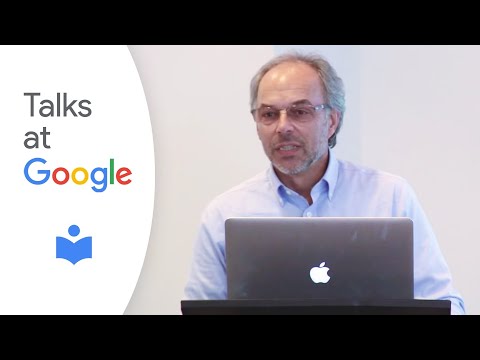
Carl Safina: "Beyond Words: What Animals Think and Feel" | Talks at Google
0
richardwang posted on 2015/09/25Ever wondered what animals are thinking and feeling? Carl Safina dives deep into animal cognition and emotion, sharing fascinating insights that will change how you see the world and pick up some advanced vocabulary along the way! You'll learn about elephant grief and the evolutionary origins of empathy in this captivating talk.
Learn this video on the APP!
The VoiceTube App has more in-depth practice for videos!