domestication
US /dəˌmɛstəˈkeʃən/
・UK /dəˌmestɪ'keɪʃn/
B1
n. (u.)Uncountable NounTraining to behave in a home/live with humans
Domestication takes wild, dangerous animals and turns them into pets and productive workers for humans
Video subtitles
Carl Safina: "Beyond Words: What Animals Think and Feel" | Talks at Google

- Domestication doesn't mean a tame wild animal in captivity.
Domestication doesn't mean a tame wild animal in captivity.
- Well, that gets to an interesting story, which is that most of this stuff that's known about what's called domestication syndrome is known because of a 40-year experiment with foxes done in Russia, where they selected them only for tameness.
Well, that gets to an interesting story, which is that most of this stuff that's known about what's called domestication syndrome is known because of a 40-year experiment with foxes done in Russia, where they selected them only for tameness.
Why Don't Humans Ride Zebras?
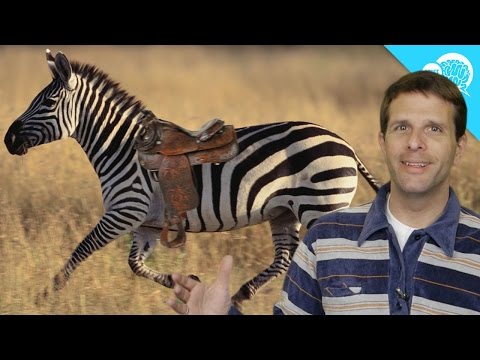
- Domestication means we've taken a wild species and made it utterly and completely tame as a species.
Domestication means we've taken a wild species and made it utterly and completely tame as a species.
- Now that you understand domestication through that lens, it's kinda not that surprising that we don't have more domesticated species.
Now that you understand domestication through that lens, it's kinda not that surprising that we don't have more domesticated species.
Why Do India And China Have So Many People?
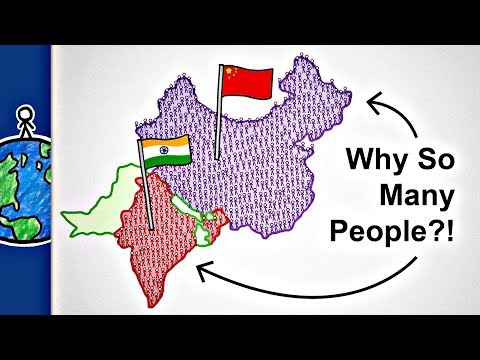
- Plus, domestication of plants and animals essentially started in Asia, giving populations an early leg—or wing—up.
Plus, domestication of plants and animals essentially started in Asia, giving populations an early leg—or wing—up.
- Plus, domestication of plants and animals
essentially started in Asia, giving populations
Plus, domestication of plants and animals essentially started in Asia, giving populations
Can cows prevent wildfires? ⏲️ 6 Minute English
- We had bison, we had otters, we had wild horses, and now they are gone from the ecosystem because of extinction, domestication.
We had bison, we had otters, we had wild horses, and now they are gone from the ecosystem because of extinction, domestication.
- And now they are gone from the ecosystem because of extinction, domestication.
And now they are gone from the ecosystem because of extinction, domestication.
Meanwhile... Overweight Raccoon | Corey Does Bach | Parmigiano Reggiano Goes Hollywood

- In other raccoon news, a new study has found that raccoons living in urban areas are physically changing in response to life around humans, which is an early step toward domestication.
In other raccoon news, a new study has found that raccoons living in urban areas are physically changing in response to life around humans, which is an early step toward domestication.
- In other raccoon news, a new study has found that raccoons living in urban areas are physically changing through in response to life around humans, which is an early step toward domestication, which means we are one step closer to my dream of the Westminster Raccoon Show.
In other raccoon news, a new study has found that raccoons living in urban areas are physically changing through in response to life around humans, which is an early step toward domestication, which means we are one step closer to my dream of the Westminster Raccoon Show.
Songs of War: Episode 2 (Minecraft Animation Series)

- Or home animal domestication?
Or home animal domestication?
- Or home animal domestication?
Or home animal domestication?
The Agricultural Revolution: Crash Course World History #1
- By the way, over the next 40 weeks, you will frequently hear generalizations followed by "unless you are the Mongols." But anyway, one of the main reasons herding only caught on in certain parts of the world is that there aren't that many animals that lend themselves to domestication.
By the way, over the next 40 weeks, you will frequently hear generalizations followed by "unless you are the Mongols." But anyway, one of the main reasons herding only caught on in certain parts of the world is that there aren't that many animals that lend themselves to domestication.
- aren’t that many animals that really lend themselves to domestication:
aren’t that many animals that really lend themselves to domestication:
A Brief History of Dogs | National Geographic
- But humans may not be able to take all the credit for domestication.
But humans may not be able to take all the credit for domestication.
- but humans may not be able to take all the credit for domestication some wolves
but humans may not be able to take all the credit for domestication some wolves
How Did Rice Become a Staple Crop? | Delishtory

- Evidence also points to the domestication of a third species of rice in the Amazon region of South America,
Evidence also points to the domestication of a third species of rice in the Amazon region of South America,
- Evidence also points to the domestication of a third species of rice in the Amazon region of South America.
Evidence also points to the domestication of a third species of rice in the Amazon region of South America.
Humans and Nature and Creation: Crash Course Mythology #6
- One of the stories that we tell about the domestication of dogs is that it started when early hunter-gatherers chose to tame and then breed some of the less aggressive wolves in order to increase the hunter's capacity to capture game.
One of the stories that we tell about the domestication of dogs is that it started when early hunter-gatherers chose to tame and then breed some of the less aggressive wolves in order to increase the hunter's capacity to capture game.
- One of the stories that we tell about the domestication of dogs is that it started when
One of the stories that we tell about the domestication of dogs is that it started when