
absence
US /ˈæbsəns/
UK /ˈæbsəns/
- Uncountable Noun
- State of not being present, or not existing
- A period of time when someone is away.
B1TOEICMorealcohol
US /ˈælkəˌhɔl,-ˌhɑl/
UK /'ælkəhɒl/
- Uncountable Noun
- A colorless liquid that can catch fire (C2H5OH)
- Drinks such as wine, whiskey, beer
B1Moreat least
US /æt list/
UK /æt li:st/
- Adverb
- As a minimum
- Not less than
- Phrase
- No less than; at the minimum
- Used to indicate that something is positive in a bad situation.
C2Moreblame
US /blem/
UK /bleɪm/
- Transitive Verb
- To say someone is responsible for something bad
- Noun (Countable/Uncountable)
- Act of saying someone did something bad
A2TOEICMorebond
US /bɑnd/
UK /bɒnd/
- Noun (Countable/Uncountable)
- Rope, chain or other thing used to tie someone up
- Closeness that is shared between people or groups
- Verb (Transitive/Intransitive)
- To develop a close relationship with
- To become joined or connected, e.g. using glue
A2TOEICMorebutt
US /bʌt/
UK /bʌt/
- Noun
- (Informal) fleshy part of your body you sit on
- The thick end of something, especially a cigarette.
- Verb (Transitive/Intransitive)
- To share a boundary by being next to
- To strike, push, or shove (someone or something) with the head.
B2Morecomplain
US /kəmˈplen/
UK /kəmˈpleɪn/
- Verb (Transitive/Intransitive)
- To say something is wrong and should be changed
- To make a formal accusation or charge.
B1Moreconsistently
US /kənˈsɪstəntlɪ/
UK /kən'sɪstəntlɪ/
- Adverb
- In a manner that is the same almost every time
- In every case or on every occasion; invariably
B1Moredismiss
US /dɪsˈmɪs/
UK /dɪsˈmɪs/
- Transitive Verb
- To consider that something is at an end
- To end someone's employment; fire someone
A2TOEICMoredownside
US /ˈdaʊnˌsaɪd/
UK /ˈdaʊnsaɪd/
- Noun
- Negative aspect of something
- The potential negative consequences or risks associated with a decision or action.
B2Moreemotional
US /ɪˈmoʃənəl/
UK /ɪˈməʊʃənl/
- Adjective
- Causing, feeling, or appealing to the emotions
- Relating to or characterized by emotion
A2Moreepisode
US /ˈɛpɪˌsod/
UK /'epɪsəʊd/
- Noun
- One separate event in a series of events
- Show which is part of a larger story
B1TOEICMoreexercise
US /ˈɛksɚˌsaɪz/
UK /'eksəsaɪz/
- Verb (Transitive/Intransitive)
- To work out to become stronger and healthier
- To retain your ability or practice your skills
- Noun (Countable/Uncountable)
- Physical activity to increase health and strength
- Set of questions in a text book
A2Morefluffy
US /ˈflʌfi/
UK /'flʌfɪ/
- Adjective
- Containing air and being light in weight
B2Morefrom time to time
US
UK
- Phrase
- Occasionally; sometimes but not regularly.
- At intervals; now and then.
A1Moregive up
US /ɡɪv ʌp/
UK /ɡiv ʌp/
- Phrasal Verb
- To lose hope or admit defeat
- To decide to not start to try solving a problem
A1Moregrateful
US /ˈɡretfəl/
UK /ˈgreɪtfl/
- Adjective
- Feeling or showing thanks; thankful
B1TOEICMoregratitude
US /ˈɡrætɪˌtud, -ˌtjud/
UK /ˈgrætɪtju:d/
- Uncountable Noun
- Warm friendly feelings of thanks
B2TOEICMorehave to
US /hæv tu/
UK /ˈhæv tə/
- Auxiliary Verb
- Must do
A1Morehonor
US /ˈɑnɚ/
UK /'ɒnə(r)/
- Transitive Verb
- To fulfill an agreement
- To give an award to someone
- Noun (Countable/Uncountable)
- Award you get for doing well; prize, title, etc.
- Chance to do something special; privilege
B2TOEICMorein honor of
US /ɪn ˈɑnɚ ʌv/
UK /in ˈɔnə ɔv/
- Phrase
- To show respect and admiration for someone or something.
- As a tribute or memorial to someone or something.
- Preposition
- To show respect and admiration for someone.
A1Moreinitial
US /ɪˈnɪʃəl/
UK /ɪ'nɪʃl/
- Noun
- First letter of your given name
- The beginning or commencement of something.
- Transitive Verb
- To authorize something by writing your initials
- To mark or sign with one's initials.
A2TOEICMoreinstant
US /ˈɪnstənt/
UK /ˈɪnstənt/
- Adjective
- (Food) requiring very little preparation
- Occurring immediately
- Noun
- A very short period of time
A2TOEICMoreinstantly
US /ˈɪnstəntli/
UK /ˈɪnstəntli/
- Adverb
- In a manner without delay; immediately
A2Morejealousy
US /ˈdʒɛləsi/
UK /ˈdʒeləsi/
- Uncountable Noun
- Unhappy feeling of wanting what someone else has
B1Morejournal
US /ˈdʒɚnəl/
UK /ˈdʒə:nl/
- Noun (Countable/Uncountable)
- A diary; record of what you do every day
- Magazine of academic papers
B1TOEICMorekinda
US /'kaɪndə/
UK /'kaɪndə/
- Noun
- Short way of saying 'kind of'
- Adverb
- Somewhat; to some extent; rather.
- Sort of; in a way.
B2Morelack
US /læk/
UK /læk/
- Verb (Transitive/Intransitive)
- To not have, or not have enough, of something
- Uncountable Noun
- The state of not having or not having enough of
A2TOEICMorelimit
US /ˈlɪmɪt/
UK /'lɪmɪt/
- Noun (Countable/Uncountable)
- Point beyond which it is not possible to go
- A line or edge marking the boundary of an area.
- Transitive Verb
- To stop or prevent an increase past a point
A2TOEICMoremiserable
US /ˈmɪzərəbəl, ˈmɪzrə-/
UK /ˈmɪzrəbl/
- Adjective
- Very unhappy
- Causing someone to be unhappy or uncomfortable
- Noun
- A person who is always unhappy or complaining
A2Morenegative
US /ˈnɛɡətɪv/
UK /'neɡətɪv/
- Noun
- The opposite to a positive electrical charge
- In grammar, containing words such as 'no' or 'not'
- Adjective
- Being harmful, unwanted or unhelpful
- In mathematics, being less than zero
A2Moreno matter
US
UK
- Conjunction
- Regardless of; it does not matter.
- Adverb
- Regardless of; it is not important
A1Moreover to
US
UK
- Preposition
- Used to hand over to someone else to speak
- The responsibility is now yours
pharmacy
US /ˈfɑ:rməsi/
UK /ˈfɑ:məsi/
- Countable Noun
- Shop where medicines are prepared and sold
B1Morepillow
US /ˈpɪlo/
UK /'pɪləʊ/
- Countable Noun
- Soft cushion for your head on a bed/while sleeping
- A cushion used as decoration.
- Uncountable Noun
- Something used to provide support or cushioning.
B1Morepity
US /ˈpɪti/
UK /'pɪtɪ/
- Uncountable Noun
- Feeling very sorry for someone, e.g. in trouble
- A cause for regret or disappointment.
- Verb (Transitive/Intransitive)
- To feel sorry for someone in trouble
- To have no compassion or mercy.
A2Moreraid
US /red/
UK /reɪd/
- Noun
- Sudden entry by police; surprise attack by army
- A sudden aggressive incursion.
- Transitive Verb
- (Army) to suddenly enter or attack a place
- To suddenly enter or attack, e.g. to steal or harm
B1Moreregret
US /rɪˈɡrɛt/
UK /rɪ'ɡret/
- Uncountable Noun
- Feeling of being sorry, as for what you didn't do
- Verb (Transitive/Intransitive)
- To feel sorrow or guilt, as for what you didn't do
- Used to express apology or sadness.
B1Moreritual
US /ˈrɪtʃuəl/
UK /'rɪtʃʊəl/
- Adjective
- Performed as part of a ceremony
- Being done in a regular, expected or similar way
- Noun (Countable/Uncountable)
- Social or religious ceremony always done the same
- A series of actions regularly and invariably followed by someone.
B1Moresatisfaction
US /ˌsætɪsˈfækʃən/
UK /ˌsætɪs'fækʃn/
- Uncountable Noun
- Happy feeling because of something that you did
- Providing enough to make someone happy
B1TOEICMorespecial gift
US
UK
- Noun
- A particularly thoughtful or unique present.
A2Morestick
US /stɪk/
UK /stɪk/
- Verb (Transitive/Intransitive)
- To push a sharp or pointed object into something
- To join together using glue or paste
- Countable Noun
- Long thin piece of wood from a tree
A2Moresuck
US /sʌk/
UK /sʌk/
- Intransitive Verb
- To be very bad, undesirable or unpleasant
- Transitive Verb
- To pull or remove something with great power
- To attract someone; make someone interested
B1Moretopic
US /ˈtɑpɪk/
UK /'tɒpɪk/
- Noun (Countable/Uncountable)
- Subject or issue people talk or write about
A2TOEICMoretransform
US /trænsˈfɔrm/
UK /træns'fɔ:m/
- Transitive Verb
- To change the shape completely in a good way
- To convert from one form or substance into another.
C2Moretransformation
US /ˌtrænsfərˈmeɪʃn/
UK /ˌtrænsfəˈmeɪʃn/
- Noun (Countable/Uncountable)
- A complete change in shape or form of something
C2Moreturkey
US /ˈtɜ:rki/
UK /ˈtɜ:ki/
- Countable Noun
- Edible bird resembling a large chicken
- Noun
- An event that fails badly or is totally ineffectual
- Flesh of large domesticated fowl usually roasted
C1Morewanna
US /ˈwɑnə/
UK /'wɒnə/
- Verb (Transitive/Intransitive)
- Shortened form of 'want to'. Used only in speaking
B2Morewatch out
US /wɑtʃ aʊt/
UK /wɔtʃ aut/
- Phrasal Verb
- To be careful; to be alert to danger
A1Moreyank
US /jæŋk/
UK /jæŋk/
- Transitive Verb
- To pull or tug on something
C1More
Vocabulary
- in honor of: To show respect and admiration for someone or something.
- from time to time: Occasionally; sometimes but not regularly.
- watch out: To be careful; to be alert to danger
- give up: To lose hope or admit defeat
- have to: Must do
- no matter: Regardless of; it does not matter.
- at least: As a minimum
- over to: Used to hand over to someone else to speak
- special gift: A particularly thoughtful or unique present.
- episode: One separate event in a series of events
- stick: To push a sharp or pointed object into something
- ritual: Performed as part of a ceremony
- matter: To be of great importance; to count
- regret: Feeling of being sorry, as for what you didn't do
- negative: The opposite to a positive electrical charge
- miserable: Very unhappy
- kinda: Short way of saying 'kind of'
- fluffy: Containing air and being light in weight
- emotional: Causing, feeling, or appealing to the emotions
- gratitude: Warm friendly feelings of thanks
- instant: (Food) requiring very little preparation
- measure: Plan to achieve a desired result
- blame: To say someone is responsible for something bad
- consistently: In a manner that is the same almost every time
- butt: (Informal) fleshy part of your body you sit on
- initial: First letter of your given name
- lack: To not have, or not have enough, of something
- exercise: To work out to become stronger and healthier
- bond: Rope, chain or other thing used to tie someone up
- suck: To be very bad, undesirable or unpleasant
- instantly: In a manner without delay; immediately
- state: Region within a country, with its own government
- journal: A diary; record of what you do every day
- mood: Emotion or a state of mind; how you feel
- alcohol: A colorless liquid that can catch fire (C2H5OH)
- wanna: Shortened form of 'want to'. Used only in speaking
- topic: Subject or issue people talk or write about
- honor: To fulfill an agreement
- mind: To be bothered or upset by something
- grateful: Feeling or showing thanks; thankful
- absence: State of not being present, or not existing
- dismiss: To consider that something is at an end
- satisfaction: Happy feeling because of something that you did
- pillow: Soft cushion for your head on a bed/while sleeping
- downside: Negative aspect of something
- pity: Feeling very sorry for someone, e.g. in trouble
- transform: To change the shape completely in a good way
- limit: Point beyond which it is not possible to go
- place: To put someone in a particular type of situation
- sign: Indication that something exists or will happen
- act: To behave in a certain way
- raid: Sudden entry by police; surprise attack by army
- last: Final; with nothing following; after all others
- great: Very good; better than before
- pharmacy: Shop where medicines are prepared and sold
- business: A company formed for making profit
- fast: In a way that is difficult to move or change
- jealousy: Unhappy feeling of wanting what someone else has
- life: All the living things e.g. animals, plants, humans
- side: To decide to agree with one point, not the other
- complain: To say something is wrong and should be changed
- time: Speed at which music is played; tempo
- transformation: A complete change in shape or form of something
- yank: To pull or tug on something
- turkey: Edible bird resembling a large chicken
Get the full experience in the app
Learn anywhere with detailed sentence and usage analysis
01:03
She took a brave step forward, leaving behind her comfort zone to chase her dreams.
Vocabulary
- brave
adj. Having courage
- comfort zone
phr. A familiar situation where one feels safe
Explanation
a brave step is a noun phrase, where brave is an adjective modifying the noun step, meaning "a courageous step".
forward is an adverb modifying step, meaning "ahead".
The whole phrase serves as the object, answering the "what" of took (verb) — she took a brave step forward.
Get the full experience in the app
Look up words anytime with pronunciation, part of speech, and usage
brave
US/brev/
UK/breɪv/
adj.Brave
v.t.To bravely face
A2 Elementary
Get the full experience in the app
Practice speaking anytime and get instant pronunciation feedback
Try this speaking exercise.
Try practicing with this sentence.
80
Positive Thoughts
0
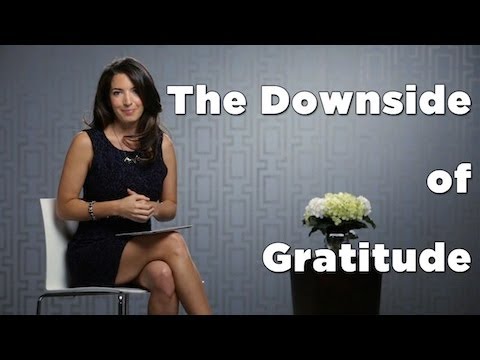
SylviaQQ posted on 2025/01/19Ever wonder if practicing gratitude has a downside? This candid MarieTV episode dives into the surprising twists of gratitude practice and positive psychology, offering practical tips you can use daily! You'll pick up simple sentence structures and learn how to incorporate a gratitude journal into your routine for a little boost of happiness.
Learn this video on the APP!
The VoiceTube App has more in-depth practice for videos!