
academic
US /ˌækəˈdɛmɪk/
UK /ˌækə'demɪk/
- Adjective
- Concerning education, schools, universities, etc.
- Concerning education, schools, universities, etc.
- Noun (Countable/Uncountable)
- Educator teaching at a college or university
- A subject taught at schools and universities.
B1Moreaircraft
US /ˈɛrˌkræft/
UK /ˈɛəkrɑ:ft/
- Countable Noun
- Vehicle that can fly
C2TOEICMoreas a whole
US /æz e hol/
UK /æz ə həul/
- Phrase
- Considering everything together; in general.
- Complete; not divided or incomplete.
- Adjective
- Complete; not divided or fragmented.
A1Moreat school
US
UK
- Phrase
- Present and attending school.
A1Morebased on
US
UK
- Phrasal Verb
- To use something as the foundation or starting point for something else.
- Preposition
- Using something as the main idea or foundation.
- Relying on something as evidence or justification.
A1Morebenefit
US /ˈbɛnəfɪt/
UK /'benɪfɪt/
- Noun (Countable/Uncountable)
- Good result or effect, something advantageous
- A payment made by the state or an insurance policy to someone
- Verb (Transitive/Intransitive)
- To have a good effect or be helpful
- To receive an advantage; to be helped
A2TOEICMorebiology
US /baɪˈɑlədʒi/
UK /baɪˈɒlədʒi/
- Uncountable Noun
- The study of living things
A2Morecapitalism
US /ˈkæpɪtlˌɪzəm/
UK /ˈkæpɪtəlɪzəm/
- Noun (Countable/Uncountable)
- Economic system where companies own industry
- An economic system in which private individuals or businesses own capital goods. The production of goods and services is based on supply and demand in the general market (a market economy) rather than through central planning (a planned economy or command
B1Morecompulsory education
US
UK
- Noun
- Education that is required by law to be attended by all children.
B1Moreconsumer
US /kənˈsumɚ/
UK /kənˈsju:mə(r)/
- Countable Noun
- Person who buys goods or services
- An economic agent who uses goods and services.
- Adjective
- Relating to people who buy goods and services.
A2Morecosmology
US /kɑzˈmɑlədʒi/
UK /kɒzˈmɒlədʒi/
- Uncountable Noun
- Study of the universe's formation and structure
C2Morecrisis
US /ˈkraɪsɪs/
UK /'kraɪsɪs/
- Noun (Countable/Uncountable)
- Unstable situation of extreme danger or difficulty
- A turning point in a disease.
B1Moredecide
US /dɪˈsaɪd/
UK /dɪ'saɪd/
- Verb (Transitive/Intransitive)
- To make a choice or choose after thinking about it
- To make a legal judgment in court
A2TOEICMoredrop out
US /drɑp aʊt/
UK /drɔp aut/
- Phrasal Verb
- To take no part in a society you disapprove of
- To quit school, a club or activity
- Intransitive Verb
- To quit a course of study or training.
A1Moreeconomic
US /ˌɛkəˈnɑmɪk, ˌikə-/
UK /ˌi:kəˈnɒmɪk/
- Adjective
- Concerning trade, industry, and money
- Financially worthwhile; profitable.
- Noun
- A system relating to economics
- A factor relating to economics
A2Moreexcept for
US /ɪkˈsɛpt fɔr/
UK /ikˈsept fɔ:/
- Preposition
- Not including; excluding.
fatality
US /feˈtælɪti, fə-/
UK /fə'tælətɪ/
- Noun
- Death resulting from an accident or a disaster
B1Morefigure out
US /ˈfɪɡjɚ aʊt/
UK /ˈfiɡə aut/
- Phrasal Verb
- To understand the behavior of someone
- To think through logically to find a solution
- Verb (Transitive/Intransitive)
- To understand or find an answer to something.
- To find a solution to a problem or understand something.
A1Morefinancial
US /faɪˈnænʃ(ə)l/
UK /faɪˈnænʃl/
- Adjective
- Involving money
- Relating to investments.
- Countable Noun
- A person who provides advice on financial matters.
A2TOEICMoreflawed
US / flɔd/
UK /flɔ:d/
- Adjective
- Having a quality that makes something not perfect
- Transitive Verb
- To impair, damage, or spoil.
B1TOEICMorefocus
US /ˈfokəs/
UK /'fəʊkəs/
- Verb (Transitive/Intransitive)
- To see clearly by adjusting your eyes or a camera
- To keep your attention, concentration on one thing
- Noun (Countable/Uncountable)
- Main purpose or center of interest or activity
- The clarity of an image produced by a lens.
A2TOEICMorefor example
US
UK
- Phrase
- As an illustration or instance.
for now
US /fɔr naʊ/
UK /fɔ: nau/
- Phrase
- Temporarily; for the present time.
- In the short term; for the immediate future.
A1Morego back to
US /ɡo bæk tu/
UK /ɡəu bæk tu:/
- Phrasal Verb
- To return to a starting point
A1Morehave to
US /hæv tu/
UK /ˈhæv tə/
- Auxiliary Verb
- Must do
A1Morehost
US /host/
UK /həʊst/
- Noun (Countable/Uncountable)
- Mass; a great number
- Person who entertains guests
- Transitive Verb
- To be the sponsor of an event, e.g. the Olympics
- To lead or start a party, program, or other event
A2TOEICMorein arms
US
UK
- Phrase
- Bearing weapons; ready for or engaged in fighting.
- Held or carried in someone's arms.
A1Morein fact
US /ɪn fækt/
UK /in fækt/
- Adverb
- Used to emphasize the truth of a statement, especially one that contrasts with or contradicts something else.
- Used to introduce a more detailed or surprising piece of information.
- Phrase
- Used to emphasize the truth of a statement, especially one that is surprising or contrary to what might be expected.
C1Morein some places
US
UK
- Phrase
- In certain locations or areas, but not all.
A1Morein the end
US /ɪn ði ɛnd/
UK /in ðə end/
- Phrase
- Finally; after a period of time or series of events.
- Ultimately; as the final result or consequence.
A1Morein the money
US /ɪn ðə ˈmʌni/
UK /in ðə ˈmʌni/
- other
- To have gained or to possess a lot of money; profitable.
B2Morein the world
US /ɪn ði wɜrld/
UK /in ðə wɜː(r)ld/
- Phrase
- Used to emphasize a question expressing surprise, confusion, disbelief
- Used to indicate the extent or degree of something, often in a superlative sense
A1Morein with
US /ɪn wɪð/
UK /in wið/
- Phrase
- Fashionable or popular at the moment.
- Having influence or favor with someone.
- Phrasal Verb
- To introduce or bring something new into a system or organization.
A1Moreinfinite
US /ˈɪnfənɪt/
UK /'ɪnfɪnət/
- Adjective
- Being very large in amount
- Without an end; limitless; endless
B2Moreinstead of
US /ɪnˈstɛd ʌv/
UK /inˈsted ɔv/
- Preposition
- When one thing is replaced by another
- Adverb
- As a substitute or alternative.
A1Morekill off
US /kɪl ɔf/
UK /kil ɔf/
- Phrasal Verb
- To eliminate or destroy completely; to cause to die.
liberal
US /ˈlɪbərəl, ˈlɪbrəl/
UK /'lɪbərəl/
- Noun
- Someone who is open-minded and favors progress
- Adjective
- Open-minded; willing to hear others' opinions
- Political party for freedom and social change
B1TOEICMorelook at
US /lʊk æt/
UK /luk æt/
- Phrasal Verb
- To use your eyes to focus on something
- To focus your eyes on something carefully
A1Moremade with
US
UK
- Phrase
- Containing a particular ingredient or material.
- Created or produced using a specific tool, method, or process.
- Phrasal Verb
- To offer or provide something, often quickly or unexpectedly.
A1Moremess up
US /mɛs ʌp/
UK /mes ʌp/
- Phrasal Verb
- To make a mistake
- To make something untidy or dirty.
- Verb (Transitive/Intransitive)
- To make something untidy or dirty.
- To spoil or ruin something.
A2Moremilitary
US /ˈmɪlɪˌtɛri/
UK /'mɪlətrɪ/
- Noun
- Army or armed forces
- Adjective
- Concerning the army or navy
B1Moremove to
US /muv tu/
UK /mu:v tu:/
- Phrasal Verb
- To change the place where you live or work.
- Verb (Transitive/Intransitive)
- To proceed to the next stage or action.
A2Moremurder
US /ˈmɚdɚ/
UK /'mɜ:də(r)/
- Noun
- Something that is difficult or painful to do
- Crime of deliberately killing a person
- Transitive Verb
- To intentionally kill a person
- To spoil, ruin something by doing it poorly
A2Moreno matter
US
UK
- Conjunction
- Regardless of; it does not matter.
- Adverb
- Regardless of; it is not important
A1Morenumber of people
US /ˈnʌmbɚ ʌv ˈpipəl/
UK /ˈnʌmbə ɔv ˈpi:pl/
- Phrase
- The total count of individuals within a group or gathering.
- A statistical figure representing the population size or a subset thereof.
A1Moreof course
US /ʌv kɔː(r)s/
UK /ɔv kɔː(r)s/
- Adverb
- Sure ; Certainly
- Phrase
- For sure; certainly
A2Moreopportunity
US /ˌɑpɚˈtunɪti, -ˈtju-/
UK /ˌɒpə'tju:nətɪ/
- Noun (Countable/Uncountable)
- Time, situation when a thing might be done; chance
- A favorable time or occasion for doing something.
A2TOEICMoreoutput
US /ˈaʊtˌpʊt/
UK /'aʊtpʊt/
- Noun (Countable/Uncountable)
- Amount of something that is produced
- Transitive Verb
- To produce data or information, as a computer
A2TOEICMoreover to
US
UK
- Preposition
- Used to hand over to someone else to speak
- The responsibility is now yours
per year
US
UK
- Phrase
- For each year; annually.
A2Morepoint out
US /pɔɪnt aʊt/
UK /pɔint aut/
- Phrasal Verb
- To make others aware of an idea
- To draw attention to something or someone
A1Morepolicy
US /ˈpɑlɪsi/
UK /'pɒləsɪ/
- Noun
- Document stating terms of an insurance agreement
- Course of action proposed by an organization, etc.
A2TOEICMorepredict
US /prɪˈdɪkt/
UK /prɪ'dɪkt/
- Transitive Verb
- To guess or estimate what will or might happen
A2TOEICMorerat
US /ræt/
UK /ræt/
- Countable Noun
- Long-tailed rodent similar to/bigger than a mouse
- Person who is not loyal and reveals secrets
B1Morerather than
US
UK
- Adverb
- More exactly; more correctly
- Preferably; instead
- Preposition
- Instead of
A1Morerecession
US /rɪˈsɛʃən/
UK /rɪˈseʃn/
- Uncountable Noun
- Act of moving backward gradually
- Decreased business activity, when work is scarce
- Noun
- a period of low economic activity
- period of economic decline
B2TOEICMorescarcity
US /ˈskersəti/
UK /ˈskeəsəti/
- Uncountable Noun
- Very small or limited amount of something
B2Moreslow down
US /slo daʊn/
UK /sləu daun/
- Phrasal Verb
- To reduce the speed
- To become less active or busy.
A1Moreslump
US /slʌmp/
UK /slʌmp/
- Intransitive Verb
- To sit, lean or fall down because tired or ill
- Noun (Countable/Uncountable)
- Sudden reduction in prices, profits or amounts
- Time when an economy becomes less successful
B1TOEICMoresolve
US /sɑ:lv/
UK /sɒlv/
- Transitive Verb
- To figure out a way to handle a difficult problem
A2TOEICMorespend
US /spɛnd/
UK /spend/
- Transitive Verb
- To use money to pay for something
- To use time in order to do something
A2TOEICMorespend more time
US
UK
- Phrase
- To dedicate a greater amount of time to a particular activity or person.
A1Morestock
US /stɑk/
UK /stɒk/
- Noun (Countable/Uncountable)
- Animals such as cattle kept for breeding
- Merchandise; goods kept by a business for sale
- Uncountable Noun
- Tasty liquid added to stews, soups etc.
B2TOEICMoresupply
US /səˈplaɪ/
UK /sə'plaɪ/
- Uncountable Noun
- Availability of products and services for use
- Transitive Verb
- To give or sell goods to others for their use
A2TOEICMoreswim in
US
UK
- Phrasal Verb
- To move through water by using your arms and legs.
- Intransitive Verb
- To have a lot of something.
A1Moretake for example
US
UK
- Phrase
- To use as an instance or illustration.
A1Moretalking about
US
UK
- Phrasal Verb
- To discuss a particular topic.
- To be constantly mentioning or bringing up a subject.
A1Morethe good stuff
US
UK
- Phrase
- Things of high quality or the best kind.
- Desirable or enjoyable things.
B1Moretheory
US /ˈθiəri, ˈθɪri/
UK /ˈθiəri/
- Noun (Countable/Uncountable)
- Ideas or principles that explain facts or events
- An idea or belief about something
A2TOEICMorethink about
US /θɪŋk əˈbaʊt/
UK /θiŋk əˈbaut/
- Phrasal Verb
- To consider something carefully.
- To remember or call to mind.
A1Moretraffic
US /ˈtræfɪk/
UK /'træfɪk/
- Noun (Countable/Uncountable)
- The cars or vehicles on the road
- Amount of activity over a communication system
- Verb (Transitive/Intransitive)
- Deal or trade in something illegal.
- To direct and control traffic.
A2TOEICMoreunemployment
US /ˌʌnɛmˈplɔɪmənt,-ɪm-/
UK /ˌʌnɪmˈplɔɪmənt/
- Uncountable Noun
- Number of people without jobs in a country
- State of not having a job
B1Moreunethical
US /ʌnˈeθɪkl/
UK /ʌnˈeθɪkl/
- Adjective
- Behaving in a way not meeting moral standards
B1Moreused to
US /juzd tu/
UK /ˈju:st tə/
- Adjective
- Did regularly before, but don't do now
- Auxiliary Verb
- Have done before, but do not do now
A1Morevideo
US /ˈvɪdiˌo/
UK /'vɪdɪəʊ/
- Noun (Countable/Uncountable)
- Recording capturing action with sound
- A recording of moving visual images made digitally or on videotape.
- Transitive Verb
- To make a moving film of, with sound
- To make a video call.
A2Morework on
US /wɚk ɑn/
UK /wə:k ɔn/
- Phrasal Verb
- To devote effort to improve or develop something
- To try to persuade or influence someone.
A1Morewrestle
US /ˈrɛsəl/
UK /'resl/
- Verb (Transitive/Intransitive)
- To fight someone by holding parts of their body
- To struggle with a problem
B2More
Vocabulary
- in fact: Used to emphasize the truth of a statement, especially one that contrasts with or contradicts something else.
- of course: Sure ; Certainly
- at school: Present and attending school.
- look at: To use your eyes to focus on something
- the good stuff: Things of high quality or the best kind.
- no matter: Regardless of; it does not matter.
- drop out: To take no part in a society you disapprove of
- move to: To change the place where you live or work.
- compulsory education: Education that is required by law to be attended by all children.
- spend more time: To dedicate a greater amount of time to a particular activity or person.
- in the end: Finally; after a period of time or series of events.
- go back to: To return to a starting point
- number of people: The total count of individuals within a group or gathering.
- kill off: To eliminate or destroy completely; to cause to die.
- think about: To consider something carefully.
- per year: For each year; annually.
- in the world: Used to emphasize a question expressing surprise, confusion, disbelief
- in arms: Bearing weapons; ready for or engaged in fighting.
- talking about: To discuss a particular topic.
- based on: To use something as the foundation or starting point for something else.
- figure out: To understand the behavior of someone
- take for example: To use as an instance or illustration.
- for example: As an illustration or instance.
- used to: Did regularly before, but don't do now
- in some places: In certain locations or areas, but not all.
- instead of: When one thing is replaced by another
- in with: Fashionable or popular at the moment.
- have to: Must do
- point out: To make others aware of an idea
- rather than: More exactly; more correctly
- mess up: To make a mistake
- for now: Temporarily; for the present time.
- as a whole: Considering everything together; in general.
- in the money: To have gained or to possess a lot of money; profitable.
- slow down: To reduce the speed
- swim in: To move through water by using your arms and legs.
- except for: Not including; excluding.
- made with: Containing a particular ingredient or material.
- work on: To devote effort to improve or develop something
- over to: Used to hand over to someone else to speak
- money: Coins or notes we use to pay for things
- green: Color of young leaves
- watch: To keep in check, manage, or control something
- study: To focus on learning something usually at school
- go: To attend or be at a place
- to: Toward a point, person, place or thing
- people: Persons sharing culture, country, background, etc.
- school: Large group of fish that swim together
- car: A vehicle with wheels and engine to carry people
- teaching: To help someone learn or do something
- business: A company formed for making profit
- bad: Not good; wrong
- teach: To help someone learn or do something
- understand: To know the meaning of language, what someone says
- talk: Style of speaking
- cost: A loss or damage occurring when meeting a goal
- spend: To use money to pay for something
- rat: Long-tailed rodent similar to/bigger than a mouse
- decide: To make a choice or choose after thinking about it
- video: Recording capturing action with sound
- traffic: The cars or vehicles on the road
- cover: To record a different version of another song
- push: To move into enemy country with a military attack
- market: To publicize products to get you to buy; advertise
- academic: Concerning education, schools, universities, etc.
- point: An item to be discussed
- high: Excited or relaxed from taking drugs
- biology: The study of living things
- rich: Having a lot of money or valuable possessions
- song: Distinctive series of sounds made by a bird
- economic: Concerning trade, industry, and money
- crash: To damage an object by causing it to hit something
- increase: To make or become larger in size or amount
- solve: To figure out a way to handle a difficult problem
- unemployment: Number of people without jobs in a country
- government: Group of people and system that rule a nation
- financial: Involving money
- force: Group of persons trained for military action; army
- promise: To say you will certainly do something
- opportunity: Time, situation when a thing might be done; chance
- benefit: Good result or effect, something advantageous
- produce: Fresh foods such as fruits and vegetables
- public: Owned by the government
- murder: Something that is difficult or painful to do
- predict: To guess or estimate what will or might happen
- policy: Document stating terms of an insurance agreement
- military: Army or armed forces
- focus: To see clearly by adjusting your eyes or a camera
- economy: Using money, resources in a careful, effective way
- aircraft: Vehicle that can fly
- recession: Act of moving backward gradually
- consumer: Person who buys goods or services
- host: Mass; a great number
- income: Earned money from work, investments or business
- crisis: Unstable situation of extreme danger or difficulty
- stock: Animals such as cattle kept for breeding
- supply: Availability of products and services for use
- theory: Ideas or principles that explain facts or events
- fatality: Death resulting from an accident or a disaster
- scarcity: Very small or limited amount of something
- liberal: Someone who is open-minded and favors progress
- flawed: Having a quality that makes something not perfect
- capitalism: Economic system where companies own industry
- output: Amount of something that is produced
- infinite: Being very large in amount
- unethical: Behaving in a way not meeting moral standards
- macro: Single instruction that sets off mini program
- slump: To sit, lean or fall down because tired or ill
- wrestle: To fight someone by holding parts of their body
- warship: Government ship that is available for waging war
- muppet
- cosmology: Study of the universe's formation and structure
Get the full experience in the app
Learn anywhere with detailed sentence and usage analysis
01:03
She took a brave step forward, leaving behind her comfort zone to chase her dreams.
Vocabulary
- brave
adj. Having courage
- comfort zone
phr. A familiar situation where one feels safe
Explanation
a brave step is a noun phrase, where brave is an adjective modifying the noun step, meaning "a courageous step".
forward is an adverb modifying step, meaning "ahead".
The whole phrase serves as the object, answering the "what" of took (verb) — she took a brave step forward.
Get the full experience in the app
Look up words anytime with pronunciation, part of speech, and usage
brave
US/brev/
UK/breɪv/
adj.Brave
v.t.To bravely face
A2 Elementary
Get the full experience in the app
Practice speaking anytime and get instant pronunciation feedback
Try this speaking exercise.
Try practicing with this sentence.
80
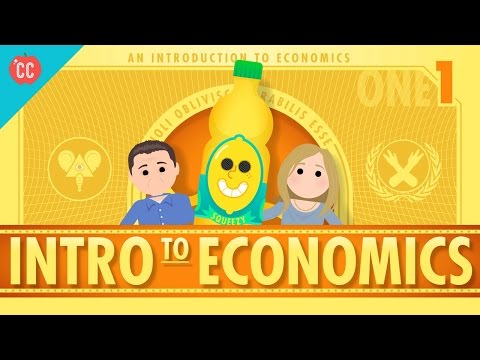
Intro to Economics: Crash Course Econ #1
0
way posted on 2015/09/01Ever wondered how to make choices when you can't have everything? This Crash Course video dives into the fascinating world of economics, explaining core ideas like scarcity and opportunity cost in a super fun way! You'll pick up some awesome new vocabulary and see how these concepts pop up in everyday life.
Learn this video on the APP!
The VoiceTube App has more in-depth practice for videos!