
arthritis
US /ɑrˈθraɪtɪs/
UK /ɑ:ˈθraɪtɪs/
- Noun
- Diseases of the joints often with painful swelling
B2Moreas opposed to
US
UK
- Preposition
- In contrast to; rather than.
- Instead of; in place of.
A1Moreassess
US /əˈsɛs/
UK /əˈses/
- Transitive Verb
- To judge something's value or suitability
A2TOEICMoreassociation
US /əˌsoʊʃi'eɪʃn/
UK /əˌsəʊʃɪ'eɪʃn/
- Noun
- Organization of people with the same interest
B1TOEICMoreastounding
US
UK
- Transitive Verb
- To surprise someone greatly
C1Moreauthor
US /ˈɔθɚ/
UK /'ɔ:θə(r)/
- Noun (Countable/Uncountable)
- Person who writes books, plays, poems etc.
- Transitive Verb
- To write book or articles
B1Morebased on
US
UK
- Phrasal Verb
- To use something as the foundation or starting point for something else.
- Preposition
- Using something as the main idea or foundation.
- Relying on something as evidence or justification.
A1Morebiology
US /baɪˈɑlədʒi/
UK /baɪˈɒlədʒi/
- Uncountable Noun
- The study of living things
A2Moreblood
US /blʌd/
UK /blʌd/
- Uncountable Noun
- Red liquid in the bodies of people and animals
- Related by birth; family
- Transitive Verb
- To be initiated into something, e.g. a secret club
A2Morecolossal
US /kəˈlɑ:sl/
UK /kəˈlɒsl/
- Adjective
- Being extremely large in size or amount
- Extraordinarily great in size, extent, or degree; gigantic; huge.
C1Morecomplain
US /kəmˈplen/
UK /kəmˈpleɪn/
- Verb (Transitive/Intransitive)
- To say something is wrong and should be changed
- To make a formal accusation or charge.
B1Moreconclude
US /kənˈklud/
UK /kənˈklu:d/
- Verb (Transitive/Intransitive)
- To finish or cause to finish; end
- To arrive at a judgment or opinion
A2Moreconduct
US / kənˈdʌkt/
UK /kənˈdʌkt/
- Uncountable Noun
- Your behavior
- Verb (Transitive/Intransitive)
- To behave in a certain way; e.g. at a party
- To let electricity or heat travel through
B1TOEICMorecredibility
US /ˌkrɛdəˈbɪlɪti/
UK /ˌkredəˈbɪləti/
- Uncountable Noun
- Quality of being believable or deserving of trust
B2Moredetermine
US /dɪˈtɚmɪn/
UK /dɪ'tɜ:mɪn/
- Transitive Verb
- To control exactly how something will be or act
- To establish the facts about; discover
A2TOEICMorediet
US /ˈdaɪɪt/
UK /'daɪət/
- Intransitive Verb
- To eat special or less food, as to lose weight
- Noun (Countable/Uncountable)
- Plan of eating to reduce weight or improve health
- The usual food and drink consumed by an organism (person or animal)
A2TOEICMoredistort
US /dɪˈstɔrt/
UK /dɪ'stɔ:t/
- Transitive Verb
- To change the shape, appearance, or sound
- To exaggerate the truth or fact, e.g. to deceive
B1Moredue to
US /du tu/
UK /dju: tu:/
- Preposition
- Because of; owing to
- Adjective
- Attributable to; caused by.
A1Moreeffectiveness
US /əˈfɛktɪvnɪs/
UK /ɪˌfek'tɪvnɪs/
- Uncountable Noun
- Degree of how well something works or is done
B2Moreevidently
US /ˈɛvɪdəntli, ˌɛvɪˈdɛntli/
UK /ˈevɪdəntli/
- Adverb
- In a manner that is easy to see, notice, or sense
B1Morefall out
US /fɔl aʊt/
UK /fɔ:l aut/
- Phrasal Verb
- To stop being friends with; have a disagreement
A1Morefoundation
US /faʊnˈdeʃən/
UK /faunˈdeiʃən/
- Noun (Countable/Uncountable)
- Base or important starting point
- Underground base on which building is constructed
C1TOEICMorefraud
US /frɔd/
UK /frɔ:d/
- Noun (Countable/Uncountable)
- Use of dishonest ways to take something valuable
- Person who pretends to be what he or she is not
B1TOEICMorefund
US /fʌnd/
UK /fʌnd/
- Transitive Verb
- To supply money for something
- Noun (Countable/Uncountable)
- Money collected, saved, or provided for a purpose
- A specific account into which you put money
A2TOEICMoreget lost
US /ɡɛt lɔst/
UK /ɡet lɔ:st/
- Intransitive Verb
- An impolite way of telling someone to go away.
- To become unable to find your way; to lose your sense of direction.
- Interjection
- An impolite way of telling someone to go away.
A1Morego out
US /ɡo aʊt/
UK /ɡəu aut/
- Phrase
- To leave a building (e.g. a house)
- Phrasal Verb
- (Of a fire) to burn out; be extinguished
- Go out of fashion to stop being fashionable
A1Morehave to
US /hæv tu/
UK /ˈhæv tə/
- Auxiliary Verb
- Must do
A1Morehealth benefits
US
UK
- Noun (plural)
- Advantages provided by an employer or insurance plan related to healthcare, such as medical, dental, and vision coverage.
- Positive effects on one's physical or mental condition resulting from certain activities or lifestyle choices.
hunter
US /ˈhʌntɚ/
UK /ˈhʌntə(r)/
- Noun (Countable/Uncountable)
- Someone who hunts animals to kill them
- Proper Noun
- Person's name
A2Moreignorance
US /ˈɪɡnərəns/
UK /ˈɪgnərəns/
- Uncountable Noun
- Lack of information or knowledge about something
- Deliberate avoidance of knowledge or information.
B1TOEICMoreignorant
US /ˈɪɡnərənt/
UK /ˈɪgnərənt/
- Adjective
- Lacking knowledge, awareness or information
B1Moreimplement
US /ˈɪmpləmənt/
UK /ˈɪmplɪment/
- Transitive Verb
- To start to do something you plan to do
- Noun (Countable/Uncountable)
- A tool
B1TOEICMoreimprovement
US /ɪmˈpruvmənt/
UK /ɪmˈpru:vmənt/
- Noun (Countable/Uncountable)
- Addition or change that makes something better
- A thing that constitutes an improvement; an addition or alteration that enhances value.
A2TOEICMorejustified
US /ˈdʒʌstəˌfaɪd/
UK /ˈdʒʌstɪfaɪd/
- Transitive Verb
- To give good reasons for something
B1Morelaboratory
US /ˈlæbrəˌtɔri, -ˌtori/
UK /lə'bɒrətrɪ/
- Noun (Countable/Uncountable)
- A place to do scientific experiments
- A place where tests are done for medical diagnosis.
B1Morelead to
US /lid tu/
UK /li:d tu:/
- Phrasal Verb
- To result in some action
- Verb (Transitive/Intransitive)
- To have something as a consequence or result.
A1Morelie
US /lai/
UK /laɪ/
- Intransitive Verb
- To be in a horizontal or flat position
- To say something that you know is not true
- Countable Noun
- An untrue statement, when you know it is not true
A2Morelight on
US /laɪt ɑn/
UK /lait ɔn/
- Phrasal Verb
- To illuminate something.
- To discover something unexpectedly.
- Adjective
- Gentle or delicate in the use of something.
A1Moreliterature
US /ˈlɪtərəˌtʃʊr, -tʃɚ/
UK /ˈlɪtrətʃə(r)/
- Uncountable Noun
- Writing valued as art, e.g. fiction, drama, poetry
- The body of written works produced in a particular language, country, or age.
A2Moremisunderstand
US /ˌmɪsʌndərˈstænd/
UK /ˌmɪsʌndəˈstænd/
- Transitive Verb
- To fail to get the meaning correctly
B1TOEICMorenonsense
US /ˈnɑ:nsens/
UK /ˈnɒnsns/
- Uncountable Noun
- Foolish or untrue statements or ideas
- Foolish or unacceptable behaviour.
- Interjection
- Used to say that you do not agree with something or think it is not true.
A2Morenutrition
US /nuˈtrɪʃən, nju-/
UK /njuˈtrɪʃn/
- Uncountable Noun
- Scientific study of the effects of foods on health
- Food and other things you eat or drink
B1Moreorgan
US /ˈɔrɡən/
UK /'ɔ:ɡən/
- Noun (Countable/Uncountable)
- Part of a person's body with a particular function
- Large institution or body
B1Moreperceive
US /pɚˈsiv/
UK /pə'si:v/
- Transitive Verb
- To notice or become aware of something
- To think of someone or something in a certain way
B1TOEICMoreperseverance
US /ˌpɜ:sɪˈvɪərəns/
UK /ˌpɜ:sɪˈvɪərəns/
- Uncountable Noun
- Act of continuing to try despite difficulties
- The quality of being persistent in pursuing a goal or task.
C2Morepractice
US /ˈpræktɪs/
UK /'præktɪs/
- Noun
- The office and place for legal or medical work
- Doing something many times to become better at it
- Verb (Transitive/Intransitive)
- To work as a doctor or lawyer
- To live according to the teachings of a religion
A2TOEICMorepreposterous
US /prɪˈpɑstərəs/
UK /prɪˈpɒstərəs/
- Adjective
- Very foolish or silly; ridiculous
C2Moreprestigious
US /prɛˈstidʒəs, -ˈstɪdʒəs/
UK /preˈstɪdʒəs/
- Adjective
- Respected as being important and with high status
B2Morepromote
US /prəˈmoʊt/
UK /prəˈməʊt/
- Transitive Verb
- To try to encourage popularity/sales of a product
- To move someone to a higher position or rank
A2TOEICMorepropaganda
US /ˌprɑ:pə'ɡændə/
UK /ˌprɒpə'ɡændə/
- Uncountable Noun
- (Use of) message that you want people to accept
- The systematic dissemination of information, especially in a biased or misleading way, in order to promote a political cause or point of view.
B1Morepublish
US /ˈpʌblɪʃ/
UK /'pʌblɪʃ/
- Transitive Verb
- To prepare and make available a book magazine etc.
- To release information to the general public
A2TOEICMorerandomized
US /'rændəˌmaɪzd/
UK /'rændəˌmaɪzd/
- Transitive Verb
- To arrange in a random order
B2Morereproductive
US /ˌriprəˈdʌktɪv/
UK /ˌri:prəˈdʌktɪv/
- Adjective
- Concerning the process of making children
- Relating to having children, young, or new plants
B1Morereview
US / rɪˈvju/
UK /rɪˈvju:/
- Transitive Verb
- To carefully look at the quality of something
- To formally examine something in the military
- Noun
- Examination of soldiers and supplies
- Opinion, as in a paper, about movie, book, or play
A2TOEICMoreright for
US
UK
- Adjective
- Suitable or appropriate for a particular person, purpose, or situation.
- Correct or most appropriate.
A1Morescience
US /ˈsaɪəns/
UK /'saɪəns/
- Uncountable Noun
- Study of the physical world, based on facts
A2TOEICMorescientific
US /ˌsaɪənˈtɪfɪk/
UK /ˌsaɪənˈtɪfɪk/
- Adjective
- Concerning academic study of the physical world
- Systematic and precise, following a methodology.
- Noun
- Relating to or used in science.
A2Morescientifically
US /ˌsaɪən'tɪfɪklɪ/
UK /ˌsaɪən'tɪfɪklɪ/
- Adverb
- In an manner that follows the rules of science
B1Moreseminar
US /ˈsɛməˌnɑr/
UK /ˈsemɪnɑ:(r)/
- Noun
- A small class at a college or university
B1TOEICMoresequel
US /ˈsikwəl/
UK /'si:kwəl/
- Countable Noun
- Story, movie etc. that follows another similar one
B2Moresmoke
US /smoʊk/
UK /sməʊk/
- Intransitive Verb
- To give off a cloud of grey gas from burning
- Uncountable Noun
- Grey gas from fires and cigarettes
- Fog of air coming from e.g. a cigarette, fire
B1Moresubstantial
US /səbˈstænʃəl/
UK /səbˈstænʃl/
- Adjective
- (Of a meal) able to satisfy your hunger; filling
- Being large in degree, quantity, or size
C2TOEICMoresuppose
US /səˈpoʊz/
UK /sə'pəʊz/
- Verb (Transitive/Intransitive)
- To imagine or guess what might happen
- Conjunction
- What if
A2TOEICMoresystematic
US /ˌsɪstəˈmætɪk/
UK /ˌsɪstəˈmætɪk/
- Adjective
- Done in a thorough, logical or planned way
A2Moretactic
US /ˈtæktɪk/
UK /'tæktɪk/
- Countable Noun
- One of the ways you attempt to achieve a strategy
B2Moretranslation
US /trænsˈleʃən, trænz-/
UK /trænsˈleɪʃn/
- Uncountable Noun
- changing text from one language to another; the process of changing something into a different form
A2Moretrial
US /ˈtraɪəl, traɪl/
UK /ˈtraɪəl/
- Noun (Countable/Uncountable)
- Hearing and judgment of a case in court
- Act or process of testing or experimenting
- Transitive Verb
- To be made or done as a test or experiment
A2TOEICMoreviolation
US /ˌvaɪəˈleʃən/
UK /ˌvaɪə'leɪʃn/
- Noun (Countable/Uncountable)
- Abuse, damage or total disregard
- Act of failing to obey a rule or law
B1TOEICMore
Vocabulary
- right for: Suitable or appropriate for a particular person, purpose, or situation.
- based on: To use something as the foundation or starting point for something else.
- as opposed to: In contrast to; rather than.
- have to: Must do
- fall out
- lead to: To result in some action
- go out: To leave a building (e.g. a house)
- due to: Because of; owing to
- get lost: An impolite way of telling someone to go away.
- light on: To illuminate something.
- health benefits: Advantages provided by an employer or insurance plan related to healthcare, such as medical, dental, and vision coverage.
- book: (Police) to officially record someone's crimes
- eat: To put food in your mouth
- people: Persons sharing culture, country, background, etc.
- open: To make accessible or able to be used, e.g. road
- good: Proper, appropriate or right
- big: Popular
- nicest: Best or most enjoyable
- practice: The office and place for legal or medical work
- present: Being in attendance; being there; having turned up
- smoke: To give off a cloud of grey gas from burning
- test: To be given a medical examination
- year: Unit of time equal to 12 months or 365 or 366 days
- blood: Red liquid in the bodies of people and animals
- type: Printed letters or blocks used for printing them
- science: Study of the physical world, based on facts
- health: (Person, company) being in a good condition; well
- biology: The study of living things
- suppose: To imagine or guess what might happen
- sell: To exchange something for money
- lie: To be in a horizontal or flat position
- scientifically: In an manner that follows the rules of science
- eighth: 8th
- mind: To be bothered or upset by something
- describe: To tell the appearance, sound, smell of something
- diet: To eat special or less food, as to lose weight
- scientific: Concerning academic study of the physical world
- author: Person who writes books, plays, poems etc.
- review: To carefully look at the quality of something
- promote: To try to encourage popularity/sales of a product
- literature: Writing valued as art, e.g. fiction, drama, poetry
- coin: A small, flat piece of metal used as money
- system: Set of organized, planned ideas that work together
- publish: To prepare and make available a book magazine etc.
- translation: changing text from one language to another; the process of changing something into a different form
- complain: To say something is wrong and should be changed
- argue: To fight or disagree over something
- improvement: Addition or change that makes something better
- laboratory: A place to do scientific experiments
- hunter: Someone who hunts animals to kill them
- evidently: In a manner that is easy to see, notice, or sense
- evidence: Factual proof that helps to establish the truth
- nonsense: Foolish or untrue statements or ideas
- trial: Hearing and judgment of a case in court
- association: Organization of people with the same interest
- determine: To control exactly how something will be or act
- assess: To judge something's value or suitability
- conduct: Your behavior
- misunderstand: To fail to get the meaning correctly
- effectiveness: Degree of how well something works or is done
- implement: To start to do something you plan to do
- state: Region within a country, with its own government
- seminar: A small class at a college or university
- justified: To give good reasons for something
- substantial: (Of a meal) able to satisfy your hunger; filling
- conclude: To finish or cause to finish; end
- randomized: To arrange in a random order
- prestigious: Respected as being important and with high status
- distort: To change the shape, appearance, or sound
- tactic: One of the ways you attempt to achieve a strategy
- organ: Part of a person's body with a particular function
- perceive: To notice or become aware of something
- fund: To supply money for something
- foundation: Base or important starting point
- perseverance: Act of continuing to try despite difficulties
- credibility: Quality of being believable or deserving of trust
- ignorance: Lack of information or knowledge about something
- fraud: Use of dishonest ways to take something valuable
- propaganda: (Use of) message that you want people to accept
- violation: Abuse, damage or total disregard
- ignorant: Lacking knowledge, awareness or information
- systematic: Done in a thorough, logical or planned way
- nutrition: Scientific study of the effects of foods on health
- preposterous: Very foolish or silly; ridiculous
- colossal: Being extremely large in size or amount
- arthritis: Diseases of the joints often with painful swelling
- sequel: Story, movie etc. that follows another similar one
- astounding: To surprise someone greatly
- reproductive: Concerning the process of making children
Get the full experience in the app
Learn anywhere with detailed sentence and usage analysis
01:03
She took a brave step forward, leaving behind her comfort zone to chase her dreams.
Vocabulary
- brave
adj. Having courage
- comfort zone
phr. A familiar situation where one feels safe
Explanation
a brave step is a noun phrase, where brave is an adjective modifying the noun step, meaning "a courageous step".
forward is an adverb modifying step, meaning "ahead".
The whole phrase serves as the object, answering the "what" of took (verb) — she took a brave step forward.
Get the full experience in the app
Look up words anytime with pronunciation, part of speech, and usage
brave
US/brev/
UK/breɪv/
adj.Brave
v.t.To bravely face
A2 Elementary
Get the full experience in the app
Practice speaking anytime and get instant pronunciation feedback
Try this speaking exercise.
Try practicing with this sentence.
80
Blood Type Diet Debunked
0
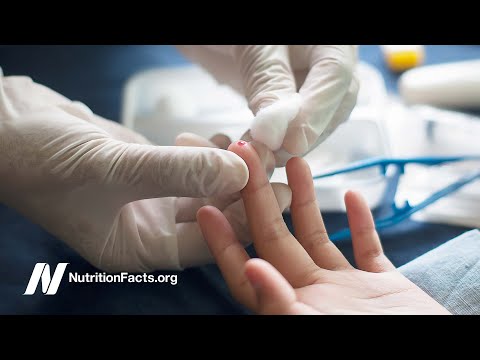
張恩嘉 posted on 2015/08/29Ever wondered if your blood type dictates your diet? This video dives deep into the 'Blood Type Diet,' using scientific evidence to debunk its claims and exposing it as potential propaganda. You'll boost your vocabulary with terms like 'systematic review' and 'propaganda' while learning about nutrition science!
Learn this video on the APP!
The VoiceTube App has more in-depth practice for videos!