
aboriginal
US /ˌæbəˈrɪdʒənəl/
UK /ˌæbəˈrɪdʒənl/
- Adjective
- Relating to people originally living in a country
B2Moreacademic
US /ˌækəˈdɛmɪk/
UK /ˌækə'demɪk/
- Adjective
- Concerning education, schools, universities, etc.
- Concerning education, schools, universities, etc.
- Noun (Countable/Uncountable)
- Educator teaching at a college or university
- A subject taught at schools and universities.
B1Moreacknowledge
US /ækˈnɑlɪdʒ/
UK /ək'nɒlɪdʒ/
- Transitive Verb
- To say you have received a letter, gift, etc.
- To say you accept the truth or value of something
A2Moreanti
US /ˈæntaɪ, -ti/
UK /'æntɪ/
- Adjective
- A prefix meaning 'against' or 'opposed'
B2Moreany sort of
US
UK
- Determiner
- Any kind of; any type of
- Phrase
- Somewhat; to some extent
A2Moreas for
US /æz fɔr/
UK /æz fɔ:/
- Preposition
- Concerning; regarding.
- Phrase
- Used to introduce a new topic or aspect of a subject.
A1Moreas one
US
UK
- Adverb
- Acting or moving together at the same time.
- In complete agreement or unity.
- Phrase
- With a single voice or opinion; unanimously.
- In perfect harmony or unison.
A1Moreas soon as
US /æz sun æz/
UK /æz su:n æz/
- Phrase
- In a short time after (something happens)
- Without any delay; immediately
- Conjunction
- At the moment that, or immediately after.
A1Moreas well as
US /æz wɛl æz/
UK /æz wel æz/
- Adverb
- Also; in addition to
- Preposition
- In addition to; and also.
A1Moreassessment
US /əˈsɛsmənt/
UK /əˈsesmənt/
- Noun
- Conclusion, opinion formed after due consideration
B1TOEICMoreat the same time
US
UK
- Phrase
- Simultaneously; at the identical moment.
- Nevertheless; however; used to introduce a contrasting or qualifying statement.
A1Moreat work
US /æt wɚk/
UK /æt wə:k/
- Phrase
- Located at one's place of employment
A1Moreawareness
US /əˈwɛrnɪs/
UK /əˈweənəs/
- Uncountable Noun
- Having knowledge of something
A2TOEICMorebased on
US
UK
- Phrasal Verb
- To use something as the foundation or starting point for something else.
- Preposition
- Using something as the main idea or foundation.
- Relying on something as evidence or justification.
A1Morebreak down
US /brek daʊn/
UK /breik daun/
- Phrasal Verb
- To forcibly break, destroy or make collapse
- (Machine) to stop working or become weaker
A1Morebring about
US
UK
- Phrasal Verb
- To cause to happen
A1Morebring in
US /brɪŋ ɪn/
UK /briŋ in/
- Phrasal Verb
- To earn a certain amount of money or profits
- To add person into existing group, e.g. phone call
A1Morecall for
US /kɔl fɔr/
UK /kɔ:l fɔ:/
- Phrasal Verb
- To demand, need or require (an action or thing)
- To come to someone's house to take them somewhere
A1Morecall out
US /kɔl aʊt/
UK /kɔ:l aut/
- Phrasal Verb
- To criticize someone to modify their behavior
- To announce or specify, e.g. in a list
- Transitive Verb
- To summon or request the presence of someone, especially for assistance or service.
- To publicly criticize or denounce someone for their actions or behavior.
A1Morecare for
US /kɛr fɔr/
UK /kɛə fɔ:/
- Phrasal Verb
- To want or desire a thing
- To look after someone who is ill, old, or very young.
A1Morecare of
US /kɛr ʌv/
UK /kɛə ɔv/
- Preposition
- Used in an address to indicate the person who will receive the mail for someone else.
A2Morecareer
US /kəˈrɪr/
UK /kə'rɪə(r)/
- Noun (Countable/Uncountable)
- Particular occupation in professional life
- The course of a person's life, especially in a particular pursuit or profession.
- Verb (Transitive/Intransitive)
- To move forward very fast and without control
- To advance or make progress rapidly
A2Morecommunity
US /kəˈmjunɪti/
UK /kə'mju:nətɪ/
- Noun (Countable/Uncountable)
- Group of people who share a common idea or area
- A feeling of fellowship with others, as a result of sharing common attitudes, interests, and goals.
- Adjective
- Relating to or shared by the people in a particular area.
- Shared or participated in by all members of a group
A2Morecount on
US /kaʊnt ɑn/
UK /kaunt ɔn/
- Phrasal Verb
- To depend on someone
- To be confident of and expect something
A2Morecritical
US /ˈkrɪtɪkəl/
UK /ˈkrɪtɪkl/
- Adjective
- Making a negative judgment of something
- Being important or serious; vital; dangerous
A2Moredatum
US /ˈdetəm, ˈdætəm, ˈdɑtəm/
UK /ˈdeɪtəm/
- Noun
- Item of factual information
B1Moredenial of
US
UK
- Uncountable Noun
- The act of refusing to grant or allow something requested.
- The act of stating that something is not true.
disadvantage
US /ˌdɪsədˈvæntɪdʒ/
UK /ˌdɪsədˈvɑ:ntɪdʒ/
- Noun (Countable/Uncountable)
- A negative point; a downside; difficulty
- A factor that places someone in a less favorable position.
B1Moredistinguish
US /dɪˈstɪŋɡwɪʃ/
UK /dɪˈstɪŋgwɪʃ/
- Transitive Verb
- To make something clearly different from others
- To make noticeable or different; to set apart.
A2TOEICMorediversity
US /dɪˈvə:sɪti, daɪ-/
UK /daɪ'vɜ:sətɪ/
- Noun (Countable/Uncountable)
- Having a range of different races, ideas etc.
- A range of different things.
B1TOEICMoredo in
US
UK
- Phrasal Verb
- To make completely tired out and exhausted
- To destroy or cause damage to someone
A1Moredo the right thing
US /du ðə ˈraɪt θɪŋ/
UK /duː ðə ˈraɪt θɪŋ/
- other
- To behave in a morally correct or proper way.
A2Moredraw on
US /drɔ ɑn/
UK /drɔ: ɔn/
- Phrasal Verb
- To come to its end
- To make use of (someone's help, your savings, etc.)
A1Moredue to
US /du tu/
UK /dju: tu:/
- Preposition
- Because of; owing to
- Adjective
- Attributable to; caused by.
A1Moreengage
US /ɪn'gedʒ/
UK /ɪn'ɡeɪdʒ/
- Transitive Verb
- To start to fight with an enemy
- To hire someone for a task or job
A2TOEICMoreengage in
US /ɪn'gedʒ ɪn/
UK /ɪnˈɡeɪdʒ in/
- Phrasal Verb
- To participate or become involved in something.
B1Moreengagement
US /ɛnˈɡedʒmənt/
UK /ɪnˈgeɪdʒmənt/
- Noun (Countable/Uncountable)
- Something you must do at a set time; appointment
- Fight between opposing military forces in a war
A2TOEICMoreequity
US /ˈɛkwɪti/
UK /ˈekwəti/
- Uncountable Noun
- Condition of people being treated the same
- Value of a house, etc., minus the mortgage
- Noun (Countable/Uncountable)
- Stocks and shares which pay no fixed interest
- The value of the shares issued by a company
B1TOEICMoreexperience in
US
UK
- Phrase
- Knowledge or skill gained from doing something for a period of time.
- Exposure to or involvement in a particular activity or situation.
B1Morefactor in
US /ˈfæktɚ ɪn/
UK /ˈfæktə in/
- Phrasal Verb
- To include something as an important element when making a decision or calculation.
B2Morefamily members
US
UK
- Noun (plural)
- People related by blood, marriage, or adoption.
A1Morefeedback
US /ˈfidˌbæk/
UK /ˈfi:dbæk/
- Noun (Countable/Uncountable)
- A response or opinion, about a service, etc.
- Information about reactions to a product, a person's performance of a task, etc. which is used as a basis for improvement.
- Verb (Transitive/Intransitive)
- To give information or opinions about something to someone, especially in order to improve it.
B1TOEICMorefrom the first
US /frəm ðə ˈfɝst/
UK /frəm ðə ˈfɜ:st/
- other
- From the very beginning.
B2Moreget about
US /ɡɛt əˈbaʊt/
UK /ɡet əˈbaut/
- Phrasal Verb
- To go out a lot; travel widely
A1Morego on
US /ɡo ɑn/
UK /ɡəu ɔn/
- Phrasal Verb
- To continue doing something
- To happen (usually negative)
- Interjection
- Used to encourage someone
A1Moregot to
US /ɡɑt tu/
UK /gɔt tu:/
- Verb (Transitive/Intransitive)
- To arrive at some place
- To have the opportunity or permission to do something
- Phrasal Verb
- To appeal to the emotions of; move
- To finally begin to start something after a delay
A1Morehand over
US /hænd ˈovɚ/
UK /hænd ˈəuvə/
- Phrasal Verb
- To give into the possession or control of another
A1Morehave at
US
UK
- Phrasal Verb
- To attack someone or something.
- To begin doing something with enthusiasm.
A1Morehave to
US /hæv tu/
UK /ˈhæv tə/
- Auxiliary Verb
- Must do
A1Morehealthcare
US /'helθker/
UK /'helθkeə/
- Uncountable Noun
- Nursing care to prevent illness or recover from it
B1Morein fact
US /ɪn fækt/
UK /in fækt/
- Adverb
- Used to emphasize the truth of a statement, especially one that contrasts with or contradicts something else.
- Used to introduce a more detailed or surprising piece of information.
- Phrase
- Used to emphasize the truth of a statement, especially one that is surprising or contrary to what might be expected.
C1Morein hand
US /ɪn hænd/
UK /in hænd/
- Phrase
- In one's possession or control.
in keeping with
US
UK
- Phrase
- In agreement with; consistent with.
- Following or adhering to a particular custom or tradition.
in mind
US /ɪn maɪnd/
UK /in maind/
- Phrase
- Being aware of or considering something.
- To remember or consider something.
A2Morein order to
US /ɪn ˈɔrdɚ tu/
UK /in ˈɔ:də tu:/
- Preposition
- For the purpose of; with the aim of.
- Phrase
- In a specific sequence or arrangement.
- With the aim of; for the purpose of.
C1Morein practice
US /ɪn ˈpræktɪs/
UK /in ˈpræktis/
- Phrase
- In reality or actual use; as opposed to in theory.
A1Morein public
US /ɪn ˈpʌblɪk/
UK /in ˈpʌblik/
- Phrase
- In a place where anyone can see or hear you.
- Adjective
- Relating to the government or the people as a whole.
B1Morein reality
US /ɪn riˈælɪti/
UK /in riˈæliti/
- Phrase
- Actually; in fact; truly.
B2Morein relation to
US /ɪn rɪˈleʃən tu/
UK /in riˈleiʃən tu:/
- Phrase
- Concerning; with reference to; regarding.
- Compared with.
B1Morein terms of
US
UK
- Phrase
- With regard to; concerning a particular aspect.
A1Morein the face of
US //ɪn ðə feɪs ɑv//
UK
- Phrase
- When confronted with something difficult or challenging.
- Despite; in defiance of; when confronted with.
A1Morein the field
US
UK
- Phrase
- Working or doing research in a real-world environment, not in a classroom or laboratory.
- Located on the playing area of a sports ground.
A1Morein the midst of
US
UK
- Phrase
- Surrounded by; in the middle of.
- During; while something is happening.
A1Morein the presence of
US /ɪn ðə ˈprɛzəns ʌv/
UK /in ðə ˈprezəns ɔv/
- Preposition
- While someone or something else is present.
B1Morein the world
US /ɪn ði wɜrld/
UK /in ðə wɜː(r)ld/
- Phrase
- Used to emphasize a question expressing surprise, confusion, disbelief
- Used to indicate the extent or degree of something, often in a superlative sense
A1Morein touch
US /ɪn tʌtʃ/
UK /in tʌtʃ/
- Adjective
- Having contact or communication with someone.
- Aware of or informed about something.
B1Morein with
US /ɪn wɪð/
UK /in wið/
- Phrase
- Fashionable or popular at the moment.
- Having influence or favor with someone.
- Phrasal Verb
- To introduce or bring something new into a system or organization.
A1Moreindigenous
US /ɪnˈdɪdʒənəs/
UK /ɪnˈdɪdʒənəs/
- Adjective
- Being naturally from an area, not somewhere else
- Relating to the people who are native to a particular region.
- Noun (Countable/Uncountable)
- The traditional knowledge and practices of indigenous peoples.
- The original inhabitants of a particular region or country.
B1TOEICMoreinstead of
US /ɪnˈstɛd ʌv/
UK /inˈsted ɔv/
- Preposition
- When one thing is replaced by another
- Adverb
- As a substitute or alternative.
A1Moreinvisible
US /ɪnˈvɪzəbəl/
UK /ɪnˈvɪzəbl/
- Adjective
- Being unable to be seen
- Of money earned from services, instead of products
B1TOEICMoreissue
US /ˈɪʃu/
UK /'ɪʃu:/
- Transitive Verb
- To make something available to be used or sold
- To deliver a statement, etc. in an official manner
- Noun (Countable/Uncountable)
- Important topic discussed, debated or argued over
- Single edition of a magazine
A2TOEICMoreknow about
US /noʊ əˈbaʊt/
UK /nəʊ əˈbaut/
- Phrasal Verb
- To have information or understanding of a subject or situation.
lack
US /læk/
UK /læk/
- Verb (Transitive/Intransitive)
- To not have, or not have enough, of something
- Uncountable Noun
- The state of not having or not having enough of
A2TOEICMoreland on
US
UK
- Phrasal Verb
- To come down to the ground or another surface after flying or falling.
- To criticize someone severely.
B1Morelecture
US /ˈlɛktʃɚ/
UK /'lektʃə(r)/
- Transitive Verb
- To speak to someone to show anger or warn them
- To give a talk or speech about a subject
- Noun (Countable/Uncountable)
- Telling someone off for doing something wrong
- Talk or speech about a particular subject
A2TOEICMorelevel with
US
UK
- Phrasal Verb
- To be honest and straightforward with someone; to tell someone the truth.
A2Morelisten in
US /ˈlɪsən ɪn/
UK /ˈlisn in/
- Phrasal Verb
- To secretly listen to a conversation.
look at
US /lʊk æt/
UK /luk æt/
- Phrasal Verb
- To use your eyes to focus on something
- To focus your eyes on something carefully
A1Moremeaningfully
US
UK
- Adverb
- So someone understands what is intended
- In a way that is full of meaning or significance.
B1Moreminority
US /məˈnɔrɪti, -ˈnɑr-, maɪ-/
UK /maɪ'nɒrətɪ/
- Noun (Countable/Uncountable)
- Group that is smaller and different from the rest
- Part that is less than half the whole; small part
- Adjective
- Being part of a smaller group within a larger one.
B1TOEICMoremove beyond
US
UK
- Phrasal Verb
- To go past or exceed a limit, boundary, or set of expectations.
B2Moreof age
US /əv eɪdʒ/
UK /əv eɪdʒ/
- other
- Having reached the legal age of adulthood.
A2Moreof course
US /ʌv kɔː(r)s/
UK /ɔv kɔː(r)s/
- Adverb
- Sure ; Certainly
- Phrase
- For sure; certainly
A2Moreof means
US /ʌv minz/
UK /əv mi:nz/
- other
- Having resources or wealth available for use.
B2Moreon a daily basis
US
UK
- Phrase
- Happening every day.
A1Moreon behalf of
US /ɑn bɪˈhæf ʌv/
UK /ɔn biˈhɑ:f ɔv/
- Phrase
- As the representative of someone
- Acting as a representative of.
B1Moreon fire
US /ɑn faɪr/
UK /ɔn ˈfaiə/
- Adjective
- Very successful or popular
- Burning
A2Moreon the basis of
US
UK
- Phrase
- Because of; using as a reason or justification.
A1Moreon the slide
US
UK
- Phrase
- In a state of decline or deterioration.
- Losing control or influence; declining in status.
- Adjective
- (Informal) Dishonest or untrustworthy; engaging in shady practices.
A1Moreon to
US /ɑn tu/
UK /ɔn tu:/
- Preposition
- Toward something; forward
- Aware of someone's activities.
- Adjective
- Aware of someone's deception or illegal activities.
A1Moreother than
US
UK
- Preposition
- Except for; apart from.
- Conjunction
- Different from.
A1Moreover to
US
UK
- Preposition
- Used to hand over to someone else to speak
- The responsibility is now yours
per annum
US
UK
- Phrase
- By the year; each year
B1Moreplay in
US
UK
- Phrasal Verb
- To participate or compete in a game or competition.
- To have a role in a theatrical production.
A1Moreplay out
US
UK
- Phrasal Verb
- To use up or exhaust
- To develop or happen in a particular way.
A1Morepractice
US /ˈpræktɪs/
UK /'præktɪs/
- Noun
- The office and place for legal or medical work
- Doing something many times to become better at it
- Verb (Transitive/Intransitive)
- To work as a doctor or lawyer
- To live according to the teachings of a religion
A2TOEICMorepressure
US /ˈprɛʃɚ/
UK /'preʃə(r)/
- Noun (Countable/Uncountable)
- Anxiety caused by difficult problems
- Force, weight when pressing against a thing
- Transitive Verb
- To apply force to something
- To persuade or force someone to do something
A2TOEICMoreprivilege
US /ˈprɪvəlɪdʒ, ˈprɪvlɪdʒ/
UK /'prɪvəlɪdʒ/
- Noun (Countable/Uncountable)
- Advantage or right given to only certain people
- An opportunity to do something special or enjoyable.
- Transitive Verb
- To give advantages to some people not others
B1TOEICMoreprofessional
US /prəˈfɛʃənəl/
UK /prə'feʃənl/
- Adjective
- Of jobs such as doctor, lawyer, accountant, etc.
- Acting/done properly as a qualified person would
- Noun
- Highly qualified person, e.g. lawyer or doctor
- One who plays a sport or similar activity as a job
A2TOEICMoreput out
US /pʊt aʊt/
UK /put aut/
- Phrasal Verb
- To publish, e.g. a book
- To cause someone to be troubled or inconvenienced
A1Moreput up with
US /pʊt ʌp wɪð/
UK /put ʌp wið/
- Phrasal Verb
- To suffer (a difficult thing) without complaining
- To endure or accept something undesirable.
A1Moreracial
US /ˈreʃəl/
UK /ˈreɪʃl/
- Adjective
- Of or relating to race
B2Moreracially
US /ˈreʃəlɪ/
UK /'reɪʃəlɪ/
- Adverb
- With respect to race
B2Moreracism
US /ˈreˌsɪzəm/
UK /ˈreɪsɪzəm/
- Noun (Countable/Uncountable)
- Belief that people of other races are bad/inferior
- Prejudice, discrimination, or antagonism directed against a person or people on the basis of their membership in a particular racial or ethnic group, typically one that is a minority or marginalized.
B2Moreracist
US /'reɪsɪst/
UK /'reɪsɪst/
- Adjective
- Believing that people of other races are inferior
- Noun
- Person who judges others negatively based on race
B2Morerather than
US
UK
- Adverb
- More exactly; more correctly
- Preferably; instead
- Preposition
- Instead of
A1Morereflect on
US /rɪˈflɛkt ɑn/
UK /riˈflekt ɔn/
- Phrasal Verb
- To think deeply or carefully about something.
B2Moreresearch
US /rɪˈsɚtʃ, ˈriˌsɚtʃ/
UK /rɪ'sɜ:tʃ/
- Verb (Transitive/Intransitive)
- To study in order to discover new ideas and facts
- To study the market relating to marketing products and services.
- Noun (Countable/Uncountable)
- Study done to discover new ideas and facts
- A particular area or topic of study.
A2TOEICMorering out
US /rɪŋ aʊt/
UK /riŋ aut/
- Phrasal Verb
- To sound loudly and clearly.
- To shout or call out loudly.
A2Moresame time
US
UK
- Phrase
- Occurring simultaneously or at the same point in time.
- At the identical time as before; recurring at a fixed hour.
- Noun
- An equal duration or period.
A1Morespeak of
US /spik ʌv/
UK /spi:k ɔv/
- Phrasal Verb
- To mention someone or something in conversation.
B1Morespeak to
US /spik tu/
UK /spi:k tu:/
- Verb (Transitive/Intransitive)
- To address or communicate with someone.
- To indicate or suggest something; to be relevant to.
A1Morestand back
US /stænd bæk/
UK /stænd bæk/
- Phrasal Verb
- To move away from something, usually to create space or avoid danger.
- To not get involved in a situation; to take a detached perspective.
A2Morestand for
US /stænd fɔr/
UK /stænd fɔ:/
- Phrasal Verb
- To support a particular idea, e.g. in politics
- To represent or symbolize
A1Morestand together
US /stænd təˈɡɛðɚ/
UK /stænd təˈɡeðə/
- other
- To unite in support or defense as a group.
B1Morestep to
US
UK
- Phrasal Verb
- To approach someone or something, often with a specific purpose.
- To challenge or confront someone, often aggressively.
A1Morestructural
US /ˈstrʌktʃərəl/
UK /ˈstrʌktʃərəl/
- Adjective
- Concerning or caused by structure
B1Moresuch as
US /sʌtʃ æz/
UK /sʌtʃ æz/
- Preposition
- For example; like
A1Morethink of
US /θɪŋk ʌv/
UK /θiŋk ɔv/
- Phrasal Verb
- To look on as (being something specific); consider
- To consider or remember something.
- Verb (Transitive/Intransitive)
- To imagine or call something to mind
A1Moreto do with
US
UK
- Phrasal Verb
- To be about something; concern
A1Moreto let
US /tu lɛt/
UK /tu let/
- Preposition
- Indicates that a property is available for rent.
A2Morewith it
US /wɪð ɪt/
UK /wið it/
- Adjective
- Intelligent, alert, and up-to-date.
- Understanding and knowledgeable about current trends or information.
A1Morewith respect to
US /wɪð rɪˈspɛkt tu/
UK /wið risˈpekt tu:/
- Preposition
- In relation to; regarding.
- Phrase
- In relation to; concerning.
A1Morework at
US /wɚk æt/
UK /wə:k æt/
- Phrasal Verb
- To have a job at a particular place or organization.
- To make an effort to improve something.
A1Morework in
US /wɚk ɪn/
UK /wə:k in/
- Phrasal Verb
- To make an opening for something in your schedule
- To fit person/thing into a schedule or sequence
A1Morework on
US /wɚk ɑn/
UK /wə:k ɔn/
- Phrasal Verb
- To devote effort to improve or develop something
- To try to persuade or influence someone.
A1Morework to do
US
UK
- Phrase
- Tasks or activities that need to be accomplished.
- Obligations or responsibilities that require effort and attention.
A1Morework together
US /wɚk təˈɡɛðɚ/
UK /wə:k təˈɡeðə/
- Verb (Transitive/Intransitive)
- To collaborate or cooperate with others to achieve a common goal.
A1Moreworkplace
US /ˈwɚkˌples/
UK /ˈwɜ:kpleɪs/
- Noun (Countable/Uncountable)
- Place where work is done
B2More
Vocabulary
- have to: Must do
- such as: For example; like
- stand together: To unite in support or defense as a group.
- as well as: Also; in addition to
- look at: To use your eyes to focus on something
- to let: Indicates that a property is available for rent.
- call out: To criticize someone to modify their behavior
- call for: To demand, need or require (an action or thing)
- in fact: Used to emphasize the truth of a statement, especially one that contrasts with or contradicts something else.
- play in: To participate or compete in a game or competition.
- do in: To make completely tired out and exhausted
- got to: To arrive at some place
- with it: Intelligent, alert, and up-to-date.
- stand for: To support a particular idea, e.g. in politics
- in relation to: Concerning; with reference to; regarding.
- denial of: The act of refusing to grant or allow something requested.
- draw on: To come to its end
- of course: Sure ; Certainly
- any sort of: Any kind of; any type of
- do the right thing: To behave in a morally correct or proper way.
- work together: To collaborate or cooperate with others to achieve a common goal.
- land on: To come down to the ground or another surface after flying or falling.
- care of: Used in an address to indicate the person who will receive the mail for someone else.
- in the field: Working or doing research in a real-world environment, not in a classroom or laboratory.
- hand over: To give into the possession or control of another
- over to: Used to hand over to someone else to speak
- care for: To want or desire a thing
- on fire: Very successful or popular
- speak of: To mention someone or something in conversation.
- in the face of: When confronted with something difficult or challenging.
- in the midst of: Surrounded by; in the middle of.
- on a daily basis: Happening every day.
- think of: To look on as (being something specific); consider
- in reality: Actually; in fact; truly.
- in keeping with: In agreement with; consistent with.
- on to: Toward something; forward
- go on: To continue doing something
- with respect to: In relation to; regarding.
- on the basis of: Because of; using as a reason or justification.
- count on: To depend on someone
- family members: People related by blood, marriage, or adoption.
- from the first: From the very beginning.
- factor in: To include something as an important element when making a decision or calculation.
- as soon as: In a short time after (something happens)
- in hand: In one's possession or control.
- get about: To go out a lot; travel widely
- play out: To use up or exhaust
- per annum: By the year; each year
- due to: Because of; owing to
- in the presence of: While someone or something else is present.
- in practice: In reality or actual use; as opposed to in theory.
- experience in: Knowledge or skill gained from doing something for a period of time.
- in the world: Used to emphasize a question expressing surprise, confusion, disbelief
- at the same time: Simultaneously; at the identical moment.
- same time: Occurring simultaneously or at the same point in time.
- in mind: Being aware of or considering something.
- on the slide: In a state of decline or deterioration.
- other than: Except for; apart from.
- ring out: To sound loudly and clearly.
- as for: Concerning; regarding.
- in public: In a place where anyone can see or hear you.
- bring about: To cause to happen
- as one: Acting or moving together at the same time.
- of age: Having reached the legal age of adulthood.
- move beyond: To go past or exceed a limit, boundary, or set of expectations.
- reflect on: To think deeply or carefully about something.
- step to: To approach someone or something, often with a specific purpose.
- based on: To use something as the foundation or starting point for something else.
- engage in: To participate or become involved in something.
- have at: To attack someone or something.
- at work: Located at one's place of employment
- speak to: To address or communicate with someone.
- put out: To publish, e.g. a book
- in terms of
- know about: To have information or understanding of a subject or situation.
- level with: To be honest and straightforward with someone; to tell someone the truth.
- work at: To have a job at a particular place or organization.
- put up with: To suffer (a difficult thing) without complaining
- bring in: To earn a certain amount of money or profits
- in with: Fashionable or popular at the moment.
- work on: To devote effort to improve or develop something
- stand back: To move away from something, usually to create space or avoid danger.
- to do with: To be about something; concern
- break down: To forcibly break, destroy or make collapse
- listen in: To secretly listen to a conversation.
- in touch: Having contact or communication with someone.
- rather than: More exactly; more correctly
- work in: To make an opening for something in your schedule
- work to do: Tasks or activities that need to be accomplished.
- in order to: For the purpose of; with the aim of.
- of means: Having resources or wealth available for use.
- instead of: When one thing is replaced by another
- on behalf of: As the representative of someone
- sort: To organize things by putting them into groups
- privilege: Advantage or right given to only certain people
- engage: To start to fight with an enemy
- critical: Making a negative judgment of something
- practice: The office and place for legal or medical work
- community: Group of people who share a common idea or area
- career: Particular occupation in professional life
- academic: Concerning education, schools, universities, etc.
- research: To study in order to discover new ideas and facts
- pressure: Anxiety caused by difficult problems
- awareness: Having knowledge of something
- lack: To not have, or not have enough, of something
- indigenous: Being naturally from an area, not somewhere else
- acknowledge: To say you have received a letter, gift, etc.
- issue: To make something available to be used or sold
- diversity: Having a range of different races, ideas etc.
- distinguish: To make something clearly different from others
- raise: To increase a bet above another when playing cards
- racist: Believing that people of other races are inferior
- engagement: Something you must do at a set time; appointment
- lecture: To speak to someone to show anger or warn them
- professional: Of jobs such as doctor, lawyer, accountant, etc.
- minority: Group that is smaller and different from the rest
- invisible: Being unable to be seen
- social: Involving activity with people, e.g. in free time
- stage: To organize an event to gain public interest
- racism: Belief that people of other races are bad/inferior
- feedback: A response or opinion, about a service, etc.
- assessment: Conclusion, opinion formed after due consideration
- lot: What happens to a person in life from chance; fate
- important: Having power or authority
- learn: To get knowledge or skills by study or experience
- stand: To be a candidate in an election
- daily: Happening every day
- great: Very good; better than before
- change: To exchange one set of clothes for another
- question: To ask for or try to get information
- person: Man, woman or child
- future: Time that is to come after the present
- start: First time or place that a thing exists; beginning
- equity: Condition of people being treated the same
- racial: Of or relating to race
- anti: A prefix meaning 'against' or 'opposed'
- disadvantage: A negative point; a downside; difficulty
- aboriginal: Relating to people originally living in a country
- datum: Item of factual information
- healthcare: Nursing care to prevent illness or recover from it
- workplace: Place where work is done
- structural: Concerning or caused by structure
- meaningfully: So someone understands what is intended
- racially: With respect to race
Get the full experience in the app
Learn anywhere with detailed sentence and usage analysis
01:03
She took a brave step forward, leaving behind her comfort zone to chase her dreams.
Vocabulary
- brave
adj. Having courage
- comfort zone
phr. A familiar situation where one feels safe
Explanation
a brave step is a noun phrase, where brave is an adjective modifying the noun step, meaning "a courageous step".
forward is an adverb modifying step, meaning "ahead".
The whole phrase serves as the object, answering the "what" of took (verb) — she took a brave step forward.
Get the full experience in the app
Look up words anytime with pronunciation, part of speech, and usage
brave
US/brev/
UK/breɪv/
adj.Brave
v.t.To bravely face
A2 Elementary
Get the full experience in the app
Practice speaking anytime and get instant pronunciation feedback
Try this speaking exercise.
Try practicing with this sentence.
80
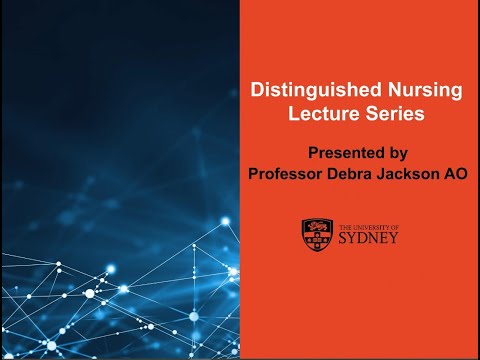
I have a dream: nurses, social justice and equity in healthcare
0
Xie posted on 2026/10/22Join Professor Deborah Jackson for a powerful lecture on how nurses can actively champion social justice and equity in modern healthcare. You'll gain insight into critical professional topics like structural racism and white privilege, while expanding your vocabulary for discussing systemic change and advocacy in clinical settings.
Learn this video on the APP!
The VoiceTube App has more in-depth practice for videos!