indigenous
US /ɪnˈdɪdʒənəs/
・UK /ɪnˈdɪdʒənəs/
B1TOEIC
adj.AdjectiveBeing naturally from an area, not somewhere else
The indigenous people have lived on the island for a long time
adj.AdjectiveRelating to the people who are native to a particular region.
The museum features artifacts from indigenous cultures.
adj.AdjectiveRelating to the traditional culture and knowledge of native people.
The government is working to protect indigenous languages.
n. (c./u.)Noun (Countable/Uncountable)The traditional knowledge and practices of indigenous peoples.
The project aims to incorporate indigenous knowledge into environmental management.
n. (c./u.)Noun (Countable/Uncountable)The original inhabitants of a particular region or country.
The museum features artifacts from various indigenous peoples.
Video subtitles
How the “lost cities” of the Amazon were finally found

- They encountered many groups of indigenous people, some of whom had long ago built huge cities.
They encountered many groups of indigenous people, some of whom had long ago built huge cities.
- They encountered many groups of indigenous people
They encountered many groups of indigenous people
The Cascadia Fault Is Ready To Rupture: A MEGA Earthquake Is Coming!
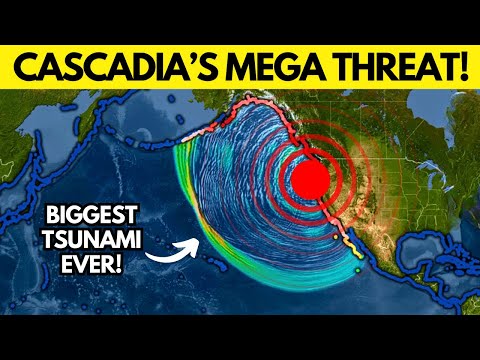
- Historical records from indigenous oral traditions and sedimentary evidence of coastal subsidence have corroborated the occurrence of this event.
Historical records from indigenous oral traditions and sedimentary evidence of coastal subsidence have corroborated the occurrence of this event.
- Historical records from indigenous oral traditions and sedimentary evidence of coastal subsidence have corroborated the occurrence of this event.
Historical records from indigenous oral traditions and sedimentary evidence of coastal subsidence have corroborated the occurrence of this event.
Why Taiwan's East Coast Is Basically Empty
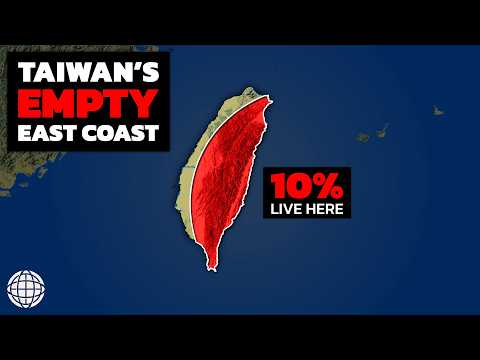
- It's not actually recognized as an independent state and this has a lot to do with how and why Taiwan was settled by China and One of the most important things to remember in this story is that the island has been home to indigenous peoples for thousands of years These people are not directly related to the Chinese In fact, they are Austronesian speaking groups who arrived along the same migration patterns as New Zealand, Polynesia Hawaii and Indonesia these indigenous groups developed distinct cultures and lived in scattered communities Primarily in the mountainous interior and along the coasts their presence remains a significant part of Taiwan's identity today Though they make up only about 2% of the population or about 600,000 people So in a way Taiwan is as much of a colonized country as many parts of the Western Hemisphere But let's get back to how modern Taiwan was established the earliest mentions of Taiwan interacting with China begin around the year 230 when military troops from the Eastern Wu Kingdom of China's Three kingdoms period landed on its shores though There is some debate on whether this was actually Taiwan that they landed on or not Various reports would include some mention of Taiwan albeit under different names for the next 1,400 years During the 1600s Taiwan became a contested territory the Dutch established a colony in the south the Spanish briefly held territory in the north and Chinese settlers mostly from Fujian province Gradually moved on to the island the Dutch were eventually expelled by Koxinga a Ming loyalist who used Taiwan as a base of resistance against the Qing Dynasty however his rule was short-lived as Qing forces took control of Taiwan in 1683 and Incorporated it into their Empire for over two centuries Taiwan remained under Qing rule though its position on the Empire's periphery meant it was often overlooked this changed in 1895 when the Qing were forced to cede Taiwan to Japan after their defeat in the first Sino-Japanese war the Japanese brought Modernization to the island building infrastructure railways and industry while also implementing strict colonial rule Though resistance existed Japan's influence reshaped Taiwan leaving a legacy that persists in aspects of its architecture education and economy after Japan's defeat in World War two Taiwan was handed back to China in 1945 and this proved to be very lucky for the Taiwan that exists today While remaining as a backwater through much of China's history Taiwan would eventually occupy a prominent place in the Chinese Civil War which had begun in the late 1920s The Nationalist Republic of China government under Chiang Kai-shek fought against the communist forces led by Mao Zedong despite initial advantages the Nationalists suffered a series of devastating defeats due to poor leadership corruption and dwindling public support by 1949 the communists had gained control of mainland China Forcing the Nationalist government to retreat to Taiwan Chiang Kai-shek and his followers established their base on the island bringing with them millions of refugees military forces and much of China's cultural and financial wealth at the time though the Nationalist government continued to claim sovereignty over all of China its control was Effectively limited to Taiwan and a few offshore islands It was during this period that saw much of the Western world namely the United States Canada and Western Europe aligned with Taiwan and recognized it as a country leaving mainland China as a global outsider however between 1950 and 1971 this recognition gradually eroded as Western countries sought to recognize mainland China as the sole China in order to establish trade with the much larger economic base and Because mainland China still claimed ownership of Taiwan it mandated that no country could recognize Taiwan as an independent country Despite the fact that it is independent for all intents and purposes This isolated Taiwan from global diplomacy, but not from global trade despite its diplomatic isolation Taiwan's economy surged in the late 1900s transforming from an agrarian society into a global industrial and technological powerhouse Democratic reforms began in the late 1980s culminating in the first direct presidential election in 1996 since then Taiwan has functioned as a democratic society distinct from mainland China Despite Beijing's continued claims over the island which leads us to today's population divide Hey, sorry for the interruption.
It's not actually recognized as an independent state and this has a lot to do with how and why Taiwan was settled by China and One of the most important things to remember in this story is that the island has been home to indigenous peoples for thousands of years These people are not directly related to the Chinese In fact, they are Austronesian speaking groups who arrived along the same migration patterns as New Zealand, Polynesia Hawaii and Indonesia these indigenous groups developed distinct cultures and lived in scattered communities Primarily in the mountainous interior and along the coasts their presence remains a significant part of Taiwan's identity today Though they make up only about 2% of the population or about 600,000 people So in a way Taiwan is as much of a colonized country as many parts of the Western Hemisphere But let's get back to how modern Taiwan was established the earliest mentions of Taiwan interacting with China begin around the year 230 when military troops from the Eastern Wu Kingdom of China's Three kingdoms period landed on its shores though There is some debate on whether this was actually Taiwan that they landed on or not Various reports would include some mention of Taiwan albeit under different names for the next 1,400 years During the 1600s Taiwan became a contested territory the Dutch established a colony in the south the Spanish briefly held territory in the north and Chinese settlers mostly from Fujian province Gradually moved on to the island the Dutch were eventually expelled by Koxinga a Ming loyalist who used Taiwan as a base of resistance against the Qing Dynasty however his rule was short-lived as Qing forces took control of Taiwan in 1683 and Incorporated it into their Empire for over two centuries Taiwan remained under Qing rule though its position on the Empire's periphery meant it was often overlooked this changed in 1895 when the Qing were forced to cede Taiwan to Japan after their defeat in the first Sino-Japanese war the Japanese brought Modernization to the island building infrastructure railways and industry while also implementing strict colonial rule Though resistance existed Japan's influence reshaped Taiwan leaving a legacy that persists in aspects of its architecture education and economy after Japan's defeat in World War two Taiwan was handed back to China in 1945 and this proved to be very lucky for the Taiwan that exists today While remaining as a backwater through much of China's history Taiwan would eventually occupy a prominent place in the Chinese Civil War which had begun in the late 1920s The Nationalist Republic of China government under Chiang Kai-shek fought against the communist forces led by Mao Zedong despite initial advantages the Nationalists suffered a series of devastating defeats due to poor leadership corruption and dwindling public support by 1949 the communists had gained control of mainland China Forcing the Nationalist government to retreat to Taiwan Chiang Kai-shek and his followers established their base on the island bringing with them millions of refugees military forces and much of China's cultural and financial wealth at the time though the Nationalist government continued to claim sovereignty over all of China its control was Effectively limited to Taiwan and a few offshore islands It was during this period that saw much of the Western world namely the United States Canada and Western Europe aligned with Taiwan and recognized it as a country leaving mainland China as a global outsider however between 1950 and 1971 this recognition gradually eroded as Western countries sought to recognize mainland China as the sole China in order to establish trade with the much larger economic base and Because mainland China still claimed ownership of Taiwan it mandated that no country could recognize Taiwan as an independent country Despite the fact that it is independent for all intents and purposes This isolated Taiwan from global diplomacy, but not from global trade despite its diplomatic isolation Taiwan's economy surged in the late 1900s transforming from an agrarian society into a global industrial and technological powerhouse Democratic reforms began in the late 1980s culminating in the first direct presidential election in 1996 since then Taiwan has functioned as a democratic society distinct from mainland China Despite Beijing's continued claims over the island which leads us to today's population divide Hey, sorry for the interruption.
- Flatland is scarce roads and railways must navigate rugged terrain and much of the area remains covered in dense Vegetation or protected national parks such as Kenting and Taroko But while Taiwan is very mountainous overall the western part consists of broad plains and rolling hills that provide ample space for cities infrastructure and perhaps most importantly Agriculture and more to that point the relatively flat land in the West allows for efficient transportation networks the construction of industrial hubs and the expansion of urban centers such as Taipei Taichung and Kaohsiung for example in 1999 Taiwan began construction of its first and only High-speed rail line linking the country's capital at Taipei with its large southern city, Kaohsiung Taiwan's high-speed rail which can travel up to 300 kilometers per hour can only really be built in flatter areas as Such nearly all of Taiwan's west coast is connected to its high-speed rail network Its east coast though It would be very challenging to make it work there due to the mountainous topography This kind of infrastructure keeps the country's population and industry focused on Taiwan's west coast, but it's not all about Infrastructure Taiwan is very prone to natural disasters But while it's a small island not all of Taiwan suffers these disasters in the same way frequent earthquakes and typhoons disproportionately impact the central and eastern regions You see the island sits at the boundary between the Philippine sea plate and the Eurasian plate making it highly seismically active In fact most of Taiwan's east coast between the cities of Taitung and Hualien Sits on the Chishang Fault a very active fault line that creates a large earthquake every few years in 2024 a magnitude 7.4 earthquake ripped through Hualien causing extensive damage and loss of life for the city and region While Taiwan's western cities can feel these same earthquakes They're rarely subjected to the full force in the same way as the country's east coast But also Taiwan's east coast routinely suffers from another devastating natural disaster large and powerful typhoons that form over the Pacific Ocean in 2024 alone Taiwan was hit by three powerful typhoons Typhoon Kong Ray the largest typhoon to hit Taiwan since 1996 sustained winds of up to 185 kilometers per hour this storm slammed into the country's east coast causing Extensive damage during a period of time when Taiwan was still trying to rebuild after its recent earthquake And while the whole country was under a typhoon warning It's the country's east coast that took the brunt of it suffice it to say natural disasters Don't make living in eastern Taiwan easy, but there are other economic factors at play as well One of the biggest factors is Taiwan's economic relationship with mainland China the west coast facing the Taiwan Strait is Strategically positioned to facilitate trade and transportation links with China Which remains Taiwan's largest trading partner with more than 40% of Taiwan's goods exported to its cousin country Major ports such as Kaohsiung Taichung and Keelung handle the vast majority of Taiwan's international trade Serving as gateways for goods moving between Taiwan and the global market this proximity has influenced Taiwan's economic development With industries clustering in areas that provide easy access to shipping routes and international markets the eastern coast in Contrast faces the wide open Pacific Ocean making trade and transportation routes less convenient This proximity to the mainland is reflected throughout history early Chinese settlers who arrived in increasing numbers during the Ming and Qing Dynasties primarily landed on the western side of the island the West's flatter terrain and fertile plains allowed for agriculture While the indigenous populations in the central and eastern mountains resisted large-scale settlement Even during the Japanese colonial era when major infrastructure projects such as railways and roads were developed the emphasis remained on the west coast due to its economic potential and Accessibility while the Taiwanese government has made efforts to develop the east including improved transportation networks such as the Sihua highway And the Eastern Line Railway the region remains far less populated than the West Hualien and Taitung the largest cities in eastern Taiwan are small compared to their western counterparts and function more as regional centers than major urban hubs Today Taiwan's west coast is home to about 90% of all of Taiwan's population Or a little more than 21 million people this would be led by New Taipei with 4 million people Kaohsiung with 2.8 million Taichung and Taipei with 2.7 million Taiwan with 2.1 million and Tainan with 1.8 million people by contrast Central and eastern Taiwan is home to just 2.5 million people smaller than most of Taiwan's west coast cities This region would be led by Hualien and Taitung with just 106,000 people each Guys, I'm literally walking through Hualien as I record this and let me tell you The eastern side of Taiwan is Incredibly beautiful, which is to say if you ever do visit Taiwan Don't skip out on coming to the east coast because the geography here is stunning But if you don't plan on visiting Taiwan anytime soon, and you do want to experience it Be sure to check out the two videos I have on Taiwan over on my travel channel Alex and I first go down the west coast and then back up the east coast and it's a lot of fun I hope you enjoyed learning all about Taiwan If you did, please like the video and subscribe to the channel if you want to watch more videos consider this one on Columbia's empty West Coast and Be sure to check out my adventures in Taiwan right here.
Flatland is scarce roads and railways must navigate rugged terrain and much of the area remains covered in dense Vegetation or protected national parks such as Kenting and Taroko But while Taiwan is very mountainous overall the western part consists of broad plains and rolling hills that provide ample space for cities infrastructure and perhaps most importantly Agriculture and more to that point the relatively flat land in the West allows for efficient transportation networks the construction of industrial hubs and the expansion of urban centers such as Taipei Taichung and Kaohsiung for example in 1999 Taiwan began construction of its first and only High-speed rail line linking the country's capital at Taipei with its large southern city, Kaohsiung Taiwan's high-speed rail which can travel up to 300 kilometers per hour can only really be built in flatter areas as Such nearly all of Taiwan's west coast is connected to its high-speed rail network Its east coast though It would be very challenging to make it work there due to the mountainous topography This kind of infrastructure keeps the country's population and industry focused on Taiwan's west coast, but it's not all about Infrastructure Taiwan is very prone to natural disasters But while it's a small island not all of Taiwan suffers these disasters in the same way frequent earthquakes and typhoons disproportionately impact the central and eastern regions You see the island sits at the boundary between the Philippine sea plate and the Eurasian plate making it highly seismically active In fact most of Taiwan's east coast between the cities of Taitung and Hualien Sits on the Chishang Fault a very active fault line that creates a large earthquake every few years in 2024 a magnitude 7.4 earthquake ripped through Hualien causing extensive damage and loss of life for the city and region While Taiwan's western cities can feel these same earthquakes They're rarely subjected to the full force in the same way as the country's east coast But also Taiwan's east coast routinely suffers from another devastating natural disaster large and powerful typhoons that form over the Pacific Ocean in 2024 alone Taiwan was hit by three powerful typhoons Typhoon Kong Ray the largest typhoon to hit Taiwan since 1996 sustained winds of up to 185 kilometers per hour this storm slammed into the country's east coast causing Extensive damage during a period of time when Taiwan was still trying to rebuild after its recent earthquake And while the whole country was under a typhoon warning It's the country's east coast that took the brunt of it suffice it to say natural disasters Don't make living in eastern Taiwan easy, but there are other economic factors at play as well One of the biggest factors is Taiwan's economic relationship with mainland China the west coast facing the Taiwan Strait is Strategically positioned to facilitate trade and transportation links with China Which remains Taiwan's largest trading partner with more than 40% of Taiwan's goods exported to its cousin country Major ports such as Kaohsiung Taichung and Keelung handle the vast majority of Taiwan's international trade Serving as gateways for goods moving between Taiwan and the global market this proximity has influenced Taiwan's economic development With industries clustering in areas that provide easy access to shipping routes and international markets the eastern coast in Contrast faces the wide open Pacific Ocean making trade and transportation routes less convenient This proximity to the mainland is reflected throughout history early Chinese settlers who arrived in increasing numbers during the Ming and Qing Dynasties primarily landed on the western side of the island the West's flatter terrain and fertile plains allowed for agriculture While the indigenous populations in the central and eastern mountains resisted large-scale settlement Even during the Japanese colonial era when major infrastructure projects such as railways and roads were developed the emphasis remained on the west coast due to its economic potential and Accessibility while the Taiwanese government has made efforts to develop the east including improved transportation networks such as the Sihua highway And the Eastern Line Railway the region remains far less populated than the West Hualien and Taitung the largest cities in eastern Taiwan are small compared to their western counterparts and function more as regional centers than major urban hubs Today Taiwan's west coast is home to about 90% of all of Taiwan's population Or a little more than 21 million people this would be led by New Taipei with 4 million people Kaohsiung with 2.8 million Taichung and Taipei with 2.7 million Taiwan with 2.1 million and Tainan with 1.8 million people by contrast Central and eastern Taiwan is home to just 2.5 million people smaller than most of Taiwan's west coast cities This region would be led by Hualien and Taitung with just 106,000 people each Guys, I'm literally walking through Hualien as I record this and let me tell you The eastern side of Taiwan is Incredibly beautiful, which is to say if you ever do visit Taiwan Don't skip out on coming to the east coast because the geography here is stunning But if you don't plan on visiting Taiwan anytime soon, and you do want to experience it Be sure to check out the two videos I have on Taiwan over on my travel channel Alex and I first go down the west coast and then back up the east coast and it's a lot of fun I hope you enjoyed learning all about Taiwan If you did, please like the video and subscribe to the channel if you want to watch more videos consider this one on Columbia's empty West Coast and Be sure to check out my adventures in Taiwan right here.
How Do We Produce Food? Crash Course Geography #43
- Many geographical place names also don't reflect the indigenous or Aboriginal people's languages.
Many geographical place names also don't reflect the indigenous or Aboriginal people's languages.
- We encourage you to learn about the history of the place you call home through resources like native-land.ca and by engaging with your local indigenous and Aboriginal nations through the websites and resources they provide.
We encourage you to learn about the history of the place you call home through resources like native-land.ca and by engaging with your local indigenous and Aboriginal nations through the websites and resources they provide.
Improve Your English Vocabulary: 5 terms for a healthy life

- seasoning. That's why in a lot of indigenous foods, or a lot of native
seasoning. That's why in a lot of indigenous foods, or a lot of native
- That's why in a lot of indigenous foods or a lot of native foods to certain areas, they will use leg meat more than breast meat because it gets more flavor.
That's why in a lot of indigenous foods or a lot of native foods to certain areas, they will use leg meat more than breast meat because it gets more flavor.
What is the impact of lithium mining? | BBC News
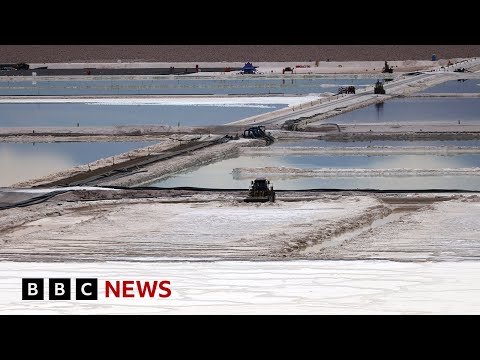
- They say it's needed to tackle climate change globally, but indigenous communities here are worried about what it means for the environment locally.
They say it's needed to tackle climate change globally, but indigenous communities here are worried about what it means for the environment locally.
- but indigenous communities here are worried about what it means for the environment locally.
but indigenous communities here are worried about what it means for the environment locally.
A Local's Guide To Must-See New Mexico | Best In Travel 2023

- I've performed around the world and toured with Cirque du Soleil, but this indigenous land under the open turquoise skies of New Mexico is my home.
I've performed around the world and toured with Cirque du Soleil, but this indigenous land under the open turquoise skies of New Mexico is my home.
- but this Indigenous land under the open turquoise skies of New Mexico is my home.
but this Indigenous land under the open turquoise skies of New Mexico is my home.
Yosemite National Park in 4K | Backpacking, Hiking, and Camping at North Dome/Upper Falls
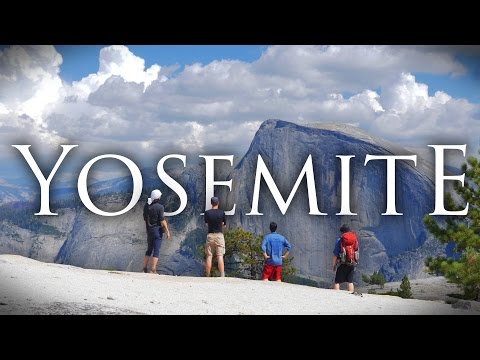
- ...was once home to to the indigenous people
who called it Ahwahnee, or "The Wide Mouth".
...was once home to to the indigenous people who called it Ahwahnee, or "The Wide Mouth".
- its vibrant meadows, was once home to the indigenous people who called it Awani or the Wide Mouth.
its vibrant meadows, was once home to the indigenous people who called it Awani or the Wide Mouth.
10 Things Andrew Garfield Can’t Live Without | 10 Essentials

- And this is him going into lots of indigenous cultures around the world and looking at our original human wisdom and how it can apply to some meaninglessness in today's world.
And this is him going into lots of indigenous cultures around the world and looking at our original human wisdom and how it can apply to some meaninglessness in today's world.
- And this is him going into lots of indigenous cultures around the world and looking at our original human wisdom and how it can apply to our meaninglessness in today's world.
And this is him going into lots of indigenous cultures around the world and looking at our original human wisdom and how it can apply to our meaninglessness in today's world.
Taiwan President Tsai Ing-wen on her legacy, China and the future | BBC News

- Instead of trying to conciliate China, she's built up Taiwan's own defences, nearly doubling spending, buying new fighter jets and developing Taiwan's first indigenous submarines.
Instead of trying to conciliate China, she's built up Taiwan's own defences, nearly doubling spending, buying new fighter jets and developing Taiwan's first indigenous submarines.
- and developing Taiwan's first indigenous submarines.
and developing Taiwan's first indigenous submarines.