
agency
US /ˈedʒənsi/
UK /'eɪdʒənsɪ/
- Noun (Countable/Uncountable)
- Business that provides some service for others
B1TOEICMoreairport
US /ˈerpɔ:rt/
UK /ˈeəpɔ:t/
- Noun
- A place where passenger planes land and take off
B1TOEICMoreassume
US /əˈsum/
UK /ə'sju:m/
- Transitive Verb
- To act in a false manner to mislead others
- To believe, based on the evidence; suppose
A2TOEICMorebiological
US /ˌbaɪəˈlɑdʒɪkəl/
UK /ˌbaɪəˈlɒdʒɪkl/
- Adjective
- Being related to life and living things
- A substance, such as a detergent, that contains enzymes.
B1Morecivilian
US /sɪˈvɪljən/
UK /sə'vɪlɪən/
- Countable Noun
- Ordinary person who is not in the army
- Adjective
- Relating to civilians; not military.
B2Moreconcern
US /kənˈsɚn/
UK /kənˈsɜ:n/
- Verb (Transitive/Intransitive)
- To be about a particular topic
- To have a direct impact on someone
- Noun (Countable/Uncountable)
- Company, firm or business
- Feeling of worry or anxiety
A2TOEICMoreconflict
US /ˈkɑnˌflɪkt/
UK /'kɒnflɪkt/
- Noun (Countable/Uncountable)
- Argument or struggle between two or more parties
- A serious disagreement or argument.
- Verb (Transitive/Intransitive)
- To have opposite ideas; to disagree; To not match
A2Moredatum
US /ˈdetəm, ˈdætəm, ˈdɑtəm/
UK /ˈdeɪtəm/
- Noun
- Item of factual information
B1Moredetermine
US /dɪˈtɚmɪn/
UK /dɪ'tɜ:mɪn/
- Transitive Verb
- To control exactly how something will be or act
- To establish the facts about; discover
A2TOEICMoredisease
US /dɪˈziz/
UK /dɪˈzi:z/
- Noun (Countable/Uncountable)
- Illness that affects a person, animal, or plant
- A disorder of structure or function in a plant, especially one caused by a pathogen.
- Transitive Verb
- To affect with disease; to corrupt or sicken.
A2TOEICMoreexperience in
US
UK
- Phrase
- Knowledge or skill gained from doing something for a period of time.
- Exposure to or involvement in a particular activity or situation.
B1Moreexpert
US /ˈɛkˌspɚt/
UK /'ekspɜ:t/
- Countable Noun
- Skillful person with special knowledge
- Adjective
- Having special knowledge or skill
A2TOEICMorefeel like
US
UK
- Intransitive Verb
- To have a desire or inclination for something.
- To have a particular quality or sensation; resemble.
A1Morefor sure
US /fɔr ʃʊr/
UK /fɔ: ʃuə/
- Adverb
- Definitely; certainly; without a doubt.
- Used to emphasize a statement.
- Interjection
- An expression of strong agreement or affirmation.
A2Moregoing on
US /ˈɡoɪŋ ɑn/
UK /ˈgəʊɪŋ ɔn/
- Phrasal Verb
- To continue doing something
- To happen (usually negative)
A1Morehave to
US /hæv tu/
UK /ˈhæv tə/
- Auxiliary Verb
- Must do
A1Morehighly unlikely
US
UK
- Adjective
- Not likely to happen or be true; improbable.
B1Morein terms of
US
UK
- Phrase
- With regard to; concerning a particular aspect.
A1Moreincubation
US /ˌɪnkjəˈbeʃən, ˌɪŋ-/
UK /ˌɪŋkjuˈbeɪʃn/
- Uncountable Noun
- Development in a particular environment
- Keeping eggs warm until hatched
B2Moreissue
US /ˈɪʃu/
UK /'ɪʃu:/
- Transitive Verb
- To make something available to be used or sold
- To deliver a statement, etc. in an official manner
- Noun (Countable/Uncountable)
- Important topic discussed, debated or argued over
- Single edition of a magazine
A2TOEICMoreknow about
US /noʊ əˈbaʊt/
UK /nəʊ əˈbaut/
- Phrasal Verb
- To have information or understanding of a subject or situation.
lab
US /læb/
UK /læb/
- Noun (Countable/Uncountable)
- Short for 'laboratory'
B1Morelack
US /læk/
UK /læk/
- Verb (Transitive/Intransitive)
- To not have, or not have enough, of something
- Uncountable Noun
- The state of not having or not having enough of
A2TOEICMorelook at
US /lʊk æt/
UK /luk æt/
- Phrasal Verb
- To use your eyes to focus on something
- To focus your eyes on something carefully
A1Moremake of
US /mek ʌv/
UK /meik ɔv/
- Phrasal Verb
- To understand or have an opinion about something
- To create or produce something from a particular material
A1Moremilitary
US /ˈmɪlɪˌtɛri/
UK /'mɪlətrɪ/
- Noun
- Army or armed forces
- Adjective
- Concerning the army or navy
B1Moreobservation
US /ˌɑbzɚˈveʃən/
UK /ˌɒbzəˈveɪʃn/
- Noun (Countable/Uncountable)
- Remark or comment on something you noticed
- Practice of performing actions required by rules
B1Moreoccur
US /əˈkɚ/
UK /əˈkɜ:(r)/
- Intransitive Verb
- To come to pass or to happen
- To be found to exist; to be present.
A2TOEICMoreof course
US /ʌv kɔː(r)s/
UK /ɔv kɔː(r)s/
- Adverb
- Sure ; Certainly
- Phrase
- For sure; certainly
A2Moreon the ground
US
UK
- Phrase
- Located on the surface of the earth.
- Present and available in a particular place, especially to deal with a situation.
outbreak
US /ˈaʊtˌbrek/
UK /ˈaʊtbreɪk/
- Noun (Countable/Uncountable)
- Sudden occurrence of illness, discontent etc.
- A sudden occurrence of something unwelcome, such as war or disease.
B2Morepandemic
US /pænˈdɛmɪk/
UK /pæn'demɪk/
- Adjective
- (of a disease) existing in almost all of an area or in almost all of a group of people, animals, or plants
- Noun
- a pandemic disease
C2Morepath
US /pæθ, pɑθ/
UK /pɑ:θ/
- Noun
- Method of living leading to a particular result
- Track made with stones, by walking over the ground
A2TOEICMorepathogen
US /ˈpæθədʒən/
UK /ˈpæθədʒən/
- Noun
- Any disease-producing agent
C1Moreplague
US /pleɡ/
UK /pleɪɡ/
- Transitive Verb
- To cause to have continual problems with something
- Noun (Countable/Uncountable)
- (Deadly) disease passing rapidly between people
- An unusually large number of insects or animals infesting a place and causing damage.
B1Moreplenty
US /ˈplɛnti/
UK /'plentɪ/
- Pronoun
- When there is not too little of something; a lot
- Uncountable Noun
- A large or sufficient amount or quantity; abundance.
- A lot of something
A2Morepneumonia
US /nu:ˈmoʊniə/
UK /nju:ˈməʊniə/
- Uncountable Noun
- Serious illness affecting the lungs and breathing
B2Morepotentially
US /pəˈtɛnʃəlɪ/
UK /pə'tenʃəlɪ/
- Adverb
- That could happen or become reality
B1Morequarantine
US /ˈkwɔrənˌtin, ˈkwɑr-/
UK /'kwɒrənti:n/
- Transitive Verb
- To isolate ill people to prevent disease spreading
- Noun (Countable/Uncountable)
- The place to isolate sick plants, animals
C1Moreread into
US
UK
- Phrasal Verb
- To interpret or find a meaning in something beyond what is openly expressed.
- To assume that something has a particular meaning or significance.
A1Moreresearch
US /rɪˈsɚtʃ, ˈriˌsɚtʃ/
UK /rɪ'sɜ:tʃ/
- Verb (Transitive/Intransitive)
- To study in order to discover new ideas and facts
- To study the market relating to marketing products and services.
- Noun (Countable/Uncountable)
- Study done to discover new ideas and facts
- A particular area or topic of study.
A2TOEICMoreresponse
US /rɪˈspɑns/
UK /riˈspɔns/
- Noun
- Something said/written as an answer to something
- Reaction to something that has occurred
A2TOEICMorerough it
US
UK
- Intransitive Verb
- To live temporarily in basic and uncomfortable conditions.
B1Morerun of the mill
US /rʌn əv ðə mɪl/
UK /rʌn əv ðə mɪl/
- other
- Ordinary, average, or common; not special or unique.
B1Moreshut down
US /ʃʌt daʊn/
UK /ʃʌt daun/
- Phrasal Verb
- To close an operating system, e.g. on a computer
- To stop a factory/machine from operating
- Transitive Verb
- To deactivate a nuclear reactor.
- To turn off a computer or other electronic device.
A2Morespread
US /sprɛd/
UK /spred/
- Noun (Countable/Uncountable)
- A big meal, often laid out as a buffet
- The distance between two things
- Verb (Transitive/Intransitive)
- To place over a large area; to cover a large area
- (Of ideas, gossip) to pass to and affect others
A2TOEICMoresurveillance
US /sɚˈveləns/
UK /sɜ:'veɪləns/
- Uncountable Noun
- Careful watching of a person/place, e.g. by police
B2TOEICMoretalking about
US
UK
- Phrasal Verb
- To discuss a particular topic.
- To be constantly mentioning or bringing up a subject.
A1Moretemper
US /ˈtɛmpɚ/
UK /ˈtempə(r)/
- Noun (Countable/Uncountable)
- An angry mood or fit; temperament
- Lack of calmness
- Transitive Verb
- To dilute something or make it less severe
- To heat metal to make it hard or flexible
B1TOEICMorethink about
US /θɪŋk əˈbaʊt/
UK /θiŋk əˈbaut/
- Phrasal Verb
- To consider something carefully.
- To remember or call to mind.
A1Moreto the point
US /tu ði pɔɪnt/
UK /tu: ðə pɔint/
- Adjective
- Expressing something directly and without unnecessary detail.
- Phrase
- Relevant and pertinent to the matter at hand.
A2Moretransparency
US /trænsˈpɛrənsi, -ˈpær-/
UK /trænsˈpærənsi/
- Uncountable Noun
- Quality of being open to see/to public criticism
- Fact of being able to be seen through
- Noun
- A picture or design printed on clear plastic or glass that can be shown on a screen by shining light through it.
- A photographic positive image on transparent material.
B2Moretransparent
US /trænsˈpærənt/
UK /trænsˈpærənt/
- Adjective
- Being open to see and to public criticism
- Able to be seen through
B2Moreunder observation
US
UK
- Phrase
- Being watched or monitored, typically for a specific reason.
- Being monitored for medical reasons.
B2Moreunknown
US /ˌʌnˈnoʊn/
UK /ˌʌnˈnəʊn/
- Adjective
- Not being known or famous
- Being unfamiliar or not known
- Countable Noun
- Person who is not famous or known by many
B1Moreused to
US /juzd tu/
UK /ˈju:st tə/
- Adjective
- Did regularly before, but don't do now
- Auxiliary Verb
- Have done before, but do not do now
A1Morewhole point
US
UK
- Phrase
- The main purpose or most important aspect of something.
- The primary reason or objective.
A2Moreworth
US /wɚθ/
UK /wɜ:θ/
- Noun (Countable/Uncountable)
- the financial, practical or moral value of somebody/something
- having a particular value, especially in money
- Adjective
- Having a specified value.
A2More
Vocabulary
- run of the mill: Ordinary, average, or common; not special or unique.
- going on: To continue doing something
- have to: Must do
- talking about: To discuss a particular topic.
- in terms of
- make of: To understand or have an opinion about something
- under observation: Being watched or monitored, typically for a specific reason.
- rough it: To live temporarily in basic and uncomfortable conditions.
- used to: Did regularly before, but don't do now
- of course: Sure ; Certainly
- shut down: To close an operating system, e.g. on a computer
- read into: To interpret or find a meaning in something beyond what is openly expressed.
- to the point: Expressing something directly and without unnecessary detail.
- feel like: To have a desire or inclination for something.
- look at: To use your eyes to focus on something
- think about: To consider something carefully.
- know about: To have information or understanding of a subject or situation.
- on the ground: Located on the surface of the earth.
- whole point: The main purpose or most important aspect of something.
- for sure: Definitely; certainly; without a doubt.
- experience in: Knowledge or skill gained from doing something for a period of time.
- highly unlikely: Not likely to happen or be true; improbable.
- sort: To organize things by putting them into groups
- assume: To act in a false manner to mislead others
- pandemic: (of a disease) existing in almost all of an area or in almost all of a group of people, animals, or plants
- period: Set amount of time during which events take place
- determine: To control exactly how something will be or act
- experience: Thing a person has done or that happened to them
- potentially: That could happen or become reality
- conflict: Argument or struggle between two or more parties
- plenty: When there is not too little of something; a lot
- develop: To explain something in steps and in detail
- disease: Illness that affects a person, animal, or plant
- research: To study in order to discover new ideas and facts
- spread: A big meal, often laid out as a buffet
- bit: Device put in a horse's mouth to control it
- lack: To not have, or not have enough, of something
- surveillance: Careful watching of a person/place, e.g. by police
- worth: the financial, practical or moral value of somebody/something
- expert: Skillful person with special knowledge
- military: Army or armed forces
- quarantine: To isolate ill people to prevent disease spreading
- occur: To come to pass or to happen
- concern: To be about a particular topic
- issue: To make something available to be used or sold
- deal: To cope with something - usually troubles
- pneumonia: Serious illness affecting the lungs and breathing
- path: Method of living leading to a particular result
- response: Something said/written as an answer to something
- transparent: Being open to see and to public criticism
- apply: To spread a substance or liquid over a surface
- plague: To cause to have continual problems with something
- reason: To think and make conclusions in a logical manner
- break: To create a new record e.g. running the 100m dash
- agency: Business that provides some service for others
- outbreak: Sudden occurrence of illness, discontent etc.
- observation: Remark or comment on something you noticed
- leave: To go away from; depart
- pathogen: Any disease-producing agent
- coronavirus: Any of a group of RNA viruses that cause a variety of diseases in humans and other animals.
- lot: What happens to a person in life from chance; fate
- biological: Being related to life and living things
- important: Having power or authority
- civilian: Ordinary person who is not in the army
- information: Collection of facts and details about something
- event: Any social gathering; occasion; planned activity
- temper: An angry mood or fit; temperament
- transparency: Quality of being open to see/to public criticism
- datum: Item of factual information
- lab: Short for 'laboratory'
- incubation: Development in a particular environment
- unknown: Not being known or famous
- airport: A place where passenger planes land and take off
Get the full experience in the app
Learn anywhere with detailed sentence and usage analysis
01:03
She took a brave step forward, leaving behind her comfort zone to chase her dreams.
Vocabulary
- brave
adj. Having courage
- comfort zone
phr. A familiar situation where one feels safe
Explanation
a brave step is a noun phrase, where brave is an adjective modifying the noun step, meaning "a courageous step".
forward is an adverb modifying step, meaning "ahead".
The whole phrase serves as the object, answering the "what" of took (verb) — she took a brave step forward.
Get the full experience in the app
Look up words anytime with pronunciation, part of speech, and usage
brave
US/brev/
UK/breɪv/
adj.Brave
v.t.To bravely face
A2 Elementary
Get the full experience in the app
Practice speaking anytime and get instant pronunciation feedback
Try this speaking exercise.
Try practicing with this sentence.
80
0
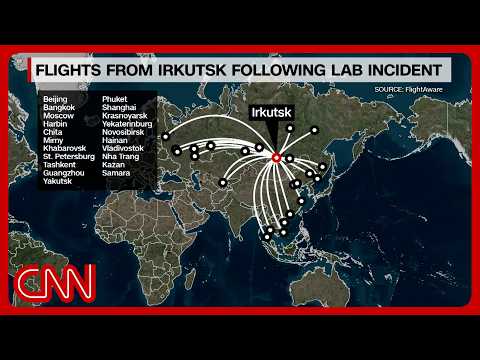
佛斯特 posted on 2026/10/11Curious about how experts analyze international health crises? This video dives into the concerns surrounding a potential plague case in Russia, offering you a great chance to practice professional vocabulary related to public health, biosecurity, and investigative reporting.
Learn this video on the APP!
The VoiceTube App has more in-depth practice for videos!