
affect
US /əˈfɛkt/
UK /ə'fekt/
- Transitive Verb
- To cause a change in something else
- To pretend to have or feel (something).
- Noun
- (Psychology) Emotion or feeling.
A2TOEICMoreall over the place
US
UK
- Phrase
- In a state of disorder; scattered everywhere.
- In many different locations; widely distributed.
- Adjective
- Mentally or emotionally disorganized; confused or erratic.
A1Morealong with
US /əˈlɔŋ wɪð/
UK /əˈlɔŋ wið/
- Preposition
- In addition to; together with.
- Adverb
- In company or together with someone or something.
- Including; in addition to.
A2Moreanalysis
US /əˈnælɪsɪs/
UK /əˈnæləsɪs/
- Uncountable Noun
- Careful study to better understand something
B1TOEICMoreanalyze
US /ˈænəˌlaɪz/
UK /'ænəlaɪz/
- Transitive Verb
- To study carefully to find out the meaning of
B1TOEICMoreas well as
US /æz wɛl æz/
UK /æz wel æz/
- Adverb
- Also; in addition to
- Preposition
- In addition to; and also.
A1Moreassume
US /əˈsum/
UK /ə'sju:m/
- Transitive Verb
- To act in a false manner to mislead others
- To believe, based on the evidence; suppose
A2TOEICMoreat work
US /æt wɚk/
UK /æt wə:k/
- Phrase
- Located at one's place of employment
A1Morebased on
US
UK
- Phrasal Verb
- To use something as the foundation or starting point for something else.
- Preposition
- Using something as the main idea or foundation.
- Relying on something as evidence or justification.
A1Morebrainstorm
US /ˈbreɪnstɔ:rm/
UK /ˈbreɪnstɔ:m/
- Verb (Transitive/Intransitive)
- To discuss concepts, ideas or solutions
- Countable Noun
- Group discussion about concepts or ideas
C1Morebunch
US /bʌntʃ/
UK /bʌntʃ/
- Noun (Countable/Uncountable)
- A group of things of the same kind
- A group of people.
- Transitive Verb
- To group people or things closely together
B1Morechart
US /tʃɑ:rt/
UK /tʃɑ:t/
- Noun (Countable/Uncountable)
- Drawing showing information in a clear way
- Map of the sea or stars
- Transitive Verb
- To make a plan for future action
- To make a map of
B1Morecome back
US /kʌm bæk/
UK /kʌm bæk/
- Phrasal Verb
- To reply to someone, often forcefully
- To be remembered
A1Morecontribute
US /kənˈtrɪbjut/
UK /kən'trɪbju:t/
- Verb (Transitive/Intransitive)
- To be a factor in causing something to happen
- To donate, give (money) or help to something
A2Morecorrelation
US /ˌkɔrəˈleʃən, ˌkɑr-/
UK /ˌkɒrəˈleɪʃn/
- Noun (Countable/Uncountable)
- The relationship between two variables
- A statistical measure that expresses the extent to which two variables are linearly related (meaning they change together at a constant rate).
B1Moredatum
US /ˈdetəm, ˈdætəm, ˈdɑtəm/
UK /ˈdeɪtəm/
- Noun
- Item of factual information
B1Moredefect
US /ˈdiˌfɛkt, dɪˈfɛkt/
UK /ˈdi:fekt/
- Noun
- Fault in someone or something
- Intransitive Verb
- To move to another country for political reasons
B1TOEICMoredefine
US /dɪˈfaɪn/
UK /dɪ'faɪn/
- Transitive Verb
- To explain the meaning of words
- To set or mark the limits of something
A2TOEICMorediagram
US /ˈdaɪəˌɡræm/
UK /'daɪəɡræm/
- Noun
- A drawing intended to explain how something works
- Transitive Verb
- To show or explain something by drawing a picture
B1Moredistribution
US /ˌdɪstrəˈbjuʃən/
UK /ˌdɪstrɪˈbju:ʃn/
- Noun (Countable/Uncountable)
- Dividing or spreading out to others
- Act of sending products to stores to sell
- Adjective
- Sending products to stores to sell
B1Moredo in
US
UK
- Phrasal Verb
- To make completely tired out and exhausted
- To destroy or cause damage to someone
A1Moredown with
US /daʊn wɪð/
UK /daun wið/
- Adjective
- Suffering from an illness.
- Agreeable to; in favor of.
- Interjection
- An expression of opposition to something.
A1Moreessentially
US /ɪˈsenʃəli/
UK /ɪˈsenʃəli/
- Adverb
- Basically; (said when stating the basic facts)
- Used to emphasize the basic truth or fact of a situation.
A2Morefantastic
US /fænˈtæstɪk/
UK /fænˈtæstɪk/
- Adjective
- Strange or unusual in design or appearance
- Very large, fast or great
A2Morefit into
US /fɪt ˈɪntu/
UK /fit ˈɪntuː/
- Phrasal Verb
- To be small enough to go inside something.
- To feel like you belong to a group.
A2Morefor example
US
UK
- Phrase
- As an illustration or instance.
get into it
US
UK
- Phrasal Verb
- To become interested in something and enjoy it.
- To start a career or profession.
- Intransitive Verb
- To become interested in something.
A1Morego ahead
US /ɡo əˈhɛd/
UK /ɡəu əˈhed/
- Phrasal Verb
- To start an activity; start doing, working etc.
- To give permission to do something
- Intransitive Verb
- To start or proceed with something
- To proceed despite potential obstacles or doubts.
A1Morego back to
US /ɡo bæk tu/
UK /ɡəu bæk tu:/
- Phrasal Verb
- To return to a starting point
A1Morehave to
US /hæv tu/
UK /ˈhæv tə/
- Auxiliary Verb
- Must do
A1Morehistogram
US
UK
- Countable Noun
- Bar chart representing a frequency distribution
C2Morehumidity
US /hjuˈmɪdɪti/
UK /hju:ˈmɪdəti/
- Uncountable Noun
- Amount of moisture in the air in a particular area
B1TOEICMoreidentify
US /aɪˈdɛntəˌfaɪ/
UK /aɪ'dentɪfaɪ/
- Transitive Verb
- To indicate who or what someone or something is
- To say exactly what something is
B1TOEICMorein control
US /ɪn kənˈtrol/
UK /in kənˈtrəul/
- Adjective
- Having the power to direct or regulate something; able to manage or direct a situation or person.
- Possessing self-restraint and the ability to manage one's own behavior and emotions.
- Phrase
- Having command or authority; managing effectively.
C1Morein fact
US /ɪn fækt/
UK /in fækt/
- Adverb
- Used to emphasize the truth of a statement, especially one that contrasts with or contradicts something else.
- Used to introduce a more detailed or surprising piece of information.
- Phrase
- Used to emphasize the truth of a statement, especially one that is surprising or contrary to what might be expected.
C1Morein reality
US /ɪn riˈælɪti/
UK /in riˈæliti/
- Phrase
- Actually; in fact; truly.
B2Moreincredibly
US /ɪnˈkrɛdəblɪ/
UK /ɪnˈkredəbli/
- Adverb
- To a great degree; very; amazingly
- Extremely; so much so it is hard to believe
A2Morelook at
US /lʊk æt/
UK /luk æt/
- Phrasal Verb
- To use your eyes to focus on something
- To focus your eyes on something carefully
A1Moreof course
US /ʌv kɔː(r)s/
UK /ɔv kɔː(r)s/
- Adverb
- Sure ; Certainly
- Phrase
- For sure; certainly
A2Moreon average
US /ɑn ˈævərɪdʒ/
UK /ɔn ˈævəridʒ/
- Phrase
- Typically; usually; based on an average calculation.
B1Moreon sunday
US
UK
- Phrase
- Every Sunday; each Sunday.
- Referring to a particular Sunday.
A1Moreon the same page
US /ɑn ðə ˈseɪm ˈpeɪdʒ/
UK /ɒn ðə ˈseɪm ˈpeɪdʒ/
- other
- To have a shared understanding or agreement about something.
B1Moreon to
US /ɑn tu/
UK /ɔn tu:/
- Preposition
- Toward something; forward
- Aware of someone's activities.
- Adjective
- Aware of someone's deception or illegal activities.
A1Moreout there
US /aʊt ðɛr/
UK /aut ðɛə/
- Adverb
- In or to a place that is far away
- Existing in the universe
- Adjective
- Unconventional; strange; avant-garde
- Existing or available.
A1Moreover time
US /ˈovɚ taɪm/
UK /ˈəuvə taim/
- Phrase
- Gradually; as time passes.
- During a long period.
- Adverb
- Gradually; as time passes.
B1Moreover to
US
UK
- Preposition
- Used to hand over to someone else to speak
- The responsibility is now yours
pattern
US /ˈpætən/
UK /'pætn/
- Noun (Countable/Uncountable)
- Model to follow in making or doing something
- Colors or shapes which are repeated on objects
- Transitive Verb
- To copy the way something else is made
- To decorate with a pattern.
A2TOEICMorephenomenon
US /fɪˈnɑməˌnɑn, -nən/
UK /fə'nɒmɪnən/
- Noun (Countable/Uncountable)
- Unusual event, fact that can be studied
- Interesting or unusual person, group
B1Moreplan out
US /plæn aʊt/
UK /plæn aut/
- Phrasal Verb
- To think about and decide on the details of something you want to do in the future.
A1Moreplot
US /plɑt/
UK /plɒt/
- Countable Noun
- Small piece of land for a house growing crops etc.
- Series of events that form the main story
- Transitive Verb
- To mark a path, etc. on a map, using lines or dots
- To devise or develop a dramatic storyline
B1Morepotential
US /pəˈtɛnʃəl/
UK /pəˈtenʃl/
- Adjective
- Capable of happening or becoming reality
- Having or showing the capacity to develop into something in the future.
- Uncountable Noun
- someone's or something's ability to develop, achieve, or succeed
A2TOEICMoreprocess
US /ˈprɑsˌɛs, ˈproˌsɛs/
UK /prə'ses/
- Transitive Verb
- To organize and use data in a computer
- To deal with official forms in the way required
- Noun (Countable/Uncountable)
- Dealing with official forms in the way required
- Set of changes that occur slowly and naturally
A2TOEICMorequality
US /ˈkwɑlɪti/
UK /'kwɒlətɪ/
- Noun (Countable/Uncountable)
- Feature associated with someone or something
- High level of worth or excellence
- Adjective
- Of a high standard
A2TOEICMorequantify
US /ˈkwɑ:ntɪfaɪ/
UK /ˈkwɒntɪfaɪ/
- Transitive Verb
- To find or calculate the quantity of something
B2Morerelationship
US /rɪˈleʃənˌʃɪp/
UK /rɪˈleɪʃnʃɪp/
- Noun (Countable/Uncountable)
- Connection between two or more people or things
- Way people interact or live with each other
A2TOEICMoreresponse
US /rɪˈspɑns/
UK /riˈspɔns/
- Noun
- Something said/written as an answer to something
- Reaction to something that has occurred
A2TOEICMorescatter
US /ˈskætɚ/
UK /'skætə(r)/
- Verb (Transitive/Intransitive)
- To throw or move into various different directions
- Transitive Verb
- To place or leave things in various places
B2Moreseparate
US /'sepəreɪt/
UK /'sepəreɪt/
- Adjective
- Being different from or unrelated to another
- Not connected; different.
- Transitive Verb
- To divide two things by being in between them
- To move things away from each other
A2TOEICMoresequence
US /ˈsikwəns, -ˌkwɛns/
UK /'si:kwəns/
- Noun
- Part of a movie showing one part of the story
- A particular order in which related events, movements, or things follow each other.
- Transitive Verb
- To arrange things in an order they should happen
A2TOEICMoresit down
US /sit daʊn/
UK /sit daun/
- Phrasal Verb
- To take a seat
A1Moretalking about
US
UK
- Phrasal Verb
- To discuss a particular topic.
- To be constantly mentioning or bringing up a subject.
A1Morethink about
US /θɪŋk əˈbaʊt/
UK /θiŋk əˈbaut/
- Phrasal Verb
- To consider something carefully.
- To remember or call to mind.
A1Moreto the effect
US /tu ði ɪˈfɛkt/
UK /tu ði iˈfekt/
- other
- Expressed in a way conveying the general meaning or intention.
B2Moretoaster
US /ˈtoʊstə(r)/
UK /ˈtəʊstə(r)/
- Noun
- Electrical appliance for making toast
B1Morewrite down
US /raɪt daʊn/
UK /rait daun/
- Phrasal Verb
- To record in writing
A1More
Vocabulary
- have to: Must do
- talking about: To discuss a particular topic.
- look at: To use your eyes to focus on something
- go ahead: To start an activity; start doing, working etc.
- come back: To reply to someone, often forcefully
- on to: Toward something; forward
- think about: To consider something carefully.
- along with: In addition to; together with.
- over time: Gradually; as time passes.
- in control: Having the power to direct or regulate something; able to manage or direct a situation or person.
- at work: Located at one's place of employment
- over to: Used to hand over to someone else to speak
- fit into: To be small enough to go inside something.
- get into it: To become interested in something and enjoy it.
- sit down: To take a seat
- on the same page: To have a shared understanding or agreement about something.
- plan out: To think about and decide on the details of something you want to do in the future.
- down with: Suffering from an illness.
- write down: To record in writing
- based on: To use something as the foundation or starting point for something else.
- in reality: Actually; in fact; truly.
- to the effect: Expressed in a way conveying the general meaning or intention.
- of course: Sure ; Certainly
- go back to: To return to a starting point
- for example: As an illustration or instance.
- on sunday: Every Sunday; each Sunday.
- do in: To make completely tired out and exhausted
- out there: In or to a place that is far away
- as well as: Also; in addition to
- all over the place: In a state of disorder; scattered everywhere.
- on average: Typically; usually; based on an average calculation.
- in fact: Used to emphasize the truth of a statement, especially one that contrasts with or contradicts something else.
- essentially: Basically; (said when stating the basic facts)
- assume: To act in a false manner to mislead others
- potential: Capable of happening or becoming reality
- incredibly: To a great degree; very; amazingly
- process: To organize and use data in a computer
- phenomenon: Unusual event, fact that can be studied
- bunch: A group of things of the same kind
- pattern: Model to follow in making or doing something
- matter: To be of great importance; to count
- experience: Thing a person has done or that happened to them
- effective: Working efficiently to produce a desired result
- identify: To indicate who or what someone or something is
- describe: To tell the appearance, sound, smell of something
- contribute: To be a factor in causing something to happen
- separate: Being different from or unrelated to another
- relationship: Connection between two or more people or things
- correlation: The relationship between two variables
- bit: Device put in a horse's mouth to control it
- quality: Feature associated with someone or something
- fantastic: Strange or unusual in design or appearance
- affect: To cause a change in something else
- response: Something said/written as an answer to something
- plot: Small piece of land for a house growing crops etc.
- sequence: Part of a movie showing one part of the story
- define: To explain the meaning of words
- effect: An advantage, benefit
- create: To make, cause, or bring into existence
- rate: To assess something or consider its qualities
- analyze: To study carefully to find out the meaning of
- normal: Standard or regular way of doing something
- notice: To become aware by sight, touch, or hearing
- distribution: Dividing or spreading out to others
- defect: Fault in someone or something
- analysis: Careful study to better understand something
- important: Having power or authority
- humidity: Amount of moisture in the air in a particular area
- hit: To have a negative impact on a person/place/thing
- control: A device designed to operate a machine
- simple: Not hard to understand or do; not complex
- act: To behave in a certain way
- scatter: To throw or move into various different directions
- chart: Drawing showing information in a clear way
- brainstorm: To discuss concepts, ideas or solutions
- diagram: A drawing intended to explain how something works
- datum: Item of factual information
- quantify: To find or calculate the quantity of something
- toaster: Electrical appliance for making toast
- histogram: Bar chart representing a frequency distribution
Get the full experience in the app
Learn anywhere with detailed sentence and usage analysis
01:03
She took a brave step forward, leaving behind her comfort zone to chase her dreams.
Vocabulary
- brave
adj. Having courage
- comfort zone
phr. A familiar situation where one feels safe
Explanation
a brave step is a noun phrase, where brave is an adjective modifying the noun step, meaning "a courageous step".
forward is an adverb modifying step, meaning "ahead".
The whole phrase serves as the object, answering the "what" of took (verb) — she took a brave step forward.
Get the full experience in the app
Look up words anytime with pronunciation, part of speech, and usage
brave
US/brev/
UK/breɪv/
adj.Brave
v.t.To bravely face
A2 Elementary
Get the full experience in the app
Practice speaking anytime and get instant pronunciation feedback
Try this speaking exercise.
Try practicing with this sentence.
80
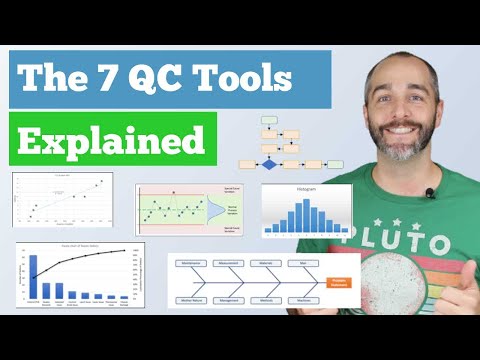
The 7 Quality Control (QC) Tools Explained with an Example!
0
Simon posted on 2026/10/10Ever wonder how to solve complex workplace problems like a pro? This video breaks down the 7 fundamental quality control tools, using a practical toaster repair example to show you how to use flowcharts and Pareto charts to get your team on the same page. It is a fantastic way to sharpen your professional vocabulary while learning how to turn raw data into real, actionable improvements.
Learn this video on the APP!
The VoiceTube App has more in-depth practice for videos!