
arising from
US
UK
- Phrasal Verb
- Originating from; being caused by.
around the world
US /əˈraʊnd ði wɜrld/
UK /əˈraund ðə wɜː(r)ld/
- Phrase
- In or to many countries.
- In various places throughout the world.
A2Moreas a result of
US
UK
- Phrase
- Because of something; owing to.
A1Moreas one
US
UK
- Adverb
- Acting or moving together at the same time.
- In complete agreement or unity.
- Phrase
- With a single voice or opinion; unanimously.
- In perfect harmony or unison.
A1Moreas soon as
US /æz sun æz/
UK /æz su:n æz/
- Phrase
- In a short time after (something happens)
- Without any delay; immediately
- Conjunction
- At the moment that, or immediately after.
A1Moreas such
US /æz sʌtʃ/
UK /æz sʌtʃ/
- Pronoun
- Something previously stated or understood
A1Moreas well as
US /æz wɛl æz/
UK /æz wel æz/
- Adverb
- Also; in addition to
- Preposition
- In addition to; and also.
A1Moreat home
US /æt hom/
UK /æt həum/
- Phrase
- In one's own residence or country.
- Adjective
- Feeling comfortable and relaxed.
at least
US /æt list/
UK /æt li:st/
- Adverb
- As a minimum
- Not less than
- Phrase
- No less than; at the minimum
- Used to indicate that something is positive in a bad situation.
C2Moreat the most
US /ət ðə ˈmoʊst/
UK /ət ðə ˈməust/
- other
- No more than; maximum amount or degree.
A2Moreattempt
US /əˈtɛmpt/
UK /ə'tempt/
- Verb (Transitive/Intransitive)
- To try to do something challenging or difficult
- Noun
- Effort made to try to do or accomplish something
A2TOEICMoreattribute
US /əˈtrɪbjut/
UK /əˈtrɪbju:t/
- Transitive Verb
- (Of books, art, music) to say it was composed by
- Noun (Countable/Uncountable)
- Characteristic something has, e.g. size or color
B1TOEICMorebeneath the surface
US /bɪˈniθ ðɚ ˈsɝfəs/
UK /bɪˈni:θ ðə ˈsɜ:rfəs/
- other
- In or under the outer layer of something, often physically below.
- Hidden aspects or feelings not immediately visible or obvious.
B2Moreburst into
US
UK
- Phrasal Verb
- To enter a place suddenly and forcefully.
- To suddenly express an emotion.
B1Morecaptain
US /ˈkæptən/
UK /'kæptɪn/
- Noun
- Title of a senior officer in the military
- Person in charge of a team, a ship or an airplane
- Transitive Verb
- To be in charge of a team, ship or airplane
B1Morecapture
US /ˈkæptʃɚ/
UK /'kæptʃə(r)/
- Transitive Verb
- To attract and hold e.g. interest, attention
- To record, tape, or film something
- Noun
- The act of seizing or taking control of something.
B1Morecharged with
US
UK
- Transitive Verb
- To be officially accused of something
- To entrust someone with a duty or responsibility
B1Morecollapse
US /kəˈlæps/
UK /kə'læps/
- Verb (Transitive/Intransitive)
- To fold (e.g. a stroller) down to make it smaller
- To suddenly fall down or break apart into pieces
- Noun
- The sudden failure of a structure or system.
- The sudden failure of a bodily organ or function.
B1Morecoverage
US /ˈkʌvərɪdʒ/
UK /ˈkʌvərɪdʒ/
- Uncountable Noun
- Type of programs a radio or TV station broadcasts
- The extent to which something is insured.
A2Morecut it out
US /kʌt ɪt aʊt/
UK /kʌt it aut/
- Phrasal Verb
- Stop doing something annoying or disruptive.
- Interjection
- Stop doing something annoying or disruptive.
A1Moredamage
US /ˈdæmɪdʒ/
UK /ˈdæmɪdʒ/
- Noun (Countable/Uncountable)
- Physical harm that is done to something
- Transitive Verb
- To harm physically; to hurt or break something
- To harm the reputation of someone.
A2TOEICMoredefine
US /dɪˈfaɪn/
UK /dɪ'faɪn/
- Transitive Verb
- To explain the meaning of words
- To set or mark the limits of something
A2TOEICMoredisaster
US /dɪˈzæstɚ, -ˈsæs-/
UK /dɪ'zɑ:stə(r)/
- Noun (Countable/Uncountable)
- State of extreme ruin and misfortune
- A complete failure.
- Uncountable Noun
- A situation that has gone terribly wrong.
A2Moreearthquake
US /ˈɜ:rθkweɪk/
UK /ˈɜ:θkweɪk/
- Noun (Countable/Uncountable)
- Heavy shaking of the ground due to natural forces
- A series of vibrations in the earth caused by the abrupt movement of rock far below the surface
B1Moreembassy
US /ˈɛmbəsi/
UK /'embəsɪ/
- Noun (Countable/Uncountable)
- Building where an ambassador works
- The building where an embassy is located.
B1Moreend in
US /ɛnd ɪn/
UK /end in/
- Phrasal Verb
- To have something as the final result.
eruption
US /ɪˈrʌpʃən/
UK /ɪ'rʌpʃn/
- Noun
- Act of happening suddenly or begin doing
- Process of a volcano shooting out hot rocks
B1Moreevidence of
US
UK
- Phrase
- Facts, objects, or signs that make you believe that something is true.
- Something that shows that something else exists or is true.
A1Moreexpel
US /ɪkˈspɛl/
UK /ɪk'spel/
- Transitive Verb
- To force a person to leave a place or organization
- To release or push something (e.g. air) out
B2TOEICMoreexperience in
US
UK
- Phrase
- Knowledge or skill gained from doing something for a period of time.
- Exposure to or involvement in a particular activity or situation.
B1Moreextent to which
US
UK
- Phrase
- The degree to which something is true or likely to happen.
- The degree of influence or effect that something has.
A1Morefatal
US /ˈfetl/
UK /ˈfeɪtl/
- Adjective
- Causing death; having very bad consequences
- Causing negative results
B1Moreflight
US /flaɪt/
UK /flaɪt/
- Noun (Countable/Uncountable)
- Act of leaving a place, usually to escape danger
- Trip by plane, helicopter etc.
A2TOEICMoregoing on
US /ˈɡoɪŋ ɑn/
UK /ˈgəʊɪŋ ɔn/
- Phrasal Verb
- To continue doing something
- To happen (usually negative)
A1Moregot to
US /ɡɑt tu/
UK /gɔt tu:/
- Verb (Transitive/Intransitive)
- To arrive at some place
- To have the opportunity or permission to do something
- Phrasal Verb
- To appeal to the emotions of; move
- To finally begin to start something after a delay
A1Moregrim
US /ɡrɪm/
UK /ɡrɪm/
- Adjective
- Being very serious or determined
- Causing someone to worry or feel sad or hopeless
B1Morehave to
US /hæv tu/
UK /ˈhæv tə/
- Auxiliary Verb
- Must do
A1Moreheavy smoker
US
UK
- Noun
- A person who smokes a large number of cigarettes or other tobacco products regularly.
B2Morehostage
US /ˈhɑstɪdʒ/
UK /'hɒstɪdʒ/
- Countable Noun
- Person held prisoner to get a demand satisfied
B2Morehurricane
US /ˈhɚrɪˌken, ˈhʌr-/
UK /'hʌrɪkən/
- Noun
- Very severe storm usually occurs near the ocean
B1Morein danger
US /ɪn ˈdendʒɚ/
UK /in ˈdeindʒə/
- Phrase
- Exposed to the risk of harm, injury, or loss.
- At risk of experiencing something negative or harmful.
A1Morein effect
US /ɪn ɪˈfɛkt/
UK /in iˈfekt/
- Phrase
- In reality; in practice; virtually
A1Morein prison
US /ɪn ˈprɪzən/
UK /in ˈprizən/
- Phrase
- Confined in a prison; incarcerated.
in the meantime
US /ɪn ði ˈminˌtaɪm/
UK /in ðə ˈmi:ntaim/
- Phrase
- During the time between two events; meanwhile.
A1Morein total
US /ɪn ˈtotl/
UK /in ˈtəutəl/
- Phrase
- Completely; with everything added together.
A1Morein ways
US
UK
- Phrase
- In a manner or by methods that.
- In certain respects or aspects.
A1Morelaunch
US /lɔntʃ, lɑntʃ/
UK /lɔ:ntʃ/
- Noun
- Starting a new project; introducing new product
- Act of firing rockets into the air
- Transitive Verb
- To start a new project; start selling a product
- To put a rocket into the air
A2TOEICMorelet in
US /lɛt ɪn/
UK /let in/
- Phrasal Verb
- To allow someone to enter or come in
A1Morelive on
US /lɪv ɒn/
UK /lɪv ɒn/
- Phrasal Verb
- To continue to exist or be remembered.
- To eat a particular type of food as the main thing.
B2Moremassive
US /ˈmæsɪv/
UK /ˈmæsɪv/
- Adjective
- Very big; large; too big
- Large or imposing in scale or scope.
B1Moremoving parts
US
UK
- Noun (Countable/Uncountable)
- Components of a machine or device that move to perform a function.
- The various elements or factors that contribute to a complex process or system.
B2Morenews conference
US /nu:z ˈkɑnfərəns/
UK /nju:z ˈkɔnfərəns/
- Noun
- A meeting organized for the purpose of disseminating information to the news media.
A2Morenuclear
US /ˈnukliɚ, ˈnju-/
UK /ˈnju:kliə(r)/
- Adjective
- Concerning or involving the center of an atom
A2Moreof a certain age
US /əv ə ˈsɜrtən eɪdʒ/
UK /əv ə ˈsɜ:tən eɪdʒ/
- other
- Refers politely to someone who is middle-aged or older.
B2Moreof course
US /ʌv kɔː(r)s/
UK /ɔv kɔː(r)s/
- Adverb
- Sure ; Certainly
- Phrase
- For sure; certainly
A2Moreof sorts
US
UK
- Phrase
- Of a kind, but not a very good one.
- Used to describe something when you cannot be more precise.
A1Moreoff duty
US /ɔf ˈduti/
UK /ɔf ˈdju:ti/
- Adjective
- Not working; not engaged in one's regular work or task.
- Adverb
- Not currently required to perform one's job or responsibilities.
A2Moreoff guard
US /ɔf ɡɑrd/
UK /ɔf ɡɑ:d/
- Adjective
- In a vulnerable state; not alert or cautious.
- Unprepared for something; surprised.
A2Moreon air
US /ɑn er/
UK /ɔn eə(r)/
- Adverb
- Being broadcast on radio or television.
- Adjective
- Available or accessible to the public.
A2Moreon board
US /ɑn bɔrd/
UK /ɔn bɔ:d/
- Phrase
- Being on a ship, plane, or other vehicle
- Adverb
- On or in a ship, aircraft, train, or other vehicle
A1Moreon record
US /ɑn rɪˈkɚd/
UK /ɔn riˈkɔ:d/
- Adverb
- Formally and publicly stated
- Adjective
- Officially documented or registered.
A1Moreon the ground
US
UK
- Phrase
- Located on the surface of the earth.
- Present and available in a particular place, especially to deal with a situation.
on the square
US /ɑn ðə skwɛɚ/
UK /ɒn ðə skweə/
- other
- Behaving honestly and fairly.
B2Moreopening up
US
UK
- Phrasal Verb
- Revealing one's thoughts and feelings; becoming more communicative.
- Creating new opportunities or possibilities.
B2Morepark in
US /ˈpɑrk ɪn/
UK /ˈpɑ:k ɪn/
- other
- To drive a vehicle into a parking spot or area.
A2Morepitch black
US
UK
- Adjective
- Extremely dark; completely without light.
B2Morepope
US /pop/
UK /pu:p/
- Proper Noun
- Bishop of Rome and the head of the Catholic Church
B2Morepresident
US /ˈprɛzɪdənt,-ˌdɛnt/
UK /ˈprezɪdənt/
- Noun
- Person in charge of a country, or organization
- The highest-ranking executive in a corporation or organization.
A2TOEICMorequake
US /kwek/
UK /kweɪk/
- Noun
- Short for earthquake
- Intransitive Verb
- To shake physically, due to fear or anxiety
- (Of buildings) to shake forcefully
B2Morerescue
US /ˈrɛskju/
UK /'reskju:/
- Transitive Verb
- To save someone who is in danger or in trouble
- To provide financial assistance to save a company or economy from collapse.
- Noun (Countable/Uncountable)
- Act of saving someone in danger or in trouble
- An act of saving someone or something from a dangerous or difficult situation.
A2TOEICMoreresult
US /rɪˈzʌlt/
UK /rɪ'zʌlt/
- Noun
- Something produced through tests or experiments
- Final score of a competition, election or game
- Intransitive Verb
- To be the outcome of other causes and effects
- To happen or exist as a consequence of something.
A2Morescheduled for
US
UK
- Verb (Transitive/Intransitive)
- To be planned or arranged for a specific time.
A1Moreset off
US /sɛt ɔf/
UK /set ɒf/
- Phrasal Verb
- To start a journey
- To cause something to explode or start working.
- Transitive Verb
- To cause to explode.
A1Moreshortly afterward
US
UK
- Phrase
- A short time after something else.
A2Morespill
US /spɪl/
UK /spɪl/
- Noun
- Accident when someone falls
- Act of allowing a fluid to escape
- Verb (Transitive/Intransitive)
- To come out of and spread beyond limits
- To tell secrets or let information escape
B1Moresquare
US /skwɛr/
UK /skweə(r)/
- Noun (Countable/Uncountable)
- Shape with 4 equal length sides and 4 equal angles
- The result of multiplying Length by the width
- Adjective
- Being fair or honest
- Multiply a number by itself e.g. 2x2 or 6x6
A2TOEICMorestadium
US /ˈstediəm/
UK /'steɪdɪəm/
- Noun (Countable/Uncountable)
- Building with a sports field for watching games
B2Morestand for
US /stænd fɔr/
UK /stænd fɔ:/
- Phrasal Verb
- To support a particular idea, e.g. in politics
- To represent or symbolize
A1Moresuch as
US /sʌtʃ æz/
UK /sʌtʃ æz/
- Preposition
- For example; like
A1Moresuffer
US / ˈsʌfɚ/
UK /'sʌfə(r)/
- Verb (Transitive/Intransitive)
- To experience pain, illness, or injury
- To allow or permit something, especially something unpleasant.
A2Moresuspend
US /səˈspɛnd/
UK /sə'spend/
- Transitive Verb
- To hang something or someone from something
- To stop something for a period of time; interrupt
B2TOEICMoretake off
US /tek ɔf/
UK /teik ɔf/
- Phrasal Verb
- To remove, e.g. your clothes
- To make arrangements to be absent from work
- Verb (Transitive/Intransitive)
- To remove (an item of clothing).
- To depart; to leave.
A1Morethanks to
US /θæŋks tu/
UK /θæŋks tu:/
- Preposition
- Because of; as a result of.
A1Morethink of
US /θɪŋk ʌv/
UK /θiŋk ɔv/
- Phrasal Verb
- To look on as (being something specific); consider
- To consider or remember something.
- Verb (Transitive/Intransitive)
- To imagine or call something to mind
A1Moretragedy
US /ˈtrædʒɪdi/
UK /'trædʒədɪ/
- Noun
- Play that has a sad ending with many deaths
- Very sad event that usually involves death
B1Moretragic
US /ˈtrædʒɪk/
UK /ˈtrædʒɪk/
- Adjective
- (Of a play, movie, or book) with a sad ending
- Causing great sadness, e.g. due to untimely death
B1Moretrap
US /træp/
UK /træp/
- Countable Noun
- Device used for catching animals
- Vehicle pulled by a single horse
- Transitive Verb
- To use a device to catch animals or people
- To hold, e.g. a nerve, so that it cannot move
A2Moreunfold
US /ʌnˈfold/
UK /ʌn'fəʊld/
- Verb (Transitive/Intransitive)
- (Of a situation) to be told or revealed
- To open something that was folded
- Intransitive Verb
- To happen, be told or be revealed
B1Moreunion
US /ˈjunjən/
UK /'ju:nɪən/
- Noun (Countable/Uncountable)
- Act of joining two or more things into one
- Marriage
- Proper Noun
- The United States of America, especially during the Civil War.
A2TOEICMoreused to
US /juzd tu/
UK /ˈju:st tə/
- Adjective
- Did regularly before, but don't do now
- Auxiliary Verb
- Have done before, but do not do now
A1More
Vocabulary
- at least: As a minimum
- around the world: In or to many countries.
- got to: To arrive at some place
- used to: Did regularly before, but don't do now
- burst into: To enter a place suddenly and forcefully.
- on the ground: Located on the surface of the earth.
- charged with: To be officially accused of something
- in the meantime: During the time between two events; meanwhile.
- as a result of: Because of something; owing to.
- end in: To have something as the final result.
- live on: To continue to exist or be remembered.
- at home: In one's own residence or country.
- at the most: No more than; maximum amount or degree.
- evidence of: Facts, objects, or signs that make you believe that something is true.
- arising from: Originating from; being caused by.
- going on: To continue doing something
- off duty: Not working; not engaged in one's regular work or task.
- opening up: Revealing one's thoughts and feelings; becoming more communicative.
- in total: Completely; with everything added together.
- take off: To remove, e.g. your clothes
- beneath the surface: In or under the outer layer of something, often physically below.
- on air: Being broadcast on radio or television.
- park in: To drive a vehicle into a parking spot or area.
- in danger: Exposed to the risk of harm, injury, or loss.
- shortly afterward: A short time after something else.
- as soon as: In a short time after (something happens)
- on record: Formally and publicly stated
- let in: To allow someone to enter or come in
- of sorts: Of a kind, but not a very good one.
- heavy smoker: A person who smokes a large number of cigarettes or other tobacco products regularly.
- cut it out: Stop doing something annoying or disruptive.
- of a certain age: Refers politely to someone who is middle-aged or older.
- as such: Something previously stated or understood
- scheduled for: To be planned or arranged for a specific time.
- in prison: Confined in a prison; incarcerated.
- news conference: A meeting organized for the purpose of disseminating information to the news media.
- off guard: In a vulnerable state; not alert or cautious.
- thanks to: Because of; as a result of.
- moving parts: Components of a machine or device that move to perform a function.
- in ways: In a manner or by methods that.
- of course: Sure ; Certainly
- as one: Acting or moving together at the same time.
- extent to which: The degree to which something is true or likely to happen.
- experience in: Knowledge or skill gained from doing something for a period of time.
- have to: Must do
- pitch black: Extremely dark; completely without light.
- as well as: Also; in addition to
- stand for: To support a particular idea, e.g. in politics
- in effect: In reality; in practice; virtually
- set off: To start a journey
- such as: For example; like
- on the square: Behaving honestly and fairly.
- think of: To look on as (being something specific); consider
- on board: Being on a ship, plane, or other vehicle
- massive: Very big; large; too big
- evidence: Factual proof that helps to establish the truth
- attempt: To try to do something challenging or difficult
- collapse: To fold (e.g. a stroller) down to make it smaller
- suffer: To experience pain, illness, or injury
- disaster: State of extreme ruin and misfortune
- define: To explain the meaning of words
- trap: Device used for catching animals
- launch: Starting a new project; introducing new product
- fatal: Causing death; having very bad consequences
- result: Something produced through tests or experiments
- tragedy: Play that has a sad ending with many deaths
- capture: To attract and hold e.g. interest, attention
- lead: Wire for electricity, computer, etc.; cable
- tragic: (Of a play, movie, or book) with a sad ending
- attribute: (Of books, art, music) to say it was composed by
- break: To create a new record e.g. running the 100m dash
- leave: To go away from; depart
- rescue: To save someone who is in danger or in trouble
- grim: Being very serious or determined
- spill: Accident when someone falls
- receive: To get something someone has given or sent to you
- square: Shape with 4 equal length sides and 4 equal angles
- hostage: Person held prisoner to get a demand satisfied
- british: Concerning the culture and people of British
- president: Person in charge of a country, or organization
- storm: To act violently or angrily
- hurricane: Very severe storm usually occurs near the ocean
- catch: Amount of something that has been caught
- information: Collection of facts and details about something
- coverage: Type of programs a radio or TV station broadcasts
- unfold: (Of a situation) to be told or revealed
- damage: Physical harm that is done to something
- stand: To be a candidate in an election
- natural: Being as one would expect; being usual or normal
- stadium: Building with a sports field for watching games
- flight: Act of leaving a place, usually to escape danger
- turn: To become (a particular age)
- nuclear: Concerning or involving the center of an atom
- suspend: To hang something or someone from something
- union: Act of joining two or more things into one
- captain: Title of a senior officer in the military
- space: Empty area kept for a specific reason, like a car
- expel: To force a person to leave a place or organization
- part: Division of a book
- world: All the humans, events, activities on the earth
- embassy: Building where an ambassador works
- eruption: Act of happening suddenly or begin doing
- pope: Bishop of Rome and the head of the Catholic Church
- earthquake: Heavy shaking of the ground due to natural forces
- quake: Short for earthquake
Get the full experience in the app
Learn anywhere with detailed sentence and usage analysis
01:03
She took a brave step forward, leaving behind her comfort zone to chase her dreams.
Vocabulary
- brave
adj. Having courage
- comfort zone
phr. A familiar situation where one feels safe
Explanation
a brave step is a noun phrase, where brave is an adjective modifying the noun step, meaning "a courageous step".
forward is an adverb modifying step, meaning "ahead".
The whole phrase serves as the object, answering the "what" of took (verb) — she took a brave step forward.
Get the full experience in the app
Look up words anytime with pronunciation, part of speech, and usage
brave
US/brev/
UK/breɪv/
adj.Brave
v.t.To bravely face
A2 Elementary
Get the full experience in the app
Practice speaking anytime and get instant pronunciation feedback
Try this speaking exercise.
Try practicing with this sentence.
80
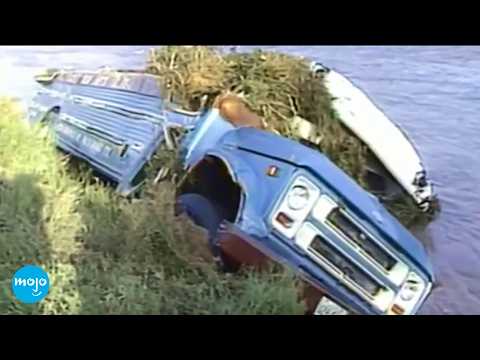
26 TV Tragedies That Happened LIVE in the 80s
0
林宜悉 posted on 2026/09/26Get ready for a gripping look at some of the most shocking events from the 80s that unfolded live on television! You'll hear firsthand accounts and see incredible footage, picking up phrases related to disaster reporting and emergency response along the way.
Learn this video on the APP!
The VoiceTube App has more in-depth practice for videos!