
activate
US /ˈæktəˌvet/
UK /ˈæktɪveɪt/
- Transitive Verb
- To cause to happen; cause a chemical reaction
- To make something start working
B1Moreacute
US /əˈkjut/
UK /əˈkju:t/
- Adjective
- (Of an angle in math) of less than 90 degrees
- Strong; very serious or severe
B1Morealso known as
US
UK
- Phrase
- Also called; alternatively named.
- Identified by another term; synonymous with.
A1Moreaside from
US /əˈsaɪd frʌm/
UK /əˈsaid frɔm/
- Phrase
A1Morecellular
US /ˈsɛljəlɚ/
UK /'seljələ(r)/
- Adjective
- Concerning a cell of a living thing
- (Of radio signals) functioning without wires
B2Moreclear up
US /klɪr ʌp/
UK /kliə ʌp/
- Phrasal Verb
- To tidy things away, e.g. dirty dishes after meal
- To explain something in an understandable way
A1Moreclinical
US /ˈklɪnɪkəl/
UK /ˈklɪnɪkl/
- Adjective
- Concerning the treatment or observing patients
- Using scientific techniques and precision
B1Morecomplicate
US /ˈkɑ:mplɪkeɪt/
UK /ˈkɒmplɪkeɪt/
- Transitive Verb
- To make more difficult to do, understand or use
B1Morecondensation
US /ˌkɑ:ndenˈseɪʃn/
UK /ˌkɒndenˈseɪʃn/
- Uncountable Noun
- Act of shortening something
- Drops of water on a surface, as produced by steam
B2Morecontribute
US /kənˈtrɪbjut/
UK /kən'trɪbju:t/
- Verb (Transitive/Intransitive)
- To be a factor in causing something to happen
- To donate, give (money) or help to something
A2Moreculminate in
US
UK
- Phrasal Verb
- To reach the highest point or final stage; to result in.
degrade
US /dɪˈɡred/
UK /dɪ'ɡreɪd/
- Transitive Verb
- To reduce in amount or strength
B2Moredismantle
US /dɪsˈmæntl/
UK /dɪs'mæntl/
- Transitive Verb
- To take something apart in an organized way
- To gradually cause something to come to an end or fail.
B2Moredue to
US /du tu/
UK /dju: tu:/
- Preposition
- Because of; owing to
- Adjective
- Attributable to; caused by.
A1Moreeliminate
US /ɪˈlɪməˌnet/
UK /ɪ'lɪmɪneɪt/
- Transitive Verb
- To completely remove; to get rid of
- To remove from a contest by beating them
B1TOEICMoreentire
US /ɛnˈtaɪr/
UK /ɪn'taɪə(r)/
- Adjective
- Complete or full; with no part left out; whole
- Undivided; not shared or distributed.
A2TOEICMoreenzyme
US /ˈɛnzaɪm/
UK /ˈenzaɪm/
- Noun
- A protein made by cells
B2TOEICMoreexcessive
US /ɪkˈsɛsɪv/
UK /ɪkˈsesɪv/
- Adjective
- Beyond what is usual or proper
B2Moreextrinsic
US /ɪkˈstrɪnsɪk, -zɪk/
UK /eksˈtrɪnsɪk/
- Adjective
- Not forming an internal part; outside; outer
C1Morefor example
US
UK
- Phrase
- As an illustration or instance.
immune
US /ɪˈmjoon/
UK /ɪˈmju:n/
- Adjective
- Having a special protection from, e.g. the law
- Protected against a particular disease or condition because of antibodies or vaccination.
B1Morein summary
US /ɪn ˈsʌməri/
UK /in ˈsʌməri/
- Phrase
- Briefly stating or reviewing main points.
B2Morein turn
US
UK
- Adverb
- One after the other in a sequence or rotation.
A1Moreinflammation
US /ˌɪnfləˈmeʃən/
UK /ˌɪnfləˈmeɪʃn/
- Noun (Countable/Uncountable)
- Painful swelling in the body due to illness
- A condition in which a part of the body becomes reddened, swollen, hot, and often painful, especially as a reaction to injury or infection.
B2Moreinflammatory
US /ɪnˈflæməˌtɔri, -ˌtori/
UK /ɪnˈflæmətri/
- Adjective
- Making or intended to make someone angry
B2TOEICMoreintegrity
US /ɪnˈtɛɡrɪti/
UK /ɪnˈtegrəti/
- Uncountable Noun
- Quality of being honest, fair and honorable
- The state of being whole and undivided.
B1TOEICMoreintrinsic
US /ɪnˈtrɪnzɪk, -sɪk/
UK /ɪnˈtrɪnsɪk/
- Adjective
- Being naturally and always a part of something
B1Moreinvolve
US /ɪnˈvɑlv/
UK /ɪn'vɒlv/
- Transitive Verb
- To have or be included as a part of something
- To cause (a person or group) to take part in an event or activity.
A2TOEICMorelack
US /læk/
UK /læk/
- Verb (Transitive/Intransitive)
- To not have, or not have enough, of something
- Uncountable Noun
- The state of not having or not having enough of
A2TOEICMorelead to
US /lid tu/
UK /li:d tu:/
- Phrasal Verb
- To result in some action
- Verb (Transitive/Intransitive)
- To have something as a consequence or result.
A1Morelook at
US /lʊk æt/
UK /luk æt/
- Phrasal Verb
- To use your eyes to focus on something
- To focus your eyes on something carefully
A1Moremaintain
US /menˈten/
UK /meɪn'teɪn/
- Transitive Verb
- To keep saying something a certain way
- To keep (machine) working by checking, repairing
A2TOEICMoremechanism
US /ˈmɛkəˌnɪzəm/
UK /'mekənɪzəm/
- Noun (Countable/Uncountable)
- Part of a machine that performs a certain function
- System or process for achieving a certain result
B1Moremembrane
US /ˈmɛmˌbren/
UK /'membreɪn/
- Noun (Countable/Uncountable)
- Outside covering of a cell
- A thin covering of tissue or of a cell
B2Moremessy
US /ˈmɛsi/
UK /'mesɪ/
- Adjective
- Being complex or difficult to fix
- Being untidy or dirty
A2Moremitochondrial
US /ˌmaɪtoʊ'kɒndrɪrl/
UK /ˌmaɪtəʊ'kɒndrɪəl/
- Adjective
- Referring to mitochondria
C1Moremolecular
US /məˈlɛkjəlɚ/
UK /mə'lekjələ(r)/
- Adjective
- About or caused by molecules
B2Moreoccur
US /əˈkɚ/
UK /əˈkɜ:(r)/
- Intransitive Verb
- To come to pass or to happen
- To be found to exist; to be present.
A2TOEICMoreof course
US /ʌv kɔː(r)s/
UK /ɔv kɔː(r)s/
- Adverb
- Sure ; Certainly
- Phrase
- For sure; certainly
A2Moreoxidative
US /'ɒksɪdeɪtɪv/
UK /'ɒksɪdeɪtɪv/
- Adjective
- Taking place in the presence of oxygen
C2Moreoxygen
US /ˈɑksɪdʒən/
UK /'ɒksɪdʒən/
- Uncountable Noun
- A gas in the air that we need to breathe
- Oxygen administered as a medical treatment.
B1Morephysical
US /ˈfɪzɪkəl/
UK /ˈfɪzɪkl/
- Countable Noun
- Health check at the doctors' or hospital
- Adjective
- Concerning the body of a person
- Concerning things that can be seen or touched
A2Moreplasma
US /ˈplæzmə/
UK /ˈplæzmə/
- Uncountable Noun
- Substance in which the blood cells are carried
- Gas-like substance with little electric charge
B2Moreprocess
US /ˈprɑsˌɛs, ˈproˌsɛs/
UK /prə'ses/
- Transitive Verb
- To organize and use data in a computer
- To deal with official forms in the way required
- Noun (Countable/Uncountable)
- Dealing with official forms in the way required
- Set of changes that occur slowly and naturally
A2TOEICMoreprolong
US /prəˈlɔŋ, -ˈlɑŋ/
UK /prə'lɒŋ/
- Transitive Verb
- To make continue for a longer amount of time
B2TOEICMorereceptor
US /rɪˈseptər /
UK /rɪˈseptə(r)/
- Noun
- A nerve ending that changes stimuli into impulses
B2Morerelease
US /rɪ'li:s/
UK /rɪ'li:s/
- Transitive Verb
- To free someone from a responsibility or burden
- To allow a film, music etc. to be sold/distributed
- Noun
- Act of freeing someone from a duty or burden
- Introduction of a new product, film, book, etc.
A2TOEICMorerequire
US /rɪˈkwaɪr/
UK /rɪ'kwaɪə(r)/
- Transitive Verb
- To demand that someone does something
- To need to do something, to make it necessary
A2TOEICMoreresponse
US /rɪˈspɑns/
UK /riˈspɔns/
- Noun
- Something said/written as an answer to something
- Reaction to something that has occurred
A2TOEICMoreseal
US /sil/
UK /si:l/
- Transitive Verb
- To close tightly to protect it from leaking
- To close an envelop or package
- Noun
- Large fish-eating animal that lives on sea or land
- Official mark made in hot wax to close a document
B1Moresee in
US /si ɪn/
UK /si: in/
- Phrasal Verb
- To accompany someone to the entrance of a building or room.
A1Moresevere
US /səˈvɪr/
UK /sɪ'vɪə(r)/
- Adjective
- Very bad; harsh
- (Of clothes, etc.) plain; simple; not decorated
A2TOEICMorespecific
US /spɪˈsɪfɪk/
UK /spəˈsɪfɪk/
- Adjective
- Precise; particular; just about that thing
- Concerning one particular thing or kind of thing
A2Morestress
US / strɛs/
UK /stres/
- Transitive Verb
- To emphasize one or more parts of a word, sentence
- To put pressure on something or someone
- Noun (Countable/Uncountable)
- Emphasis on part of a word or sentence
- Pressure on something or someone
A2TOEICMorestroke
US /strok/
UK /strəʊk/
- Noun (Countable/Uncountable)
- When blood cannot get to brain, causing damage
- Mark made by a pen, pencil or brush
- Transitive Verb
- To rub your hand in a caring way on something
B1Moresuch as
US /sʌtʃ æz/
UK /sʌtʃ æz/
- Preposition
- For example; like
A1Moreswell
US /swɛl/
UK /swel/
- Intransitive Verb
- To feel overcome due to a strong emotion
- To increase in size or number larger than normal
- Uncountable Noun
- Being overcome from feeling a strong emotion
- Act of growing in size or increasing in number
B1Moretrauma
US /ˈtraʊmə/
UK /'trɔ:mə/
- Noun (Countable/Uncountable)
- A very severe or upsetting experience
- Serious injury to part of the body
B2Moretrigger
US /ˈtrɪɡɚ/
UK /'trɪɡə(r)/
- Noun
- Lever on a gun that you pull to fire
- Device that starts a process
- Transitive Verb
- To start a process off e.g. a memory
- To cause something to begin or happen.
B1Moretypically
US /ˈtɪpɪklɪ/
UK /ˈtɪpɪkli/
- Adverb
- In a normal or usual way
B1Moreviral
US /ˈvaɪrəl/
UK /ˈvaɪrəl/
- Adjective
- Of or caused by a virus
- Becoming very popular by circulating quickly from person to person, especially through the Internet.
B2More
Vocabulary
- such as: For example; like
- for example: As an illustration or instance.
- due to: Because of; owing to
- look at: To use your eyes to focus on something
- culminate in: To reach the highest point or final stage; to result in.
- also known as: Also called; alternatively named.
- of course: Sure ; Certainly
- in turn: One after the other in a sequence or rotation.
- see in: To accompany someone to the entrance of a building or room.
- clear up: To tidy things away, e.g. dirty dishes after meal
- aside from
- lead to: To result in some action
- in summary: Briefly stating or reviewing main points.
- specific: Precise; particular; just about that thing
- entire: Complete or full; with no part left out; whole
- process: To organize and use data in a computer
- immune: Having a special protection from, e.g. the law
- eliminate: To completely remove; to get rid of
- trigger: Lever on a gun that you pull to fire
- physical: Health check at the doctors' or hospital
- trauma: A very severe or upsetting experience
- typically: In a normal or usual way
- integrity: Quality of being honest, fair and honorable
- severe: Very bad; harsh
- common: Area in a city or town that is open to everyone
- stress: To emphasize one or more parts of a word, sentence
- contribute: To be a factor in causing something to happen
- inflammation: Painful swelling in the body due to illness
- excessive: Beyond what is usual or proper
- viral: Of or caused by a virus
- lack: To not have, or not have enough, of something
- stroke: When blood cannot get to brain, causing damage
- mechanism: Part of a machine that performs a certain function
- occur: To come to pass or to happen
- maintain: To keep saying something a certain way
- response: Something said/written as an answer to something
- messy: Being complex or difficult to fix
- require: To demand that someone does something
- form: Sports team or person's current winning record
- inflammatory: Making or intended to make someone angry
- release: To free someone from a responsibility or burden
- compare: To consider how similar and different things are
- involve: To have or be included as a part of something
- seal: To close tightly to protect it from leaking
- due: When something is required or expected
- lead: Wire for electricity, computer, etc.; cable
- clinical: Concerning the treatment or observing patients
- oxygen: A gas in the air that we need to breathe
- acute: (Of an angle in math) of less than 90 degrees
- intrinsic: Being naturally and always a part of something
- activate: To cause to happen; cause a chemical reaction
- swell: To feel overcome due to a strong emotion
- enzyme: A protein made by cells
- complicate: To make more difficult to do, understand or use
- important: Having power or authority
- membrane: Outside covering of a cell
- program: To make someone act or think in a certain way
- receptor: A nerve ending that changes stimuli into impulses
- drive: A person's ambition and motivation to do something
- change: To exchange one set of clothes for another
- remember: To give someone a gift, e.g. birthday, wedding
- prolong: To make continue for a longer amount of time
- space: Empty area kept for a specific reason, like a car
- cellular: Concerning a cell of a living thing
- dismantle: To take something apart in an organized way
- include: To make someone, something part of a group
- start: First time or place that a thing exists; beginning
- finally: used especially at the beginning of a sentence to introduce the last point or idea
- plasma: Substance in which the blood cells are carried
- degrade: To reduce in amount or strength
- molecular: About or caused by molecules
- main: Most important; most often used
- extrinsic: Not forming an internal part; outside; outer
- condensation: Act of shortening something
- oxidative: Taking place in the presence of oxygen
- mitochondrial: Referring to mitochondria
Get the full experience in the app
Learn anywhere with detailed sentence and usage analysis
01:03
She took a brave step forward, leaving behind her comfort zone to chase her dreams.
Vocabulary
- brave
adj. Having courage
- comfort zone
phr. A familiar situation where one feels safe
Explanation
a brave step is a noun phrase, where brave is an adjective modifying the noun step, meaning "a courageous step".
forward is an adverb modifying step, meaning "ahead".
The whole phrase serves as the object, answering the "what" of took (verb) — she took a brave step forward.
Get the full experience in the app
Look up words anytime with pronunciation, part of speech, and usage
brave
US/brev/
UK/breɪv/
adj.Brave
v.t.To bravely face
A2 Elementary
Get the full experience in the app
Practice speaking anytime and get instant pronunciation feedback
Try this speaking exercise.
Try practicing with this sentence.
80
Apoptosis vs necrosis and other forms of cell death
0
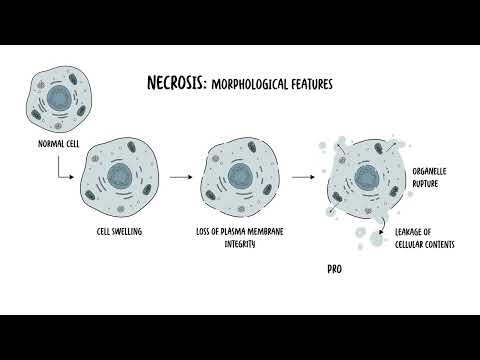
林宜悉 posted on 2026/09/21Ever wondered about the different ways cells die? This video breaks down the fascinating differences between apoptosis (programmed cell death) and necrosis (uncontrolled cell death), explaining their mechanisms and consequences. You'll pick up key vocabulary like 'caspases,' 'cytochrome C,' and 'inflammatory cytokines' to boost your biology and English skills!
Learn this video on the APP!
The VoiceTube App has more in-depth practice for videos!